


Why Your Cleansing Balm Should Come in a Tube, Not a Pot
That jar you've been scooping cleanser from may be working against your skin — here's why packaging matters just as much as the formula inside it.
Author
askINKEY skincare advisor
Published
01 June, 2026
Time to read
9 minutes
Packaging is not just about how a product looks on your shelf. It plays a direct role in how safely and effectively that product performs every single time you use it. This is especially true for cleansing balms, a category that lives in the shower or on the bathroom counter and gets opened, touched, and reopened day after day.
This blog answers three things plainly: what a cleansing balm actually is, why the difference between tube and pot packaging matters for hygiene and formula integrity, and how to use a cleansing balm correctly so you get the most out of it. We will also explain, in plain terms, why open-jar packaging exposes product to air, fingers, and bacteria every time it is opened, and why that is worth thinking about.
The INKEY List’s Oat Cleansing Balm is formulated and packaged with this exact concern in mind. That is not a coincidence. It is the result of a deliberate decision about how a product should be delivered to skin, not just what is inside it. This is science-backed packaging education, not fear-mongering. Our promise is clear guidance, proven ingredients, and real results, and that promise extends to the container the product comes in.
Before we get into packaging, it helps to understand the product category itself. So let’s start with the basics: what exactly is a cleansing balm, and why does it behave so differently from a standard face wash?
What Is a Cleansing Balm? (And Why Packaging Is Part of the Formula)
A cleansing balm is a solid-to-oil texture cleanser. It starts out thick, almost like a soft wax or dense cream, and melts into an oil-like consistency the moment it meets warmth, whether that is the heat of your hands or the warmth of your skin. That melting behavior is the whole point. As it liquefies, it dissolves makeup, SPF, and the sebum-based buildup that accumulates on skin throughout the day.
This is fundamentally different from how a gel or foam cleanser works. Gel and foam formulas typically rely on surfactants that create lather with water from the very first touch, which makes them effective at a quick, water-based clean but less effective at breaking down oil-based residue like long-wear makeup or sunscreen. A balm, by contrast, works on the principle that oil dissolves oil. You massage it into dry skin first, let it melt and bind to the makeup, SPF, and daily grime sitting on the surface, and only then introduce water to emulsify everything into a milky texture that rinses away cleanly. This is exactly why balm and oil formulas are so often used as the first step in a double cleanse, a two-part routine designed to fully clear the skin without stripping it.
Here is where it gets interesting, and where most people stop thinking about the product too soon. Texture and delivery format, meaning whether something is a balm, an oil, a gel, or a cream, is a separate question from packaging format, meaning whether that texture comes in a jar, a tube, a pump, or a bottle. These two things get bundled together in most people’s minds, but they do not have to be. A balm can melt beautifully and still be dispensed hygienically. That separation is exactly why INKEY’s choice to package the Oat Cleansing Balm in a tube, rather than the jar format balms are traditionally sold in, was deliberate rather than incidental.
The Oat Cleansing Balm is a clear example of the category done well. Its hero ingredients are colloidal oatmeal and oat kernel oil, both chosen specifically because they soothe skin and support the moisture barrier while the formula cleanses. Colloidal oatmeal has long been recognized for its calming, skin-soothing properties, which makes it a natural fit for a first-cleanse step that needs to remove buildup without leaving skin feeling tight or reactive afterward. Oat kernel oil works alongside it to help dissolve makeup and SPF while reinforcing that same barrier-friendly intention.
The formula also includes ceramides, which matter more than they might first appear to. Ceramides are lipids that naturally occur in the skin’s outermost layer, where they help hold moisture in and keep irritants out. Including them in a cleansing balm is a way of making sure that even the “clean up” step of a routine is contributing to barrier health rather than just stripping the day away. If you want to understand ceramides in more depth, including how they function and which other products rely on them, our full guide to ceramides breaks down the science clearly.
Once you understand that a balm’s texture and its packaging are two separate design decisions, a new question naturally follows. If the format itself is not the issue, then why does the container it ships in matter so much? That is exactly where the hygiene conversation begins.
The Hygiene Problem With Jars and Pots
Every time a jar is opened, two things happen at once. Product is exposed to open air, and a finger (or occasionally a spatula) makes direct contact with the remaining formula to scoop out what is needed. On its own, one instance of this seems harmless. The issue is repetition. A jar of balm is not opened once. It is opened daily, sometimes twice a day, for weeks or months, and each of those openings is a fresh opportunity for something from the outside environment, whether that is airborne particles or whatever is on your fingertip, to be introduced into the product.
This is not a theoretical concern. Repeated finger contact with multi-use cosmetic products is a documented route for microbial contamination, a finding reinforced by peer-reviewed cosmetic science research published in 2025, which specifically examined how user handling introduces microorganisms into cosmetic formulas over the course of normal, everyday use. The researchers were not studying a worst-case scenario or an edge case. They were studying ordinary use patterns, the kind that happen in bathrooms everywhere.
Cosmetic products are particularly susceptible to microbial contamination during consumer use due to repeated contact with hands, air, and the surrounding environment, which can compromise both product safety and quality over time.
It is worth being precise about what this does and does not mean. This is not about any single brand being “dirty,” and it is not an indictment of pot-and-jar packaging as an industry-wide scandal. It is a structural packaging issue, tied to repeated open-air exposure over the full life of a product, that applies to the jar format itself, regardless of who manufactures what goes inside it. A well-formulated product in a jar still faces this exposure every time the lid comes off.
Why does this matter more for balms specifically, compared to, say, a water-based serum in a jar? Balms and other emollient-rich, oil-based textures can be a more hospitable environment for bacteria to persist once contamination occurs, compared to drier or more water-based formats. Preservative systems in cosmetics are engineered to manage microbial load over a product’s shelf life, but as a 2018 peer-reviewed review on cosmetics preservation explains, those systems are designed around expected, limited exposure, not unlimited repeated contamination events. Every additional introduction of bacteria through finger contact adds to the burden that preservatives have to manage, and that burden compounds over the weeks a product sits open in a bathroom.
This connects directly to barrier health, which is the whole reason most people reach for a gentle, soothing cleansing balm in the first place. A compromised or contaminated product applied to skin that is already dry, sensitive, or blemish-prone can set back the very results people are trying to achieve. If the goal of using a barrier-supporting balm is to calm and protect skin, introducing an avoidable variable that works against that goal undercuts the point of the product entirely.
This is also where correct use starts to matter, and it is worth noting upfront, because how to use a cleansing balm correctly begins before the massage step most people think of first. It starts with how the product is dispensed from its packaging. A tube that delivers a clean, controlled amount without finger-to-product contact is already solving half the hygiene equation before you have even touched your face.
Having established the general hygiene problem with pots and jars, the next logical question is how this specifically plays out for different skin types, particularly those already managing sensitivity, dryness, or blemishes.
Why This Matters More If You Have Sensitive, Dry, or Blemish-Prone Skin
A healthy skin barrier depends on consistency. It is not built or maintained by one great product use; it is built by dozens, then hundreds, of consistent, reliable applications over time. This is precisely why introducing bacteria or oxidized product into that routine, even occasionally, works against the very barrier support a cleansing balm is meant to provide. One compromised application will not undo months of good skincare, but it does represent an unnecessary risk in a routine that is otherwise working to protect and strengthen skin.
Those with a damaged or compromised skin barrier are more vulnerable to irritation from any contaminants introduced through product use. A barrier that is already weakened, whether from over-exfoliation, environmental stress, or an underlying skin condition, has a reduced ability to defend against outside aggressors. That makes consistency in the products used on that skin even more important, not less. The whole point of using a soothing, barrier-focused formula is to give compromised skin fewer variables to fight, not more.
Dry skin deserves its own mention here. Dry skin often already has reduced ceramide levels, which means the skin’s natural ability to retain moisture and defend itself is already working at a deficit. This is exactly the skin type that benefits most from a clean, consistent, barrier-supporting formula every single use, because there is less margin for additional stress. A formula built around ceramides and oat kernel oil is only as good as its ability to reach skin in the same reliable state, use after use, that it was in the day it was manufactured.
Blemish-prone skin is a slightly different case, but the logic holds. Acne-prone skin can be made worse by contamination introduced into a product that is meant to keep pores clear, not add more to clog them. A cleansing step exists specifically to remove buildup, oil, and impurities from the surface of the skin. If the product doing that job has itself picked up bacteria from repeated finger contact, it works directly against the outcome it is supposed to deliver.
None of this is about singling out any one skin type as more fragile or more at risk than another. It is simply an honest acknowledgment that different skin types have different margins for error, and that packaging decisions have a real, if often invisible, effect on all of them. This is exactly why the Oat Cleansing Balm is formulated with barrier-supporting oat kernel oil and ceramides in the first place, and exactly why the packaging had to match that intention rather than work against it.
Understanding why this matters for different skin types naturally raises the next question: what did INKEY actually do about it? The answer is the practical fix at the center of this entire conversation.
Why INKEY Changed the Oat Cleansing Balm to a Tube
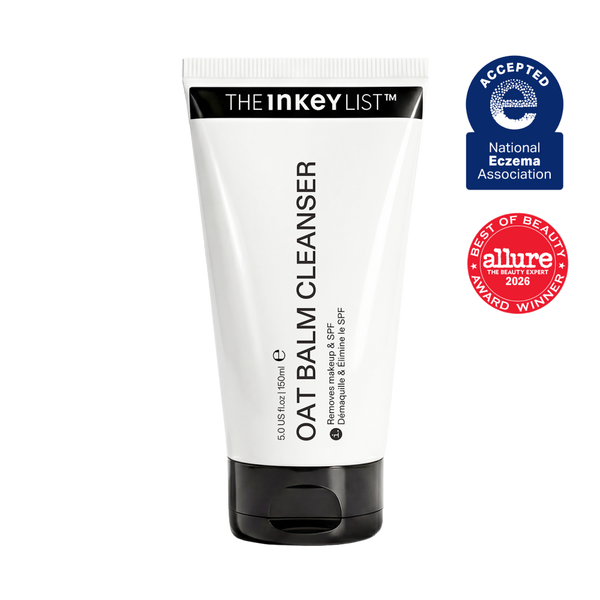
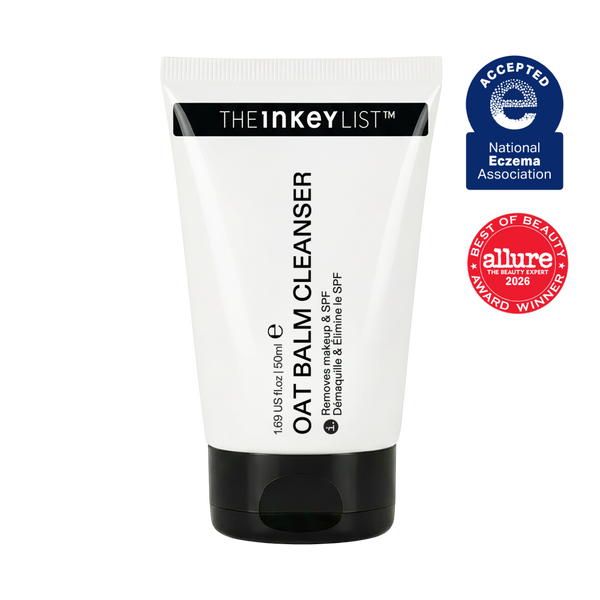
The Oat Cleansing Balm is packaged in a tube specifically so that product is dispensed without repeated finger-to-jar contact. Every time you use it, a controlled amount comes out through a sealed nozzle, and the rest of the formula stays untouched, unexposed to air, and protected from whatever is on your hands in that moment. This is the direct, practical solution to everything laid out in the previous two sections.
A sealed tube does more than prevent finger contact. It keeps the formula sealed from air and light between uses, which matters because both oxygen and light exposure can degrade certain ingredients over time. For a formula built around oat kernel oil and ceramides, minimizing that exposure helps preserve the integrity of those ingredients across the full life of the product, not just in the first few uses. A jar, by its very design, reintroduces a burst of air exposure every time the lid comes off. A tube does not.
This packaging decision was not made in isolation. It was part of a broader reformulation and packaging update for the Oat Cleansing Balm, and readers who want the complete story, including what changed in the formula itself alongside the container, can find the full breakdown in our deep-dive on the new Oat Cleansing Balm. That piece covers the reformulation in detail for anyone who wants to go beyond the packaging conversation happening here.
There is also a value conversation worth having plainly. At $17 for 150ml, the Oat Cleansing Balm delivers roughly 100 uses, which breaks down to a low cost per cleanse without compromising on hygiene or formula quality. We have actually published the full math behind this, because we think cost-per-use is a more honest way to evaluate skincare value than sticker price alone. You can see that full breakdown in why 17 cents per cleanse makes the Oat Cleansing Balm a smart skincare buy. The point is not that cheaper is automatically better. The point is that a hygienic, well-preserved formula delivered consistently over 100 uses is a genuinely good value, not a tradeoff you have to accept.
There is a secondary benefit here worth mentioning briefly, which is sustainability. A tube format generally uses less packaging material relative to the product volume it protects, and because a sealed tube allows for more complete, controlled dispensing, there is typically less product waste left behind at the end of its life compared to a jar, where product can get stuck to the sides or bottom and go unused. This was not the primary driver behind the switch, but it is a natural and welcome byproduct of making the hygiene-focused choice.
If you are curious whether the new formula and packaging actually deliver results together, we have also published a before-and-after timeline showing what real use looks like over time. Formula and packaging are not separate stories here; they work together, and the results reflect that.
Now that the “why” behind the tube is clear, it is worth walking through exactly how to use the product so you get the full benefit of both the formula and the format.
How to Use a Cleansing Balm the Right Way
Getting the most out of a cleansing balm is less about any single clever technique and more about following a simple sequence consistently. Here is the process, step by step:
- Dispense a small amount from the tube onto completely dry hands. Dry hands matter here because water activates the emulsifying step too early, before the balm has had the chance to properly dissolve makeup and buildup.
- Massage the balm into dry skin, using gentle, circular motions, allowing the warmth of your hands and face to melt the balm into its oil-like texture. This is the stage where it dissolves makeup, SPF, and the day’s accumulated sebum and grime.
- Add a small amount of water directly to your face and continue massaging. This is the emulsification step, where the balm transforms from an oil-like texture into a milky, rinseable one.
- Rinse thoroughly with lukewarm water, then follow with a second, water-based cleanser if you are using the double cleanse method.
The Oat Cleansing Balm is formulated to remove waterproof makeup and SPF in as little as 30 seconds when massaged properly, which makes this far less of a chore than it might sound. The key is giving it those full 30 seconds of massage time before reaching for water. Rushing the dry-massage stage is the most common reason a cleansing balm underperforms.
In a full routine, this balm step is ideal as the first half of a double cleanse, followed by a water-based second cleanser to fully clear anything the balm loosened but did not entirely remove. This two-step method exists precisely because oil-based and water-based cleansers are each better suited to different kinds of residue, and using them in sequence covers both.
There is also a bonus use case worth knowing about. Left on skin for about 10 minutes rather than rinsed immediately, the balm can double as a nourishing mask, giving skin extra hydration and soothing benefit from the oat kernel oil and ceramides in the formula. This is a simple way to get more out of the same product without changing your routine in any major way.
Finally, good hygiene habits extend beyond the packaging itself. Always dispense the balm onto clean, dry hands, and avoid adding water directly to the tube opening, since this reintroduces the exact moisture-and-contact risk the tube format is designed to prevent in the first place. The tube solves the structural packaging problem, but good habits on your end still matter.
With usage clearly covered, a common point of confusion deserves its own attention: how does a cleansing balm actually compare to a cleansing oil, and does the difference matter for your routine?
Cleansing Balm vs. Cleansing Oil: What’s the Difference?
Both cleansing balms and cleansing oils work on the same underlying principle. Oil dissolves oil-based impurities, which means both formats are effective at breaking down makeup, SPF, and sebum in a way that water-based cleansers alone typically are not. Where they differ is texture and application, and that difference is more about personal experience than performance.
Cleansing oils are liquid from the very first touch. They pour or pump out already in their final, fluid state, and they tend to feel lighter and more immediately spreadable across the skin. There is no waiting for them to transform; what comes out of the bottle is what you work with from start to finish.
Cleansing balms, by contrast, start solid or semi-solid. They need the warmth of your hands and face to melt into that same oil-like texture a cleansing oil already has from the start. Many people find this melting process satisfying, and the resulting texture often feels richer and more cushioning during the massage step, almost like a gentle, slow-release version of the same oil-cleansing effect.
This difference in starting texture is also exactly why balms have traditionally been packaged in jars. A solid or semi-solid texture scoops out of a jar more intuitively than it pumps out of a bottle, which is part of why the hygiene conversation running through this entire blog matters so specifically for this format. Cleansing oils, being liquid from the start, have always lent themselves naturally to pump or bottle packaging that limits air and finger exposure. Balms had some catching up to do, and that is exactly the gap INKEY’s tube format closes.
So which should you choose? Honestly, it often comes down to personal preference and skin type rather than one format being definitively superior to the other. Some people prefer the lighter, more immediate glide of an oil. Others prefer the richer, more cushioned massage experience of a balm, along with the ritual feeling of watching a solid texture melt into something fluid. Neither preference is wrong, and we are not going to pretend one format is a dramatic upgrade over the other, because that would not be honest.
What we will say plainly is this: whichever format you choose, packaging that limits air and finger exposure, like a tube, helps preserve formula integrity either way. The format of the texture (balm or oil) and the format of the packaging (jar, tube, bottle, or pump) are two separate decisions, and it is worth paying attention to both when you are choosing a product, not just the one that is more fun to talk about.
The Takeaway: Packaging Is Part of the Formula, Not an Afterthought
Tube packaging is not a gimmick, and it is not a cosmetic upgrade for its own sake. It is a hygiene and formula-preservation decision that protects both the product itself and the skin it is meant to help, every single time the product is used. That is the core argument of this entire blog, and it holds up whether you are looking at the peer-reviewed research on microbial contamination or simply thinking through what happens, physically, every time a jar lid comes off.
This matters most for skin that is barrier-compromised, dry, sensitive, or blemish-prone, where consistency in every single application genuinely counts. These are exactly the skin types with the least margin for an avoidable variable working against them, and exactly the skin types a soothing, barrier-focused cleansing balm is meant to support in the first place.
The Oat Cleansing Balm was built around this principle from formula to packaging, not as two separate decisions but as one coherent idea: oat kernel oil and ceramides to support the skin barrier while cleansing, delivered through a tube that keeps that formula sealed, protected, and consistent from the first use to the last. That is what clear guidance, proven ingredients, and real results looks like when it is applied all the way down to the details most people never think to question.
Ready to see the difference for yourself? Shop the Oat Cleansing Balm and experience a cleanse built around hygiene and barrier support from the first step. If you are ready to build out a full double cleanse routine, the Brightening Double Cleanse Duo pairs the Oat Cleansing Balm with a complementary second step for a complete, considered routine.
Frequently Asked Questions
Got a question?
Our askINKEY team are a friendly bunch of skincare experts with deep product knowledge and zero judgement. Whether you're an ingredient obsessive or just starting out, we'll make it make sense. No question too big. No question too small. We Give A Care, Every Day.


