

Are pore strips bad for your skin?
Pore strips deliver an instant result — but only at the surface. Here's what they actually do to your skin, and what works better.
Author
askINKEY skincare advisor
Published
21 August, 2026
Time to read
16 minutes
Pore strips are one of the most recognizable products in skincare. You dampen your nose, press the strip down, wait for it to harden, and peel it away to find the evidence sitting right there on the adhesive. That visible proof is what turned them into a phenomenon, and it is why people keep buying them decades after they first appeared on shelves.
So are pore strips bad for your skin? The honest answer is that the instant result is real, but what the strip does to your skin in the process tells a more complicated story. Pore strips work at the surface only, the effect fades within days, and the adhesive that pulls out pore contents also pulls at everything else it touches.
This guide covers:
- How pore strips physically work, and what the adhesive actually bonds to
- Whether they remove blackheads, and how long the result lasts
- What the evidence says about repeated use and your skin barrier
- Whether pore strips really make your pores bigger
- Which skin types should avoid them entirely
- The ingredient-led alternatives that work inside the pore instead of on top of it
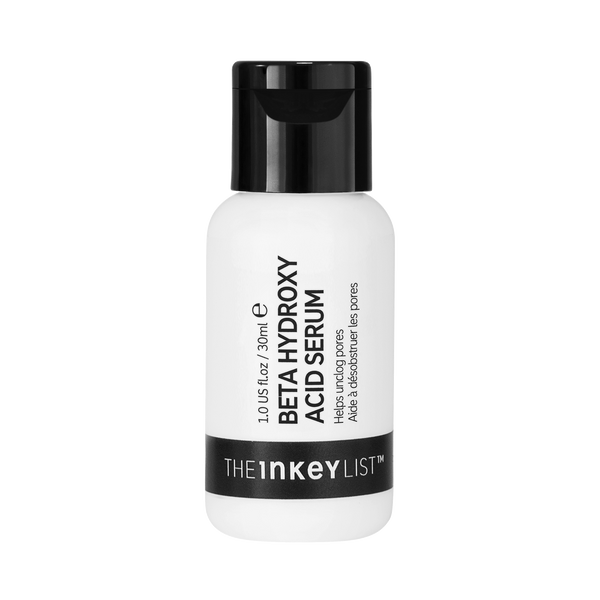
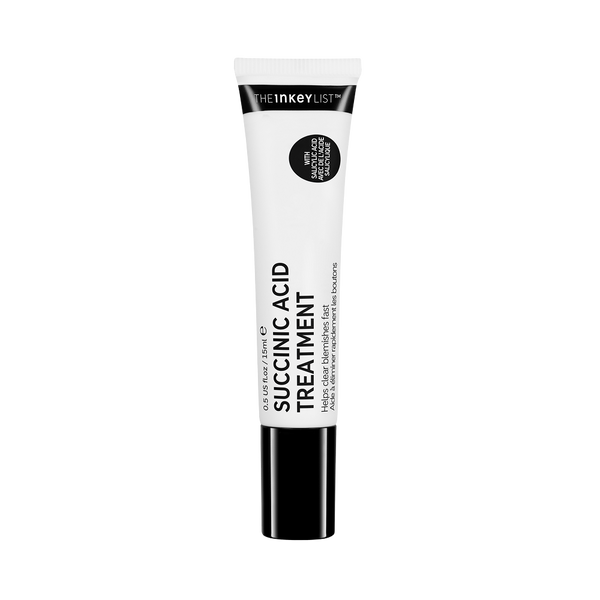
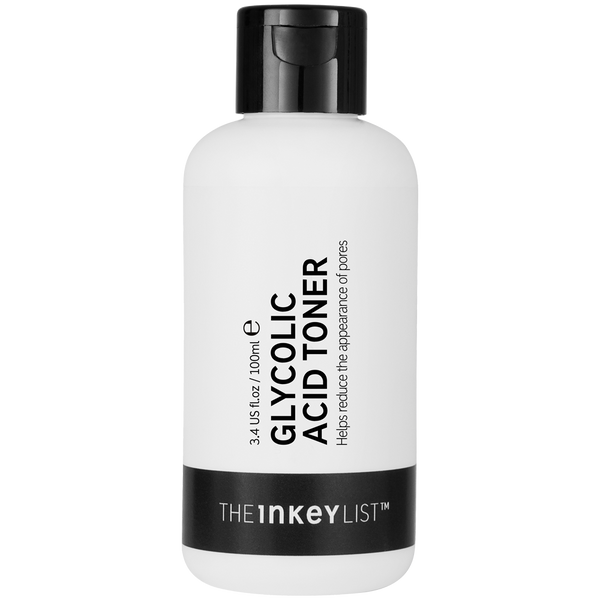
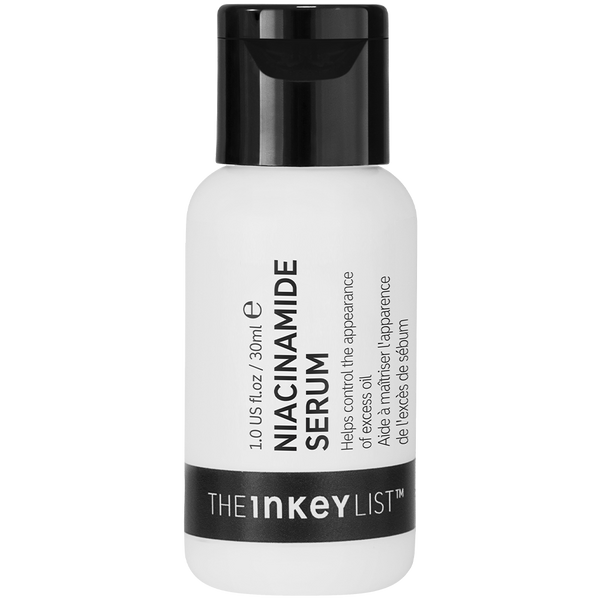
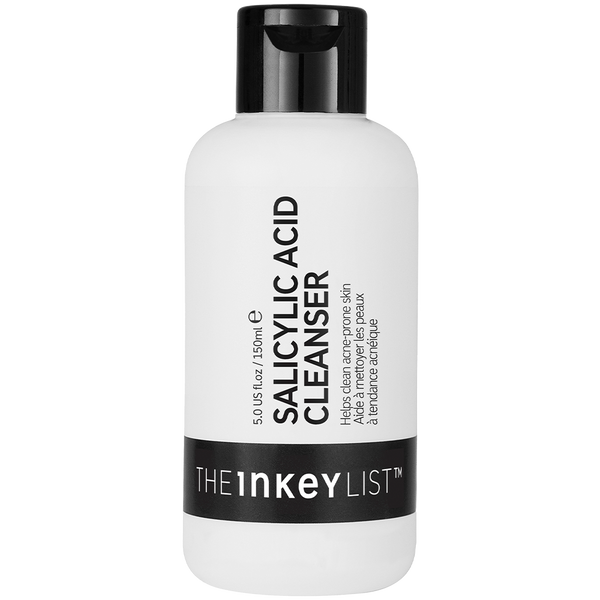
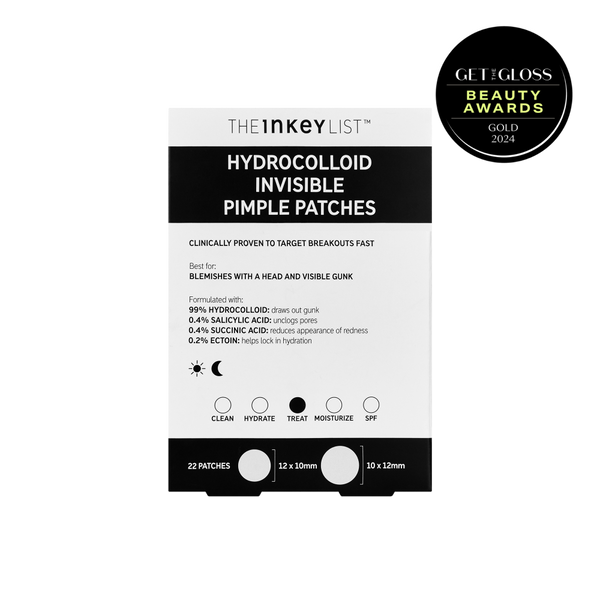
Those alternatives are the Salicylic Acid Cleanser ($15), Beta Hydroxy Acid (BHA) Serum ($14), 10% Niacinamide Serum ($13), Succinic Acid Treatment ($15), Glycolic Acid Toner ($18) and Hydrocolloid Invisible Pimple Patches ($10).
Everything that follows starts with one thing: understanding exactly what that adhesive is doing.
What Are Pore Strips and How Do They Actually Work?
A pore strip is a simple piece of engineering. It is a fabric or thin plastic strip, usually shaped to sit across the bridge and sides of the nose, coated on one side with a strong adhesive. The instructions are the same across every brand: wet the skin, press the strip on firmly, leave it for ten to fifteen minutes until it dries rigid, then peel it away from the edges.
The mechanism depends entirely on moisture. The adhesive on the strip is activated by water, which is why dry application does nothing and soaking wet application fails just as badly. When the adhesive is correctly activated, it forms a bond with whatever is sitting at or near the pore opening. As the strip dries it stiffens into a single solid piece, and that rigidity is the point. When you peel it off, everything bonded to the underside comes with it in one motion.
What is it bonding to? Dermatologist Dr. Mona Gohara, a board-certified dermatologist and clinical professor at Yale, described the contents plainly to NBC News: strips “can help to remove the contents of open pores such as sebum (skin oil), oxidized keratin and skin cells, and other environmental particles setting up shop in the pores on your nose.” That is a useful list because it is specific. Sebum is your natural oil. Oxidized keratin is the darkened protein plug that gives a blackhead its color. Environmental particles are the pollution and debris that settle on skin through the day.
The adhesive does not choose what it grabs
Here is the part that most people never consider. Dermatologists speaking to Allure have compared a pore strip to a bandage, and the comparison is exact in the way that matters. When you rip off a bandage, it does not carefully separate what you want removed from what you do not. It lifts everything it is stuck to. A pore strip behaves the same way. It has no capacity to distinguish between a blackhead you want gone and the healthy skin cells, natural oils and fine hairs sitting next to it. Adhesion is indiscriminate by definition.
Strips reach the opening, not the canal
This is the hard limitation, and every other argument in this article follows from it. A pore is not a flat dot on the surface. It is the visible opening of a canal that runs down into the skin, lined with sebum and connected to a sebaceous gland that produces oil continuously. A pore strip only ever makes contact with the very top of that structure.
It cannot travel down the canal. It cannot dissolve the sebum sitting deeper inside. It has no influence whatsoever on how much oil your skin produces, or on the rate at which dead skin cells shed and accumulate at the opening. It removes the top of the plug and leaves the system that created the plug entirely intact. That is not a flaw in any particular product, it is what mechanical surface removal is.
Blackheads and sebaceous filaments are not the same thing
There is a second problem with indiscriminate adhesion, and it is one of the most common misunderstandings in pore care. Many of the tiny dots people try to strip from their nose are not blackheads at all. They are sebaceous filaments, which are normal, healthy structures that line the pore and help channel oil to the surface. Almost everybody has them, particularly across the nose and central face, and they are supposed to be there.
A true blackhead is different. It is a pore blocked with a plug of dead skin cells and sebum that has oxidized on contact with air and turned dark. Our complete blackheads guide walks through the distinction in more detail, including why the two look so similar to the naked eye. A pore strip cannot tell them apart. It removes both with equal enthusiasm, which means a good portion of what you see on a used strip is normal skin function that was doing its job. If you want to understand what drives the buildup in the first place, What Causes Clogged Pores? covers the upstream causes properly.
Most strips are not just adhesive
One last detail before we look at results. Commercial blackhead nose strips are rarely just fabric and glue. Many formulations include astringents, fragrances, botanical extracts and other additives, some of which are there to deliver a tingling or tightening sensation that reads as “working.” Those additives sit on the skin for the full ten to fifteen minutes of wear time, and they matter to the overall irritation picture. We will come back to them.
Now that the mechanism is clear, the obvious question is whether all that surface action actually delivers what the packaging promises.
Do Pore Strips Work for Blackheads?
Yes. Let us be straightforward about this, because an article that pretends otherwise is not worth reading. Pore strips do remove the visible contents of pores in the short term, and the evidence is literally in your hand when you peel one off.
Healthline’s review of nose strips confirms that strips are effective at pulling blackheads out of pores. Gohara’s account of what comes away on the adhesive, quoted in the previous section, says the same thing from a clinical perspective. So when someone asks “do pore strips work,” the accurate answer is that they work at exactly the one thing they were designed to do, which is lift material out of the top of a pore in a single pull.
The problem is not effectiveness. The problem is duration, and it is designed into the mechanism.
Why the result never lasts
Healthline is equally clear that the effect is temporary, noting that blackheads typically refill within a few weeks. Gohara’s assessment in the same NBC News piece is that pore strips are not a permanent solution, and that while they may remove some oil, pores will inevitably fill up again.
Think about why. Removing the plug does not close the pore, and pores cannot close on their own regardless. What you are left with is an open, now-empty pore attached to a sebaceous gland that carries on producing oil at exactly the same rate it did yesterday. Dead skin cells continue to shed at the same rate. Environmental debris continues to settle. Within days to a few weeks, depending on how oily your skin naturally runs, the pore is holding the same contents it held before, and the surface of the plug oxidizes and darkens again.
Nothing in the process regulates sebum production. Nothing accelerates or normalizes cell turnover. Nothing changes the conditions that produced the blackhead. You have removed an outcome and left the cause completely untouched.
“Strips will not stop black or whiteheads from happening or shrink pores. They are simply a temporary cosmetic fix.” Dr. Adam Friedman, George Washington University School of Medicine and Health Sciences, speaking to Allure
That phrase, “temporary cosmetic fix,” is the most accurate three-word summary of pore strips available. It is not a dismissal. A cosmetic fix has genuine value if you have an event on Saturday. It is simply not skincare in any meaningful sense, and treating it as skincare is where people go wrong.
Application decides almost everything
There is a further complication that gets very little attention: pore strips are surprisingly difficult to use correctly, and imperfect application is the norm rather than the exception.
The adhesive has to lie completely flat against the skin. Skin has to be damp enough to activate the adhesive but not so wet that it dilutes the bond. The strip has to dry fully, because peeling it early means it never reached the rigidity the mechanism depends on. Any residual cleanser, oil or product left on the surface interferes with adhesion.
Then there is anatomy. Noses are curved, and they are curved differently on everyone. The creases where the nostrils meet the cheeks are exactly where congestion tends to concentrate and exactly where a flat strip struggles to make full contact. The result is that adhesion is often strongest across the flat bridge, where there may be relatively little to remove, and weakest in the areas you actually care about.
Healthline notes that using strips incorrectly, including failing to wet the skin properly, leaving them on too long or peeling them off roughly, can remove considerably more than the intended plug, up to and including the top layer of skin. So imperfect application is not just a matter of disappointing results. It is the scenario where the strip is pulling primarily on skin rather than on pore contents.
Is there such a thing as the best pore strips?
People search for the best pore strips constantly, and the honest INKEY answer is unsatisfying: formulation differences between strips do not change the outcome in any way that matters.
Every strip on the market uses the same underlying mechanism. A water-activated adhesive bonds to the pore opening, dries rigid, and is peeled away. Variations in backing material, adhesive strength, added charcoal, added botanicals or strip shape adjust the experience at the margins. None of them allow a strip to reach into the pore canal. None of them make the adhesive selective. None of them alter oil production or cell turnover. A stronger adhesive removes slightly more, and pulls slightly harder on your skin while doing it, which is a trade rather than an improvement.
The limitation is structural, not competitive. Choosing between strips is choosing between versions of the same compromise.
Temporary results are frustrating but not harmful in themselves. The more serious question is what repeated use does to the skin doing the hosting.
Are Pore Strips Bad? What Repeated Use Does to Your Skin Barrier
So, are pore strips bad? For occasional use on resilient skin, they are mostly just ineffective in the long run. Used repeatedly, on the same patch of skin, week after week, the evidence points to a genuine cost, and that cost lands on your skin barrier.
The adhesive does not select what it bonds to
We established the mechanism in Section 1. Here is why it matters clinically.
Dr. Blair Murphy-Rose, a board-certified dermatologist at the Laser and Skin Surgery Center of New York and clinical instructor of dermatology at Weill Cornell Medical College, told NBC News that pore strips “can irritate skin and often do more harm than good.” Her explanation is the crux of the whole argument: the adhesive does not only stick to the debris inside your pores, it sticks to the skin surrounding them. When you pull the strip away, that surrounding skin is pulled too.
There is no technique that avoids this. You cannot apply a strip in a way that makes the adhesive bond selectively to plug material and ignore everything else, because adhesion does not work that way. Alongside the sebum and oxidized keratin you wanted gone, the strip lifts protective natural oils and the uppermost layer of skin cells. That collateral removal is not a misuse of the product. It is the product functioning normally.
What this means for the skin barrier
To understand why that matters, it helps to know what the barrier actually is and what it does.
Your skin barrier is the outermost layer of your skin, and it works as a two-way seal. It holds water in, keeping skin hydrated, comfortable and flexible. It keeps irritants, allergens, bacteria and pollutants out. It is built from skin cells held together by a matrix of lipids, alongside proteins and natural moisturizing factors that maintain hydration within the surface layers. The usual analogy is a brick wall: the cells are the bricks, the lipids are the mortar, and the wall only performs if both are intact.
Now consider what a pore strip does to that wall. It removes surface lipids, which is the mortar. It lifts away upper-layer skin cells, which are the bricks. Neither of those is replaced instantly. Your skin rebuilds them, but rebuilding takes time, and during that window the barrier is measurably less able to hold moisture in and keep irritants out. Our guide to a damaged skin barrier explains the signs to look for and how recovery works.
One strip is not the same as a habit
Honesty requires a distinction here, because the difference between occasional and habitual use is significant.
A single strip on healthy, resilient skin will most likely cause temporary redness and some tightness that resolves within a day. Gohara acknowledged as much to NBC News, noting that someone with oilier skin may be okay using them occasionally. That is a fair concession and worth stating plainly.
Her qualifier is the important half of the sentence: “no one should use them frequently, as it increases the chance of damage and sensitivity.”
Repeated use is where the picture changes, because the barrier never gets to finish rebuilding. Strip the same area weekly and you are removing lipids and surface cells faster than your skin replaces them. The cumulative effect is skin that is progressively drier, more reactive and more easily irritated. Low-grade inflammation becomes the resting state rather than a passing response. Products you previously used without a second thought start to sting. Redness lingers longer after any provocation. People in this position often conclude that their skin has become sensitive, when what has actually happened is that a repeated mechanical habit has worn down the barrier that was keeping everything comfortable.
There is a particular irony worth naming. Chronically inflamed, barrier-compromised skin frequently responds by producing more oil, not less, which means a routine built around aggressive removal can quietly work against the exact outcome it was chasing.
Additives compound the problem
Remember the astringents and fragrances mentioned earlier. This is where they matter.
Gohara pointed out to NBC News that pore strips “are often made with additives like astringents,” and that “these additives are often drying and can further strip the skin and cause irritation.” Read that alongside the mechanical action and the compounding becomes obvious. The strip is already removing protective oils by force. The additives are simultaneously drying out what remains. The skin is absorbing two separate drying insults in a single ten-minute application.
That is also, incidentally, why strips often feel like they are working. The tight, squeaky sensation afterwards gets interpreted as deep cleanliness. It is closer to the opposite. Tightness after any skincare step is usually the feeling of a barrier that has lost more surface lipid than it should have.
The redness afterwards is information
Anyone who has used a properly bonded strip knows how much force removal takes. It is not a gentle peel. The strip has dried into a rigid shell that is genuinely stuck, and getting it off means pulling hard, often in short tugs, often catching in the creases beside the nostrils where the skin is thinner and more delicate.
That is mechanical trauma in the straightforward sense. The redness that follows is your skin’s immediate inflammatory response to physical stress. On resilient skin it fades. On thin, dry, reactive or already compromised skin it does not fade as quickly, and each repetition starts from a lower baseline than the last.
Weighing all of it together, Healthline’s assessment is that for most people the risks of nose strips outweigh a benefit that disappears within days. That is the trade-off in one line: a real but short-lived cosmetic improvement, paid for with the integrity of the barrier that keeps your skin comfortable the rest of the time.
One claim about that damage circulates more than any other, and it deserves a direct answer rather than a repetition.
Do Pore Strips Make Your Pores Bigger?
You have almost certainly read that pore strips permanently stretch your pores. It is repeated constantly online and it sounds intuitive, which is exactly why it needs scrutiny.
The honest verdict: permanent pore enlargement caused by pore strips is not well supported by the evidence. There are real reasons to be cautious with strips, and Section 3 laid them out, but this specific claim overstates the case.
Pores do not open and close
Start with the underlying myth, because most of the confusion traces back to it.
Pores are frequently described as though they open in heat and close in cold, like tiny doors. They do not. A pore is an opening in the skin, not a muscular structure, and it has no mechanism for opening or closing in response to steam, cold water, pressure or adhesive. Cold water can temporarily constrict surrounding tissue enough to make pores look slightly less prominent, but nothing has actually closed.
Pore size is determined mostly by factors outside your control. Genetics sets your baseline. Skin type matters, since oilier skin tends toward larger visible pores. Age plays a role as collagen and elastin decline and skin loses some of the structural support that holds pores taut. And then there is the variable that is actually modifiable: how much material is sitting inside the pore at any given moment.
Why pores look smaller straight after a strip
That last factor explains the effect people notice. A pore packed with a plug of sebum and dead skin cells is physically distended by its contents. Remove the contents and the pore is no longer being pushed open from the inside, so it looks smaller. The dark oxidized surface of the plug is gone too, which removes the visual contrast that made the pore obvious in the first place.
As Healthline notes: “While you might not be able to rid your skin of pores, it’s true that nose strips can temporarily make pores look smaller.”
The word carrying the weight is temporary. The pore refills, the contents oxidize, and the appearance returns. Nothing was permanently shrunk and nothing was permanently stretched.
The version of the concern that does hold up
Where the myth touches something real is in the indirect effect, and this is the nuance worth understanding.
Repeated irritation of the skin around your pores can genuinely make those pores appear more visible over time, but not because the openings have grown. Chronically inflamed skin loses smoothness. It becomes less even in tone and texture, and over sustained periods, ongoing inflammation is associated with reduced elasticity. Skin that is less firm and less uniform provides less structural support around each pore opening, and a pore set in rougher, redder, less resilient skin reads as more prominent than the same pore set in calm, smooth skin.
The pore has not changed. The context around it has. That is a meaningful distinction, because it points to a completely different solution. If visible pores were a stretching problem, you would need to shrink them, which is not possible. Because it is a congestion and skin quality problem, it is genuinely addressable.
What actually reduces the appearance of pores
The long-term answer is regulation and prevention rather than mechanical removal, and it works on two fronts.
The first is oil production itself. Excess sebum is the raw material of congestion, so producing less of it means less material available to distend pores. Our guide to oily skin covers why some people produce more than others and what genuinely influences it. Niacinamide is the most useful ingredient here, because it helps regulate sebum production while also minimizing the visible appearance of pores and calming redness. Our 10% Niacinamide Serum ($13) is built around exactly that, and if you want the background on how the ingredient behaves, What is Niacinamide? is the place to start.
The second front is inside the pore canal, which is the one place a strip can never reach. That is BHA territory, and it is where the real alternative lives.
For most people the risks discussed so far are occasional and manageable. For some skin types they are not, which makes the next question a matter of safety rather than preference.
Who Should Avoid Pore Strips Completely
For some people, pore strips move from “not the best use of your money” to genuinely inadvisable. If you recognize your skin in any of the categories below, this is the section that matters most.
Sensitive skin. Pore strip adhesive is strong by design, because a weak adhesive would not lift anything. On sensitive skin, that same strength produces a disproportionate reaction: stinging during removal, pronounced redness, and reactivity that can persist for days rather than hours. Murphy-Rose is explicit in her NBC News comments that people with sensitive skin should stay away from strips altogether. Healthline reaches the same conclusion, noting that those with sensitive skin or skin allergies are more likely to be harmed than helped. If you are managing sensitivity and congestion simultaneously, which is a genuinely difficult combination, our guide to sensitive skin and breakouts is written for exactly that situation.
Eczema and atopic dermatitis. Murphy-Rose names eczema specifically alongside sensitive skin as a reason to avoid strips entirely. The reasoning is structural. In eczema-prone skin, the barrier is already weaker and more permeable than it should be, often with impaired lipid production and reduced water retention. Applying a strong adhesive and tearing it away removes surface lipids and cells from a barrier that was already struggling to maintain them. That can be enough to provoke a flare in an area that was previously calm, and the nose and central face are not easy places to manage a flare.
Rosacea. Pore strips combine two well-recognized rosacea triggers in a single product: physical force on the skin and drying additives. There is an unfortunate geographic overlap too, since the nose and central T-zone are both the standard application site for strips and a primary site of rosacea activity. For skin that is already prone to persistent flushing and visible vessels, mechanical trauma to that exact area is a poor trade for a result lasting a few days. Our guide to redness covers gentler approaches to reactive, easily flushed skin.
Skin on active treatments. If you use retinol, a prescription retinoid, or prescription-strength acids, pore strips should not go on the same skin. These ingredients work by accelerating cell turnover, which means the surface layer is newer, thinner and more vulnerable than usual. That is the intended effect and it is why they work. Adding forceful adhesive removal on top of it significantly raises the risk of real damage, including broken capillaries, raw patches and irritation that sets your progress back by weeks. If you are already investing in active ingredients, a strip actively undermines them.
Dry or dehydrated skin. Strips remove surface oils and lipids. Dry skin is, by definition, already short of them. The immediate result is tightness and discomfort, and repeated use makes flaking and rough texture more likely, since the barrier never accumulates the lipid content it needs to hold water properly. Dehydrated skin, which is short on water rather than oil and can occur on any skin type, responds just as badly. Our dehydrated skin guide explains how to tell the two apart, which changes what you should do about it.
Sunburned, broken or compromised skin. Treat this one as absolute. Never apply a pore strip to skin that is sunburned, broken, cut, peeling, or has open or freshly picked spots. Adhesive on compromised skin risks real pain, further damage to tissue that is already healing, and an entry point for infection. Wait until the skin has fully recovered, and then reconsider whether you want to use a strip at all.
A note on skin that breaks out. There is a common instinct to strip an area that is congested or actively breaking out, on the logic that removing the blockage will help. It usually does not. Skin that breaks out regularly is often already dealing with some degree of irritation, and adding mechanical trauma to inflamed skin tends to prolong redness and slow healing rather than speed it up. On an active blemish specifically, a strip risks rupturing it and spreading the contents across surrounding skin. Congested, breakout-prone skin generally does far better with consistent ingredient-led care than with any form of forceful extraction.
For every skin type on this list, and for most people generally, the better route is not a gentler strip. It is an approach that works inside the pore rather than on top of it.
What to Use Instead of Pore Strips
Here is the core distinction that reframes everything. Pore strips work at the surface. The ingredients below work inside the pore.
That is the difference between reactive skincare, which removes a problem after it has already formed and visibly announced itself, and preventative skincare, which changes the conditions so less of it forms in the first place. Reactive feels more satisfying in the moment. Preventative is what produces skin that stops needing rescuing.
1. Replace the ritual first: Hydrocolloid Invisible Pimple Patches ($10)
Most alternatives to pore strips fail for a reason nobody talks about. They address the skincare, but they ignore the psychology.
People do not use pore strips purely because they believe in the long-term science. They use them because peeling one off is immediate, visible and genuinely satisfying. There is a result you can hold. Telling someone to swap that for a serum that shows results in six weeks is asking them to give up the entire reason they liked the ritual. That swap rarely sticks.
Hydrocolloid patches deliver the same kind of satisfaction without the mechanical cost. Hydrocolloid is a wound-care technology adapted for skincare, and the way it works is closer to drawing than to pulling. Our Hydrocolloid Invisible Pimple Patches ($10) use 99% hydrocolloid to absorb excess fluid from a blemish, flatten its appearance and form a protective seal over the top. That seal does double duty, since it also physically stops you from picking, which is one of the main reasons blemishes scar.
Two active ingredients are built into the patch. 0.4% salicylic acid works on unclogging the pore itself, and 0.4% succinic acid helps calm the appearance of redness and absorb excess oil. Each pack contains 22 patches in two sizes, so you can match the patch to the blemish rather than covering half your chin.
Practically, they are close to invisible on the skin, which means they work overnight or through the day, under makeup, at your desk. You peel one off and you can see what it has drawn out. Same visible payoff, none of the barrier damage. This is the honest swap for the habit, not just for the ingredient.
2. The real alternative: Beta Hydroxy Acid (BHA) Serum ($14)
If you only change one thing, change this one.
The reason BHA succeeds where strips fail comes down to a single property: oil solubility. Most exfoliating acids are water-soluble, which means they work on the skin’s surface but cannot penetrate the sebum lining a pore canal. Oil and water do not mix, and the sebum acts as a barrier the acid simply cannot cross.
Salicylic acid is oil-soluble. It travels through sebum rather than being repelled by it, which means it can move down into the pore canal and work on the blockage from the inside, at the depth where blackheads actually form.
Murphy-Rose explained the mechanism precisely to NBC News: “The molecular size of salicylic acid enables it to travel into pores to deeply clean and dissolve sebum and its exfoliating action treats and prevents further clogging of pores.”
Read that against what a strip does and the contrast is stark. A strip lifts the visible top of a plug and leaves the canal full. BHA dissolves the plug inside the canal and keeps working to prevent the next one. One removes an outcome, the other changes the conditions.
Our Beta Hydroxy Acid (BHA) Serum ($14) is formulated for exactly this, used two to three times a week rather than daily, which is enough to keep pores clear without over-exfoliating. For a fuller picture of how the ingredient behaves on blackheads specifically, Salicylic Acid for Blackheads: How It Works and How to Use It is the guide to read, and our salicylic acid ingredient page covers the broader background. One practical note: when you introduce an exfoliating acid, skin sometimes goes through a short adjustment period, and What Is Skin Purging? explains how to tell that apart from irritation.
3. The daily foundation: Salicylic Acid Cleanser ($15)
Serums do the targeted work, but consistency comes from the step you already do twice a day.
Our Salicylic Acid Cleanser ($15) contains 2% salicylic acid, delivering the same oil-soluble action as part of your existing routine. It cleanses into the pore, helps reduce the appearance of blackheads and manages excess oil, and it is formulated to do that without the harsh over-stripping that leaves skin tight and triggers more oil production in response.
Technique matters more than people expect. Massage it in for a full 60 seconds before rinsing. Most people cleanse for around ten to fifteen seconds, which barely gives the salicylic acid time to make contact with the pore, let alone act on it.
Worth remembering that congestion is not exclusive to the face. The chest, shoulders and back have dense concentrations of sebaceous glands and clog through the same mechanism, so the cleanser works just as well in the shower on those areas.
4. Work upstream: 10% Niacinamide Serum ($13)
Everything above deals with material already in the pore. Niacinamide addresses how much material arrives in the first place.
It helps regulate sebum production, and the logic follows directly: less excess oil means less raw material available to combine with dead skin cells and form a plug. It also helps calm redness and improve uneven tone, and it supports the barrier, which makes it a sensible partner to any exfoliating acid.
Our 10% Niacinamide Serum ($13) layers comfortably with BHA. Despite persistent internet claims to the contrary, the two work well together, and the pairing is genuinely one of the most effective combinations for oily, congested skin. We break down exactly how to layer them in Salicylic Acid and Niacinamide: the best duo for oily, congested skin.
5. Targeted action: Succinic Acid Treatment ($15)
Sometimes the motivation for reaching for a strip is not general congestion at all. It is one specific, urgent, highly visible blemish.
Our Succinic Acid Treatment ($15) is built for that moment. It works to reduce the size and appearance of a blemish, calm surrounding redness and absorb excess oil, applied directly to the spot rather than across the whole area. It is a considerably better answer than a strip, which cannot treat a blemish and may well aggravate it.
For anyone weighing up targeted options more broadly, our acne hub covers the landscape, and Salicylic Acid or Benzoyl Peroxide: Which Is Better for Acne? compares the two most common actives directly.
6. Chemistry instead of mechanics: Glycolic Acid Toner ($18)
Part of the appeal of a pore strip is the sensation that something is genuinely being removed. That instinct is not wrong, it is just being served by the wrong method.
Glycolic acid delivers the same outcome through chemistry rather than force. As an AHA it works at the surface, breaking down the bonds holding dead skin cells to one another so they shed properly instead of accumulating around the pore opening and contributing to the next blockage. It is removal, but at the cellular level, without adhesive and without pulling.
Our Glycolic Acid Toner ($18) is best used once or twice weekly, on nights when you are not using BHA, which prevents the two from stacking into over-exfoliation. The glycolic acid ingredient page covers concentration and frequency in more detail, and if you are trying to work out which acid your skin actually needs, Glycolic Acid vs Salicylic Acid: Which Is Right for Your Skin? settles it.
A Simple Routine That Keeps Pores Clear
Three steps is genuinely enough.
Cleanse daily. Use the Salicylic Acid Cleanser ($15) morning and evening, massaging for 60 seconds. If you double cleanse, or your skin runs drier and more sensitive, start with Oat Cleansing Balm ($17) to remove makeup and sunscreen gently first.
Treat two to three times weekly. Apply the Beta Hydroxy Acid (BHA) Serum ($14) to clean, dry skin in the evening, focused on congestion-prone areas.
Regulate daily. Follow with the 10% Niacinamide Serum ($13) to help manage oil production over time.
One honest note on timelines: expect meaningful improvement over four to eight weeks of consistent use, not overnight. That is the trade you are making, a slower result that actually holds against a faster one that does not.
For the full long-term approach, including seasonal adjustments and how to layer additional steps, read How to Prevent Blackheads Long-Term: The Complete Guide.
Finally, if congestion persists despite a consistent routine, it is worth seeing a dermatologist. Professional extraction performed with sterile technique is far safer than any at-home mechanical method, and a dermatologist can identify whether something else is driving the problem.
With the alternatives covered, what remains are the specific practical questions people ask most often.
Conclusion: The Smarter Approach to Pore Clarity
The trade-off with pore strips is straightforward once you see it clearly. The satisfaction is real. The cleaner-looking nose is real. But the pores refill within days, the barrier absorbs the cost of every removal, and not one of the underlying causes has been touched. You are paying with the long-term resilience of your skin for a result that lasts less than a week.
The alternatives work differently because they intervene at a different point. BHA dissolves sebum inside the pore canal, where blackheads actually form. Niacinamide reduces the excess oil that creates congestion in the first place. Glycolic acid clears the dead skin cell buildup that accumulates around the pore opening. Succinic acid targets individual blemishes directly. And hydrocolloid patches deliver that instant, visible, satisfying result without asking your barrier to pay for it.
None of this is about avoiding quick wins. It is about knowing what a quick win costs. Knowledge-powered skincare means understanding not only what a product does in the moment you use it, but what it does to your skin across the months you keep using it. Once you can see that difference, the choice tends to make itself.
Ready to Swap the Strip?
Start with the Beta Hydroxy Acid (BHA) Serum ($14), which works inside the pore where strips cannot reach. If you want the instant, satisfying result tonight, the Hydrocolloid Invisible Pimple Patches ($10) give you exactly that, minus the damage. And if you are not sure where to begin, take our Skincare Quiz for a routine built around your skin type, concerns and goals.
**Clinical study of 31 people. ***In-vitro testing of Cica Exosomes showed a 55% reduction in pro-inflammatory markers and a 63% increase in markers associated with skin renewal after 8 hours.
Frequently Asked Questions
Got a question?
Our askINKEY team are a friendly bunch of skincare experts with deep product knowledge and zero judgement. Whether you're an ingredient obsessive or just starting out, we'll make it make sense. No question too big. No question too small. We Give A Care, Every Day.


