

Dry and Chapped Lips - Causes and How to Fix Them
Find out what causes dry and chapped lips, how to fix them fast and how to prevent them, with the gentle, science-backed products that genuinely help.
Author
askINKEY skincare advisor
Published
27 October, 2026
Time to read
15 minutes
Dry and chapped lips are one of the most common skin complaints there is, and this guide explains exactly what they are, what causes chapped lips, how to fix chapped lips and how to stop them coming back, along with the gentle, science-backed products that genuinely help. Dry lips are lips that lack moisture and feel tight, rough or flaky. Chapped lips are what happens when that dryness is left to progress into cracking, splitting or soreness. They sit on the same spectrum, and the good news is that both are usually simple to manage at home with consistent care.
Here is the reassuring part to hold on to from the very start: chapped lips are extremely common, rarely serious, and they tend to respond quickly once you treat them the right way. Lip skin is reactive, which is why it dries out fast, but that same reactivity means it also recovers fast when you give it what it needs. Most people see real comfort within days and visible improvement within a couple of weeks of consistent care.
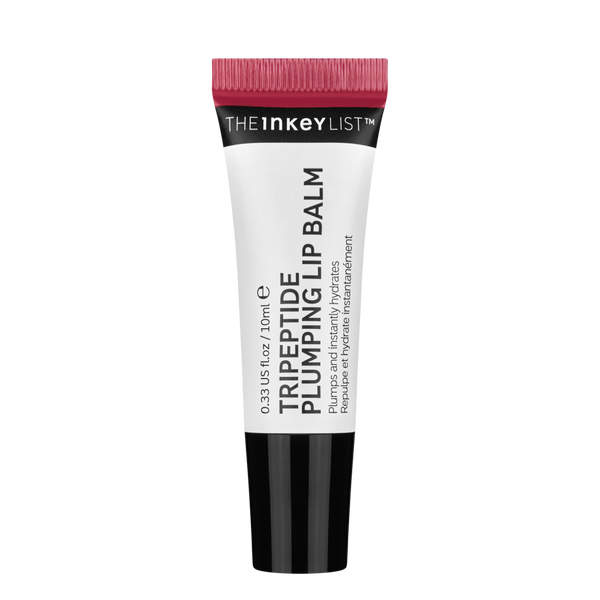
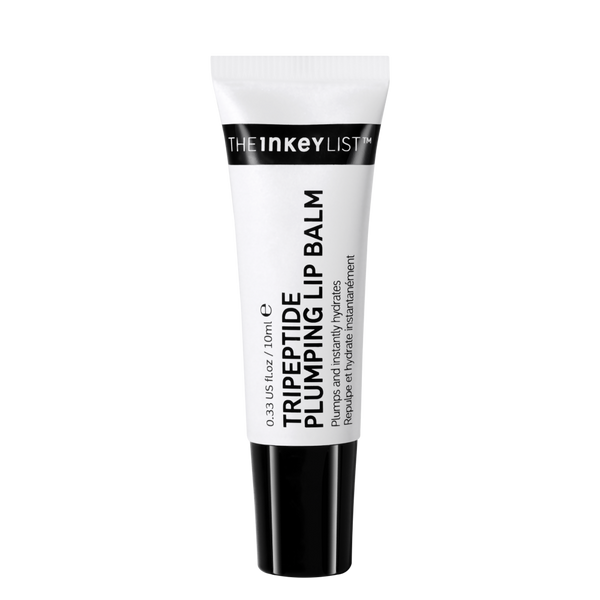
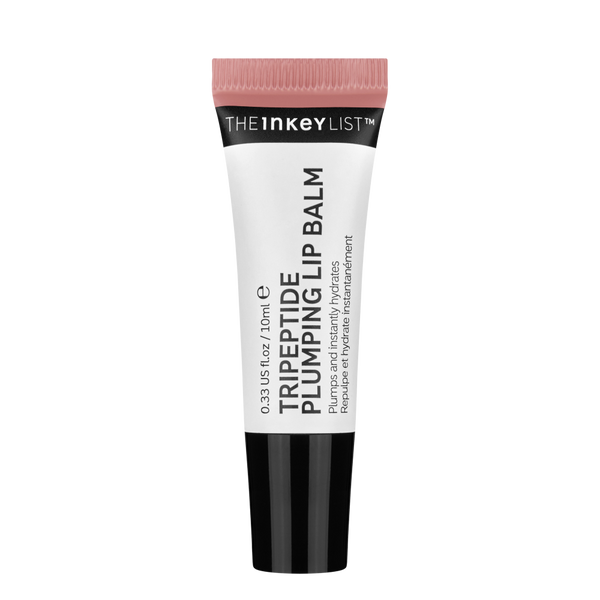
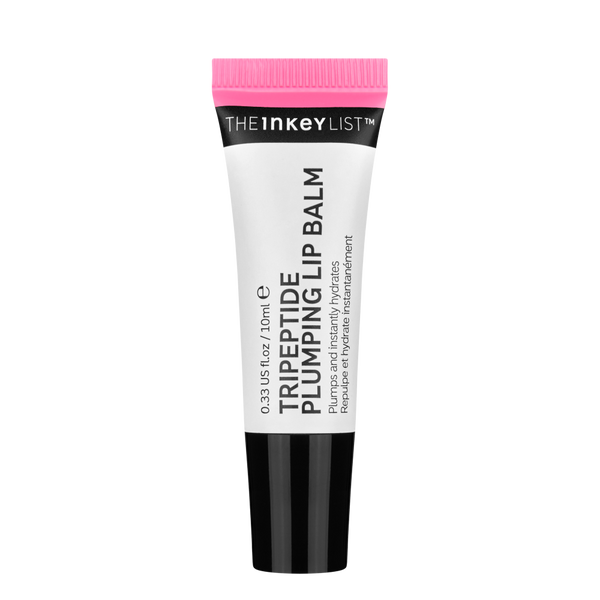
The simplest way to start is to make one dependable daily step a habit. Our Clear Tripeptide Plumping Lip Balm ($14) is designed to do exactly that: hydrate and seal lips without any tingle or irritation. If you want to compare formulas or build a fuller routine, browse the complete Lip Treatments collection. And for the bigger picture on keeping lips healthy long term, our complete lip care guide is the companion read to this article.
What Are Dry and Chapped Lips?
Before you can fix dry and chapped lips, it helps to understand what they actually are, because the biology explains why every piece of later advice works. Dry lips and chapped lips are not two separate problems. They are two points on the same line. Dry lips are the early stage: a simple lack of moisture that makes lips feel tight, look dull and develop a rough, flaky texture. Chapped lips are what dryness becomes when it is left unaddressed, the point at which the surface starts to crack, split, peel or feel genuinely sore. Understanding that progression matters, because catching dryness early is far easier than healing deep cracks later.
So why do lips dry out so much faster than the rest of your face? The answer is in their structure. According to the Cleveland Clinic, the skin on your lips is thinner and more sensitive than the skin elsewhere on your body, and crucially, your lips contain no oil glands of their own. The outer protective layer of skin, called the stratum corneum, is also much thinner on your lips than on your cheeks or forehead. Put simply, your lips are poorly equipped to hold on to moisture and have almost no built-in way to top it up.
That brings us to a term worth knowing in plain English: transepidermal water loss. It sounds technical, but it just describes water evaporating out through the surface of the skin into the air. Every part of your skin loses some moisture this way all the time. The problem for lips is that their thin, oil-free surface lets water escape far more easily than thicker, oilier facial skin does. There is no greasy barrier to slow the escape, so moisture leaves quickly and is not replaced. That single fact explains why lips feel tight within minutes of walking into cold wind or a heated room.
Once you understand that, good lip care stops being guesswork and becomes logical. Any effective approach has to do two jobs, and it has to do both:
- Hydrate: draw water into the surface of the lips using humectant ingredients. A humectant is simply an ingredient that attracts and holds water, and Hyaluronic Acid is one of the best known, because it can hold many times its own weight in water.
- Seal: lock that moisture in with nourishing butters and oils, so it cannot evaporate straight back out through that thin, gland-free surface.
Hydrating without sealing is like filling a bath with the plug out. Sealing without hydrating just traps lips in whatever dry state they were already in. You need both, working together, which is the principle every good balm should be built around. This is the single idea that pays off again and again throughout the rest of this guide.
It is also worth repeating the reassurance from the start, because it is backed by trusted medical sources. The NHSdescribes sore or dry lips as a common problem, especially in hot or cold weather, with plenty you can do yourself to help. In other words, dry and chapped lips are a normal, manageable part of life for most people, not a sign that something is wrong. For the full routine and the science behind it, our lip care guide goes deeper, but the essentials really are this straightforward.
Now that you know why lips are so vulnerable in the first place, it makes sense to look at exactly what pulls that precious moisture away.
What Causes Dry and Chapped Lips?
If you have ever wondered what causes chapped lips or asked yourself why are my lips so dry, the honest answer is that there is rarely a single villain. Dry lips causes tend to stack up: a bit of cold wind, a dry office, a habit of licking your lips, and a product that quietly irritates rather than helps. The more of these you can spot in your own day, the easier chapped lips become to fix. Here are the most common triggers, roughly in order of how often they appear, each with a plain explanation of the mechanism behind it.
- Licking your lips. This is the sneaky big one. It feels soothing for a second, but saliva evaporates quickly and takes surface moisture with it as it goes, leaving lips drier than before. Saliva also contains digestive enzymes that are not kind to delicate lip skin.
- Cold weather and wind. Cold air holds very little moisture, and wind physically strips it from exposed skin. Lips, with no oil layer to protect them, are first in line.
- Low humidity. Dry air pulls moisture out of the skin to balance itself. The lower the humidity, the faster your lips lose water.
- Central heating and air conditioning. Both dramatically reduce the humidity of indoor air, which is why lips can feel just as dry sitting at a warm desk in winter as they do outdoors in the cold.
- Sun exposure. UV exposure damages and dries the thin skin of the lips, and because lips have so little natural protection, they are especially sensitive to it.
- Whole-body dehydration. When your body is short on water, your skin and lips are among the first places it shows. This connects to the wider idea of dehydrated skin, where the skin is simply lacking water rather than oil.
- Harsh, fragranced or tingling lip products. This is the cause most people never suspect. Many lip products, and plumpers in particular, create their effect with menthol, cinnamon or capsicum. That tingle is not the product working. It is mild irritation, and over time it can inflame and worsen dryness rather than soothe it. The American Academy of Dermatology specifically advises avoiding irritating ingredients when lips are dry. A good balm does not need to sting to work. Our Clear Tripeptide Plumping Lip Balm contains no menthol, cinnamon or capsicum, so there is no tingle and no irritation.
- Over-exfoliating or picking at flakes. Scrubbing dry lips or pulling at peeling skin tears the surface, slows healing and keeps lips stuck in a raw, sore state.
- Mouth breathing and certain medications. Breathing through your mouth, often at night or with a blocked nose, dries the lips directly with a constant flow of air. Some medications also list dry lips or dry skin as a side effect.
You may also have come across the phrase “dry lips vitamin deficiency” while searching. It is worth being careful and honest here. Persistent dryness, or cracking specifically at the corners of the mouth, can occasionally relate to other health factors. The right move is not to self-diagnose, but to raise it with a doctor who can assess it properly. We cover exactly when to do that later in this guide, and we make no medical claims along the way.
The reassuring thread running through all of these causes is that nearly every one of them is fixable, and most are within your control. You cannot change the weather, but you can change the balm in your pocket, the habit of licking and the humidity of your bedroom. None of this is about fear. It is about recognizing the patterns so you can interrupt them.
Many readers will see themselves in several of those triggers at once, which leads neatly to the most frustrating pattern of all: lips that never seem to stay comfortable no matter what you try.
Why Are My Lips Always Dry?
If you find yourself asking why are my lips always dry, you are almost certainly caught in a cycle rather than facing anything permanent. The single most common reason lips stay dry is the lip-lick cycle, and once you see how it works, it becomes much easier to break. It goes like this: your lips feel dry, so you lick them for relief. For a moment they feel better. Then the saliva evaporates, taking even more moisture with it, so your lips feel even drier than before, so you lick them again. Round and round it goes, drying your lips a little more with every pass. The NHS is clear on this point: licking dry or cracked lips can make them sore.
So how do you stop licking your lips? You cannot simply tell yourself to stop, because the urge is a response to genuine discomfort. The trick is to remove the discomfort before the urge arrives. Keep a comforting balm within arm’s reach everywhere you spend time, and reapply it the moment you feel that familiar tightness, instead of reaching for your tongue. When your lips feel soft and sealed, the impulse to lick fades on its own. Our Clear Tripeptide Plumping Lip Balm is ideal for this because it comforts instantly and has no tingle, so there is no reason to second-guess reaching for it as often as you like.
The second big reason lips stay stuck in a dry state is barrier damage. Your lips, like the rest of your skin, have a protective barrier that keeps moisture in and irritants out. Repeated irritation wears that barrier down, and a damaged barrier cannot hold water properly, which keeps lips dry no matter how much balm you apply over the top. The usual culprits are the ones we have already met: stinging or tingling products, picking at flakes and over-exfoliating. Every time you irritate the barrier, you reset the healing clock. Protecting it, by being gentle and avoiding irritants, is what finally lets lips recover.
Now for the myth that trips up almost everyone.
Drinking more water is genuinely good for your overall hydration, but it will not fix dry lips on its own, because internal hydration and the lip barrier are two different things.
Here is why. Drinking water hydrates your body from the inside, which matters for your general health and your skin. But a glass of water does not travel neatly to the surface of your lips and stay there. The day-to-day comfort of your lips depends on their surface barrier and the air around them, which is why topical care makes the visible difference. This is the same principle behind dehydrated skin: internal hydration supports the whole system, but the surface still needs direct, topical help to hold on to moisture. Drink your water, absolutely. Just do not expect it to replace your balm.
The most important takeaway is this: lips that feel “always dry” are almost always a barrier-and-environment problem, not a permanent condition. They are responding to what is happening on their surface and in the air around them, and both of those are things you can change. With consistent, gentle care, the cycle breaks and lips settle into a comfortable, healthy state. Which brings us to the practical part: the step-by-step fix.
How to Fix Chapped Lips
When you want to know how to fix chapped lips or how to heal chapped lips, the method is reassuringly simple, and it follows directly from everything above. You are going to stop pulling moisture away, put moisture back, and lock it in, consistently, until the barrier recovers. Here is the sequence, in order.
- Support hydration from within. Drink water sensibly across the day. Think of this as helpful support for the whole system, not a cure for the lips themselves.
- Stop licking. This is non-negotiable, because licking actively undoes everything else. Reach for balm instead, every single time.
- Apply a gentle, barrier-friendly balm often. This is the engine of the whole routine. Choose a formula that hydrates and seals without irritating.
- Protect the barrier. Be gentle. No scrubbing, no picking, nothing that stings.
- Be cautious with exfoliation. If lips are already cracked or sore, do not exfoliate at all until they have calmed down.
The heart of all of this is choosing the right balm, and the right balm has to do both of the jobs we talked about earlier: hydrate and seal. A humectant like Hyaluronic Acid draws water into the surface, while nourishing butters and oils form a comforting layer that locks that moisture in. If a balm only seals, it traps dryness. If it only hydrates, the water evaporates away. You need the pair, working together.
This is exactly how our Clear Tripeptide Plumping Lip Balm ($14) is formulated. It pairs a 6% Tripeptide Complexwith 2% Ultra Filling Spheres that deliver Hyaluronic Acid, so your lips get both genuine surface hydration and a soft, protective seal in one simple step. The peptides in the Tripeptide Complex help support the look of fuller, smoother lips, which is why this balm doubles as a daily lip-care step and a plumper, rather than being a treatment you only reach for on special occasions. If you want to understand the ingredient science, our peptides collection explains more.
Crucially, there is no menthol, cinnamon or capsicum, so there is no tingle and no irritation. That matters enormously when your lips are already cracked, because the last thing a damaged barrier needs is a stinging ingredient telling you something is “working” while quietly making things worse. The American Academy of Dermatology and the Cleveland Clinic both advise avoiding menthol and similar irritants on chapped lips for exactly this reason. This balm comforts from the very first application instead.
The results are backed by testing. The balm is clinically proven to plump lips by up to 40% in 4 weeks*, with fine lines on the lips visibly smoothed in 2 weeks*, and in a consumer trial 95% felt it instantly nourished and hydrated the lips**. Lips look and appear plumper, fuller, smoother and more defined, with comfort you can feel straight away while the visible results build over the weeks.
Frequency is where most people fall short, so make this the habit that sticks. Apply at least three times a day, and reapply after eating, after drinking and after any time outdoors, since all three strip balm away. It layers happily under or over lip color, so it fits into any look without a fuss.
One last word of caution on exfoliation, because it is easy to get wrong. When lips are cracked or sore, do not scrub and do not pick at loose skin, as both tear the surface and slow healing. Only once your lips feel comfortable again should you gently smooth away any loose flakes, and even then use nothing harsher than a soft, damp cloth. Patience beats aggression every time.
If you want to see the full range side by side, the Lip Treatments collection gathers everything in one place. Fixing chapped lips is step one, but keeping them healthy is the longer game, so let us turn to prevention.
How to Prevent Dry and Chapped Lips
Knowing how to prevent chapped lips is really about turning the fix into a set of small, automatic habits so you never slide back into the dry cycle. Prevention is not more complicated than treatment. It is the same gentle care, simply made consistent. The Cleveland Clinic frames prevention as adding simple lip care to your daily routine, and that is exactly the mindset to adopt.
Start with daily rhythm. Apply balm in the morning, again at night, and once in the middle of the day, then reapply after meals and drinks. The single most effective trick is availability: keep one balm by your bed and one in your bag, so you genuinely never have an excuse to skip. The NHS and Cleveland Clinic both recommend keeping balm within easy reach precisely because convenience is what makes the habit stick.
Next, protect the barrier you worked so hard to repair. That means breaking the lip-lick habit for good and leaving flakes well alone. Every lick and every pick is a small step backwards, and prevention is about removing those small steps entirely.
It also helps to stop thinking of lip care as a winter-only task. Lips dry out all year round. Summer sun, air conditioning and heated indoor air each pull moisture from your lips just as effectively as a cold January wind. When you are spending time outdoors, pair your lip care with sensible sun protection for your skin, since UV exposure is a year-round contributor to dryness. Lip care works best as a constant, not a seasonal rescue mission.
Here is a simple habit checklist to keep lips comfortable all year:
- Apply balm morning, midday and night, without fail.
- Reapply after every meal, drink and stint outdoors.
- Keep one balm by the bed and one in your bag.
- Resist licking your lips and never pick at flakes.
- Choose gentle formulas with no tingle, fragrance or harsh ingredients.
- Treat lip care as a year-round habit, not just a winter one.
That point about gentle formulas deserves emphasis, because the wrong product can undo all your good habits. Avoid anything that tingles, stings or is heavily fragranced, as these irritate the barrier and keep lips reactive. A quiet, comforting balm that simply hydrates and seals is what keeps lips healthy day after day. Our Clear Tripeptide Plumping Lip Balm was made to be exactly that kind of dependable daily companion.
Finally, be patient and trust the process. Comfort is immediate, but the visible results, smoother texture and a plumper, fuller look, build with daily use over roughly two to four weeks. Consistency genuinely is the secret here. There is no dramatic overnight fix, but there is a reliable, repeatable routine that works. For the complete routine from cleanse to care, the lip care guide lays it all out.
With your habits in place, it helps to know precisely which products support healthy lips and the delicate skin around them.
Our Best Products for Dry and Chapped Lips
You do not need a cabinet full of products to beat dry and chapped lips. You need a small number of well-chosen ones used consistently. Here is the lineup we would recommend, starting with the hero and followed by a few supporting players for the lips and the skin around the mouth.
The star, and your single most important daily step, is our Clear Tripeptide Plumping Lip Balm ($14). It delivers the dual hydrate-and-seal action your lips need in one step, combining a 6% Tripeptide Complex with 2% Ultra Filling Spheres delivering Hyaluronic Acid. There is no menthol, cinnamon or capsicum, so it never tingles or irritates. It is vegan, certified by The Vegan Society, and it is safe to use during pregnancy and breastfeeding. Apply it at least three times a day for best results. It is clinically proven to plump lips by up to 40% in 4 weeks*, to visibly smooth fine lines on the lips in 2 weeks*, and 95% felt it instantly nourished and hydrated the lips**. If you are curious about the plumping science specifically, our guide to how to plump your lips without fillers explains how peptides help support the look of fuller lips. Please note this balm does not contain SPF.
The supporting cast earns its place by caring for the skin around your lips, which often shows dryness too:
- Our Hyaluronic Acid Serum ($13): delivers deep, lasting hydration to the skin around the mouth and across the rest of your face. Apply it to damp skin so it has water to draw in and hold.
- Our Bio-Active Ceramide Moisturizer ($22): strengthens and supports the skin barrier around the mouth, which is helpful for both dryness and early fine lines in that area.
- Our Oat Cleansing Balm ($17): a gentle, non-stripping cleanse so the delicate skin around your lips is never left tight, raw or irritated after washing.
Notice the thread tying these together: every one is gentle, every one supports hydration or the barrier, and none relies on harsh or irritating ingredients. That is the whole philosophy, educate first, then recommend only what genuinely earns its place. To explore the full range in one place, visit the Lip Treatments collection.
Products handle the overwhelming majority of cases, but it is only responsible to be clear about the small number of situations that call for a professional eye.
When to See a Professional About Chapped Lips
Most dry and chapped lips are simple to manage at home, and this section is specifically about the minority of cases where it is sensible to get a professional opinion. There is nothing alarming about any of this. It is simply about knowing where home care ends and a quick chat with a doctor begins.
Consider getting your lips checked if you notice any of the following:
- Persistent cracking or dryness that does not improve despite several weeks of consistent, gentle care.
- Sore or cracked corners of the mouth that keep returning.
- Ongoing peeling, pain, or any signs of infection such as heat, swelling or weeping.
That point about the corners of the mouth deserves a little extra attention, because it is a common and often misunderstood search. Cracking specifically at the corners of the mouth has its own name and its own set of possible causes, which the Cleveland Clinic explains in its page on angular cheilitis. It can relate to factors beyond ordinary dryness, and because of that, it is genuinely worth having a professional take a look rather than treating it like standard chapped lips. The broader Cleveland Clinic guidance on chapped lips notes that persistent or severe cases can occasionally point to an underlying issue worth investigating.
You may have searched “dry lips vitamin deficiency” and wondered whether your lips are trying to tell you something. The honest, responsible answer is this: stubborn dryness and cracked corners can sometimes relate to other health factors, but that is a conversation to have with your doctor, who can properly assess what is going on. We will not name conditions or make a diagnosis here, because that is not our place and it would not serve you well. What we can say is that a doctor is exactly the right person to ask, and raising it with them is a completely reasonable thing to do.
The NHS advises seeing a doctor if your lips become hot, painful and swollen, as that can be a sign of infection. Keep all of this in proportion, though. The vast majority of dry and chapped lips never need any of this. They simply need the right balm, used consistently, and a little patience. This section exists only so you know the signposts, not because you are likely to need them.
With the full picture in place, here is where to go next for deeper reading.
Explore More Lip Care
If this guide has helped, these related reads go further on the topics it touched, each chosen because it genuinely adds to what you have just learned:
- The complete lip care guide: the full pillar reference covering everything about keeping lips healthy, from routine to ingredients, in one place.
- How to Plump Your Lips Without Fillers: the deeper dive into the plumping science behind the Tripeptide Complex, for anyone curious about how peptides help support fuller-looking lips.
- What is Hyaluronic Acid?: everything you need to know about the hero humectant that draws water into your skin and lips.
- What is Dehydrated Skin?: the companion read on internal versus surface hydration and why your barrier matters so much.
- Lip Treatments collection: browse the full range to find the right products for your routine.
The Simple Takeaway for Comfortable, Healthy Lips
Dry and chapped lips are common, almost always caused by everyday habits and the environment, and highly responsive to consistent, gentle care precisely because lip skin reacts so quickly. The formula is genuinely simple: hydrate, seal, protect and apply often, at least three times a day. Comfort arrives immediately, while the visible results, smoother texture and a fuller, more defined look, build over roughly two to four weeks. You do not need a cabinet full of products. You need the right ones, used consistently.
The easiest place to begin is one dependable daily step. Start with our Clear Tripeptide Plumping Lip Balm ($14) as your everyday lip-care habit, browse the full Lip Treatments collection to build out your routine, and read the complete lip care guide for the bigger picture. Clear guidance, proven ingredients, real results - healthier, more comfortable lips start with one simple daily step.
\4-week independent clinical study of 20 people under dermatological control. **4-week independent consumer trial of 20 people under dermatological control.*
Frequently Asked Questions
Got a question?
Our askINKEY team are a friendly bunch of skincare experts with deep product knowledge and zero judgement. Whether you're an ingredient obsessive or just starting out, we'll make it make sense. No question too big. No question too small. We Give A Care, Every Day.


