

Lip Balm vs Lip Oil: What’s the Difference?
Lip balm or lip oil? Learn how they differ, which suits dry or chapped lips, and how to choose the right one for you.
Author
askINKEY skincare advisor
Published
27 October, 2026
Time to read
16 minutes
If you have ever stood in front of a shelf wondering about lip balm vs lip oil, you are not alone. They look similar, they promise similar things, and they both end up on your lips, yet they do genuinely different jobs. This article exists to clear that up in plain English, so you leave knowing exactly which one your lips actually need.
Here is what we will cover, no padding. We will define what a lip balm is and what a lip oil is. We will explain how they differ in texture, finish and the actual job they do. We will answer the question most people are really asking, which is better for dry or chapped lips. We will look at whether you can layer them, whether they work under lipstick, and finally how to choose the right one for you.
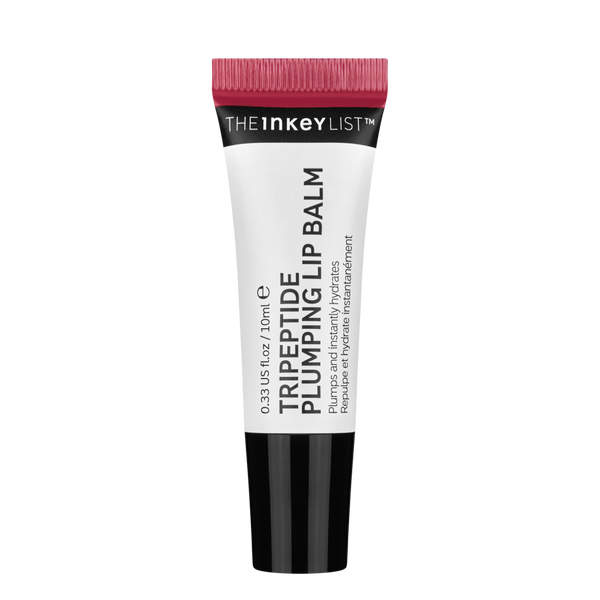
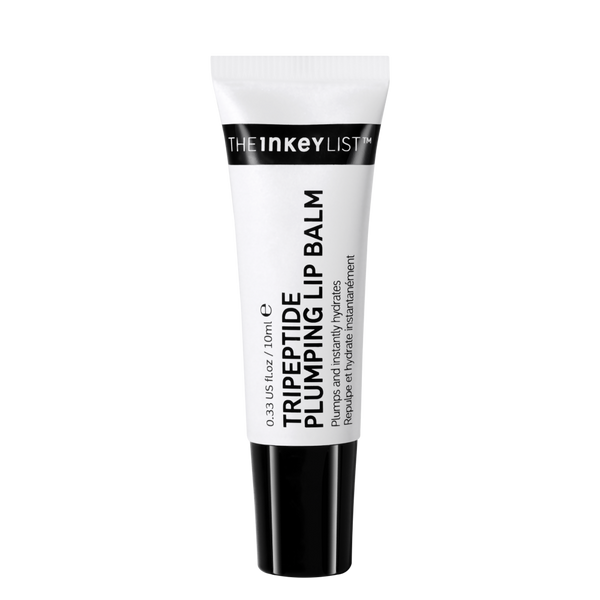
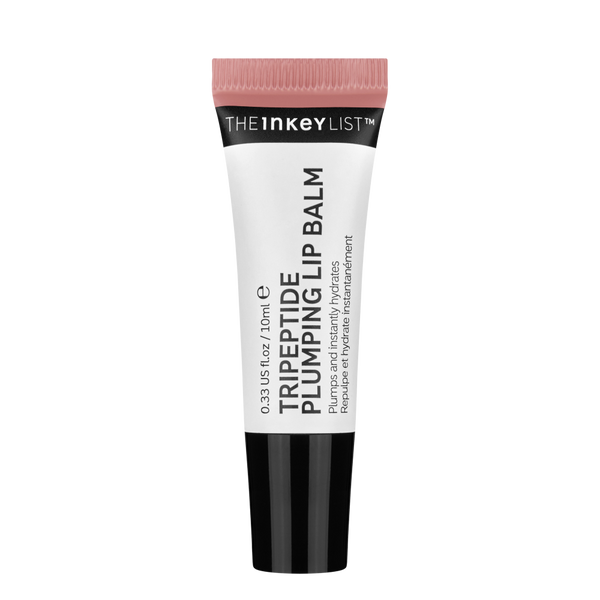
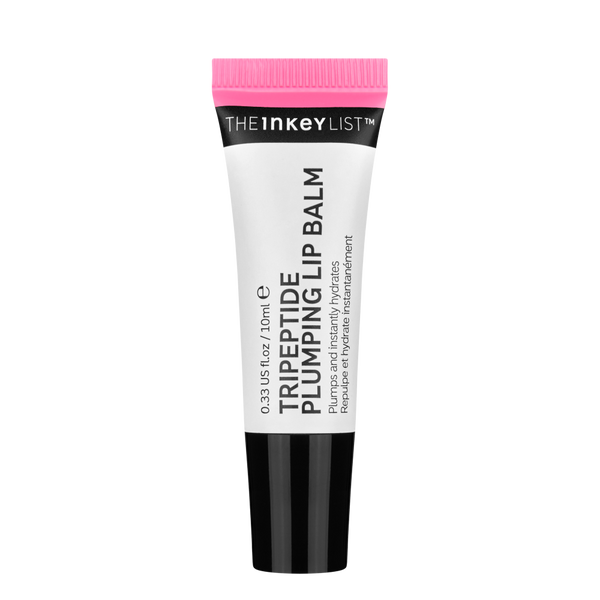
A quick note on honesty, because it matters. We will explain both products fairly, without talking either one down. We do not sell a standalone lip oil, so we have no reason to push one over the other for the sake of it. We do make a clear, science-backed lip balm, and we will point to it where it is genuinely relevant, so you know our angle from the start. The balm we will refer to throughout is our clear Tripeptide Plumping Lip Balm ($14). If you would rather skip straight to the shelf, you can browse our full range of lip treatments at any point.
Alright, let us get the short version out of the way first, so anyone in a hurry gets a clear answer before the deep dive.
Lip balm vs lip oil at a glance
If you only read one section, make it this one. A lip balm is usually a thicker, waxier product built to seal and protect your lips. A lip oil is a lighter, more fluid product built to soften them and add a glossy sheen. That single sentence covers most of what separates the two.
Both can hydrate, but they go about it in different ways and they leave a different finish behind. A balm sits on the surface, forming a comfortable, cushioned layer that holds moisture in and shields against the daily drying your lips face. A lip oil glides on, sinks in a little, smooths the surface and leaves a shine. One is more about protection and staying power, the other is more about weightless feel and gloss.
So when you weigh up lip oil vs lip balm, think about the practical outcomes you actually care about:
- A balm tends to last longer on the lips and shield better against moisture loss.
- A lip oil tends to feel lighter, look glossier, and work nicely as a care-plus-shine step.
- A balm is usually the stronger pick when lips are genuinely dry or chapped.
- A lip oil is a lovely everyday option when lips are only mildly dry and you want shine.
Throughout the rest of this piece we will use a simple three-part framework to compare them properly: texture, finish, and the job they do. That last one is where the real science lives, and we will explain it with three plain words later on, humectants, emollients and occlusives, without the jargon headache. If you want a single home base for everything lip related, our lip care hub is where all of this connects.
Now that the quick answer is settled, let us define each product properly, starting with the lip balm.
What is a lip balm?
A lip balm is a thicker, usually wax or butter based product designed to coat your lips, lock in moisture and shield them from daily moisture loss. If you picture the texture, it is the cushioned, slightly waxy one. It does not pour or drip. It sits, it coats, and it stays put for a while. That staying power is the whole point of a balm, and it comes directly from how it is built.
To understand why lips need this kind of help, it is worth knowing one quick fact about lip skin. The skin on your lips is thin, and it has very few of the oil glands that the rest of your face relies on to keep itself supple. Fewer oil glands means less natural protection, which means lips lose water faster and chap more easily than almost anywhere else on the body. This water loss has a name, transepidermal water loss, and we have written a full plain-English explainer on it in What Is TEWL (Transepidermal Water Loss)? if you want to go deeper. The short version is simple. Your lips are leaky by design, and a balm helps plug the leak.
The ingredients inside a typical balm are chosen to do exactly that. You will usually find butters and waxes, which work as emollients and occlusives. In everyday terms, emollients soften and smooth, while occlusives form a protective layer on top that slows water escaping. Better formulas also add a humectant, which pulls water into the lips rather than just sealing what is already there. We will unpack those three words properly in the next section, but for now, just know that a good balm is doing more than one thing at once.
The finish of a balm is worth setting expectations on too. Rather than a mirror-like high shine, a balm usually gives a natural sheen or a soft gloss, along with that cushioned, comfortable feel. It is the difference between lips that look cared for and lips that look wet. Neither is better, it simply depends on the look you are after.
What a lip balm does
Here is the job list, boiled down:
- Seals in moisture so your lips do not dry out through the day.
- Softens flakes and smooths rough, uneven texture.
- Creates a protective layer against wind, cold and general daily wear.
- Helps lips feel comfortable for longer, so you reach for it less often.
Some balms are built to do a little more than hydrate. Our clear balm, for example, also supports lip volume over time using peptides, without any of the sting or tingle people sometimes expect. That is a nice bonus rather than the headline, and we are flagging it in one line precisely because we do not want to oversell it.
Who a lip balm suits
A balm is the natural choice if your lips are dry, chapped, flaky or exposed to the elements. Cold weather, wind, central heating and long days outside all pull moisture out of your lips, and a sealing balm is the most direct way to push back. It is also the better pick for anyone who simply wants longer lasting comfort without reapplying constantly.
Sensitive lips are well catered for too, as long as the formula is gentle and fragrance-free. Fragrance is one of the more common triggers for irritation on delicate lip skin, so a clean, fragrance-free balm is usually the safest bet when your lips are already stressed.
With the balm clearly defined, it is only fair to give the lip oil exactly the same honest, careful treatment.
What is a lip oil?
A lip oil is a lightweight, fluid, oil based product, usually applied with a doe-foot or small brush, designed to soften your lips and add a glossy, non-sticky shine. Where a balm feels cushioned and waxy, an oil feels slippy and light. It is the kind of product you can swipe on without thinking, and it tends to disappear into the lips far more than it sits on top of them.
So what does lip oil do, exactly? Mechanically, it works mostly through emollients, which are the nourishing oils that smooth and condition the surface of the lips. That gives you that instantly softer, more conditioned feel and a glossy look, all with a much lighter, more cosmetic finish than a balm. Many people genuinely enjoy a lip oil as the step that makes their lips feel pampered without feeling coated.
It is worth being honest about hydration, because this is where a lot of marketing gets vague. A lip oil can absolutely soften your lips and give them a temporarily conditioned, healthier look, which is why it comes up so often in searches around lip oil for hydration. But oils on their own do not pull water into the skin the way humectants do, and they do not seal as firmly as the heavier occlusives in a balm. So an oil conditions and smooths beautifully, yet it is not the heavy-duty moisture tool that a balm is. That is not a criticism, it is just what an oil is built for.
The finish is where a lip oil really earns its place. You typically get a high-shine, glossy, almost tint-like look, which is exactly why so many people treat a lip oil as a hybrid of skincare and makeup. It cares for the lips a little and dresses them up at the same time, in a single swipe. For a lot of people, that two-in-one appeal is the entire reason they love it.
What a lip oil does
The honest job list for a lip oil looks like this:
- Smooths and conditions the surface of the lips.
- Adds a glossy, fresh-looking shine.
- Delivers a lightweight, non-waxy feel that never feels heavy.
- Leaves a subtle tint, depending on the specific product.
There is one practical limit worth stating plainly. Because the texture is so light, a lip oil tends to wear off faster than a balm and shields less against moisture loss. You will reapply more often, and on a windy winter day it will not protect the way a sealing balm does. Good to know, not a dealbreaker.
Who a lip oil suits
A lip oil is ideal if your main priority is a glossy finish, a weightless feel, or a care-plus-shine step you can wear every day. If you like the idea of one product that conditions and adds shine in a single move, an oil fits naturally into that routine.
It also suits mildly dry lips that mainly need a bit of softening rather than serious sealing. If your lips are comfortable most of the time and you just want them to look and feel a little better, an oil does that job happily.
You will have noticed both products keep circling back to the same handful of ingredient roles. Those roles, the emollients, occlusives and humectants, are the real key to the whole lip balm vs lip oil question, so let us break them down properly now.
The key differences: texture, finish, and the job they do
This is the section that ties everything together. Once you understand the three jobs these ingredients do, the entire lip balm vs lip oil debate stops being confusing and starts making obvious sense. We will take it through our three lenses in order: texture, finish, then the job.
Texture is the most immediate difference, and the one you feel the second you apply either product. A balm is thicker, waxier and more cushioned. It has body to it, which is why it stays where you put it and keeps working for longer. A lip oil is thinner, more fluid and essentially weightless. It spreads easily and sinks in, which feels lovely but also means it has less substance holding it in place. Neither texture is better in the abstract. A thick balm is brilliant protection and slightly less invisible, while a light oil is barely-there comfort with less staying power.
Finish is the next clear split. A balm gives a soft, natural sheen and a protective cushion, the look of lips that have been looked after. A lip oil gives a higher gloss, a wetter, shinier look that reads a little more like makeup. This is purely a matter of personal taste. Finish is a preference, not a measure of quality, so do not let anyone tell you glossy means better or natural means better. It only means different.
Now for the job, which is where the real science sits. There are three ingredient roles that matter in any lip product, and the whole thing makes sense once you know them. We will keep this genuinely simple.
- Humectants pull water into the lips. Think of them as little magnets for moisture. Hyaluronic acid and glycerin are classic examples.
- Emollients soften and smooth the surface of the lips. Most nourishing oils and butters fall into this group.
- Occlusives form a seal on top of the lips to slow moisture from escaping. Waxes and heavier butters do this.
Here is the part that actually answers the lip oil vs lip balm question. A lip oil leans heavily on emollients. It softens and smooths and shines, which emollients do extremely well, but it is light on the sealing and water-attracting side. A lip balm usually combines emollients and occlusives, so it both softens and seals, and the best balms add a humectant too. That three-part combination is precisely why a balm tends to protect for longer. It is not just coating the surface, it is drawing in water and then locking it in.
If you want the dermatology-level backing, the roles of emollients and occlusives in protecting skin are well established, and resources like DermNet explain how these ingredient types work to soften and seal. The specific vulnerability of lips is backed up by research too. A peer-reviewed study on lip transepidermal water loss found that the lip barrier loses water readily, which is exactly why sealing and softening matter so much on this particular patch of skin. Thin skin, very few oil glands, high moisture loss, that is the lip situation in a nutshell, and it is why a sealing occlusive layer is doing real work rather than just sitting there.
To make the humectant idea concrete, think about how hyaluronic acid behaves. It is famous for holding many times its weight in water, which is why it appears in so much skincare, including our own Hyaluronic Acid Serum ($13). That same water-attracting principle is what a humectant brings to a lip product. It is the magnet, the oils are the smoother, and the waxes are the lid on the jar.
One restrained note on our own formula, because it illustrates the point well. Our clear balm pairs emollient butters and a sealing base with hyaluronic acid, which is a humectant, so it covers all three jobs in a single step. We are mentioning it here not to sell it, but because it is a clean example of a balm that ticks every box in this framework rather than just one.
With the framework in place, we can finally tackle the question most people type into a search bar, which product is better when lips are actually dry or chapped.
Which is better for dry or chapped lips?
Let us give the honest verdict first, then explain it. For genuinely dry, chapped or flaky lips, a balm usually wins. Its occlusive seal slows moisture loss and protects the surface while your lips recover, and that protective function is exactly what distressed lips need most.
The reasoning follows straight from the science in the last section. When lips are chapped, the surface is compromised and water is escaping through it faster than usual. In that situation, the most useful things a product can do are seal that surface and soften the rough patches. Sealing and softening are the balm’s core strengths, thanks to those occlusives and emollients working together. A light oil simply does not form the same protective layer, so while it feels nice, it does not hold moisture in the way chapped lips are crying out for.
That said, we are not here to talk the lip oil down. A lip oil can genuinely help mildly dry lips feel softer and look more conditioned, and it can be a lovely daytime step when your lips are basically fine and just want a little attention. The only honest caveat is that it is lighter on protection, so it is the wrong tool for a serious chapping situation. Right product, wrong job.
If you are shopping for a balm to tackle dryness, here is one practical tip worth remembering. Look for a balm that also contains a humectant like hyaluronic acid. That way you are not just coating the lips, you are drawing water in and then sealing it underneath the protective layer. A balm that does both is meaningfully more effective at restoring comfort than one that only seals.
One important steer before we move on. If your real goal is not comfort but fuller looking lips, then this comparison is slightly beside the point, and we would rather send you to the right place than pretend a hydration guide answers a volume question. Our guide on how to plump your lips without fillers covers that properly. And if you want to understand the moisture-loss mechanics behind chapping in more detail, our What Is TEWL (Transepidermal Water Loss)? explainer is the natural next read.
None of this is meant to scare you about your lips. Chapping is extremely common and almost always easy to manage with the right product. The point is simply to match the product to the problem.
Which leads neatly to a question we get all the time. If a balm protects and an oil adds shine, why not just use both?
Can you use a lip balm and lip oil together?
Short answer, yes, you can absolutely layer them, and done thoughtfully it can be a smart combination that gives you the best of both. Protection from the balm, shine from the oil, no need to pick a side. The only thing worth getting right is the order, and that depends on what you want out of the result.
There are two sensible approaches. If protection is your priority, apply the balm first to seal and soften, then add a lip oil on top purely for shine. The balm does the hydrating heavy lifting underneath, and the oil sits on top as the glossy finishing touch. Alternatively, if you want extra sealing over an already conditioned base, you can go oil first and then balm on top, so the balm locks the oil’s nourishment in. Most people find balm-first, oil-on-top the easier and more reliable combination, but now you know the logic, you can choose based on your own lips.
Since so many people search for how to use lip oil specifically, here is the practical guidance in a few clear steps:
- Apply a thin layer. A little goes a long way with an oil, and more does not mean better.
- Let it settle for a few seconds before you do anything else, so it does not transfer straight onto a cup or your teeth.
- Reapply through the day as it wears off, because the light texture means it will not last as long as a balm.
- Do not expect an oil on its own to fix badly chapped lips. That is a job for a balm, or a balm-and-oil combination.
A small, non-alarming caution on layering. The more you pile on, the heavier your lips will feel and the more product will transfer onto cups, glasses and other people. So adjust the amount to taste. If it feels like too much, it probably is, and you can simply use less next time.
On the practical side, a smooth, non-sticky base layer makes layering far more pleasant, which is one reason our clear balm works well as the first step. It sits comfortably under other products without feeling gummy or sliding around, so an oil goes on cleanly over the top. If you want to build a full routine around steps like this, our lip care hub is the place that ties it all together.
Layering sorted, there is one more practical question that stops a lot of people before they commit, and that is how these products behave when makeup enters the picture.
Can you wear them under lipstick?
This one has a clear and useful rule of thumb, so let us lead with it: balm to prep underneath, oil to add shine on top. Get that straight and you will rarely go wrong. Now let us explain why, product by product.
A lip balm can work beautifully under lipstick, with one condition. A thin layer of a smooth, non-sticky balm preps and smooths the lips, filling in dry patches so color goes on more evenly and comfortably. The condition is that it genuinely needs to be thin and non-greasy. A heavy or oily balm leaves too much slip on the lips, and that causes lipstick to slide, bleed or wear off unevenly. So the trick is to go light, then let the balm absorb for a minute or two before you apply color. Prepped, not slippery, is the goal.
A lip oil is a different story under lipstick, and the reason is right there in the name. Oils are glossier and far more slippery than a balm, so a layer underneath color tends to shorten how long that color lasts and can make it travel. That does not make a lip oil useless around makeup, it just means its best role is on top rather than underneath. Worn over lipstick, an oil gives you a lovely glossy top coat and a fresh, conditioned look. Worn on its own, it is a gorgeous low-effort option. Worn under lipstick, it tends to undermine the thing you just applied.
So to restate the rule clearly: use a thin, non-sticky balm to prep the lips before color, and save the lip oil for a glossy finish over the top or for wearing alone. That single distinction solves most of the makeup confusion around these two products.
Our clear balm fits the prep role neatly because it is smooth and non-sticky, which makes it a comfortable base before lip color without leaving your lips too slippery for the color to grip. One light layer, a short wait, then your lip color, and you are set. If you want to get the sequencing right across your whole face rather than just your lips, our guide on how to prep skin before makeup, including order, wait times and what to skip is a genuinely useful read.
A realistic word on expectations, because we would rather be straight with you. No balm or oil will make lipstick last all day through meals and drinks, and anyone promising that is overselling. What the right base does is help color apply more smoothly and sit more comfortably, which is a worthwhile improvement on its own.
With the practical questions answered, let us pull everything together and help you actually decide.
How to choose the right one for you
After all that detail, the decision itself is refreshingly simple. Choose a balm if your priority is protection, longer-lasting comfort and relief for dry or chapped lips. Consider a lip oil if your priority is a lightweight glossy finish and your lips are only mildly dry to begin with. That is the entire fork in the road, and most people already know which side they fall on by this point.
There is a reason a balm is the more versatile everyday pick for the majority of people, though, and it comes back to the three jobs. A lip oil does one of them very well, softening. A well-formulated balm that includes a humectant does all three at once, pulling in water, softening the surface and sealing it all in. That means a single product handles hydration, softening and protection in one step, which is hard to beat for daily use. A lip oil is a lovely addition to that, but it is rarely a full replacement for it.
Having been even-handed the whole way through, here is our pick, stated plainly. Our clear Tripeptide Plumping Lip Balm ($14) combines emollient butters, a sealing base and hyaluronic acid, which is a humectant, so it covers all three jobs in one step. It is smooth and non-sticky, fragrance-free, and it works alone or under lip color. The peptides also support lip volume gently over time, which is a bonus rather than the main event. We are confident recommending it not because it is ours, but because it is a clean example of the balanced, three-job balm this whole article points toward.
Because it is clear rather than tinted, it suits everyone, works for any skin tone, and layers easily under or over other products, which ties back to everything we covered on layering and makeup prep. It is the kind of versatile core product you can build a routine around rather than a one-trick item.
Of course, your lips, your call. If you want to explore more options, our full range of lip treatments is there to browse, and our lip care hub gathers all our lip knowledge in one place so you can keep learning at your own pace. The point of this whole lip balm vs lip oil comparison was never to funnel you into a single product, it was to help you understand the difference well enough to choose with confidence.
The bottom line on lip balm vs lip oil
Here is the whole article in two lines. A lip balm seals and protects, a lip oil softens and shines, and for most people most of the time, the best everyday choice is a balm that also hydrates. Everything else is detail around that central difference.
We compared both products fairly and honestly, praising the oil for what it genuinely does well and being straight about where a balm has the edge, because clarity you can actually trust is the entire point. We would rather you understood the difference and chose well than felt pushed toward anything. That is what good guidance looks like, and it is how we like to do things.
So if you want comfort, protection and everyday versatility in one dependable, affordable step, our clear lip balm is a reliable place to start. It covers all three ingredient jobs, it is gentle enough for sensitive lips, and it slots into any routine you already have.
Ready to look after your lips?
If you are ready to put all this into practice, try our clear Tripeptide Plumping Lip Balm ($14) for smooth, comfortable, protected lips in a single step. It is the versatile, science-backed pick this whole comparison has been building toward.
Prefer to explore first? Browse all our lip treatments to compare your options, or dig deeper on our lip care hub, where we break down the how and the why behind healthy, comfortable lips. However you like to shop, keep asking the questions, because the more you understand your skin and lips, the better every choice you make becomes.
Frequently Asked Questions
Got a question?
Our askINKEY team are a friendly bunch of skincare experts with deep product knowledge and zero judgement. Whether you're an ingredient obsessive or just starting out, we'll make it make sense. No question too big. No question too small. We Give A Care, Every Day.


