


How to Get Rid of Blackheads on Your Nose
Everything you need to know about nose blackheads: why they form, how to spot a true blackhead vs. a sebaceous filament, and the ingredient-led routine that works.
Author
askINKEY skincare advisor
Published
03 June, 2026
Time to read
14 minutes
If you’re trying to get rid of blackheads on your nose, you’ve probably already tried a few things that didn’t work - maybe a pore strip, maybe scrubbing a little harder than you should have. A blackhead is simply oxidized sebum and dead skin cells trapped inside a pore. It’s not dirt, it’s not poor hygiene, and it’s not a sign you’re doing something wrong. It’s biology.
The nose is the most common trouble spot for blackheads, and there’s a clear, physical reason why: pore size and oil gland density. This isn’t a flaw unique to your skin - it’s simply where your skin is built to produce the most oil.
This article will walk through exactly why blackheads cluster on the nose, which ingredients are actually backed by evidence to clear them, a step-by-step routine you can start today, the common mistakes that quietly make things worse, and the specific questions people ask most about nose blackheads - including how sebaceous filaments fit into the picture. No scare tactics, no miracle claims. Just a clear plan.
Before jumping into products or routines, it helps to understand what’s actually happening beneath the surface. So let’s start there - with the nose itself, and why it seems to attract more blackheads than almost anywhere else on the face.
Why Does Your Nose Get So Many Blackheads?
Skin isn’t uniform. Some areas produce far more oil than others, and the nose sits at the center of what dermatologists call the T-zone - the forehead, nose and chin - where sebaceous gland density is at its highest. More oil glands packed into a smaller area means more sebum production, and more sebum means a higher likelihood of that oil mixing with dead skin cells and becoming trapped inside a pore.
The nose also tends to have larger, more visible pores compared to areas like the cheeks or jawline. This matters because blackheads aren’t actually black - they’re a pore filled with oxidized sebum and dead skin that darkens when it comes into contact with air. On an area with smaller pores, this same process might be virtually invisible. On the nose, where pores are naturally wider, the result is more noticeable and harder to ignore in a mirror.
It’s worth repeating, because it’s one of the most misunderstood facts in skincare: blackheads are not dirt. The dark appearance comes from a chemical process called oxidation, not from grime sitting on the surface of your skin. This is exactly why scrubbing harder doesn’t solve the problem - you’re not washing away dirt, you’re dealing with a plug that’s already formed inside the pore.
A few factors tend to make this process worse for some people:
- Excess oil production - naturally oilier skin types are more prone to pore congestion.
- Dead skin cell buildup - when skin doesn’t shed properly, those cells mix with oil and get trapped.
- Hormonal fluctuations - shifts in hormones (during puberty, menstrual cycles, or stress) can temporarily increase oil output.
- Touching your face - transferring oil, product residue, and bacteria from hands to skin throughout the day.
It’s also worth introducing a concept that often gets confused with blackheads: sebaceous filaments. These are naturally occurring, hair-like structures that line pores and help channel oil to the skin’s surface - they’re a normal part of skin anatomy, not a problem to fix. We’ll unpack the difference between sebaceous filaments and true blackheads in more detail later in this article, because it’s one of the most searched - and most misunderstood - skincare questions out there.
If you want a deeper, more technical breakdown of how pores become congested in the first place, this guide on what causes clogged pores covers the mechanics in more depth. And if oil production feels like your core issue, it’s also worth understanding what oily skin actually is and how it relates to pore congestion more broadly. For a foundational overview, INKEY’s own pillar page on what blackheads are is a useful starting point if you want the full picture before diving into solutions.
Understanding why blackheads form on the nose is the first half of the equation. The second half - and the part most people skip straight to without the context - is knowing which ingredients are actually proven to treat them.
The Science-Backed Ingredients That Actually Clear Blackheads
Skincare aisles are full of products that promise to “banish” or “eliminate” blackheads overnight. Most of them can’t deliver on that promise, because clearing congested pores is a gradual, ingredient-driven process - not a one-time fix. The good news is that the ingredients that do work are well understood, well studied, and not complicated to use correctly.
Salicylic acid (BHA) is the standout ingredient for blackheads specifically because of its chemistry. Unlike most exfoliating acids, salicylic acid is oil-soluble, which means it can actually penetrate into the pore lining itself rather than just sitting on the surface of the skin. This allows it to dissolve the buildup of oil and dead skin cells that causes blackheads in the first place, rather than just polishing the top layer of skin. For a closer look at exactly how this works, this breakdown of salicylic acid for blackheads explains the mechanism in more detail, and INKEY’s salicylic acid pillar page covers the ingredient more broadly.
Glycolic acid (AHA), by contrast, works primarily on the surface of the skin. As the smallest AHA molecule, it exfoliates dead skin cells sitting on top of the skin, helping prevent them from mixing with oil and clogging pores in the future. Where salicylic acid treats what’s already inside the pore, glycolic acid helps prevent new congestion from forming. Together, they address the problem from two different angles. You can read more on what glycolic acid is and how it functions as part of a broader exfoliation routine.
Niacinamide plays a different but equally important role. Rather than exfoliating, it helps regulate oil production at the source and has been shown to visibly minimize the appearance of pores over time with consistent use. This makes it a strong complementary ingredient rather than a direct treatment - it supports the environment that makes blackheads less likely to form in the first place. INKEY’s niacinamide pillar page covers the basics, while this deeper dive into niacinamide for pores explains what the ingredient can realistically achieve - and what it can’t.
Finally, retinoids deserve a brief mention. These support skin cell turnover, which helps reduce the kind of surface buildup that leads to congestion over time. They’re not typically the first-line ingredient for blackheads specifically, but they’re worth understanding as part of the bigger picture of pore health, particularly for those managing textural concerns alongside congestion.
Blackheads respond best to consistent, gentle exfoliation, not harsh scrubbing.
That single idea is worth sitting with, because it cuts against a lot of instinctive behavior. It’s tempting to think that if a small amount of acid helps, more must help faster. It doesn’t work that way. Over-exfoliating with high concentrations of actives, or layering too many acids at once, tends to damage the skin barrier and trigger more oil production - not less. Consistency, not concentration, is what actually clears congestion over time.
Knowing what these ingredients do is useful, but it only becomes practical once you know how to actually layer them into a daily routine without overwhelming your skin. That’s exactly what comes next.
A Step-by-Step Routine to Get Rid of Blackheads on Your Nose
Once you understand the ingredients, the next question is sequencing - what to use, in what order, and how often. Here’s a straightforward, five-step routine built around the ingredients already covered above.
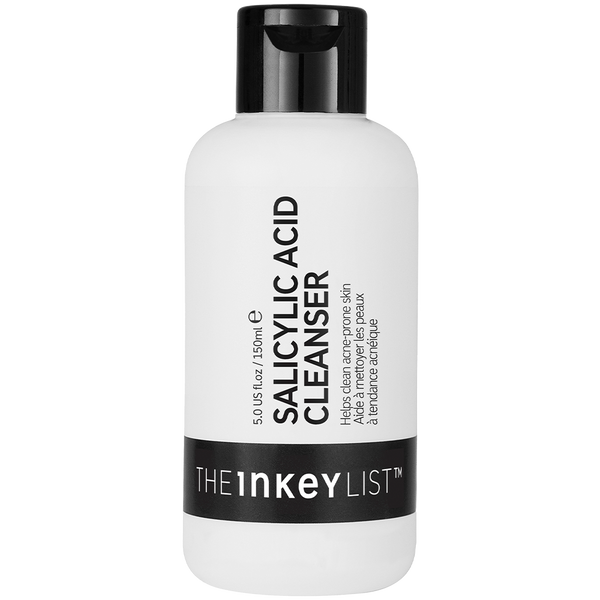
Step 1: Cleanse with a gentle, non-stripping formula. The goal here isn’t to scrub away oil aggressively - it’s to remove excess surface sebum without disrupting the skin’s natural barrier. A harsh cleanser can actually trigger more oil production as skin tries to compensate for what’s been stripped away, which works directly against your goal. If you want an active cleansing step, the Salicylic Acid Cleanser ($15) is a solid option that introduces mild exfoliation at the cleansing stage.
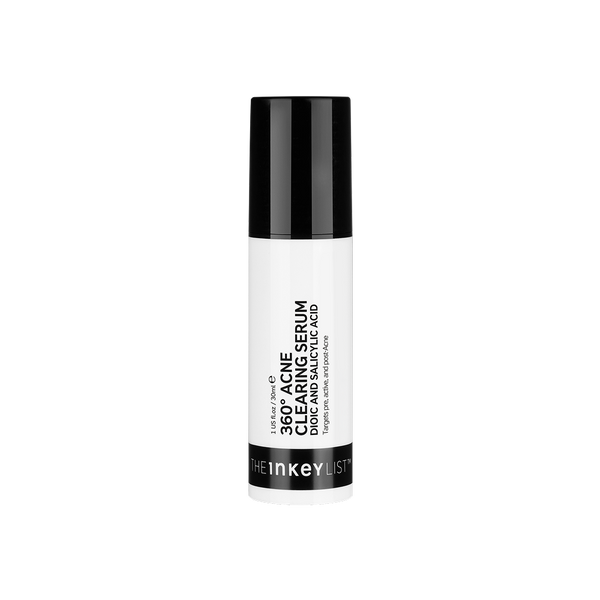
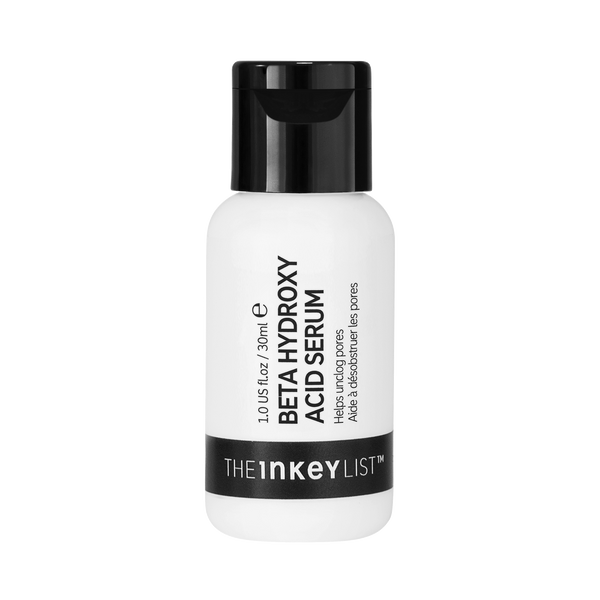
Step 2: Treat with a targeted serum. This is where the real work happens. The 360° Acne Clearing Serum ($18) is designed to address oil, congestion and post-blemish marks in a single step, making it a practical option for anyone who wants to simplify their routine rather than juggle multiple separate treatments. If you’d prefer a more targeted, single-ingredient approach, the Beta Hydroxy Acid (BHA) Serum ($14) focuses specifically on salicylic acid’s pore-clearing action.
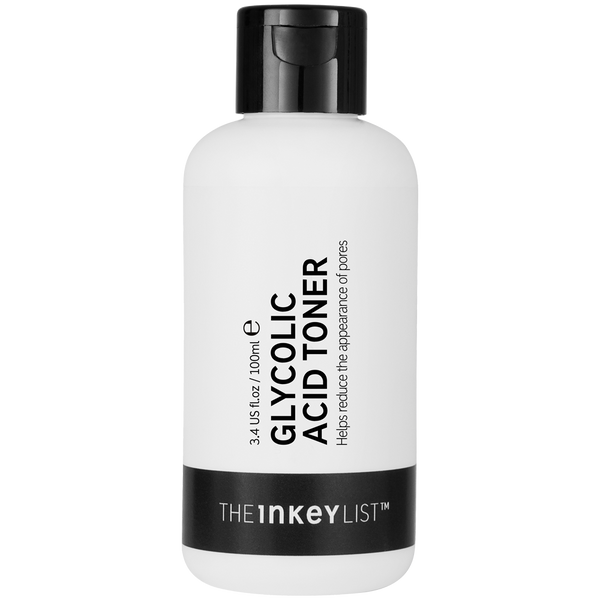
Step 3: Exfoliate the surface 2-3 times per week. A glycolic acid toner, like the Glycolic Acid Toner ($18), supports surface exfoliation and helps prevent new dead skin buildup from contributing to future congestion. This isn’t a daily step - using it too frequently can tip skin toward irritation rather than improvement.
Step 4: Balance oil and support the barrier with a lightweight moisturizer. It’s tempting to skip moisturizer entirely when skin feels oily, but this is a mistake worth avoiding (more on that in the next section). An oil-free, lightweight formula like the Omega Water Cream ($15) hydrates without adding heaviness or contributing to further congestion.
Step 5: Finish every morning with sunscreen. This step is non-negotiable, particularly if you’re using exfoliating acids. Finish with a broad-spectrum sunscreen of at least SPF 30 to protect your skin, since acids like salicylic and glycolic can increase sun sensitivity.
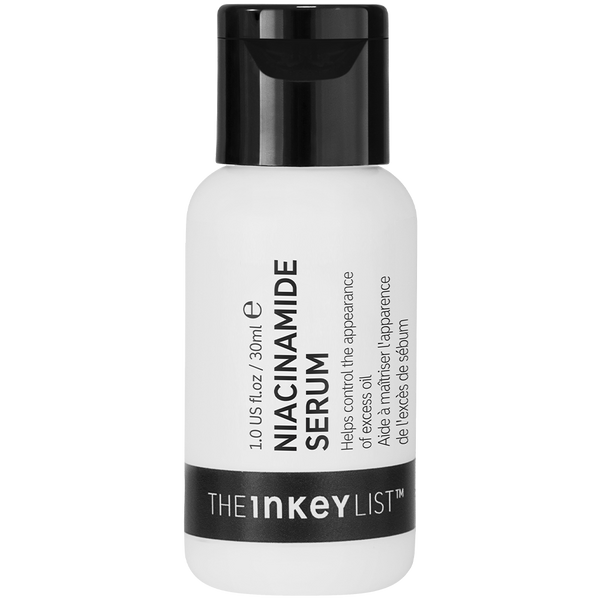
For anyone wanting extra oil control and pore refinement alongside this core routine, the 10% Niacinamide Serum ($13) can be layered in as well.
A quick but important note: don’t introduce all of these actives on day one. Bring new ingredients into your routine gradually, patch testing as you go, and pay attention to how your skin responds before adding the next step. This isn’t about moving slowly for the sake of caution - it’s about avoiding the kind of irritation that actually sets your progress back.
A good routine is only half the battle, though. The other half is knowing what not to do - because some of the most common blackhead “fixes” are quietly working against you.
Common Mistakes That Make Blackheads Worse
It’s worth being honest here: a lot of popular blackhead advice simply doesn’t hold up, and some of it actively makes the problem worse. Here are the mistakes that come up most often.
Over-washing or scrubbing too hard. It feels productive in the moment, but aggressive cleansing damages the skin barrier and can trigger skin to produce even more oil to compensate. If your face feels tight and stripped after washing, that’s a sign you’ve gone too far, not a sign it’s working.
Relying on pore strips. Pore strips can physically pull out some surface debris, which creates a satisfying visual result - but they don’t address the underlying cause of congestion, and repeated use can irritate the skin around the nose over time. For a closer look at why this popular tool isn’t the fix it appears to be, this breakdown of whether pore strips are bad for your skin is worth reading.
Skipping moisturizer because skin feels oily. This is one of the most common and counterproductive habits. Oily skin still needs hydration, and depriving it often backfires by signaling to skin that it needs to produce even more oil to compensate for the lack of moisture.
Mixing too many active ingredients at once. It’s tempting to stack every acid and active you own in pursuit of faster results, but this usually leads to irritation rather than acceleration. Skin that’s inflamed or compromised, particularly sensitive skin, is far less capable of actually clearing congestion efficiently.
Picking or squeezing blackheads. This one is hard to resist, but manual extraction - especially without proper tools or training - frequently causes inflammation, scarring, and the kind of post-blemish marks that take far longer to fade than the original blackhead would have taken to clear on its own.
The thread running through all of these mistakes is the same: impatience. Visible, lasting improvement in blackhead-prone skin takes consistency over several weeks, not days. If you want a longer-term view on how to keep blackheads from coming back once you’ve cleared them, this guide to preventing blackheads long-term is a natural next read.
Building a Routine You Can Stick With
It’s easy to treat blackheads as a problem to eliminate as quickly as possible, but that mindset tends to backfire. Blackheads are an extremely common, manageable skin concern - not a flaw, and not something to feel self-conscious about. Nearly everyone with oil-producing skin will deal with them at some point, and the goal isn’t perfection; it’s visible, lasting improvement.
Patience matters more than people expect. Real, visible change typically takes several weeks of consistent use, not days. If you’re newer to actives like salicylic acid or glycolic acid, there’s no need to build a five-step routine on day one. Starting with a single active ingredient - letting your skin adjust before introducing the next - is a far more sustainable approach than overwhelming your skin all at once in pursuit of faster results.
It’s also worth repeating a point made earlier, because it’s one people tend to forget: oily and blemish-prone skin still needs hydration and barrier support. Oil control products that strip skin of moisture often create a cycle of increased oil production, not less. A lightweight moisturizer suited to oily skin isn’t optional in this routine - it’s part of what makes the rest of it work. If you want to understand the broader relationship between oil production, hydration and congestion, INKEY’s guide to oily skin is worth a read.
The through-line across this entire article is simple: clear guidance, proven ingredients, real results. Not hype, not fear, not overnight promises - just an understanding of what’s actually happening in your skin and what genuinely helps.
That idea - clarity over complexity - is really the entire takeaway of this article, and it’s worth closing on directly.
Conclusion
Blackheads on the nose are common, and they come down to a fairly simple mechanism: oil and dead skin cells building up in pores that are naturally larger and more visible than elsewhere on the face. There’s no mystery here, and there’s nothing wrong with your skin for experiencing it.
What actually makes a difference is consistent use of ingredients with real evidence behind them - salicylic acid to clear congestion from within the pore, glycolic acid to support surface exfoliation, and niacinamide to help regulate oil production and visibly refine the appearance of pores over time. Equally important is what to avoid: harsh scrubbing, pore strips, and DIY extractions all tend to create more problems than they solve, while a gentle, consistent routine quietly does the work in the background.
Clear guidance. Proven ingredients. Real results. That’s the whole approach - no shortcuts required.
If you’re ready to put this into practice, you can shop the full blackhead routine built around the ingredients covered in this article. And if you’d rather keep learning before you buy anything, INKEY’s guide to what blackheads are is a great next stop for going deeper on the basics. Either way, the path forward is the same: understand your skin, be consistent, and give the process the time it actually needs.
Frequently Asked Questions
Got a question?
Our askINKEY team are a friendly bunch of skincare experts with deep product knowledge and zero judgement. Whether you're an ingredient obsessive or just starting out, we'll make it make sense. No question too big. No question too small. We Give A Care, Every Day.


