


What Causes Clogged Pores? The Complete Guide to Blocked, Congested Skin
A clear, science-backed breakdown of why pores get clogged and the exact ingredient-led routine that clears and keeps them clear.
Author
askINKEY skincare advisor
Published
07 October, 2026
Time to read
12 minutes
Clogged pores affect every skin type, every age group, and every background. It does not matter whether your skin leans oily, dry, or somewhere in between - at some point, most people deal with congestion, blackheads, or that frustrating bumpy texture that will not smooth out no matter how much concealer gets layered on top. The good news is that clogged pores are not random or mysterious. They have specific, identifiable causes, and once you understand what is actually happening underneath your skin, clearing them becomes a lot less complicated.
This guide is here to explain exactly that. We will walk through what pores actually do, what congested skin and enlarged pores really look like, the root causes behind clogged pores, which ingredients make things worse, and how to build a congested skin routine that genuinely works. If you already know what you are looking for, here is the shortcut:
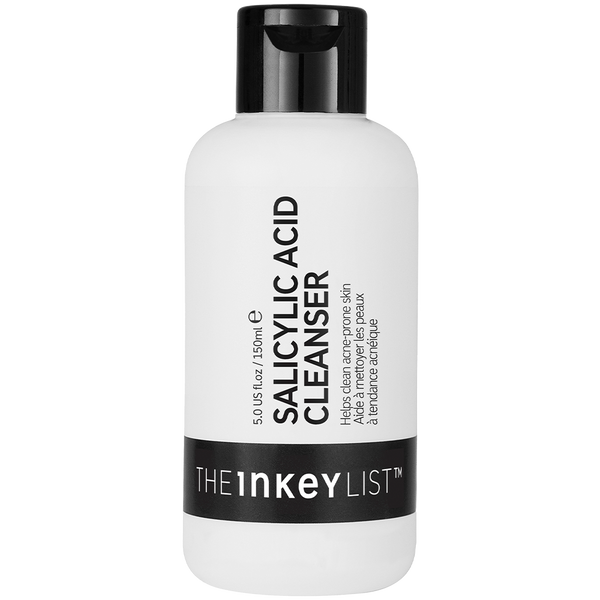
- Salicylic Acid Cleanser 150ml - $15
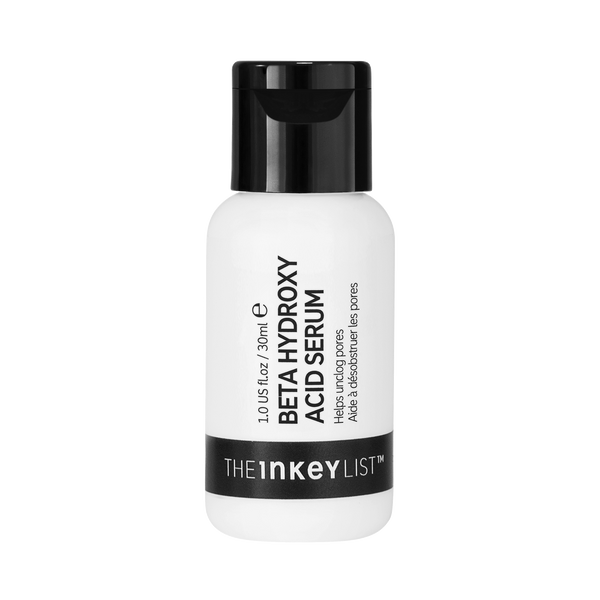
- Beta Hydroxy Acid (BHA) Serum - $14
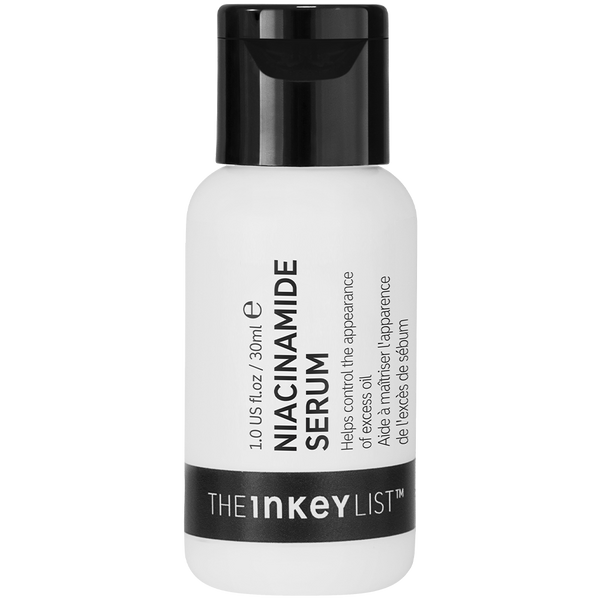
- 10% Niacinamide Serum - $13
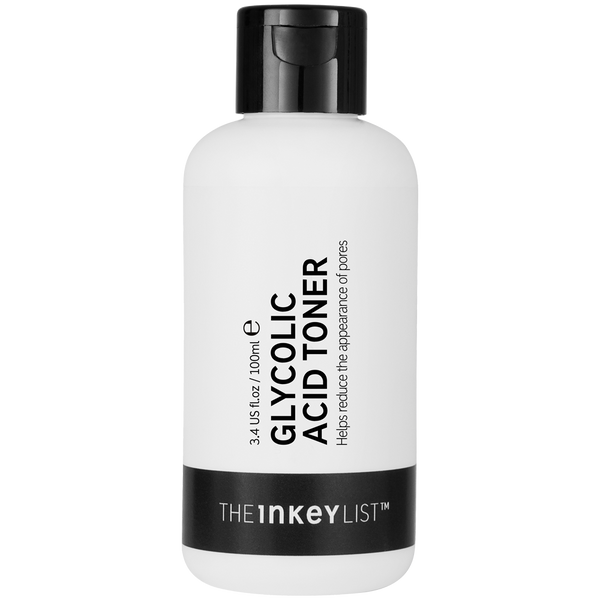
- Glycolic Acid Toner - $18
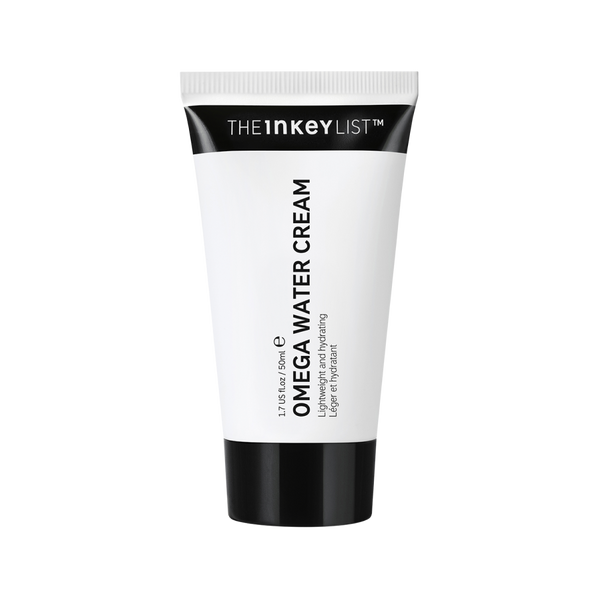
- Omega Water Cream 50ml - $15
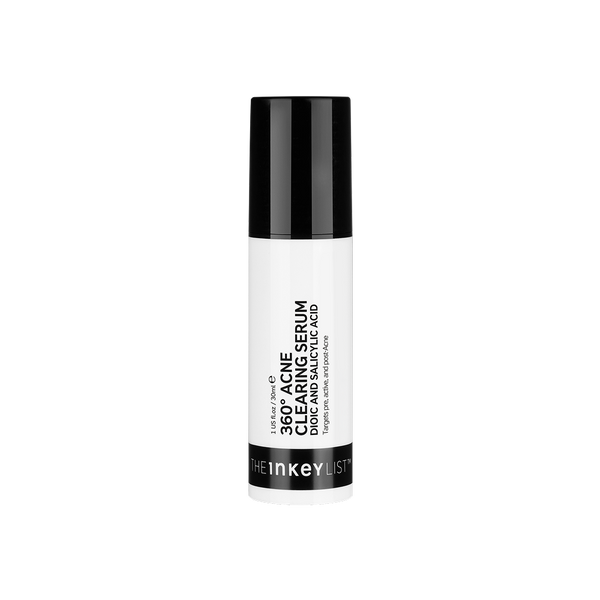
- 360° Acne Clearing Serum - $18
- Succinic Acid Acne Treatment - $15
- Oat Cleansing Balm 150ml - $17
If you want the full picture first, keep reading. Before diagnosing or treating anything, it helps to understand what pores are actually meant to do, which is exactly where we will start.
What Pores Do and Why They Matter
Pores get a bad reputation, but they are not a design flaw. A pore is simply an opening connected to a hair follicle and a sebaceous gland, and its job is to let sebum, your skin’s natural oil, travel up to the surface. That sebum is not something to eliminate entirely. It lubricates skin, helps maintain the skin barrier, and plays a role in keeping moisture from escaping. In other words, oil itself is not the enemy. Congestion happens when sebum production outpaces your skin’s ability to clear it, not simply because oil exists on your face.
It is worth separating two things that often get lumped together. The pores we are talking about throughout this guide are hair follicle pores, the ones connected to a hair and a sebaceous gland, because these are where congestion, blackheads, and breakouts actually occur. Sweat pores are a completely different structure connected to sweat glands, and they are not part of the clogging process we are addressing here. When people say “my pores are clogged,” they almost always mean the follicle-linked ones.
One of the most persistent misunderstandings about pores is the belief that they can be physically shrunk. They cannot. Pore size is largely genetic, tied to factors like skin elasticity, sun damage, and the natural size of the sebaceous gland attached to each follicle. What you can do is visibly improve their appearance. When a pore is packed with oil, dead skin cells, and debris, it stretches and looks larger. Clear that congestion out consistently, and the pore visibly tightens and appears smaller, even though its actual physical size has not changed. This is why “pore minimizing” is a realistic, achievable goal rather than a myth, and it is the framing we will use throughout this guide instead of the misleading idea of permanently shrinking pores.
Not everyone experiences this to the same degree. Oily and combination skin types, particularly through the T-zone (forehead, nose, and chin), tend to show more visible and more enlarged pores. That is because this area has a higher concentration of sebaceous glands, which means more oil production and a higher likelihood of that oil building up inside the follicle. If you have naturally oily or combination skin, visible pores and occasional congestion are simply more likely, not a sign that something is wrong with your routine.
It is also useful to understand just how common this concern actually is. According to the Cleveland Clinic, clogged pores are an extremely widespread skin concern that can affect people of any age and are closely linked to the development of acne when left unaddressed. This is not a niche problem reserved for teenagers or a specific skin type. It is one of the most universal skin concerns there is, which is exactly why understanding the mechanism matters so much. If oily or combination skin sounds like your situation, our guide on what oily skin actually is goes deeper into why that skin type behaves the way it does. And if you are already noticing breakouts alongside congestion, our complete guide to acne covers that connection directly.
Understanding what pores are supposed to do makes it much easier to recognize what congestion and clogged pores actually look like in the mirror, which is exactly where we are headed next.
What Clogged Pores Look Like: Types of Congestion and Where They Appear
Not all clogged pores look the same, and knowing which type you are dealing with is the first real step toward treating it correctly. Broadly, congestion shows up in three main forms, plus one related concern that tends to travel alongside all of them.
Open comedones, more commonly known as blackheads, happen when a pore becomes clogged with oil and dead skin cells, and the top of that plug is exposed to air. The dark color is not dirt, despite what you may have heard. It is oxidized sebum, meaning the oil has reacted with oxygen and darkened in color, similar to how a sliced apple browns when left out. Blackheads are most commonly found on the nose, chin, and forehead, where oil production is highest.
Closed comedones, or whiteheads, form when that same mixture of oil and dead skin gets trapped beneath the surface rather than exposed to air. Because there is no oxidation, they appear as small, flesh-colored or whitish bumps with a solid core, rather than a dark tip. Whiteheads tend to cluster around the chin, jawline, and forehead, and they are frequently tied to hormonal activity, which we will get into in more detail in the next section. MedlinePlus describes closed comedones as a common, non-inflammatory form of acne, which is a useful reminder that whiteheads are a legitimate, explainable skin event, not a hygiene failure.
Then there is general skin congestion, which is arguably the most common and the earliest stage of all. This is the rough, bumpy, uneven texture you can feel more than see. There may be no visible blackhead or whitehead yet, just a sense that your skin does not feel smooth under your fingertips. This stage is important to catch early, because it often precedes visible breakouts and is highly responsive to the right exfoliating routine before it progresses further.
Congestion is not confined to the face, either. While the T-zone, jawline, forehead, and cheeks are the most common areas because of sebaceous gland density, congestion can also appear on the chest, back, and shoulders, areas that have their own concentration of oil glands and are frequently overlooked in a typical skincare routine.
This is also the right moment to talk about enlarged pores, because the two concerns overlap more than people realize. A pore that looks larger than the surrounding skin is frequently a pore that is congested right now, stretched out by trapped oil and debris. As that congestion clears, the visible size of the pore typically reduces, which is why a consistent congested skin routine does double duty: it treats the blockage and visibly supports pore minimizing at the same time.
A quick note on the nose specifically, since it is the area most people fixate on: much of what looks like widespread blackheads on the nose is actually something called sebaceous filaments, a completely normal structure that lines hair follicles and helps channel oil to the surface. They are not the same as blackheads, even though they can look similar at a glance. If you want the full breakdown of that distinction, our guide on sebaceous filaments versus blackheadsexplains exactly how to tell them apart. For readers dealing specifically with nose congestion, this guide on how to get rid of blackheads on your nose is worth bookmarking. And if you want the complete picture on blackheads generally, from causes to treatment, this is the full guide.
Once you can identify what your congestion actually looks like, whether that is blackheads, whiteheads, general texture, or enlarged pores, it becomes much easier to understand what is causing it underneath the surface. That is exactly what we are unpacking next.
What Causes Clogged Pores? The Root Causes of Congested Skin
This is the part of the guide that actually matters most, because every product recommendation that follows only makes sense once you understand what is happening beneath the surface. Clogged pores are not caused by one single thing. They are usually the result of several factors working together, some within your control, some not.
Excess sebum production is, by a wide margin, the most common driver of clogged pores. The more oil your skin produces, the more material there is available to mix with dead skin cells and get trapped inside the follicle. Sebum production is strongly influenced by genetics and hormones, particularly androgens, which stimulate the sebaceous glands to produce more oil. This is also why oily and combination skin types experience congestion more frequently; there is simply more raw material for a blockage to form from. If this sounds like your skin, our guide to oily skinexplains the mechanism in more depth.
Dead skin cell buildup is the second major factor, and arguably the most actionable one. Skin naturally renews itself by shedding dead cells from the surface, but when that renewal process slows down, which can happen due to age, dehydration, or simply individual variation, those cells do not shed evenly. Instead, they accumulate inside the pore lining, mixing with sebum to form a blockage. This is precisely why exfoliation, and Salicylic Acid specifically, sits at the center of almost every effective congested skin routine. Salicylic Acid is oil-soluble, meaning it can actually penetrate into the sebum-filled environment of the pore itself rather than just working on the surface, which makes it uniquely suited to this particular problem. For a deeper look at the mechanism, this guide on salicylic acid for blackheads breaks down exactly how it dissolves the bonds holding dead skin cells together.
Incomplete removal of makeup, sunscreen, and skincare residue is another major contributor, and it is more common than most people realize. A single cleanse, especially with a basic water-based cleanser, often is not enough to fully break down a full day of makeup, SPF, and product buildup. Whatever residue is left behind mixes with your skin’s own sebum overnight, accelerating the blockage process. This is the entire logic behind double cleansing, which we will detail in the next section: the first cleanse breaks down oil-based residue, and the second actually cleans the skin underneath it.
Pore-clogging, or comedogenic, ingredients are a less obvious but significant cause. Certain ingredients, even ones marketed as nourishing or hydrating, are more likely to physically block pores in people prone to congestion. Common offenders include coconut oil, cocoa butter, isopropyl myristate, isopropyl palmitate, and heavy waxes. This does not mean these ingredients are universally bad; some skin types tolerate them perfectly well. But if you are already dealing with congestion, checking your products for these ingredients is a worthwhile audit. “Non-comedogenic,” the label you will see on many products, simply means the formula has been designed or tested to minimize the likelihood of clogging pores, though it is worth noting this is not a strictly regulated or standardized claim.
Hormonal fluctuations deserve their own callout because of how specific their impact is. Androgens, a category of hormones present in all genders, directly stimulate the sebaceous glands to produce more sebum. This is why hormonal congestion tends to concentrate so predictably around the chin, jawline, and T-zone, areas with particularly high androgen receptor density. This is also where Niacinamide becomes especially useful, not because it changes your hormones, but because it helps regulate the visible output of oil at the gland level, reducing the downstream impact of those hormonal signals.
Finally, skin type, genetics, and environmental factors round out the picture. Some people are simply more genetically predisposed to larger pores, more active sebaceous glands, or slower skin cell turnover. Environmental contributors, like pollution, frequently touching your face, unwashed pillowcases, and phone screens pressed against your cheek throughout the day, add a layer of dirt, bacteria, and debris that compounds the other factors. None of these are the primary cause on their own, but they are worth addressing as supporting habits alongside a proper ingredient-led routine.
Once you understand that clogged pores come from this mix of oil, dead skin, residue, comedogenic ingredients, and hormones, it becomes much easier to understand why specific ingredients work. That is exactly what we will map out next.
How to Unclog Pores: The Ingredients and Products That Work
Understanding the causes is only useful if it leads somewhere actionable, so here is the ingredient-led framework for actually clearing clogged pores, step by step.
Step 1: Double cleanse. Start with an oil-based balm cleanser to dissolve makeup, SPF, and the oil-based residue that built up throughout the day. Follow it with an active, water-based cleanser that actually treats the skin underneath. The Oat Cleansing Balm 150ml ($17) is designed for that first step, breaking down buildup gently without stripping the skin, while the Salicylic Acid Cleanser 150ml ($15) follows as the second step, delivering targeted exfoliation right where congestion starts.
Step 2: Exfoliate inside the pore with BHA. Salicylic Acid is oil-soluble, which means it can travel into the sebum-filled environment of the pore itself rather than sitting on top of the skin. This is what makes it uniquely effective for congestion compared to other acids. The Beta Hydroxy Acid (BHA) Serum ($14) is a leave-on treatment designed to do exactly this, working from the inside of the pore outward.
Step 3: Exfoliate the surface with AHA. While BHA works inside the pore, an AHA like Glycolic Acid works on the surface, clearing away the dead skin cells sitting around the pore opening that contribute to that rough, textured feel. The Glycolic Acid Toner ($18) is the practical way to add this step, sweeping away surface buildup and supporting smoother, clearer-looking skin over time.
If Glycolic Acid feels too strong for your skin, you are not out of options. The PHA Toner ($18) uses 3% PHA (Gluconolactone) alongside 3% Niacinamide to deliver gentle exfoliation with a much lower irritation risk, making it a smart substitute for sensitive skin types that still want the surface-clearing benefits and pore minimizing support of an acid toner without the sting.
“Exfoliation is not about scrubbing harder, it is about choosing the right type of acid for the right job,” is a principle worth remembering here: BHA for inside the pore, AHA or PHA for the surface around it.
Step 4: Regulate sebum with Niacinamide. This step addresses the actual root cause rather than just the visible symptom. Niacinamide works at the level of the sebaceous gland itself, helping regulate how much oil is produced in the first place. With consistent use, this is also where visible pore minimizing tends to show up most clearly, since less oil production means less material available to stretch the pore out. The 10% Niacinamide Serum ($13) delivers this at an effective, well-tolerated concentration, and our complete guide to Niacinamide covers the full range of what this ingredient does beyond oil control.
Step 5: Target all stages of congestion with a multi-ingredient treatment. Clogged pores rarely exist in isolation; there is usually a mix of oil, active blemishes, and the marks left behind after a blemish heals, all happening at once. The 360° Acne Clearing Serum ($18) is built for exactly this, combining Dioic Acid, Salicylic Acid, and Dendriclear to work across oil regulation, active blemishes, and post-blemish marks simultaneously, rather than treating each concern as a separate problem.
Step 6: Hydrate without congesting. This step gets skipped constantly, usually out of fear that moisturizer will make oily or acne-prone skin worse. The opposite is actually true, and we will explain exactly why in the next section. An oil-free formula like the Omega Water Cream 50ml ($15) hydrates effectively without adding comedogenic ingredients back into the mix.
Step 7: Spot-treat when needed. For active blemishes that need extra attention, the Succinic Acid Acne Treatment($15) offers a targeted option to apply directly where it is needed, without layering more product over your entire face.
It is also worth noting how well Salicylic Acid and Niacinamide work as a pair once both are part of your routine; this guide on the best duo for oily, blemish-prone skin explains exactly why combining an exfoliant with an oil-regulating ingredient produces better results than either one alone.
Knowing the ingredients is genuinely half the equation. The other half is knowing how to actually sequence them into a real morning and evening routine, which is exactly what comes next.
The Congested Skin Routine: Morning and Evening Steps
Having the right ingredients means very little without a clear structure for using them, so here is exactly how to build that structure into a repeatable morning and evening routine.
Morning routine:
- Cleanse with a gentle, non-stripping cleanser to remove overnight oil buildup.
- Optionally treat with the 360° Acne Clearing Serum if you are managing active blemishes alongside congestion.
- Regulate oil with the 10% Niacinamide Serum.
- Moisturize with the Omega Water Cream 50ml to hydrate without adding comedogenic weight.
- Finish with a broad-spectrum sunscreen. SPF protection is a non-negotiable final step in any morning routine, particularly when using exfoliating acids, which can increase sun sensitivity.
Evening routine:
- Double cleanse: start with the Oat Cleansing Balm 150ml, then follow with the Salicylic Acid Cleanser 150ml.
- Exfoliate 2-3 nights per week, alternating between the Beta Hydroxy Acid (BHA) Serum and the Glycolic Acid Toner. Never use both acids on the same night; alternating gives your skin the benefit of both without overloading it.
- Regulate with the 10% Niacinamide Serum.
- Spot-treat active areas with the Succinic Acid Acne Treatment.
- Moisturize with the Omega Water Cream 50ml to lock in hydration overnight.
A few practical rules make a measurable difference in how well this routine actually performs. Introduce one new active ingredient at a time, rather than adding several at once, so you can clearly identify what is working and what might be causing irritation. Wait two to four weeks before introducing another new active, giving your skin time to adjust. Always patch test anything new on a small area before applying it to your full face. And manage your expectations around timing: meaningful, visible results from a consistent congested skin routine typically show up within 8 to 12 weeks, not overnight, because skin cell turnover itself operates on a multi-week cycle.
One point worth repeating clearly: oily and acne-prone skin still needs hydration. Skipping moisturizer because your skin feels oily often backfires, because stripped, dehydrated skin can respond by producing even more oil to compensate, worsening the exact problem you are trying to solve. An oil-free, non-comedogenic moisturizer is not optional in a congested skin routine; it is one of the steps doing quiet, important work.
If you would rather skip the guesswork entirely, INKEY’s personalization tools can do the diagnostic work for you. The Acne Analyzer Pro is an AI-powered, dermatologist-backed tool that gives you a personalized assessment of your specific skin, while our skincare quiz builds a tailored routine in about two minutes. And for readers who want to go deeper on preventing congestion long after this initial routine, this guide on preventing blackheads long-term is a strong next read.
Before actually starting this routine, it is worth clearing up a few widely-believed pore myths that could quietly undo your progress if left unaddressed.
Common Pore Myths: What the Science Actually Says
Skincare advice is full of confident-sounding claims that simply are not true, and pores are one of the most myth-heavy topics in the entire category. Here is what the evidence actually supports.
Myth: “You can shrink your pores.” Pore size is determined by genetics, and no product, device, or routine can physically shrink that structure. What you can do is reduce the appearance of enlarged pores by clearing the congestion stretching them out, which is where the real, achievable goal of pore minimizing comes in. Anyone promising permanent pore shrinkage is overselling what skincare can actually do.
Myth: “Hot water opens pores, cold water closes them.” Pores do not have muscles, and they do not expand or contract based on water temperature the way this myth suggests. What hot water can do is strip the skin’s natural oils and cause irritation, particularly for already sensitized or congested skin. Lukewarm water is the simple, practical recommendation, both for cleansing and rinsing.
Myth: “Pore strips clear clogged pores.” Pore strips only remove the visible, surface-level tip of a blackhead that is already poking through the skin. They do nothing to address the deeper congestion still sitting inside the pore, which means the same blockage often reforms within days. For the complete breakdown of why this is the case, our dedicated guide on pore strips covers the evidence in detail, and this comparison of blackhead removal methods is worth reading if pore strips have been your go-to.
Myth: “Only oily skin gets clogged pores.” Dry skin is just as capable of becoming congested as oily skin, because the underlying mechanism, dead skin cells accumulating faster than they shed, is the same across skin types. Dry skin may show different symptoms, like flaking combined with underlying bumps, but the root cause is identical. Our complete guide to acne makes this clear: breakouts and congestion are not exclusive to one skin type.
Myth: “If you squeeze it, it goes faster.” Squeezing a clogged pore or blemish increases inflammation, pushes bacteria and debris deeper into the surrounding tissue, and significantly raises the risk of post-blemish marks that can linger far longer than the original blemish would have. It also tends to extend healing time rather than shorten it. If you are looking for evidence on what actually helps control breakouts at the source, this science-backed look at whether Niacinamide helps with acne is a useful, ingredient-led alternative to reaching for your fingernails.
With the ingredients, the routine, and the myths now covered, the only thing left is answering the most common specific questions readers have about clogged and congested pores.
Clogged Pores Are Manageable: Here Is Where to Start
Clogged and congested pores are common, and understanding why they happen takes away most of the frustration that comes with them. Excess sebum, dead skin cell buildup, incomplete product removal, comedogenic ingredients, and genetics all play a role, but none of these mean you are stuck with congestion indefinitely. Each one has a specific, well-understood solution.
The framework is simpler than it might feel after reading all of this: Salicylic Acid (BHA) clears congestion from inside the pore, Glycolic Acid (AHA) clears buildup from the surface, Niacinamide regulates oil at the source so congestion is less likely to reform, and double cleansing prevents the daily residue that feeds the whole cycle in the first place.
You do not need to overhaul your entire routine overnight. Starting with one meaningful change, like swapping in a Salicylic Acid cleanser, is a completely legitimate first step, and consistency matters more than intensity. Build from there as your skin adjusts and tells you what it needs next.
If you are ready to put this into practice, you have options. Build your own bundle to shop the full congested skin routine and save, use the Acne Analyzer Pro for a personalized, AI-powered assessment of your specific skin, or take our two-minute skincare quiz for a routine built around your exact concerns. And if you still have questions along the way, askINKEY is there for live support with no jargon and no judgment, because understanding your skin should never feel complicated.
Ready to Clear Your Congested Skin? Here Is Your Next Step
You now understand what is actually causing your clogged pores, which ingredients address each part of that cause, and how to sequence them into a real routine. The next move is simple: shop the congested skin routine products individually, or build a bundle to get the full routine at a better value.
If you would rather not guess which products fit your exact skin, the Acne Analyzer Pro or our skincare quiz can do that work for you, turning everything in this guide into a routine built specifically around your skin.
And whenever you have a follow-up question, whether it is about patch testing, combining actives, or what to expect in week three versus week ten, askINKEY is ready to help. Clear guidance, proven ingredients, real results: that is the whole idea.
Frequently Asked Questions
Got a question?
Our askINKEY team are a friendly bunch of skincare experts with deep product knowledge and zero judgement. Whether you're an ingredient obsessive or just starting out, we'll make it make sense. No question too big. No question too small. We Give A Care, Every Day.


