

Sebaceous Filaments vs Blackheads: What’s the Difference?
Most of those tiny dots on your nose aren't blackheads at all — here's what sebaceous filaments really are and how to visibly manage both.
Author
askINKEY skincare advisor
Published
04 June, 2026
Time to read
13 minutes
You’ve zoomed in on your phone camera, or leaned into a magnifying mirror under bright bathroom light, and there they are: a scatter of small gray or tan dots spread across your nose and maybe the center of your cheeks. Your first instinct is probably to call them blackheads, or worse, to wonder if they’re some kind of hidden acne you’ve been missing. Here’s the direct answer before anything else: most of what you’re looking at in that pattern is not blackheads, and it’s almost certainly not acne either. What you’re seeing is very likely sebaceous filaments, a completely normal, functional part of every single pore on your face. They are not a skin concern to fix, clear, or cure.
This mix-up is understandable. Sebaceous filaments and blackheads can look similar at a glance, especially in harsh lighting or through a phone’s macro lens that exaggerates every bit of texture. Most skincare content doesn’t do a great job of separating the two, which means a lot of people spend years trying to “treat” something that was never actually a problem in the first place. That confusion fuels an entire industry of pore strips, vacuum extractors, and aggressive scrubbing routines aimed at something that, biologically, cannot be removed and doesn’t need to be.
This guide exists to correct that record, clearly and without drama. We’re going to walk through exactly what a sebaceous filament is at a biological level, how it genuinely differs from a true blackhead, whether either one is connected to acne or whiteheads, and which ingredients, namely salicylic acid and niacinamide, actually help manage the appearance of both. If you’ve landed here but you’re fairly certain you’re dealing with real, textured, darkened blackheads rather than an even dusting of gray dots, the complete guide to blackheads is the better starting point and goes deep on blackhead-specific prevention and treatment.
Our approach here is the same one we apply to every skin topic: clear guidance, proven ingredients, and real results, without fear-based language and without overpromising a fix for something that isn’t broken. You won’t find “don’t panic” or “stop ruining your skin” anywhere in this piece, because panic was never warranted. Now that the core misconception is named, let’s get precise about what a sebaceous filament actually is.
What Are Sebaceous Filaments? The Science Explained
A sebaceous filament is a thin, hair-like lining made of skin cells and natural oil, known as sebum, that sits inside every pore on your face. Its job is simple and essential: it channels sebum from the sebaceous gland up to the surface of your skin, where it helps keep your skin lubricated and protected. Every person has them, in every pore, all the time. They are not a sign of poor hygiene, bad skincare habits, or a skin type gone wrong. They are structural, meaning they are built into the architecture of your pore rather than something that accumulates or develops over time.
So why do they seem to show up specifically on the nose and the center of the face? The answer comes down to gland density and size. Sebaceous glands, the oil-producing structures attached to each hair follicle, are largest and most densely packed in the T-zone, particularly across the nose. Because the glands there are bigger and more active, the filaments lining those pores are naturally larger and more visible than the ones on, say, your jawline or temples. If you have naturally oily skin, you may notice this effect even more, simply because there’s more sebum moving through those pores on a regular basis.
In terms of appearance, sebaceous filaments typically present as gray, tan, or yellowish dots. They tend to look flatter and far more uniform in tone than blackheads, almost like a consistent stippled texture rather than individual dark spots. One of the clearest identifying features is what happens after you try to remove them: if you’ve ever used a pore strip or had an extraction facial and noticed the same dots reappear within a day or two, that’s not a failure of the product or the esthetician’s technique. It’s because sebaceous filaments are a structural part of the pore itself, not a blockage sitting on top of it. Removing the visible portion doesn’t eliminate the structure underneath, so the pore simply refills as it continues doing its normal job of transporting oil to the surface.
This is the single most important functional point to understand: sebaceous filaments are not clogged, they are not infected, and they are not unhealthy. A clogged pore, by contrast, involves a genuine blockage of excess sebum and dead skin cells trapped inside, which is a different situation entirely and one that actually can become congested or irritated. If you want the fuller picture of what happens when a pore does become genuinely blocked, this guide to what causes clogged pores breaks down that process in detail. But a sebaceous filament, on its own, is simply oil doing exactly what it’s supposed to do, visible through the surface because of normal pore anatomy.
Because sebaceous filaments can’t technically be “cured,” the more useful framing is management rather than elimination. Their visible appearance absolutely can be reduced through consistent use of specific ingredients, which we’ll get into in detail later in this guide. For now, the key takeaway is this: what you’re seeing on your nose is very likely a completely normal pore feature that everyone has, made more visible by gland size and oil flow, not a problem that snuck up on you. With that definition locked in, it’s time to put sebaceous filaments side by side with true blackheads and settle the comparison once and for all.
Sebaceous Filaments vs Blackheads: How to Tell Them Apart
This is the comparison most people actually came here for, so let’s be precise and practical about it. Sebaceous filaments and blackheads are not two stages of the same thing, and one is not a “mild version” of the other. They are entirely different structures with different causes, different appearances, and different implications for how you treat your skin. Here’s the breakdown across the factors that actually matter:
- Cause: Sebaceous filaments are a normal, built-in structural feature of every pore, present from the start and never going away. Blackheads, on the other hand, form when a pore becomes genuinely blocked with a mixture of excess sebum and dead skin cells. When that mixture is exposed to air, it oxidizes, which is what creates the dark, almost black coloring blackheads are named for.
- Appearance: Sebaceous filaments appear gray or tan, and they tend to be relatively flat and strikingly uniform across the area where they show up. Blackheads look noticeably darker, ranging from brown to true black because of that oxidation process, and they often sit slightly raised above the surrounding skin rather than lying flush with it.
- Pattern: Sebaceous filaments tend to show up in dense, even clusters across oilier zones, most commonly the nose and the center of the cheeks, almost like a consistent texture rather than isolated spots. Blackheads are more likely to appear individually or scattered, without that same evenly distributed pattern.
- Permanence: This is the big one. Sebaceous filaments are permanent and will reappear almost immediately after any kind of extraction, because you’re not removing a blockage, you’re temporarily disturbing a structure that’s supposed to be there. Blackheads, by contrast, can be meaningfully reduced and genuinely prevented from reforming with consistent exfoliation, since you’re addressing an actual buildup rather than normal pore anatomy.
- Do they need treatment? Sebaceous filaments don’t require “treatment” in any clinical sense, because they were never a blockage or a blemish to begin with. Blackheads genuinely do benefit from targeted exfoliation, since there’s an actual buildup that responds to the right ingredients.
A quick way to self-diagnose: if what you’re seeing comes back within days of any kind of extraction, looks close to your natural skin tone but slightly gray, and is evenly spread across your nose rather than appearing as isolated dark spots, you’re very likely looking at sebaceous filaments, not blackheads.
It’s also worth directly addressing a persistent myth: sebaceous filaments are not a mild form of acne, and they are not an early stage that eventually “becomes” a blackhead if left alone. They are a separate structure entirely, present in skin that’s completely clear of acne just as often as in skin that has breakouts elsewhere. This is exactly why pore strips tend to disappoint so many people when used on the nose specifically. Pore strips physically adhere to and pull out surface debris, which can genuinely help lift some blackhead material, but on sebaceous filaments they’re pulling at a structure that isn’t actually a blockage, which is why the “satisfying” strip result is misleading and temporary at best. If you’ve ever wondered whether that ritual is doing more harm than good, this breakdown of whether pore strips are bad for your skin is worth a read.
And if, after reading through this comparison, you’ve realized you actually are dealing with true blackheads rather than sebaceous filaments, that’s a completely different and very solvable situation. The complete blackheads guide covers the full prevention and treatment approach in depth. For everyone else whose nose matches the sebaceous filament pattern, the next logical question is obvious: if they’re not a problem, why do most of us still want them less visible, and what actually works toward that goal?
How to Get Rid of Sebaceous Filaments (What Actually Works)
Let’s be upfront about something before going any further: sebaceous filaments cannot be permanently removed, because they are a functional, structural part of every pore on your face. Any product, device, or treatment claiming to eliminate them entirely is overpromising something that isn’t biologically possible. That’s not a discouraging statement, it’s an honest one, and it’s consistent with a simple principle worth repeating throughout this guide: real results come from working with your skin’s actual biology, not from chasing a fix for something that was never broken.
With that reframed, here’s the legitimate, achievable goal: regular, gentle exfoliation to clear away the surface oil and dead skin cell buildup that makes sebaceous filaments appear darker and more pronounced than they need to, combined with some oil regulation to reduce how much they stand out day to day. This isn’t about erasing pore structure, it’s about refining the surface texture and tone around it so the overall look of your skin appears smoother and more even.
The ingredient doing the real heavy lifting here is salicylic acid. Salicylic acid is oil-soluble, which matters enormously in this context because it means it can actually travel into the oily environment of the pore lining, exactly where sebaceous filaments live, rather than just sitting on the skin’s surface the way water-soluble ingredients do. This is what separates salicylic acid from most other exfoliating acids when it comes to pore-related concerns specifically.
How to Use Salicylic Acid for Sebaceous Filaments
Start with a salicylic acid cleanser as your daily foundation. The key detail most people skip is contact time: massage the cleanser into damp skin for a full 60 seconds before rinsing. Salicylic acid needs genuine contact with the skin to do its job, and a quick 5-second splash-and-rinse simply doesn’t give it the time it needs to work its way into the pore lining.
From there, gradually introduce a leave-on BHA serum, starting at around 2 to 3 times per week. Because a leave-on formula stays on the skin rather than being rinsed away, it allows for deeper, longer-contact exfoliation than a cleanser alone can provide. Building up gradually also gives your skin barrier time to adjust, which matters more than rushing to daily use right away.
Niacinamide plays a complementary, rather than exfoliating, role in this routine. It doesn’t dissolve oil or dead skin cells the way salicylic acid does, but it helps regulate oil production at the source. Over time, that means pores may look less shiny or congested simply because there’s less excess sebum flowing through them to make filaments catch the light.
If you’re specifically searching for how to get rid of sebaceous filaments on your nose, here’s the honest answer: the nose needs the exact same consistent approach as the rest of your face, just with slightly closer attention, since that’s where filaments are naturally most concentrated. It does not require a different, stronger, or more aggressive treatment. Scrubbing harder or applying products more frequently on the nose specifically tends to backfire, causing irritation without actually changing the underlying pore structure.
The goal with sebaceous filaments isn’t elimination, it’s refinement. Consistent, gentle exfoliation changes how visible they are over time. It doesn’t change the fact that they’re there, because they’re supposed to be.
It bears repeating clearly one more time: there is no permanent fix for sebaceous filaments, and that’s an expected, normal outcome rather than a treatment failure. The realistic aim is smoother, more refined-looking texture that develops gradually with consistency, not a before-and-after transformation where the dots disappear entirely. For a deeper dive into the ingredient itself, the complete salicylic acid guide covers everything from concentration to skin type suitability. If you’re managing true blackheads alongside visible filaments, this guide to salicylic acid for blackheads covers usage principles that overlap closely with what’s outlined here. And for more on why the salicylic acid and niacinamide combination works so well together, this breakdown of the best duo for oily, acne-prone skin and the niacinamide ingredient guide are both worth bookmarking.
Understanding the ingredients is one thing, but knowing exactly which products to reach for and how to layer them is what actually gets a routine off the ground.
The INKEY Products That Help (and Why They Work)
Rather than listing generic marketing copy, here’s exactly why each of these products earns its place in a routine built around visible pores and texture, grounded in the science already covered above.
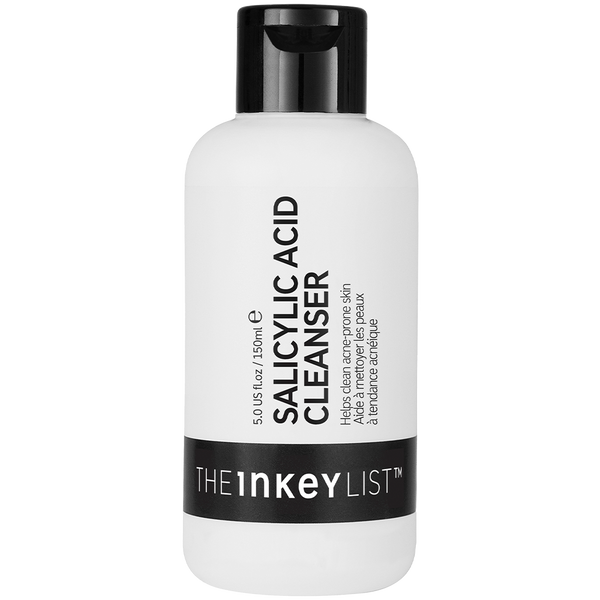
- Salicylic Acid Cleanser ($15): This is the foundational daily step. It’s formulated with 2% salicylic acid alongside a zinc compound to help support oil control. Since contact time matters so much with salicylic acid, use this with a full 60-second massage into damp skin rather than a quick rinse, to give the ingredient a real chance to reach the pore lining.
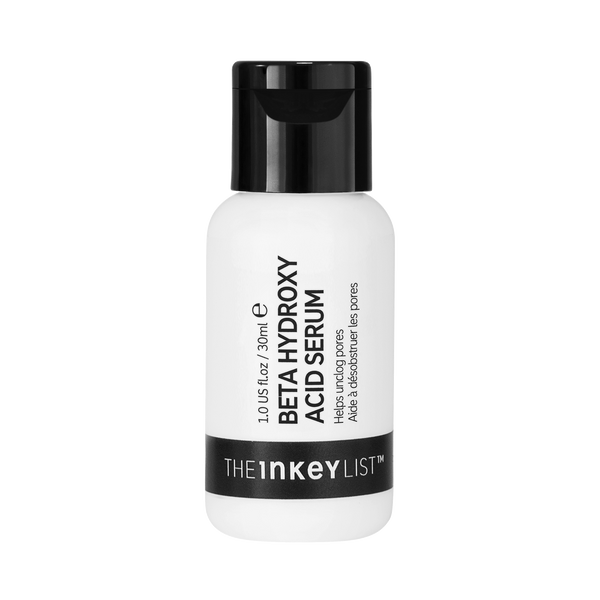
- Beta Hydroxy Acid (BHA) Serum ($14): A leave-on exfoliating step for deeper, longer-contact treatment once your skin has adjusted to the cleanser. Because it stays on the skin rather than being rinsed off, it reaches further than a cleanser alone, making it the natural next step once your barrier is ready.
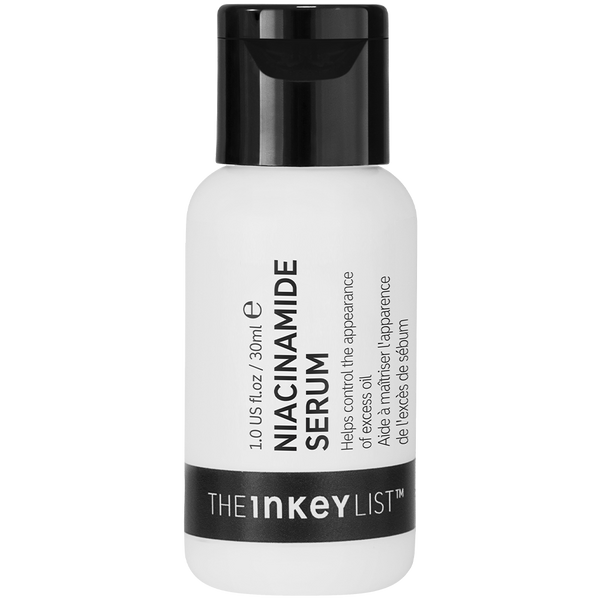
- 10% Niacinamide Serum ($13): Pairs directly with salicylic acid to help regulate oil production at the source, which over time can visibly refine how pronounced pores appear, especially in the T-zone where sebaceous filaments concentrate.
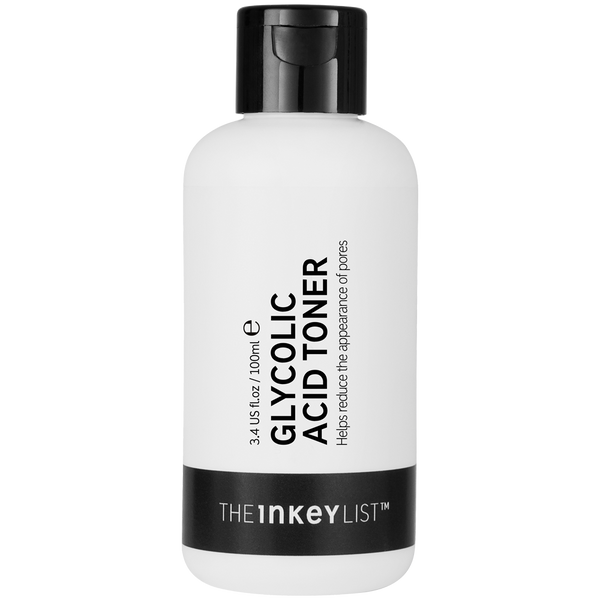
- Glycolic Acid Toner ($18): A surface-level AHA exfoliant that complements salicylic acid by clearing away the dead skin cell buildup that can make pores look more pronounced. This works well as an alternating-night option alongside your BHA serum rather than stacking both acids every night.
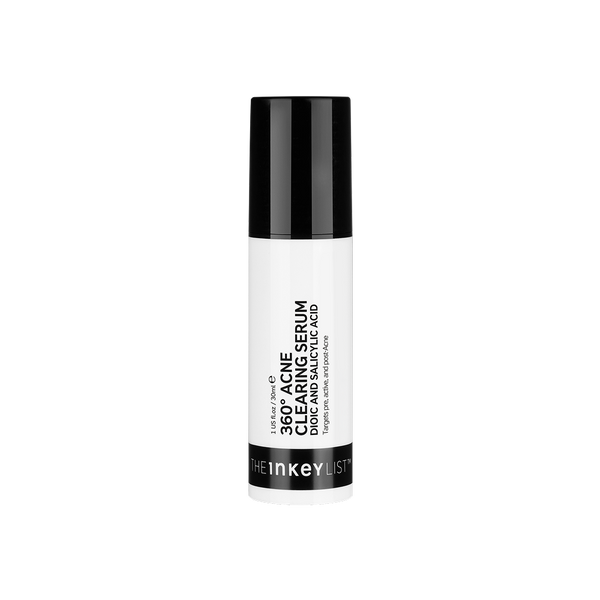
- 360° Acne Clearing Serum ($18): For anyone dealing with visible pores and genuine active blemishes at the same time, this multi-stage formula addresses breakouts and texture concerns together, rather than requiring two completely separate routines.
A simple way to structure these into a daily rhythm:
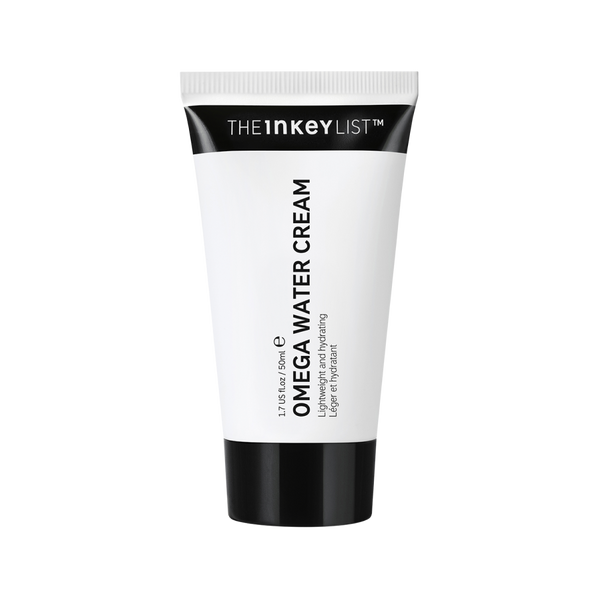
- AM: Salicylic acid cleanser, niacinamide serum, a lightweight moisturizer, and SPF.
- PM: Salicylic acid cleanser, then either the BHA serum or the glycolic acid toner on alternating nights, followed by niacinamide.
Worth noting as a point of context rather than a sales pitch: nearly every product in this lineup sits under $27, which reflects a broader commitment to making proven, effective ingredients accessible rather than gatekeeping good skincare behind a premium price tag. If you’d like the complete AM and PM breakdown with every supporting product for both blackheads and sebaceous filaments together, the full blackhead-clearing routine guide lays that out in detail.
Knowing what to use is half the equation. The other half, just as important, is knowing what to leave alone entirely, which brings us to some habits worth breaking.
Safer Alternatives to Squeezing, Pore Strips, and Extractions
If you’ve ever found yourself squeezing your nose in the mirror, applying a pore strip the night before an event, or watching a satisfying extraction video and feeling the urge to try it yourself, you’re far from alone. But it’s worth being direct about why these habits don’t actually deliver on sebaceous filaments specifically, and what tends to happen instead.
Squeezing and pore strips can irritate the pore lining, sometimes causing temporary redness or micro-tears in the surrounding skin. Because sebaceous filaments are a permanent structure rather than a removable blockage, any visible improvement from squeezing or stripping lasts only a few days at most before the pore refills and looks exactly as it did before. Repeating that cycle over and over creates ongoing stress on the skin for a result that was never going to be lasting in the first place. It’s a classic case of effort without outcome.
Hydrocolloid patches have become genuinely popular, and for good reason, they work well. The Hydrocolloid Invisible Pimple Patches are a useful tool worth having on hand, but it’s worth being honest about where they shine: they’re most effective on active surface blemishes and breakouts, not on sebaceous filaments themselves. Where they genuinely help is by offering a protective, no-touch alternative to picking or squeezing anything on your face, which on its own reduces the risk of scarring or prolonged irritation from a breakout.
For occasional breakouts that show up alongside visible pores, particularly in the same T-zone area many people are managing both concerns in, the Succinic Acid Treatment ($15) is a targeted option worth knowing about. It’s formulated as a calming, targeted gel rather than functioning as any kind of extraction tool, making it a better fit for an occasional spot than anything that physically pulls at the skin.
The throughline here is simple: consistency with chemical exfoliation, specifically salicylic acid paired with niacinamide, is the long-term, evidence-backed path toward visibly refined texture. Physical extraction, no matter how satisfying it feels in the moment, is at best a short-lived cosmetic fix that doesn’t change anything structurally.
One trend worth specifically addressing: at-home metal extraction tools have become popular on social platforms, often paired with oddly satisfying footage of material being pushed out of pores. Used incorrectly, and most people have no formal training in how to use them, these tools can bruise or even scar the skin. Worse, they do nothing to address the pore long-term, since they’re acting on the same temporary, refillable surface that squeezing and pore strips target. If you’re also managing active acne alongside visible pores and want to understand how another common US skincare ingredient fits into the picture, this comparison of benzoyl peroxide and salicylic acid is a useful next read.
The Bottom Line on Sebaceous Filaments vs Blackheads
Sebaceous filaments are normal. They’re universal. They’re not a flaw waiting to be eliminated, and treating them as one misses the point of what good skincare is actually supposed to do, which is support your skin’s existing biology rather than fight against it. The goal was never total elimination, because total elimination was never biologically possible in the first place. The goal is informed, intentional skincare, not cosmetic perfectionism chasing a result that doesn’t exist.
Of everything covered in this guide, one point is worth carrying forward above the rest: salicylic acid, used consistently and with proper contact time, remains the most evidence-backed way to visibly refine texture, whether you’re managing sebaceous filaments, genuine blackheads, or both showing up in the same T-zone. Paired with niacinamide for oil regulation, it forms the backbone of a routine that actually holds up over weeks and months, rather than promising an overnight before-and-after that was never realistic to begin with.
That circles back to a simple philosophy worth repeating: clear guidance, proven ingredients, real results. No overpromising, no fear-based framing, no pressure to chase perfection in a mirror under lighting designed to exaggerate every pore. Patience and consistency with the right ingredients will always outperform pore strips, squeezing, or extraction tools, not because those shortcuts are dramatic failures, but because they were never solving the right problem in the first place. For anyone wanting to go deeper on the single ingredient doing most of the work here, the complete salicylic acid guide is the most useful next stop before you go.
If you’re ready to put this into practice but aren’t sure exactly where to start, take the 2-minute skincare quiz for a personalized routine recommendation built around your actual skin, rather than guessing which products to combine. And if you’re ready to build out a full routine in one go, the Bundle Builder lets you create your own routine and save up to 20%, with free shipping available on US orders over $40. No pressure, no hard sell, just a clear next step whenever you’re ready to take it.
Frequently Asked Questions
Got a question?
Our askINKEY team are a friendly bunch of skincare experts with deep product knowledge and zero judgement. Whether you're an ingredient obsessive or just starting out, we'll make it make sense. No question too big. No question too small. We Give A Care, Every Day.


