


Welcome to the INKEY Blog. Where we spread and share our skincare knowledge with you!
Selected filters:

Sensitive skin and dehydration often stem from the same issue: a compromised skin barrier. When the barrier is weakened, skin loses moisture more easily, becomes more reactive, and can be harder to hydrate effectively. This guide explains the connection between sensitivity and dehydration, the ingredients that support barrier repair, and the simple routine changes that help restore comfort, resilience, and lasting hydration.

Ectoin and hyaluronic acid are both powerful hydration ingredients, but they work in very different ways. Hyaluronic acid draws water to the skin’s surface for fast, visible plumping, while ectoin anchors hydration around skin cells, supports the skin barrier, and helps protect against environmental stress. If your skin is simply dehydrated, hyaluronic acid is a great starting point. If it feels sensitive, reactive, or barrier-compromised, ectoin may be the better choice - or use both for complete hydration support.

Dry skin does not mean skipping SPF. It means choosing the right one. Many sunscreens are formulated for oily or combination skin, using lightweight gels and high-alcohol bases that can leave dry skin feeling tight, flaky, or uncomfortable. The good news? A well-formulated sunscreen can protect your skin and actively support hydration at the same time. In this guide, we break down exactly what to look for in an SPF for dry skin - from barrier-supporting ingredients like Polyglutamic Acid, Glycerin, and Squalane to the textures and formulas best avoided - plus how to layer your routine correctly for hydrated, protected skin every day.

Mineral vs chemical sunscreen: one of skincare’s biggest debates - and one of its most misunderstood. Both protect effectively against UV damage, but they differ in texture, finish, and wearability. This guide breaks down the real science behind both filter types, the truth about “chemical sunscreen” myths, and how to choose the SPF you’ll actually wear every day.

SPF 30 or SPF 50? The difference is smaller than most people think - but how you apply sunscreen matters far more than the number on the bottle. In this evidence-based guide, we break down what SPF ratings actually mean, why most people aren’t getting the protection they think they are, when SPF 50 is genuinely worth it, and how UV exposure changes across different US climates. From tanning myths to application mistakes, this is your practical, no-nonsense guide to choosing the right SPF for your skin, lifestyle, and daily routine.

Reapplying sunscreen is the part of SPF that actually keeps your skin protected - but for most people, makeup gets in the way. This guide explains why sunscreen needs topping up throughout the day, how often to reapply, and the easiest ways to layer SPF over makeup without ruining your base. From beauty blender techniques to common SPF mistakes, here’s everything you need to know for real-world sun protection.

Daily SPF is not just a summer habit - it is one of the most important long-term investments you can make in your skin health. In this guide, we break down the science behind year-round UV exposure, explain the difference between UVA and UVB rays, and explore why winter, cloudy days, indoor light through windows, and even daily commutes still expose your skin to cumulative damage. Backed by clinical research and UK seasonal UV data, this article explains exactly how daily broad-spectrum SPF helps prevent premature ageing, pigmentation, collagen breakdown, and long-term skin damage - while showing you how to build an effective winter skincare routine around it.

Stress can show up on your skin long before you realise it. Redness, dryness, dullness, breakouts, and sensitivity are often signs that the skin barrier is overwhelmed and struggling to repair itself. In this guide, we explain what stressed skin really is, what causes it, and the clinically backed ingredients - including Exosomes, Ectoin, PDRN, and Ceramides - that help restore calmer, healthier, more resilient skin.

Learn how long skincare products really last, what the PAO symbol means, and how to store your skincare properly to keep formulas safe, stable, and effective. From Vitamin C and retinoids to cleansing balms and eye creams, this complete guide explains what causes products to expire, when a skincare fridge helps (and when it doesn’t), plus the warning signs a product has gone off.

Skincare acids can transform your skin — when you know which one to use. From glycolic acid for glow and texture, to salicylic acid for breakouts and PHAs for sensitive skin, this guide breaks down exactly what each acid does, who it’s best for, and how to use it safely for clearer, brighter, healthier-looking skin.

Men’s skin is biologically different - producing more oil, experiencing regular shaving stress, and often dealing with larger pores, congestion, and sensitivity. This complete guide breaks down exactly how to build an effective men’s skincare routine, from cleansing and hydration to shaving care, beard maintenance, and product layering. Whether you are starting from scratch or refining your current routine, discover the essential ingredients, routines, and expert-backed tips that help keep male skin clear, healthy, and protected every day

Your skin doesn’t need the same routine all year round - and treating it like it does could be holding your skin back. From winter dryness and barrier disruption to summer oiliness and breakouts, seasonal changes directly affect how your skin behaves. In this complete guide, we break down exactly how to adapt your skincare routine for spring, summer, autumn, and winter, including the products to switch, the ingredients to prioritise, and the signs your skin is giving you each season. Whether your skin is feeling dehydrated, congested, dull, or sensitive, this guide will help you build a routine that works with your skin all year long.

Your skin deserves more than a one-size-fits-all routine. This complete skincare guide breaks down exactly how to build an effective AM and PM routine based on your skin type - whether you’re oily, dry, combination, sensitive, or blemish-prone. From identifying your true skin type to choosing the right actives, layering products correctly, and avoiding the most common skincare mistakes, this guide gives you everything you need to create a routine that actually works. Featuring step-by-step routines, expert ingredient advice, and tailored product recommendations from The INKEY List.

Discover how to use Vitamin C without triggering irritation. This guide breaks down why traditional Vitamin C formulas can be too harsh for sensitive skin, what ingredients to look for instead, and how to build a gentle brightening routine that supports your skin barrier while targeting dullness, dark spots, and uneven tone.

Rosacea-prone skin needs more than “gentle” skincare - it needs ingredients that actively calm inflammation without compromising the skin barrier. This guide breaks down exactly how azelaic acid works for rosacea, the clinical evidence behind it, how to use it correctly, and what results you can realistically expect. Featuring INKEY’s clinically proven 10% Azelaic Acid Serum for Redness Relief, discover why azelaic acid has become one of the most dermatologist-recommended actives for reducing persistent redness, calming flare-ups, and supporting sensitive skin long term.

Azelaic acid and niacinamide are one of skincare’s most compatible and effective ingredient pairings. Together, they help target redness, blemishes, hyperpigmentation, excess oil, uneven skin tone, and barrier support - all while remaining gentle enough for sensitive and rosacea-prone skin. In this guide, we explain how each ingredient works, why they complement each other so well, how to layer them correctly, and how to build them into a routine using INKEY’s 10% Azelaic Acid Serum for Redness Relief and 10% Niacinamide Serum.

If you’ve started using azelaic acid and suddenly noticed a few new blemishes, don’t panic - you may be experiencing a temporary skin adjustment known as purging. In this guide, we break down exactly how azelaic acid works, whether it can truly cause purging, how long it typically lasts, and how to tell the difference between purging and a real breakout or irritation reaction. You’ll also learn how to minimize the likelihood of purging with the right routine and discover when it’s time to pause and seek advice. Featuring INKEY’s 10% Azelaic Acid Serum, this blog covers everything you need to feel confident introducing this redness-reducing, blemish-targeting ingredient into your skincare routine.

Rice toners – also known as milky toners – are quickly becoming a hydration essential, and it’s easy to see why. Powered by rice-derived ingredients, these lightweight formulas deliver deep hydration while supporting the skin barrier, all without heaviness or residue. In this guide, we break down the science behind rice milk toners, their key skin benefits, and how INKEY’s new Nourishing Rice Milk Hydrating Toner fits seamlessly into a complete barrier-supporting routine. Whether your skin is dehydrated, sensitised, or simply craving more moisture, rice milk toner offers an evidence-backed way to level up your hydration game.

Retinol has long been considered a no-go for sensitive skin—but modern skincare science tells a different story. With the right formulation and a gentle, strategic approach, retinol can deliver powerful anti-ageing benefits without irritation. The INKEY List Starter Retinol is designed specifically for reactive skin, helping you build tolerance safely while improving texture, tone, and radiance. This guide shows how sensitive skin can finally use retinol with confidence.

Retinol is one of the most effective ingredients for improving visible signs of aging, but for rosacea-prone skin it’s often approached with caution. Increased sensitivity, persistent redness, and a weakened skin barrier can make traditional retinol formulas feel overwhelming.
The good news? Advances in formulation mean retinol is no longer a one-size-fits-all ingredient. With the right concentration, supportive ingredients, and a gradual introduction, rosacea-prone skin can benefit from retinol without compromising comfort. This guide breaks down what to know, what to avoid, and how to introduce retinol in a way that respects reactive skin.

Smart skinimalism is the 2026 skincare trend redefining results through simplicity. Backed by science, this approach prioritises skin barrier health and multi-functional ingredients over excessive layering. Discover why simplified routines can reduce irritation by up to 40% and how to build an effective, evidence-based 3-step routine for healthier, more resilient skin.

Think of the epidermis as your skin's suit of armour—its first line of defence. The condition of your skin’s barrier is closely tied to the overall health and appearance of your skin. When strong and healthy, your skin looks hydrated, plump, and glowing. When compromised or damaged, it may appear dull, uneven, or sagging, with visible fine lines and wrinkles.
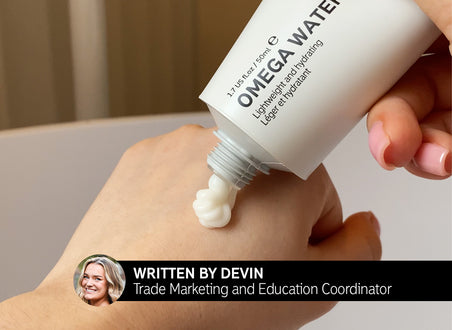
With so many options out there, it can be hard to know what products to use or what ingredients to look for. Let’s Make (sensitive) Skincare Simple, and start at the very beginning.
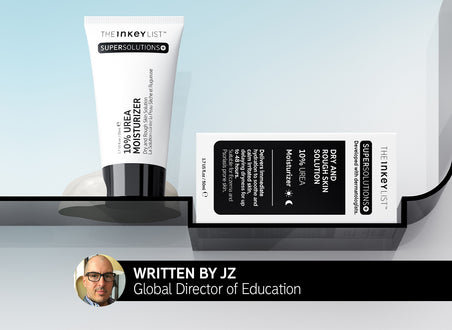
If you are looking for an ingredient that has dual benefits of effectively moisturizing and exfoliating dead skin buildup simultaneously, look no further than Urea. At The INKEY List, we believe it is the next trend ingredient! For those with dry or rough skin texture or those that are prone to eczema or psoriasis, we have your Solution.

So many things can cause facial redness—genetics, skin type, the environment, stress, breakouts, etc. With the right skin care formulas, you can not only soothe dry, itchy skin but you can prevent redness from happening in the first place.

When we think of the microbiome, the word may draw us to the world of digestion and gut health, but what about the microbiome of your skin? Learn what a Microbiome is, what can cause disruption to your Microbiome and what you can do to support it to achieve your best skin.

Sensitive skin is a broad term to describe skin that has reduced tolerance and can be aggravated by products or external/lifestyle stressors. It can be the result of damage to the skin barrier or as an allergic/irritated reaction to certain ingredients that it comes into contact with. If you have sensitive skin, it can require an adjustment to your daily skincare routine, exploration of the cause and a consciousness around the ingredients you’re using. Find out which INKEY List products are best suited to those who have sensitive skin.


