

Glycolic Acid for Ingrown Hairs: How It Works and How to Use It
Learn how glycolic acid helps prevent and treat ingrown hairs, with a simple step-by-step routine, results timeline, and expert-backed tips for smoother, bump-free skin.
Author
askINKEY skincare advisor
Published
01 August, 2026
Time to read
13 minutes
Ingrown hairs and razor bumps are among the most common frustrations after shaving, waxing, or plucking - and they can show up anywhere you remove hair, from your legs and bikini line to your underarms and beard area. The good news: glycolic acid for ingrown hairs is one of the most evidence-backed solutions available, and it does not require a complicated routine or a shelf full of products.
In this guide, you will learn exactly what ingrown hairs are, why they happen, how glycolic acid works to release trapped hairs and prevent new ones, a simple step-by-step routine, area-by-area guidance for legs, bikini line, underarms, and face, how long results realistically take, and how to keep bumps from coming back. If you want to jump straight to the solution, Our Glycolic Acid Exfoliating Body Stick ($20.00) is clinically proven to visibly reduce ingrown hairs in 7 days. And if you want to understand the ingredient itself first, you can learn more about glycolic acid on our dedicated ingredient page.
At INKEY, our approach is simple: clear guidance, proven ingredients, real results. No jargon, no hype - just what works and how to use it.
Before we get to the fix, it helps to understand what is actually happening under your skin.
What Are Ingrown Hairs and What Causes Them?
An ingrown hair is exactly what it sounds like: a hair that grows into the skin instead of up and out of it. Instead of exiting the follicle cleanly, the hair either curls back on itself and re-enters the skin, or grows sideways beneath the surface. Your skin treats that trapped hair like a foreign object, which triggers inflammation - and that is what creates the small, irritated bump you can see and feel.
It is a remarkably common experience. According to the Cleveland Clinic, ingrown hairs affect almost everyone who removes hair at some point, and for some people they are a near-constant companion to their shaving or waxing routine. So if you are dealing with them regularly, you are not doing anything wrong - your hair and skin are simply behaving the way biology sometimes makes them behave. The goal is to work with that biology, not fight it.
What Does an Ingrown Hair Look Like?
If you have ever wondered whether that bump on your bikini line or jaw is an ingrown hair, here is what to look for:
- Small, raised bumps in areas where you have recently shaved, waxed, or plucked
- A visible hair trapped beneath the surface - sometimes you can see a dark loop or line of hair under the skin
- Redness or discoloration - bumps may appear red, pink, or darker than the surrounding skin depending on your skin tone
- Itching or tenderness in and around the bump
- A pus-filled head, similar in appearance to a blemish, when the follicle becomes inflamed or infected
When ingrown hairs cluster in areas that are shaved frequently - most famously the beard and neck - they are often called razor bumps. The clinical name for this condition is pseudofolliculitis barbae, or PFB, and it is especially common wherever hair is coarse or curly. The Mayo Clinic notes that razor bumps can appear anywhere hair is removed, not just the face, which is why so many people notice them on the bikini line and underarms too.
One quick note before we go further: ingrown hairs are not the same as keratosis pilaris, the rough, sandpapery bumps that often appear on upper arms and thighs. If that sounds more like what you are dealing with, read our complete guide to treating keratosis pilaris instead - the causes and treatment approach are different.
What Causes Ingrown Hairs?
Four main factors drive ingrown hairs, and most people dealing with recurring bumps are experiencing a combination of at least two of them.
1. Shaving. A razor slices hair at an angle, leaving a sharp, pointed tip. As that hair regrows, the sharpened tip can pierce back into the skin far more easily than a naturally tapered hair would. This is why ingrown hairs after shaving are so common - every shave essentially creates thousands of tiny, sharpened hairs primed to re-enter the skin. Shaving too close, shaving against the grain, and stretching the skin taut while shaving all increase the risk, because they cause the hair to retract below the skin’s surface before it starts regrowing.
2. Waxing and plucking. Removing hair from the root sounds like it should solve the problem, but it often just delays it. When a waxed or plucked hair regrows, it has to travel all the way from the follicle back up through the skin - and if a layer of dead skin cells has built up over the follicle opening in the meantime, the new hair can get trapped beneath it. This is the classic mechanism behind ingrown hairs after waxing, and it is why bumps often show up one to three weeks after a wax, right when regrowth begins.
3. Naturally curly or coarse hair. Hair that curls above the skin also curls below and around it. Curly and coarse hair types are significantly more prone to curving back toward the skin as they grow, which is why ingrown hairs and razor bumps are more common in people with tightly curled hair - including many people with darker skin tones. This is not a hygiene issue or a technique failure; it is simply hair geometry. It does mean, however, that prevention strategies matter even more.
4. Clogged follicles. Even with perfect technique and straight hair, a buildup of dead skin cells can block the follicle opening. When a regrowing hair meets that blockage, it has nowhere to go but sideways or back down. This is the factor most people overlook - and, as you will see in the next section, it is precisely the factor glycolic acid addresses best.
Anyone who removes hair can get ingrown hairs, but if you shave frequently, have curly or coarse hair, or notice dead skin buildup in hair-removal areas, you are in the higher-risk group. Now that you know why hairs get trapped, here is why glycolic acid is one of the most evidence-backed ways to free them.
How Glycolic Acid Helps Ingrown Hairs (and Why It Beats Physical Scrubs)
Glycolic acid is an alpha hydroxy acid (AHA) with the smallest molecule in the AHA family, which means it works efficiently at the skin’s surface where dead skin cells accumulate. If you want the full ingredient deep-dive, our glycolic acid page covers everything - but for ingrown hairs specifically, there are two mechanisms that matter, and both are backed by published research.
Mechanism One: It Clears the Trap
The first way glycolic acid helps is through a process called keratolysis. In plain English: glycolic acid dissolves the bonds that hold dead skin cells together on the surface of your skin. That layer of dead cell buildup is exactly what traps regrowing hairs beneath the surface after waxing, and what blocks follicle openings after shaving.
By loosening and clearing that layer on a regular basis, glycolic acid keeps the path out of the follicle open. Hairs that would otherwise hit a wall of dead skin and turn sideways can instead break through cleanly. Think of it less like treating individual bumps and more like keeping the exit door unlocked for every hair on that patch of skin.
Mechanism Two: It Changes the Hair Itself
This is the part most people have never heard, and it is what makes glycolic acid genuinely different from other exfoliants for this specific problem. Research suggests that glycolic acid does not just work on the skin - it works on the hair shaft too. By reducing sulfhydryl bonds within the hair, glycolic acid can decrease the curvature of the hair shaft, making hairs straighter as they grow and therefore less likely to curl back and pierce the skin.
Remember from Section 1 that hair curvature is one of the four major drivers of ingrown hairs. Glycolic acid is one of the very few topical ingredients with evidence that it addresses this driver directly, rather than just managing the aftermath.
The Clinical Evidence
This is not theoretical. A published clinical study on pseudofolliculitis barbae - the medical term for razor bumps - tested topical glycolic acid against a placebo in a split-face design. The results were striking.
In a published clinical study, topical glycolic acid reduced razor bump lesions by over 60% compared to placebo - and participants were able to shave daily with little irritation.
That last detail deserves emphasis. The participants in the study did not have to stop shaving to get results. For anyone who has been told the only real fix for razor bumps is to grow out their hair, that finding is genuinely meaningful: glycolic acid allowed daily shaving while the bumps improved. The American Academy of Dermatology’s razor bump guidance similarly supports gentle chemical exfoliation as part of a razor bump management approach.
There is a bonus benefit, too. Ingrown hairs frequently leave behind dark marks after the bump itself heals - a form of post-inflammatory discoloration that can linger for weeks or months, particularly on medium and deeper skin tones. Regular, gentle chemical exfoliation with glycolic acid helps speed the fading of that discoloration by encouraging fresh cell turnover, so you are not just treating today’s bumps but also softening the record of last month’s.
Glycolic Acid vs Physical Scrubs
If you have been attacking your ingrown hairs with a gritty scrub or exfoliating mitt, here is why it is time to switch. Physical scrubs can smooth skin temporarily, but they come with two real limitations for ingrown hairs.
First, scrubbing over inflamed bumps is abrasive by definition. Dragging grit across irritated, raised skin can worsen inflammation, break the surface of the bumps, and increase the risk of infection and dark marks - the exact opposite of what you want. Second, and more fundamentally, a scrub can only work on the very top of your skin. It cannot dissolve the bonds between dead skin cells evenly, and it certainly cannot influence the curvature of the hair shaft. Glycolic acid exfoliates chemically and evenly across the entire treated area, with zero abrasion, and works on both the trap and the hair.
You may also have heard about salicylic acid for ingrown hairs - and it is a legitimate option, particularly for oily, congestion-prone areas, because it works inside the pore rather than on the surface. The honest answer is that the two acids are complementary rather than competitive, which is exactly why our hero Body Stick contains both. If you want the full breakdown, read our glycolic acid vs salicylic acid comparison guide.
The science is solid - here is exactly how to put it to work in your routine.
How to Use Glycolic Acid for Ingrown Hairs: Step-by-Step Routine
If you have been searching for how to get rid of ingrown hairs, this is the practical part. The routine below is deliberately simple - three steps, a few minutes, and one golden rule that governs everything.
The golden rule: wait at least 8 hours after shaving or waxing before applying glycolic acid. Freshly hair-removed skin has microscopic openings and a temporarily compromised barrier. Applying an acid immediately afterward will sting, can trigger irritation, and does nothing extra for results. Shave or wax in the morning, apply glycolic acid in the evening - that is the rhythm that works.
Step 1: Cleanse Gently
Start with a gentle body cleanse in the shower. The goal here is simply clean skin, not exfoliation - avoid harsh soaps, gritty scrubs, and aggressive washcloths on ingrown-prone areas, since the active exfoliation work is coming in the next step. Lukewarm water is better than hot, which can dry the skin and make it more reactive to actives. Pat dry rather than rubbing.
Step 2: Target with the Body Stick
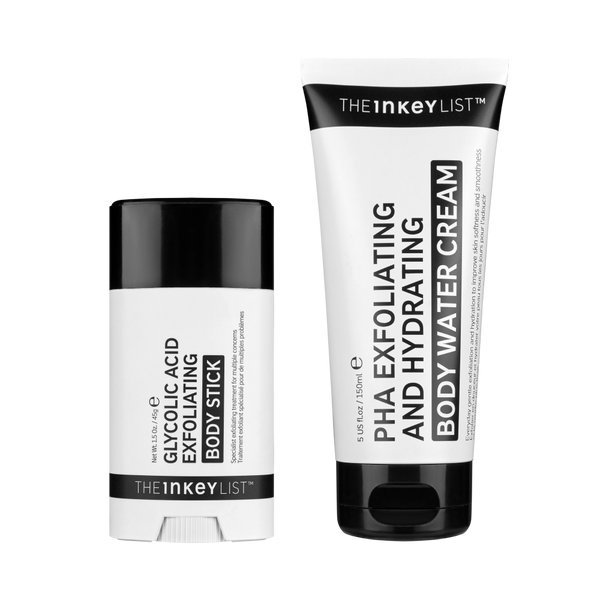
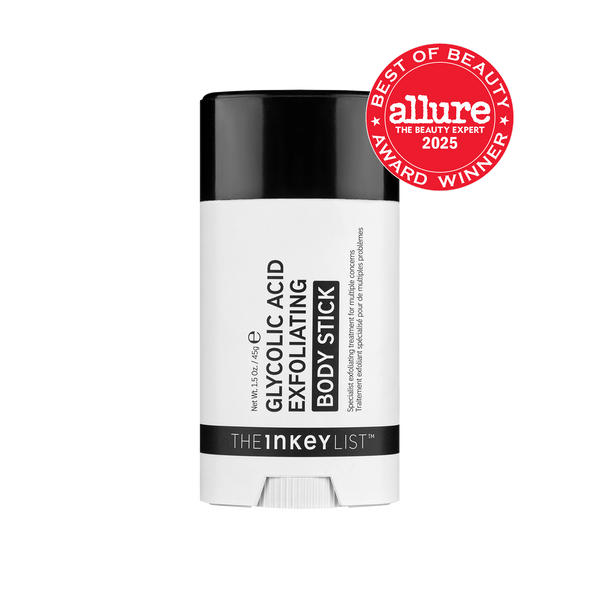
This is the core of the routine. Apply Our Glycolic Acid Exfoliating Body Stick ($20.00) directly to ingrown-prone areas - swipe it over the skin like a deodorant stick, no rinsing required.
Here is exactly what is in it and why:
- 7% Glycolic Acid - the workhorse, clearing dead skin buildup and helping reduce hair curvature, per the mechanisms covered above
- 0.5% Salicylic Acid - a low, well-tolerated dose that works inside the follicle where glycolic acid does not reach
- 10% Shea Butter - buffering hydration that makes a leave-on acid comfortable enough for daily use
The Body Stick is clinically proven to visibly reduce ingrown hairs in 7 days, based on a 4-week consumer study of 100 people. That is a real study basis, not a marketing flourish - and you will see us repeat the study details every time we mention the claim, because that is how evidence-backed claims should be stated.
Start with 2-3 evenings a week on clean, dry skin. If your skin is comfortable after the first week or two - no stinging, no redness, no tightness - build up gradually toward daily use. If you are searching for the best exfoliant for ingrown hairs, a targeted leave-on format like this is what dermatology-informed routines favor over rinse-off scrubs: the actives stay on the skin long enough to actually work.
Step 3: Hydrate and Maintain
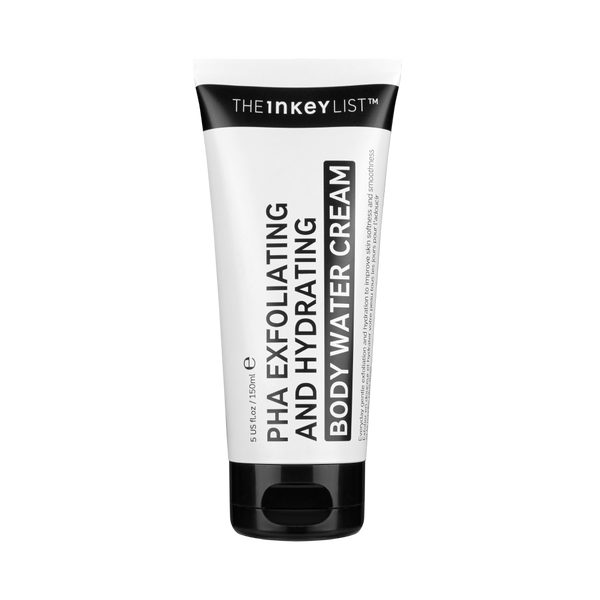
Exfoliation without hydration is a half-finished job. Follow the Body Stick with PHA Body Water Cream ($15.00) for lightweight, fast-absorbing hydration across the whole body. Its gentle polyhydroxy acids also provide mild maintenance exfoliation on the days between Body Stick applications, keeping skin smooth without ever tipping into over-exfoliation.
Two safety notes that apply to every step:
Patch test first. Before using any new active on a larger area, apply a small amount to a discreet patch of skin and wait 24 hours. It takes one minute and saves a lot of potential frustration. Here is why you should always patch test new products and how to do it properly.
Use SPF on exposed treated areas. Chemically exfoliated skin is more sensitive to the sun. If the areas you are treating will be exposed - legs in shorts, arms in a tank top - apply a broad-spectrum SPF during the day. This is standard practice with any AHA and worth building into your routine from day one.
One routine, but not one-size-fits-all - here is how to adapt it for each area of the body.
Using Glycolic Acid by Body Area: Legs, Bikini Line, Underarms, Face and Beard
Skin is not uniform. The skin on your shins is thicker and more resilient than the skin in your underarms, and the beard area has its own rules entirely. Here is how to tailor the routine to each zone.
Legs
Legs are the largest and generally the most tolerant area, which makes them the easiest place to start. Apply the Glycolic Acid Exfoliating Body Stick to ingrown-prone patches - typically shins, calves, and the backs of thighs - in the evening, always respecting the 8-hour post-shave window. Begin at 2-3 times weekly and build to daily as tolerated.
A useful side effect: because glycolic acid clears dead skin buildup broadly, most people notice their leg texture improving overall, not just fewer ingrown hairs. Rough, dull patches tend to smooth out over the same few weeks that the bumps calm down.
Bikini Line
The bikini line is the most ingrown-prone zone on the body, and it is not hard to see why: coarse, curly hair, frequent removal, friction from underwear, and delicate skin all converge in one place.
Apply the Body Stick to the outer bikini line only - never on mucous membranes and never on broken skin. Start at 2 evenings a week here, even if your legs are already tolerating daily use, because this skin is more reactive.
The 8-hour rule matters most in this zone, especially after waxing. Ingrown hairs after waxing typically appear one to three weeks later, when regrowing hairs meet dead skin buildup at the surface - so the smartest approach is consistent use between waxes, keeping follicle openings clear before regrowth arrives, rather than reacting after bumps appear.
There is also a specific claim worth knowing here: the Body Stick is clinically proven to reduce bikini area discoloration in 28 days. If past ingrown hairs have left dark marks along your bikini line, consistent use addresses both the bumps and the shadows they left behind.
Underarms
Underarm skin is thin, folded, and shaved more frequently than almost anywhere else - a combination that demands a slower start. Begin with the Body Stick just 1-2 times weekly and increase only if your skin stays completely comfortable.
The practical wrinkle here is deodorant. Do not apply an acid and a deodorant or antiperspirant at the same time; layering the two on thin underarm skin is a recipe for stinging. The simple fix is alternating: deodorant in the morning, Body Stick at night, never in the same application window. The 28-day discoloration claim applies to underarms as well, which is welcome news if dark underarm marks from years of shaving are part of what brought you here.
Face and Beard Area
The Body Stick is formulated for the body, so for beard bumps the right tool is Our Glycolic Acid Toner ($18.00). Sweep it over bump-prone areas of the beard and neck a few evenings a week after cleansing.
If any area deserves confidence in this approach, it is this one: the clinical study covered in Section 2 - the one showing over 60% reduction in razor bump lesions - was conducted specifically on the beard area. The strongest published evidence for glycolic acid and ingrown hairs comes from exactly the zone you are treating.
Use the toner in the evening only, and be diligent about broad-spectrum SPF the next morning, since facial skin gets daily sun exposure whether you plan it or not.
Universal rules, whatever the area: patch test each new zone before regular use (tolerance on your legs does not guarantee tolerance on your bikini line), and never apply glycolic acid to broken skin or skin shaved within the last 8 hours. To see the full range of what this ingredient can do beyond ingrown hairs, our glycolic acid page has you covered.
Wherever you are treating, the next question is the same: how soon will you actually see a difference?
How Long Until You See Results - and Do Ingrown Hairs Go Away on Their Own?
Let’s set expectations honestly, because this is where a lot of skincare content overpromises and readers give up two weeks in.
Visibly reduced ingrown hairs in 7 days - results from a 4-week consumer study of 100 people using the Glycolic Acid Exfoliating Body Stick.
That is the headline claim for Our Glycolic Acid Exfoliating Body Stick, and we state the study basis every time because a claim without its evidence is just a slogan. Here is what the realistic timeline looks like in practice:
- Days 1-7: existing bumps calm down. Inflammation around current ingrown hairs begins to settle, and trapped hairs start breaking through as the dead skin layer clears. This is the “visibly reduce” window from the study.
- Weeks 1-2: fewer new ingrowns. With consistent use, regrowing hairs increasingly find a clear path out of the follicle. You will notice fewer new bumps forming after each shave or as waxed hair regrows.
- Weeks 2-4 and beyond: discoloration fades. Dark marks left by old ingrown hairs fade more gradually. The clinically supported timeframe for underarm and bikini area discoloration is 28 days, and deeper or older marks may take longer still.
Do Ingrown Hairs Go Away on Their Own?
Honest answer: many do. Given enough time, most trapped hairs eventually break through the skin or shed with the natural hair cycle, and the bump resolves. But “eventually” can mean weeks, and the waiting game has real downsides - some ingrown hairs become increasingly inflamed, some develop into painful, pus-filled bumps, and many leave behind dark marks that outlast the bump itself by months.
Glycolic acid does not change what your skin would eventually do; it accelerates it and reduces the collateral damage. Clearing the dead skin layer helps trapped hairs surface faster, and reducing inflammation along the way means less discoloration left behind.
Whatever you do, do not squeeze, pick, or dig at an ingrown hair with tweezers or fingernails. Digging into the skin introduces bacteria into an already inflamed follicle, dramatically raising the risk of infection, and the trauma is a leading cause of the scarring and dark marks people then spend months trying to fade. If a hair loop is visibly at the surface, gently freeing it with a clean, sterilized point is the absolute limit - anything deeper is a job for exfoliation and patience.
When to Seek Professional Help
Skincare has limits, and it is important to know them. If a bump is persistently painful, growing, hot to the touch, spreading, or looks infected - significant pus, expanding redness, or fever - it is time for a professional opinion rather than another product. The Mayo Clinic’s guidance on ingrown hairs is a solid reference for warning signs, and a dermatologist or healthcare provider can treat infected follicles properly and quickly.
One final framing before we move on: this is maintenance, not a cure. Hair keeps growing, which means the conditions that create ingrown hairs keep recurring - so the routine keeps working for as long as you keep using it. That is not a catch; it is the same logic as brushing your teeth. Consistency is the entire game.
Treating ingrown hairs is only half the job - here is how to stop them coming back in the first place.
How to Prevent Ingrown Hairs Coming Back
The best ingrown hair is the one that never forms. If you have been searching for how to prevent ingrown hairs, the answer is a combination of smarter hair removal technique, better aftercare, and consistent maintenance between sessions. None of it is complicated, and most of it costs nothing.
Shave Smarter
Technique is where most preventable ingrown hairs begin. These habits, aligned with American Academy of Dermatology razor bump guidance, make an outsized difference:
- Soften first. Shave during or immediately after a warm shower, when water has softened the hair. Soft hair cuts cleanly with a blunter tip, which is less likely to pierce back into skin.
- Never shave dry. Always use a shaving gel or cream to reduce friction and protect the skin barrier.
- Keep your blade sharp. A dull razor drags, tugs, and requires multiple passes. Replace blades regularly, and consider a single-blade razor if bumps are persistent - multi-blade razors cut below the skin surface, which increases ingrown risk.
- Shave with the grain. Shaving in the direction of hair growth leaves a slightly less close shave but a far friendlier hair tip. This single change is often the biggest win for people with recurring razor bumps.
- Do not stretch the skin. Pulling skin taut causes cut hairs to retract below the surface, where regrowth is more likely to go wrong.
- Rinse the blade after every stroke and take as few passes as possible over each area.
Care for Skin Immediately After
When you finish shaving or waxing, rinse the area with cool water to calm the skin and close the moment of vulnerability, then moisturize immediately while skin is still slightly damp. Hydrated skin is flexible skin, and flexible skin lets regrowing hairs pass through more easily. Then - and only then, after the 8-hour window - resume your glycolic acid routine that evening or the next day.
Maintain Between Hair Removal Sessions
This is the step most people skip, and it is the one that determines whether next week’s regrowth gets trapped. If you want to know how to stop ingrown hairs long term, the answer lives in the days between shaves and waxes, not the day of.
Consistent, gentle chemical exfoliation keeps follicle openings clear so that regrowing hairs are never blocked in the first place. In practice, that means the Glycolic Acid Exfoliating Body Stick on your known trouble zones, plus PHA Body Water Cream as your everyday all-over moisturizer - hydration and mild maintenance exfoliation in one step, gentle enough for daily use everywhere.
Be Honest About Your Hair Removal Method
If shaving reliably triggers bumps no matter how good your technique gets, it is worth stepping back and reconsidering the method itself. Letting hair grow slightly longer, trimming with clippers instead of shaving to skin level, or exploring longer-term hair removal options are all legitimate paths - the study evidence on glycolic acid is strong, but no topical can override a removal method that fundamentally disagrees with your hair type. There is no product to sell you in this paragraph; it is simply the honest advice a knowledgeable friend would give.
Mind the Friction
One last, frequently overlooked factor: clothing. Tight leggings, snug underwear, and compression fabrics pressed against a freshly shaved bikini line or underarms push regrowing hairs sideways and trap heat and moisture against irritated follicles. For the first day or two after hair removal in those zones, looser, breathable fabrics measurably reduce the risk of trapped hairs. It is a small change that costs nothing and compounds with everything else in this section.
The Bottom Line on Glycolic Acid for Ingrown Hairs
Ingrown hairs happen when dead skin buildup and curling hairs trap regrowth beneath the surface - and glycolic acid addresses both sides of that equation, clearing the trap and helping straighten the hair itself. The evidence is real: published research shows topical glycolic acid reduced razor bump lesions by over 60% while participants continued shaving daily. A simple routine - the targeted Body Stick on prone areas, gentle hydration, smarter shaving habits - visibly reduces ingrown hairs in as little as 7 days, and consistency is what keeps skin smooth from there.
Here is what we believe at INKEY: you do not need more products, you need the right ingredient used the right way. Clear guidance. Proven ingredients. Real results.
Ready for smoother, bump-free skin? Start with Our Glycolic Acid Exfoliating Body Stick - $20.00 - clinically proven to visibly reduce ingrown hairs in 7 days. Want to understand the ingredient first? Explore everything glycolic acid can do for your skin.
Frequently Asked Questions
Got a question?
Our askINKEY team are a friendly bunch of skincare experts with deep product knowledge and zero judgement. Whether you're an ingredient obsessive or just starting out, we'll make it make sense. No question too big. No question too small. We Give A Care, Every Day.


