



The Smarter 3-Step Winter Routine for a Stronger Barrier
A barrier-first 3-step winter routine to stop dryness, flaking and tightness - cleanse gently, hydrate, then seal with ceramides.
Author
askINKEY skincare advisor
Published
03 October, 2026
Time to read
8 minutes
Winter does not simply dry out your skin. It weakens your skin barrier, which is the outer layer of your skin that holds moisture in and keeps irritation out. When that barrier is under pressure, skin feels tight, looks flaky and reacts to products it normally tolerates. The good news is that this is predictable, and it is fixable.
This article gives you the straightforward version. You will learn why skin gets drier and more reactive in the cold months, a smarter 3-step winter skincare routine built around cleansing gently, hydrating and then sealing and strengthening, and why a ceramide step is the one most people are missing. We will also cover the daily habits that keep your barrier strong and answer the most common winter skin questions at the end.
The star of this routine is our Bio-Active Ceramide Moisturizer ($22), which does the heavy lifting in Step 3. Before we get into the science, here is a quick orientation. If you want the bigger picture on how to spot and support a stressed barrier, start with our pillar on the damaged skin barrier. If you want to zoom out to the whole year, read your complete seasonal skincare routine guide.
One thing to hold onto before you buy a single new product: you do not need more skincare for winter. You need the right few steps, used in the right order. That is the whole idea here.
What you will learn:
- Why your skin gets drier and more reactive in winter
- A simple 3-step winter skincare routine that protects the barrier
- The ceramide step most people skip, and why it matters
Why Your Skin Gets Drier in Winter
Let us start with the basics, because understanding the problem makes the solution obvious. Your skin barrier is the top layer of your skin that locks moisture in and keeps irritants out. When it is working well, you barely notice it. When it is compromised, you feel it immediately in the form of tightness, roughness and sensitivity.
Winter puts that barrier under a very specific kind of stress. Cold outdoor air holds less moisture than warm air, so the environment is effectively thirsty and pulls water from your skin. Indoors is not much better, because central heating creates warm, dry air with low humidity. Then there is the classic winter comfort of a long, hot shower, which feels wonderful and quietly strips the natural oils your skin depends on. Add harsh winds on exposed areas like the face, and your barrier is being chipped away from several directions at once.
Here is the quick list of winter triggers working against you:
- Cold outdoor air that holds less moisture
- Low humidity, both outside and in
- Indoor heating that dries the air you sit in all day
- Hot showers and hot water that strip natural oils
- Wind exposure on the face and hands
All of this increases something called transepidermal water loss, which is simply water escaping through the skin into the air. A little of this is normal and happens all the time. In winter, it accelerates. If you want the full explanation of how that process works, we cover it in what is TEWL (transepidermal water loss).
There is also an ingredient-level reason your skin struggles in the cold. Ceramides are the natural fats that sit between your skin cells and hold them together, a bit like mortar between bricks. These barrier lipids, including ceramides, tend to drop in colder months. A peer-reviewed study on seasonal change found that ceramide levels in the outer skin fall and water loss rises in winter. With less of that natural mortar, water escapes more easily, and skin ends up tight, flaky and reactive. If you want to understand the hero ingredient of this routine before we get there, read what is ceramide NP.
None of this means your skin is broken. It is a seasonal, well-documented pattern. The American Academy of Dermatology notes that cold weather and dry air draw moisture from the skin, which is exactly what a smarter winter skin barrier routine addresses. The fix is not a cabinet full of new products. It is a deliberate, repeatable routine that supports what winter takes away.
The Smarter 3-Step Winter Skincare Routine, Explained
Before the step-by-step, here is the logic in one glance, because the order is what makes it work.
- Cleanse gently so you do not strip an already stressed barrier.
- Hydrate to put water back into the skin.
- Seal and strengthen with ceramides to lock that water in and reinforce the barrier.
Think of it like watering a plant in dry weather. First you avoid damaging the soil, then you add water, then you cover it so the water does not evaporate straight back out. Skip the last step and the hydration you added in Step 2 simply escapes.
This is the heart of what to add to your winter skincare routine, and it works morning and night with small swaps. In the day, keep things a little lighter so everything sits well under sunscreen. At night, go richer and let the heavier textures do their repair work while you sleep. The order never changes, all winter long. If you want the deeper reasoning on barrier repair behind this structure, our damaged skin barrier pillar is the place to go.
Now, the three steps in detail.
Step 1: Cleanse Gently, Without Stripping
Cleansing is where most winter routines go wrong before they even begin. Harsh or heavily foaming cleansers can strip the natural oils your barrier needs, and in winter those oils are already in short supply. A squeaky-clean, tight feeling after washing is not a sign of clean skin. It is usually a sign you have gone too far.
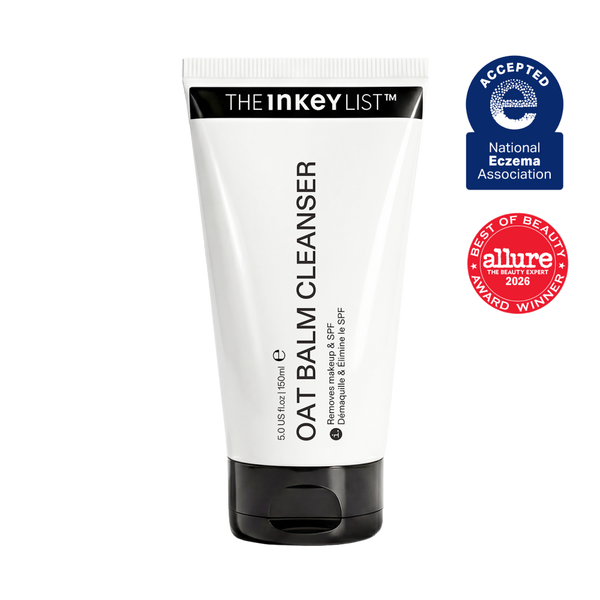
The fix is a gentler texture. A cream or balm cleanser removes makeup, sunscreen and the day’s build-up while leaving skin comfortable rather than stripped. Our Oat Cleansing Balm ($17) is a good match for sensitive winter skin, melting away grime without the tight after-feel.
A practical tip: cleanse for around 60 seconds using lukewarm water, never hot. Hot water feels great on a cold morning, but it accelerates the oil-stripping effect that winter is already causing.
If your skin is oily or combination but still gets dry and tight in the cold, the goal is the same. A non-stripping cleanse keeps your oil balance steady instead of triggering the overproduction that follows aggressive washing. Clean, comfortable skin is now ready to take on water, which brings us to Step 2.
Step 2: Hydrate to Put Water Back In
Here is a distinction worth learning because it quietly determines how well your routine works: hydration adds water to the skin, while the next step seals that water in. In winter you need both. Hydration without sealing is a bucket with a hole in it.
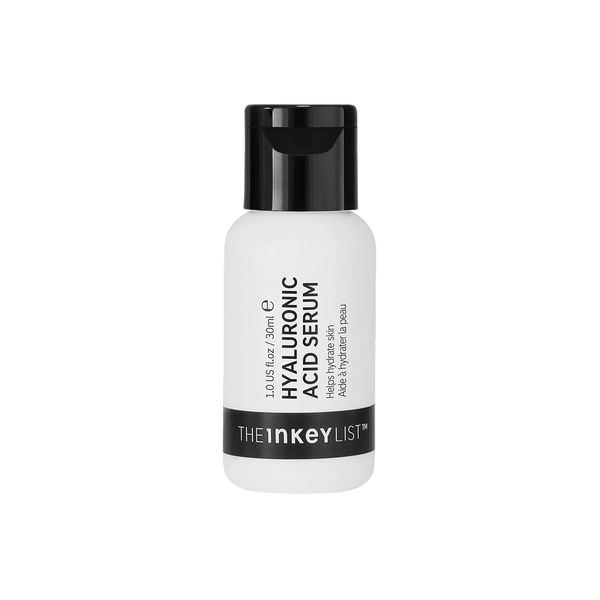
For most skin types, a lightweight, water-grabbing serum is the easy choice. A Hyaluronic Acid Serum draws water into the skin at multiple depths and layers easily under everything else. Hyaluronic acid is a humectant, meaning an ingredient that attracts and holds water.
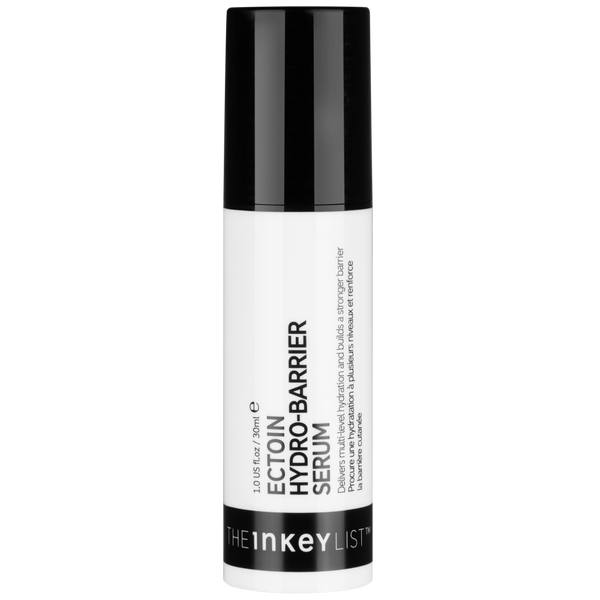
For sensitive, reactive or very barrier-stressed winter skin, there is a smarter option. Our Ectoin Hydro-Barrier Serum ($17) hydrates while also supporting the barrier, which is ideal when skin is feeling raw or over-reactive. Ectoin is a soothing, moisture-protecting ingredient that is well suited to stressed skin.
A practical tip for both options: apply your serum to slightly damp skin. Humectants work by grabbing onto nearby water, so a little surface moisture gives them more to hold.
Remember, though, that no serum is the finish line. Hydration alone will not protect you through winter, which is why the question of the best moisturizer for winter dry skin leads straight to the next step. If you want the clearest explanation of why hydrate-then-seal wins, read hyaluronic acid vs ceramides.
Step 3: Seal and Strengthen With Ceramides
This is the step that changes winter skin, and it is the one most people are missing. Ceramides top up the natural fats your barrier loses in the cold. By replacing that lost mortar, a ceramide moisturizer helps seal in the hydration you just added and reduces the water loss that causes tightness and flaking in the first place.
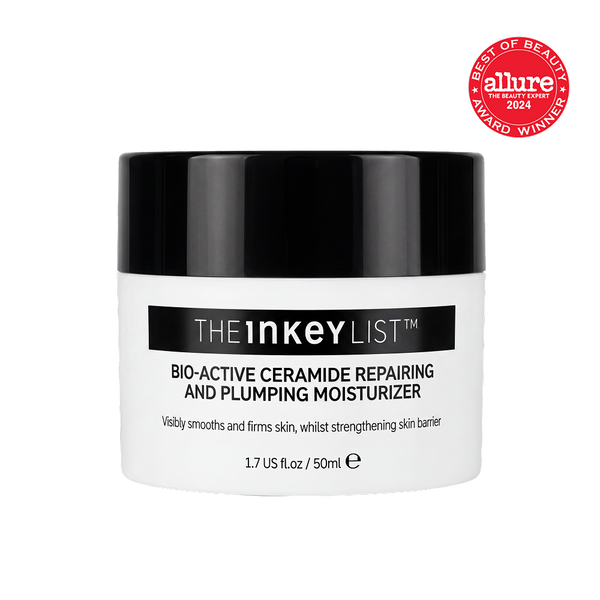
Our hero here is the Bio-Active Ceramide Moisturizer ($22). It uses bioactive ceramide to help visibly firm, smooth and strengthen the look of the skin barrier, while soothing winter dryness and cushioning early signs of aging. It is the seal-and-strengthen step the whole routine is built around, and it is priced honestly so the right choice is also an easy one.
You may wonder what bioactive means here. In short, bioactive ceramides are designed to be more readily used by the skin than standard ceramides. Rather than over-explain it, we have a full breakdown in bio-active ceramides vs regular ceramides. This is the detail behind how to repair the look of your skin barrier through the coldest months.
Do not forget your eyes and neck. Winter dryness tends to show first where skin is thinnest. The eye area is the classic early-warning zone for dryness and fine lines, so our Bio-Active Ceramide Eye Cream ($16) is a worthwhile addition. The neck is the forgotten dry zone, often ignored until it is visibly rough, which is where the Bio-Active Ceramide Neck Stick ($17) earns its place. Treat the neck and eye area as part of your face, not an afterthought.
If you have oily or combination skin but still want barrier support, you are not left out. Our Omega Water Cream ($15) is a lighter option that still seals in hydration without feeling heavy.
A practical tip on timing: apply your moisturizer as the last skincare step at night so nothing blocks it, and apply it in the morning before you follow with a broad-spectrum sunscreen. This step ties directly back to barrier repair, which you can explore further on our damaged skin barrier pillar. With the routine set, a few daily habits will make it work even harder.
Winter Skin Habits That Strengthen Your Barrier
The three steps do the main work, but how you live around them matters too. These small habits answer how to protect skin in winter and how to stop winter skin from flaking, and none of them cost anything.
- Keep showers and washes lukewarm and shorter. Hot water strips oils, and long exposure makes it worse.
- Run a humidifier indoors. It adds moisture back into heated air, which eases the dryness central heating creates.
- Apply hydrating and sealing steps to slightly damp skin so you trap more moisture.
- Ease off exfoliation in winter. Over-exfoliating thins an already stressed barrier, so scale it back.
- Protect your barrier by day. Finish your morning routine with a broad-spectrum sunscreen. UV exposure continues in winter, even on gray days.
- Reapply hand and lip care often, and treat the neck and eye area as part of the face.
These habits reinforce the independent guidance from the American Academy of Dermatology, which recommends moisturizing and protecting skin in cold weather. Consistency beats intensity every time. Now, some quick answers to the questions we hear most.
Conclusion and Next Step
Winter weakens the skin barrier, so the smart response is simple and repeatable: cleanse gently so you do not strip it, hydrate to put water back in, then seal and strengthen with ceramides to lock it all in. That is the entire routine, and it holds up all winter with only minor morning and evening swaps.
The brand belief behind this is worth repeating, because it saves you money and stress. You do not need more skincare. You need the right few steps you can trust, used in the right order. That is how a winter skin barrier stays strong.
Two clear next steps. First, learn how to spot and support a stressed barrier on our damaged skin barrier pillar. Second, make Step 3 effortless with our hero, the Bio-Active Ceramide Moisturizer ($22). Because we give a care.
Frequently Asked Questions
Got a question?
Our askINKEY team are a friendly bunch of skincare experts with deep product knowledge and zero judgement. Whether you're an ingredient obsessive or just starting out, we'll make it make sense. No question too big. No question too small. We Give A Care, Every Day.


