



Skincare for Teens and Tweens: A Simple Routine Guide for Every Age
Skincare for teens and tweens, made simple. What a teenager actually needs, what a tween does not, and how to build a gentle routine that works.
Author
askINKEY skincare advisor
Published
30 August, 2026
Time to read
13 minutes
This guide covers three things: what a teenager’s skincare routine should actually include, what a tween’s routine should include, and what neither of them needs to buy. Teen skincare and tween skincare are not the same thing, and treating them as one category is where most advice goes wrong. A 16 year old dealing with oil and breakouts and an 11 year old whose skin is doing nothing unusual need completely different answers, so this guide handles them separately.
The honest position first, because it shapes everything below: most young skin needs very little. More products is not better, and a longer routine is not a more effective one. If you are a parent working out what to buy for your child, or a teenager building a first routine and trying to filter out the noise, this is written for you. Everything here is deliberately short, deliberately gentle, and deliberately honest about the point at which skincare stops helping and starts causing problems.
At What Age Should You Start a Skincare Routine?
There is no universal starting age. A skincare routine usually becomes genuinely useful around the start of puberty, when hormonal changes begin to affect how much oil the skin produces. Before that point, there is very little for a routine to do.
To say it plainly: tweens under 12 generally do not require a skincare routine. Washing the face with a gentle cleanser and wearing sun protection is enough for most children. That is not us being dismissive or withholding, it is simply what the skin needs at that stage.
The reasoning is straightforward. Young skin is generally producing balanced oil, healing quickly, and has not yet gone through the hormonal shifts that drive congestion, blackheads and breakouts. Skincare works by addressing something. When there is nothing to address, products are at best unnecessary and at worst irritating. Buying a six step routine for a 10 year old is not giving them a head start, because there is no head start to be had.
We know this runs against a great deal of what young people see online, where elaborate routines are presented as aspirational and normal. We would rather be useful than fashionable. If a brand that sells skincare is telling you your child probably does not need most of it yet, that is a reasonable signal the advice is not being written to move stock.
The three things that genuinely matter at any age:
Cleanse. Keep the skin clean without stripping it.
Moisturize. Support the barrier when skin feels dry or tight.
Protect. Wear sun protection daily.
Everything beyond these three is optional, and only worth adding when there is a specific reason to add it.
Throughout this guide we use rough age framing: tween means around 10 to 12, teen means 13 and over. Skin does not read birthdays. Puberty timing varies enormously between individuals, so treat these brackets as a guide to where your child probably sits rather than a rule. Some 12 year olds have visible oil and blackheads. Some 15 year olds do not. Work from what the skin is actually doing, not from the number.
One more thing before the practical advice begins. Persistent or distressing skin concerns at any age are worth raising with a dermatologist or physician. Skincare products can support skin, but they are not a substitute for medical advice, and we will say so again later in this article because it matters more than any product recommendation we could make.
If you want help working out what you are actually dealing with before spending anything, What’s Your Skin Type? is the place to start. For the wider case for keeping things minimal, our Simple Skincare Routine: The Smart Skinimalism Guide makes the argument in full.
Now that the question of when is settled, it is worth understanding what is actually changing in the skin, because every recommendation that follows depends on it.
What Actually Changes in Teenage Skin
Puberty changes skin through hormones. As hormone levels rise, the sebaceous glands produce more sebum, the skin’s natural oil. That extra oil can mix with dead skin cells and block pores. Blocked pores are what produce blackheads and breakouts. This is not a hygiene failure, a diet failure or a skincare failure. It is a normal physiological process happening to almost everyone at roughly the same time.
Understanding that changes how you respond to it. If the underlying driver is hormonal, then no cleanser is going to switch it off, and expecting one to will lead to a cycle of buying stronger and stronger products in search of a result that was never available. What good skincare can realistically do at this age is manage the surface effects gently and keep the skin barrier in good condition while the hormonal picture settles over several years.
The second thing to understand is why young skin needs a gentler approach than adult skin. This is where our Co-Founder puts it better than we could.
“We do have to take care when using skincare as teens, this is due to the fact that the dermis is thinner and therefore more likely to be easily damaged and irritated by strong actives. The skin continues its maturity through puberty and into adulthood. There isn’t a one-size-fits all recommendation for early teens, as much of what is experienced is driven by hormonal changes and puberty. However, that does not mean that there aren’t certain skincare measures that can be beneficial, and in some cases essential, as in SPF.” Mark Curry, Co-Founder, INKEY
That is the clinical justification for the restraint we recommend across this entire guide. Thinner, still-maturing skin is more reactive to strong ingredients. The same active that an adult tolerates comfortably can leave young skin red, tight and sore. Gentleness here is not a soft option, it is the technically correct one.
Which brings us to the most common mistake we see. Skin looks oily, so it gets attacked. Harsh foaming washes, multiple cleanses a day, scrubbing, astringent products, sometimes all at once. It feels productive because the skin is squeaky and matte afterwards. The problem is that squeaky is a warning sign, not a success. Over-cleansing damages the skin barrier, the outer layer that holds moisture in and irritants out. A compromised barrier means more sensitivity, more redness, and frequently more oil, because skin that has been stripped can respond by producing more. You can read the full picture on our What is a Damaged Skin Barrier? page, and if oil is the main concern then Why Is My Skin So Oily? and What is Oily Skin? go deeper into the mechanism.
There is a related confusion worth clearing up, because it causes a lot of wasted money. Oily skin and dehydrated skin are not opposites, and teens very often have both simultaneously. Oil is sebum. Hydration is water content. Skin can be producing plenty of the first while lacking the second, which is why a face can look shiny by lunchtime and still feel tight after washing. Treating only the oil, with ever more mattifying and stripping products, tends to worsen the dehydration and push the skin further out of balance. The fix is not more oil control, it is adding water back in while cleansing more gently.
Blackheads deserve a brief mention here too, since they are the concern that brings a huge number of teens to skincare in the first place. They are pores blocked with oil and dead skin cells where the surface has oxidized and darkened. They are not trapped dirt, which is precisely why scrubbing harder does not remove them and usually just irritates the surrounding skin. Our What are Blackheads? explainer covers this properly.
Finally, expect the picture to move. Skin at 13 is frequently not the skin someone has at 17. Oil production, breakout patterns and sensitivity all shift through the teenage years, so a routine that suited a younger teen may need adjusting later. Reviewing it every so often is completely normal and not a sign that anything has gone wrong.
With the science covered, the youngest group gets the shortest answer of all.
Tween Skincare: What a 10 to 12 Year Old Needs
For most tweens, a full routine is unnecessary. Two or three steps is the realistic maximum, and one of those steps is sun protection. That is the honest answer, and it will save a lot of money.
Here is the entire routine we would recommend for a typical 10 to 12 year old:
- A gentle cleanser, once or twice a day. Morning and evening at most. If the skin is not oily and the day has been ordinary, a single evening cleanse is genuinely fine.
- A light moisturizer, if the skin feels dry or tight. This one is conditional. If the skin feels comfortable without it, it is not required.
- Sun protection, daily. The single most valuable habit anyone can build at this age, and the one worth being consistent about.
That is it. No serums, no exfoliating acids, no targeted products for concerns that are not present.
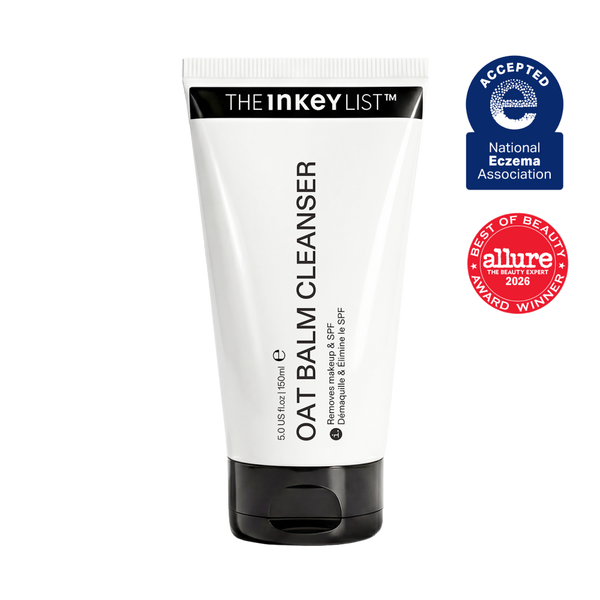
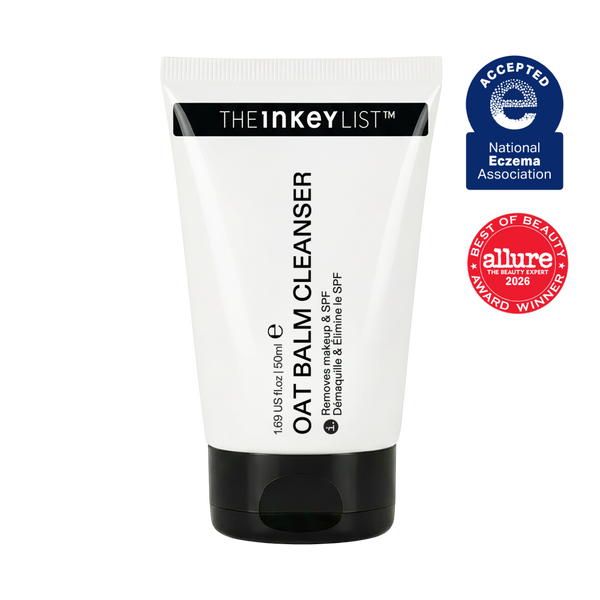
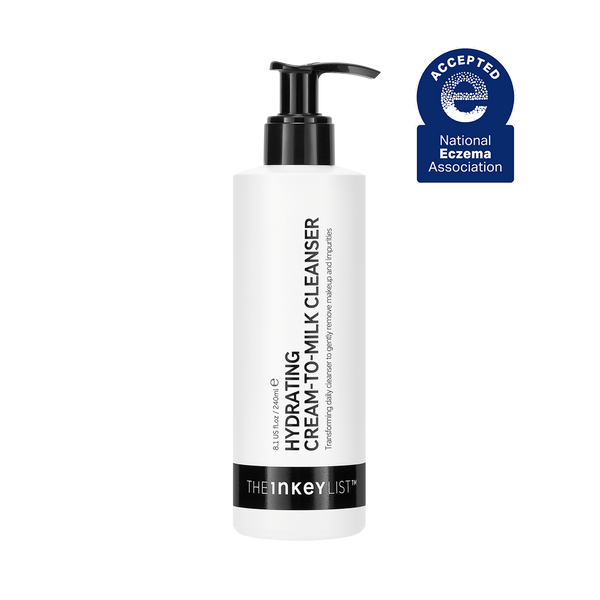
On cleansers, the gentlest options are the right ones, and they are chosen for what they leave out as much as for what they contain. The Oat Cleansing Balm - 150ml suits sensitive or dry skin and removes the day without stripping. The Glycerin Gentle Purifying Cleanser is a straightforward everyday gel cleanse that works well in a minimal routine, built around glycerin, a humectant that draws water into the skin rather than pulling it out. Our What is Glycerin? page explains why that matters for young skin. For drier or more reactive skin, the Milk Cleanser - 240ml has a cream-to-milk texture that is about as gentle as cleansing gets.
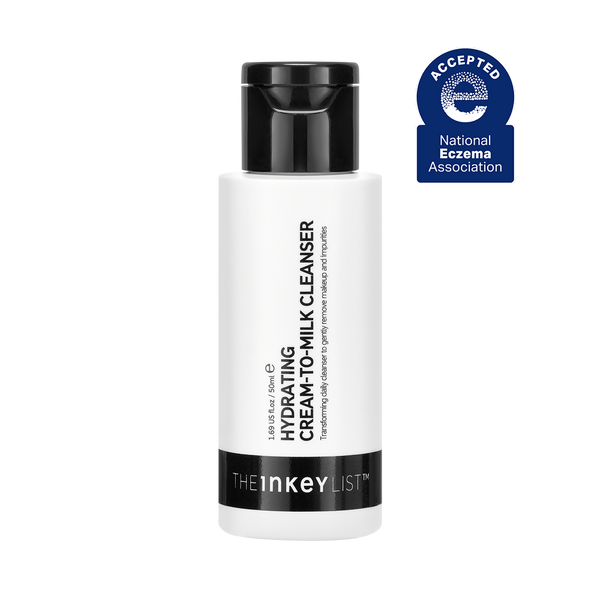
A practical recommendation for a first purchase: consider a mini size. They suit small routines, they cost less to try, and if something does not suit the skin you have not committed to a full bottle or created unnecessary waste. The Mini Milk Cleanser - 50ml at $8.50 is a sensible way to test whether a gentle cream cleanse works for your child before buying the full size. For a first ever skincare product, starting small is simply the smarter purchase.
Now the equally important half of this section, which is what a tween does not need:
- No strong actives. No exfoliating acids, no vitamin C serums, no potent products of any kind.
- No retinol and nothing marketed for aging. There is no concern present for these to address.
- No multi-step routines copied from adult content. Ten steps on 11 year old skin is ten opportunities for irritation.
- No products bought to fix something that is not there. If the skin is behaving, leave it alone.
Two habits are worth building from the very first product. First, patch test anything new. Apply a small amount to a discreet area, wait, and check for a reaction before putting it on the whole face. Our guide on why you need to do a patch test covers how to do it properly. Second, introduce one product at a time. If three new things go on at once and the skin reacts, there is no way to know which one caused it.
Move up an age bracket, and the routine legitimately needs to do a bit more.
Teen Skincare: Building a Simple Routine From 13
A teen routine should be built around four steps and no more: cleanse, hydrate, moisturize, protect. Four steps is short enough to actually be done every day, morning and evening, on a school night, when tired. That matters more than the sophistication of what is in the bottles.
Here is the structure, with the reasoning before each recommendation.
- Cleanse. The goal is removing oil, sweat, sunscreen and makeup without stripping the skin.
- Hydrate. Adding water content back in, which oily skin needs just as much as dry skin does.
- Moisturize. Sealing that hydration in and supporting the skin barrier.
- Protect. Daily sun protection, which is the highest-value habit at this age by a wide margin.
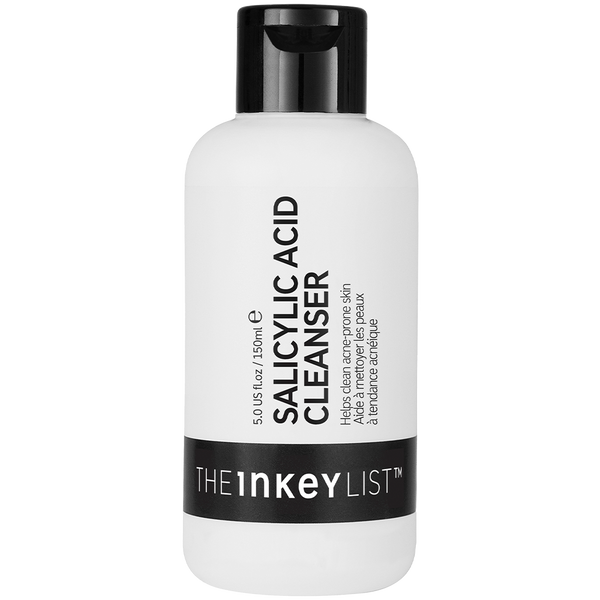
Cleansing is where most teen routines either work or go wrong. The aim is a clean face that still feels comfortable, not tight. For sensitive or drier skin, the Oat Cleansing Balm - 150ml is the gentlest option and removes makeup and sunscreen thoroughly. For a gentle everyday cleanse, the Milk Cleanser - 240ml does the job without any stripping sensation. For skin that is genuinely oily or dealing with acne and blackheads, the Salicylic Acid Cleanser - 150ml is the more targeted choice. It is a daily acne treatment cleanser with 2% salicylic acid, and because salicylic acid is oil-soluble it can get into the pore itself rather than only working on the surface. Our What is Salicylic Acid? page explains how that works.
Two technique notes that cost nothing. Spend around 60 seconds massaging the cleanser in rather than rinsing it off immediately, which gives it time to actually do something. And if you are using the salicylic option, once daily is enough, ideally in the evening, because using it morning and night alongside other products is a fast route to over-drying.
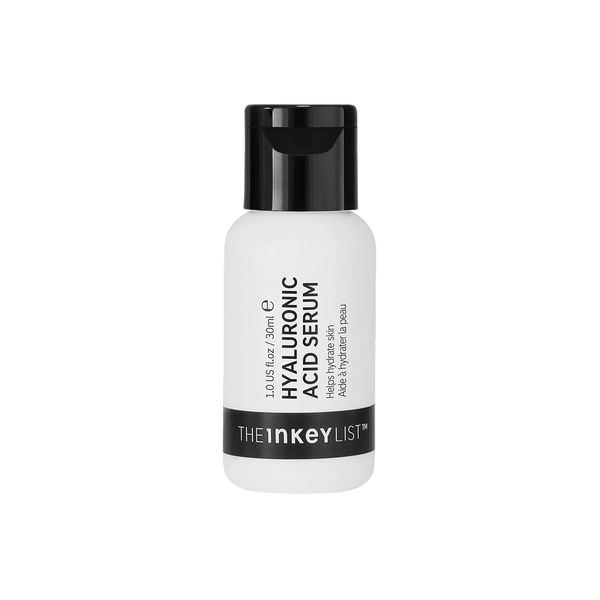
Hydration is the step most teens skip, usually because the skin already feels oily and adding anything seems counterproductive. As covered earlier, oil and water are different things. The Hyaluronic Acid Serum - 30ml addresses the water side. Apply it to damp skin rather than dry, because hyaluronic acid works by holding water, and giving it water to hold makes it considerably more effective.
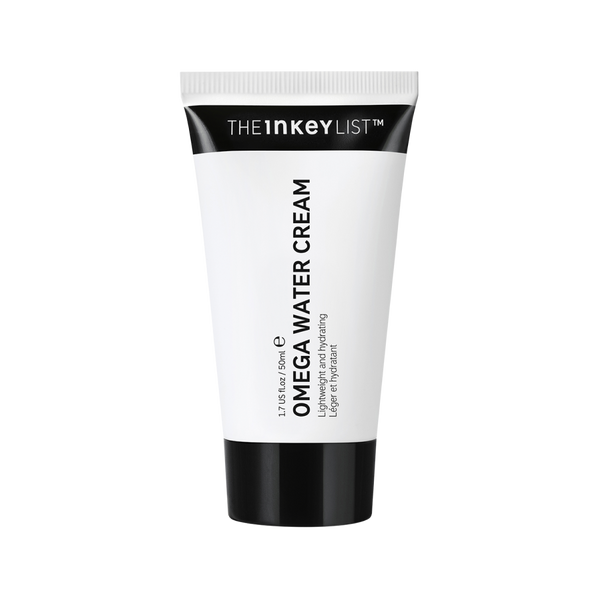
Moisturizing gets skipped for the same mistaken reason. Skipping moisturizer because skin is oily is one of the most common errors in teen skincare, and it frequently backfires by leaving the barrier under-supported. The answer is not no moisturizer, it is the right texture of moisturizer. Omega Water Cream - 50ml is lightweight and oil-free, suits combination and oily skin, absorbs quickly and sits well under makeup. If you want to compare options, the full range sits in our moisturizers collection.
Sun protection is the step we would defend most strongly. If a teenager only ever adopts one habit from this entire article, make it this one. Daily SPF is the highest-value thing anyone can do for their skin at any age, and building the habit at 13 means it is automatic by 30. Look for a broad spectrum sunscreen of at least SPF 30, apply it every morning as the last step of the routine, and reapply through the day when outdoors. Texture matters more than people expect, because a sunscreen that feels unpleasant is a sunscreen that gets skipped, so it is worth finding one a teenager will genuinely wear. For the underlying education, What is SPF? covers how sun protection actually works, including why it applies year round rather than only in summer.
A closing note on this section, and it is the most important sentence in it: consistency beats complexity. Four steps done daily will outperform ten steps done occasionally, every single time. A routine that is too long to maintain is not a better routine, it is an abandoned one.
Breakouts are what bring most teens to skincare in the first place, so they deserve their own section.
Dealing With Breakouts Without Overdoing It
Occasional breakouts during the teenage years are normal and extremely common. Setting that expectation first is not resignation, it is accuracy. The realistic goal is managing them gently over time, not eliminating them overnight, and any product or routine promising the latter is overpromising.
The most common error is the escalation response. A breakout appears, so three strong products get applied at once, often a stripping wash plus an acid plus a spot product. Skin that is already inflamed then becomes irritated, the barrier gets compromised, and the result is worse than the original breakout. It also makes the situation impossible to diagnose, because with three variables introduced simultaneously there is no way to tell what helped and what hurt.
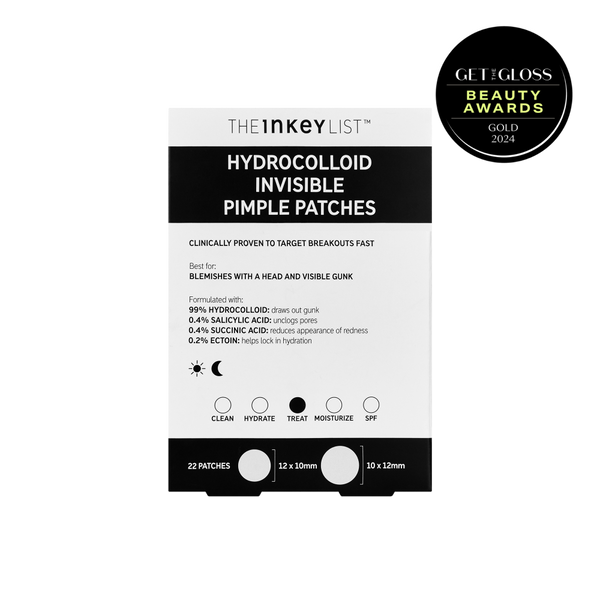
Targeted beats all-over. If the concern is a handful of individual surface blemishes, treat those specific spots rather than putting a strong product across the entire face. Hydrocolloid Invisible Pimple Patches - Pack of 22 are well suited to this. They sit over an individual blemish, absorb fluid, and physically stop picking, which is often the single biggest factor in how long a blemish lasts and what it leaves behind. They are discreet enough to wear during the school day.
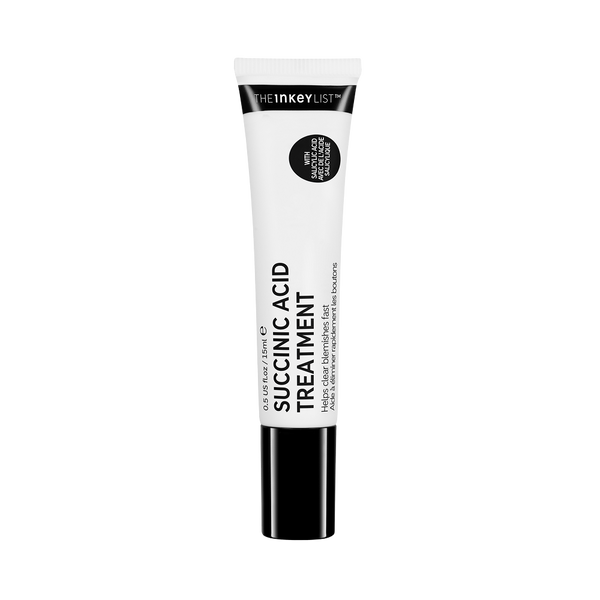
For older teens who want something more targeted, Succinic Acid Treatment is an acne treatment that can be used occasionally on individual blemishes. Build it in slowly and use it only as needed, rather than as a daily all-over step. This is not a product for a 12 year old and we would not suggest it as an early addition to any routine.
If the primary concern is visible oil, shine and the look of enlarged pores rather than active blemishes, the Niacinamide Serum is a gentler alternative to piling on stronger actives. Niacinamide is well tolerated, supports the skin barrier rather than compromising it, and helps with the appearance of oil and pores over time. Our What is Niacinamide? page sets out what it does and does not do. You can see the full range of relevant options in our Acne & Breakoutscollection.
Two expectations worth setting honestly. First, products need time. Weeks, not days. Skin turnover alone means that meaningful change from any new routine takes a matter of weeks to become visible, and judging a product after four days will only lead to abandoning things that were working. Our guide to how long skincare actually takes to work has realistic timelines. Second, an early reaction is not automatically a bad sign, but it is worth interpreting correctly rather than panicking. What Is Skin Purging? Your Complete Guide explains the difference between skin adjusting and skin objecting.
When to speak to a professional
Skincare has limits, and knowing where they are is part of using it well. Speak to a dermatologist or physician if breakouts are persistent and not responding to a gentle routine over a period of weeks, if they are painful, deep or widespread, if they are leaving marks or scarring, or if they are causing real distress or affecting confidence. None of these are things a cleanser is designed to resolve, and getting proper advice early is always the better move. There is nothing dramatic about asking. It is simply the right step.
Having covered what to use, it is worth being equally direct about what to leave alone.
What Teens and Tweens Should Skip
This is the part of the article we care about most. Knowing what not to buy is more valuable at this age than any product recommendation, and it is also the advice least likely to be offered elsewhere.
Retinol and retinoids. Not needed at this age. Retinoids target concerns young skin does not have, and as Mark Curry set out earlier, thinner and still-maturing skin is more easily irritated by strong actives. The likely outcome is redness, peeling and sensitivity in exchange for a benefit that is not relevant yet. Starting earlier does not bank any advantage.
Anti-aging products generally. This includes peptides, exosomes and firming products. There is no aging concern present to address, so there is nothing for these to do. Using them early offers no protective head start, it simply spends money on the wrong problem. If you want the full reasoning on timing, When Should I Start Using Anti-Aging Products? is the companion piece to this one.
Strong exfoliating acids used frequently. Occasional gentle exfoliation has a place for some older teens. Daily strong acids do not. Over-exfoliation is one of the most common causes of irritated, sensitized young skin, and it is particularly deceptive because the early results can look good before the barrier gives way. If this has already happened, What To Do If You Have Over-Exfoliated sets out how to recover and restart.
Long multi-step routines copied from online content. A ten step routine is not ten times better than a four step one. More steps means more ingredients, more chances to irritate the skin, more money spent, and more difficulty identifying what caused a reaction when one happens. Our guide on how much product should I apply reinforces the same principle at the level of the individual product.
Layering multiple strong actives at once. This is the fastest route to a damaged barrier. Certain ingredients are best kept apart, or used at different times of day, and combining several potent formulas in one sitting is rarely productive at any age, let alone this one. Skincare Ingredients You Should Not Mix covers the specifics.
None of this is meant as a telling off. Young skin is genuinely in good condition, and the constructive version of everything above is simple: a short routine of gentle products used consistently will outperform a long routine of strong ones. Restraint here is not the boring choice or the beginner choice. It is the choice that produces better skin, costs less, and takes four minutes a day. That is the actual insider position, and it happens to be the cheapest one.
Below are the specific questions parents and teens ask us most often.
The Honest Takeaway on Teen and Tween Skincare
Teens and tweens need different things, and both need considerably less than the internet suggests. For teens, four fundamentals cover it: cleanse, hydrate, moisturize, protect. For tweens, cleanse and protect is usually enough on its own. A few gentle products used consistently will always outperform a complicated routine used sporadically, and the routine that gets done every day is the one that works. If skin concerns persist, are painful, or are causing distress, a dermatologist or physician is the right next step and worth taking early.
Good skincare should not be expensive to start. Our cleansers begin at $8.50 for a mini size and $15.00 for a full size, which is a genuine routine rather than a compromise, because effective ingredients should be affordable and explained honestly rather than priced as a luxury.
If you are not sure where to begin, our skincare quiz will narrow it down in a couple of minutes. If you are ready to put a first routine together, the intro routines bundle the short routine described above at a lower cost per product, which makes a small set a sensible first purchase, or you can pick your own combination with the bundle builder. Start small, keep it gentle, and add nothing you cannot justify.
Frequently Asked Questions
Got a question?
Our askINKEY team are a friendly bunch of skincare experts with deep product knowledge and zero judgement. Whether you're an ingredient obsessive or just starting out, we'll make it make sense. No question too big. No question too small. We Give A Care, Every Day.


