

Over-Exfoliated Skin: Signs, Causes and How to Repair It
Over-exfoliated skin is common, uncomfortable and completely fixable. Here is how to recognize it, calm it, and get back to exfoliating safely.
Author
askINKEY skincare advisor
Published
12 May, 2022
Time to read
6 minutes
Over-exfoliated skin happens when you remove surface skin cells faster than your skin can replace them. That is the whole definition. It is not a skin type, it is not a diagnosis, and it is not permanent. It is a temporary condition caused by too much exfoliation, too often, and it responds well to a simple, consistent routine.
The most common cause is not one aggressive scrub. It is a routine that quietly contains more exfoliating steps than the person using it realizes. An acid cleanser, an acid toner and an acid serum add up, and most people who end up here never set out to exfoliate three times in one evening.
If your skin feels tight, stings when you apply products you have used for months, or looks red and reflective in a way that does not feel comfortable, your skin barrier is likely asking you to pause. This guide covers the signs of over exfoliated skin, what is actually happening underneath, how to prevent it, how to repair it, when to start exfoliating again, and the questions readers ask most.
How to Tell If You Have Over-Exfoliated
The single most reliable sign is this: products you have used comfortably for months suddenly sting. If your usual serum now burns on application and nothing else in your life has changed, you have your answer. Skin that tolerates a product one week and reacts to it the next is telling you the surface has been compromised, not that the product has changed.
The second sign is the one almost nobody warns you about. Over-exfoliated skin can look shiny, glassy and waxy, and it is very easy to mistake that for glow. In a mirror or on camera it reads as radiance. In reality it is the light bouncing off a surface that has been stripped smooth and pulled tight. The test is how it feels, not how it looks. Genuine glow feels comfortable, plump and soft. False glow feels tight, and often stings when anything touches it.
Other signs to look for:
- Persistent tightness after cleansing that does not fully resolve even after you moisturize.
- Redness or patchy inflammation with no obvious trigger, sometimes appearing in areas that are usually calm.
- Flakiness and rough texture that does not smooth out no matter how much product you apply.
- Increased sensitivity to temperature changes, wind, air conditioning or even light touch.
- Breakouts appearing out of nowhere, with no change to your diet, routine or environment.
- Dullness alongside tightness, which is frequently confused with dehydrated skin. The two often show up together, because over-exfoliation makes it harder for skin to hold onto water.
If your skin has tipped into a reactive state where almost everything feels like too much, it is worth reading how to hydrate sensitive skin without causing irritation before you add anything new.
A quick self-check
Run through these five questions honestly:
- Does a product you have used for months now sting, tingle or burn?
- Does your skin feel tight after cleansing, even once moisturizer is on?
- Is your skin shiny or glassy but uncomfortable rather than plump?
- Have you developed redness, flaking or sensitivity with no obvious cause?
- Are you exfoliating more than three times a week, or using more than one exfoliating product per routine?
Two or more yes answers, and over-exfoliation is the most likely explanation. Understanding why those symptoms appear makes the fix much easier to stick to.
What Is Actually Happening to Your Skin
The outermost layer of your skin is called the stratum corneum. It is roughly 10 to 20 micrometers thick, which is thinner than a human hair, and it is the only thing standing between you and the outside world.
The easiest way to picture it is as a brick wall. The bricks are corneocytes, flattened skin cells that have reached the surface at the end of their life cycle. The mortar is a lipid matrix made of ceramides, fatty acids and cholesterol. Ceramides make up around 50% of that mortar, which is why they come up so often in barrier conversations. The bricks provide structure. The mortar makes the wall watertight.
Exfoliation, used correctly, clears away loose bricks at the very top so fresh skin can come through. Over-exfoliation removes them faster than your skin can produce replacements, and it strips the mortar along with them. The wall thins. Gaps open up.
Three things follow from that.
Water starts escaping. This is called transepidermal water loss, or TEWL, and it is the reason over-exfoliated skin feels dehydrated no matter how much moisturizer you apply. You are not failing to add water. Your skin is losing it faster than you can replace it.
Products penetrate faster than intended. Every formula you use is designed to interact with an intact barrier. When there are gaps, ingredients travel deeper and quicker than the formula anticipated. That is the mechanism behind sudden stinging from products that were fine last month.
Your skin’s pH shifts. Healthy skin sits at around 4.5 to 5.5, slightly acidic. That acidity is not incidental. It supports the enzymes that produce lipids and keep the barrier assembling itself correctly. Disrupt the pH and you slow down the exact repair process you need.
One important correction, because it is widely misstated: recovery from over-exfoliation happens by rebuilding the skin barrier, not by rebuilding the microbiome. Your barrier is the physical brick-and-mortar structure described above. That is what has been thinned, and that is what needs supporting with lipids, humectants and time. If you want the deeper structural read, our full guide to a damaged skin barrier goes further, and lists over-exfoliation as the leading cause.
Knowing how the wall comes down explains how people end up here in the first place.
How to Prevent Over-Exfoliation
For most people, the ceiling is two to three times per week, maximum. If you are new to chemical exfoliation, start at once a week and stay there for at least a month before considering more.
But frequency is only half the story, and the other half is where almost everyone gets caught.
Count your exfoliation steps, not your exfoliation products
The most common mistake is accidental stacking. Consider a fairly normal evening routine:
- A salicylic acid cleanser
- A glycolic acid toner
- An acid serum
That is three exfoliation steps in one evening, not one. Repeated four nights a week, it is twelve. Almost nobody doing this thinks of themselves as over-exfoliating, because in their mind they are following a routine, not stacking acids. This is easy to do and equally easy to fix. Go through your shelf, read the actives in every product including cleansers and toners, and count the steps rather than the bottles. If you want a full map of what should and should not sit together, read Skincare Ingredients You Should Never Mix: The Complete Layering Guide.
A few more rules that prevent most problems:
- Alternate retinol nights rather than layering retinol on top of acids. Both increase cell turnover, and doing them together doubles the load. See what not to mix with retinol, and if you are combining specifically, can you use glycolic acid with retinol answers the exact question. New to it entirely? Start with retinol for beginners.
- Keep vitamin C to mornings and exfoliating actives to evenings. Splitting them across the day reduces cumulative irritation without losing benefit.
- Wear SPF every single morning. Freshly exfoliated skin is more photosensitive, and UV exposure both worsens the damage and slows recovery. Dewy Sunscreen SPF 30 works well over a hydrating routine.
The principle underneath all of it: exfoliating more often does not deliver results faster. It delivers a compromised barrier, which then delays every result you were working toward. Prevention helps going forward, but if your skin is already irritated, the repair routine comes first.
How to Repair Over-Exfoliated Skin
The first step is subtraction, not addition. Before you buy anything, stop everything.
Stop all actives immediately. That means AHAs, BHAs, retinoids, physical scrubs, high-concentration vitamin C and alcohol-based toners. All of them, at the same time, not tapered. Every one of those is asking your skin to do work it currently cannot do.
Simplify your routine, but do not abandon it. During recovery your routine has three jobs only: cleanse, hydrate, protect.
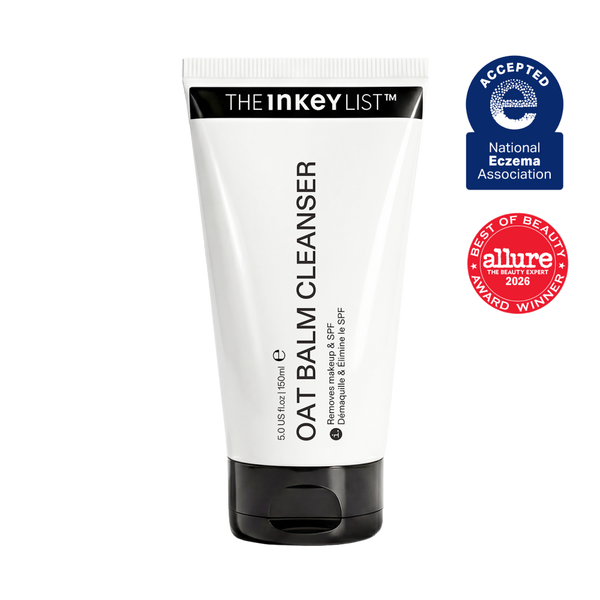
1. Cleanse gently. Swap to Oat Cleansing Balm - $17. It contains 5% Oat Kernel Oil, which delivers ceramides plus omega 3 and 6 fatty acids while it cleanses, and Sea Buckthorn Oil to soothe. It is clinically proven to leave skin hydrated for up to 12 hours, is suitable for sensitive skin, and is clinically proven to reduce redness after 4 weeks. If you prefer something lighter in the morning, Hydrating Cream-to-Milk Cleanser - $20 is a gentle rice milk based option.
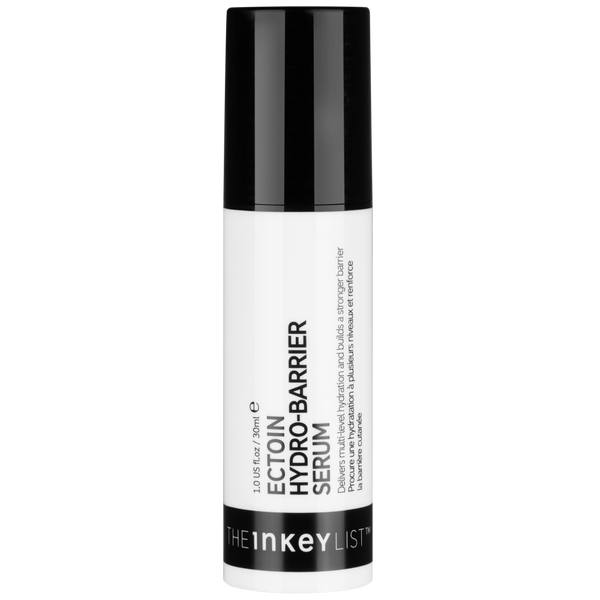
2. Hydrate and support the barrier. Ectoin Hydro-Barrier Serum - $17 is the workhorse of this phase. It combines 2% ectoin, 2.5% multi-molecular hyaluronic acid across four molecular weights, and a 1% Barrier Blend of three ceramides. It is clinically proven to hydrate and strengthen the barrier in 15 minutes, with visible bounce restored in 3 days, and it is safe for sensitive skin and during pregnancy. Apply to damp skin and press it in rather than rubbing.
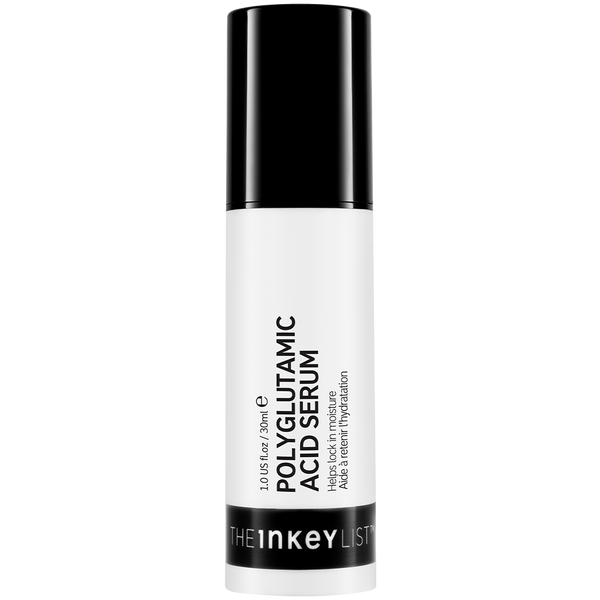
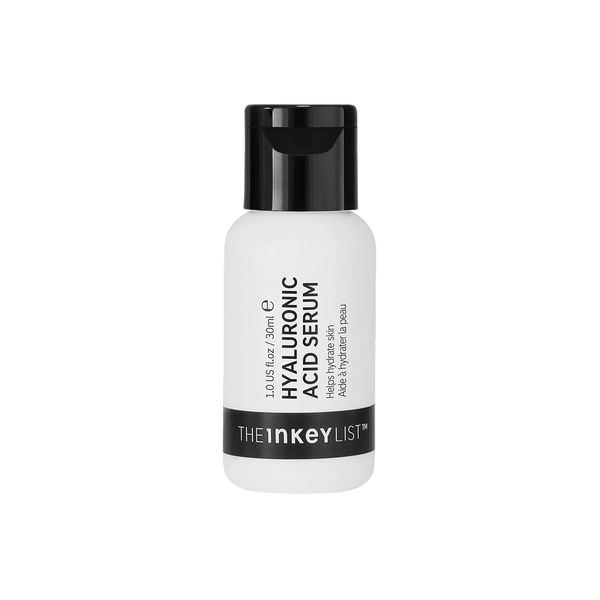
3. Add pure hydration. Hyaluronic Acid Serum - $13 draws water into the upper layers. Worth being honest here: hyaluronic acid hydrates, but it does not rebuild the lipid matrix on its own, so it works best layered with ceramides and ectoin rather than instead of them. If you are unsure which you actually need, ectoin vs hyaluronic acid: what’s the difference breaks it down. For an extra humectant layer, Polyglutamic Acid Serum - $17 sits well underneath moisturizer.
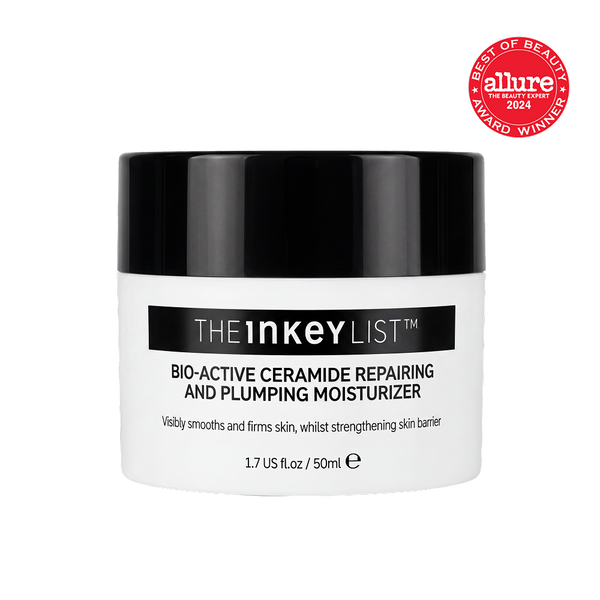
4. Seal and rebuild. Bio-Active Ceramide Moisturizer - $22 is the step that locks the work in. Bio-Active Ceramide NP has a shorter chain structure that penetrates multiple layers rather than sitting on the surface, and it is clinically proven to strengthen the barrier from first use with 24-hour hydration.
5. For lingering redness. Once the acute stinging has settled, Redness Relief Solution with 10% azelaic acid is clinically shown to reduce redness in 4 days. Wait until your skin is no longer reactive before introducing it, and read more on redness on face: causes, types and how to reduce it if flushing is a recurring issue for you.
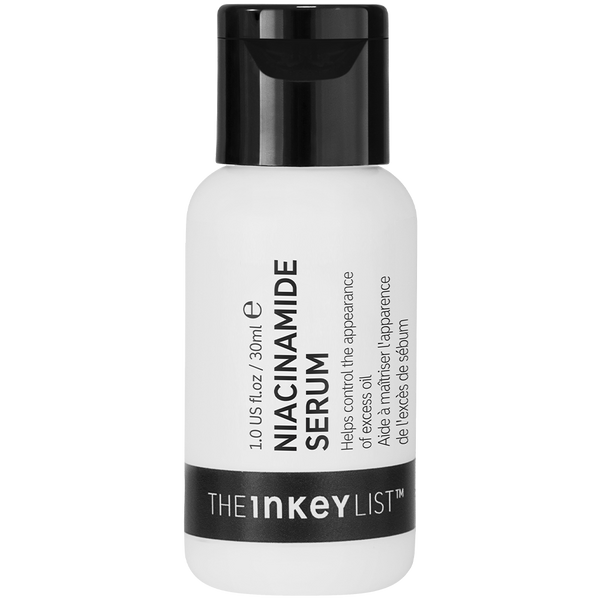
6. For oil and texture, later. 10% Niacinamide Serum - $13 supports your skin’s own ceramide production, which makes niacinamide genuinely useful for maintenance. It is not an acute-phase fix. Bring it back once your skin is calm.
7. Protect every morning. SPF is non-negotiable during recovery. Skipping it undoes the rest.
Realistically: expect meaningful improvement in comfort within 3 to 5 days of switching to a gentle routine, and fuller recovery over 2 to 4 weeks. Once skin feels normal again, the obvious question arrives.
When and How to Reintroduce Exfoliation
Do not go by the calendar alone. Go by the readiness test: zero tightness, zero stinging, zero reactivity. For most people that lands somewhere between 2 and 4 weeks.
The rule is simple. If anything still stings, you are not ready. Stinging is a signal, not an adjustment phase to push through.
- Patch test first, every time. Not just for new products, but for the ones you are returning to. Here is why patch testing matters.
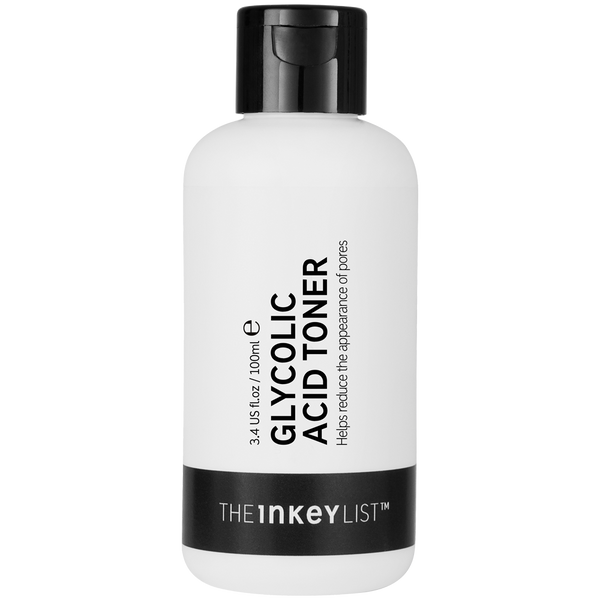
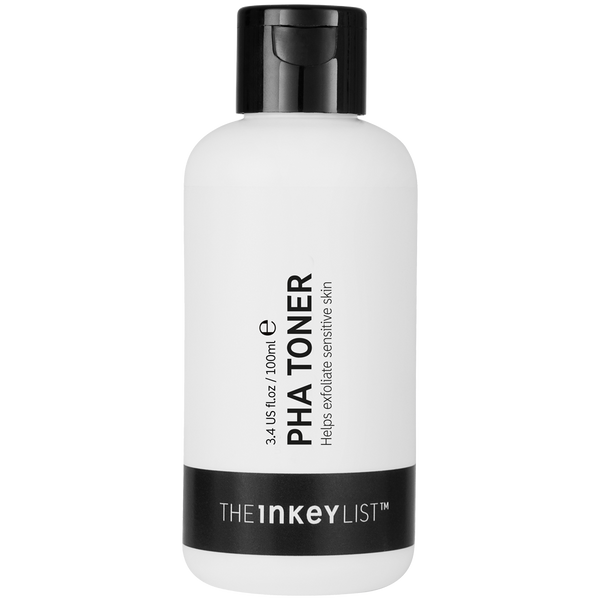
- Restart with PHA, not with your previous acid. PHA molecules are larger than AHAs, so they penetrate more slowly and gently. PHA Toner is the easiest way back in. If you are tempted to go straight back to something stronger, PHA Toner vs Glycolic Acid Toner is worth reading first.
- Begin at once every 7 to 10 days. Build up only if your skin stays comfortable for a full two weeks.
- Reintroduce one active at a time, with around two weeks between additions. If stinging returns, step straight back to the simplified routine.
- Keep barrier support permanently. The ectoin serum and ceramide moisturizer are both suitable for indefinite daily use.
- Always moisturize immediately after an exfoliation night.
If you want a long-term structure for spacing actives out, skin cycling is a sensible framework to build around.
The Takeaway
Three things to remember. Stop the actives. Simplify to cleanse, hydrate and protect. Reintroduce slowly, starting with PHA.
Over-exfoliated skin is temporary and treatable, and the fix is almost always fewer products used consistently rather than more products used urgently. The instinct to add something new is understandable, but recovery is driven by what you take away.
None of this is an argument against exfoliating. At the right frequency, exfoliation is a genuinely useful step that improves texture, tone and how well the rest of your routine works. The goal is not to stop, it is to find the frequency your skin can actually sustain. If you want the deeper structural read on what sits underneath all of this, our complete guide to a damaged skin barrier is the next place to go.
Still Not Sure? Talk to Us
If you are unsure whether your skin is over-exfoliated, or you know it is and cannot decide what to do next, chat to our askINKEY team. It is free, it is a real person, and there is no pressure to buy anything. Describe what your skin is doing and they will tell you honestly what to change.
Prefer to work it out yourself? Take our skincare quiz for a personalized routine built around what your skin needs right now.
Frequently Asked Questions
Got a question?
Our askINKEY team are a friendly bunch of skincare experts with deep product knowledge and zero judgement. Whether you're an ingredient obsessive or just starting out, we'll make it make sense. No question too big. No question too small. We Give A Care, Every Day.


