

What Is Skin Purging? Your Complete 2026 Guide
Skin purging — the temporary increase in acne and breakouts when you start a new active ingredient — is actually a sign your skincare is working.
Author
askINKEY skincare advisor
Published
16 September, 2021
Time to read
7 minutes
What Is Skin Purging?
Skin purging is a temporary increase in acne and breakouts that occurs when you introduce a new active skincare ingredient that accelerates your skin's natural cell turnover rate. Under normal conditions, your skin sheds dead cells and clears congestion gradually, over a cycle of approximately 28 days. When an active ingredient speeds up that process, everything that was lurking beneath the surface — trapped sebum, dead skin cells, microcomedones that hadn't yet surfaced — gets pushed to the top faster than usual.
The result is a temporary flare of acne: whiteheads, blackheads, small papules, and surface-level spots appearing in your typical congestion zones. It looks like a breakout. It feels like a setback. But it's actually your skin fast-forwarding through a clearing process it was already going to complete — just much more slowly.
The critical distinction is this: purging is the accelerated clearance of existing congestion. A reaction-based breakout is the formation of entirely new congestion.
What Does Skin Purging Look Like?
Skin purging typically presents as small whiteheads and blackheads sitting at the surface in your usual congestion areas — most commonly the nose, chin, and forehead. You may also notice papules — small, raised red bumps that resolve more quickly than a typical spot. Spots that appear, surface, and clear within three to seven days are characteristic of purging.
What purging does not typically look like: deep, painful nodules or cysts; widespread redness across previously clear skin; persistent spots that don't progress; or acne spreading into areas that have never been congested before.
The Stages of Skin Purging
Weeks 1–2: Initial Trigger. The active ingredient begins accelerating cell turnover. Microcomedones and trapped congestion start migrating toward the surface. You may notice increased texture, minor breakouts, or skin that feels slightly more sensitive than usual.
Weeks 2–4: Peak Purging. Existing congestion surfaces en masse. Breakouts may appear more frequently than normal. Every blemish appearing now existed beneath your skin before you started the product — you are clearing existing congestion, not creating new congestion.
Weeks 4–6: Transition. Breakout frequency begins to decline. New spots form less readily. Existing spots cycle through and clear more quickly than before.
Weeks 6–10: Resolution and Results. The purging period ends. Your skin enters a state of genuine improvement — clearer pores, more even texture, and reduced acne.
How Long Does Skin Purging Last?
For most people, skin purging lasts between four and six weeks. The most intense activity typically occurs during weeks two to four, with gradual improvement beginning around week five.
If your skin shows absolutely no signs of improvement after ten weeks of consistent use, you are likely experiencing a reaction rather than purging.
Skin Purging vs Breakout: How to Tell the Difference
When it comes to location, purging occurs in your typical problem zones. A reaction can appear anywhere, including areas that are normally clear.
When it comes to timing, purging begins within one to four weeks of introducing a new active. A flare after months of use is not purging.
When it comes to blemish type, purging produces surface-level whiteheads, blackheads, and papules. Reactions can produce deep, painful cysts.
When it comes to trajectory, purging improves progressively over weeks. A reaction persists, worsens, or spreads without meaningful improvement.
Which Ingredients Cause Skin Purging?
Retinoids
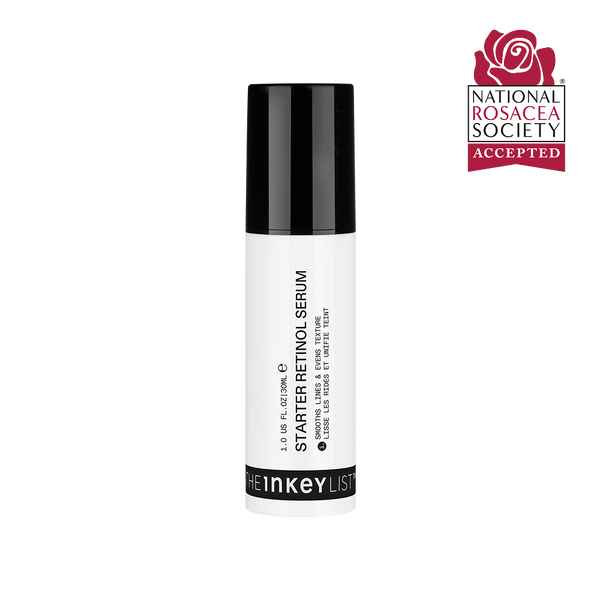
Retinol is the gold standard of cell turnover acceleration and one of the most common causes of purging. Our Starter Retinol Serum ($15.00 / 30ml) is formulated to deliver effective cell turnover with a lower risk of irritation. Start every other night and build to nightly over four to six weeks. Read our guides on retinol vs retinal and retinol and sensitive skin.
Salicylic Acid
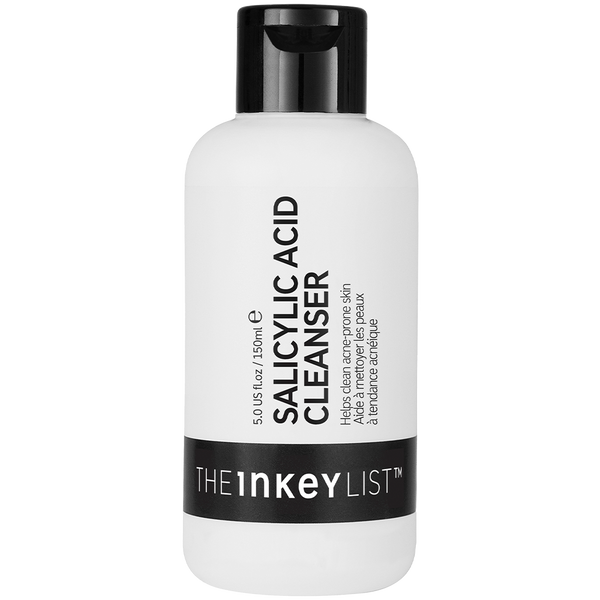
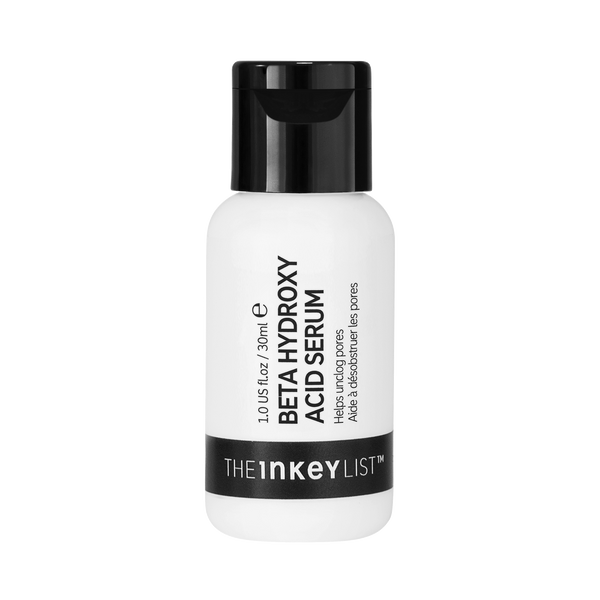
Salicylic acid penetrates directly inside the pore, dissolving sebum and dead cell debris — including blackheads. Our Salicylic Acid Cleanser ($15.00 / 150ml) and BHA Serum ($14.00 / 30ml) are the key options. See our guide on using salicylic acid and retinol together.
Azelaic Acid
Azelaic acid can cause mild purging — typically the gentlest of the purging triggers. See our guide on using azelaic acid with retinol.
AHAs
Alpha-hydroxy acids work on the skin's surface and typically produce a milder purging response than BHAs, though they can still trigger surface breakouts in acne-prone skin.
Vitamin C
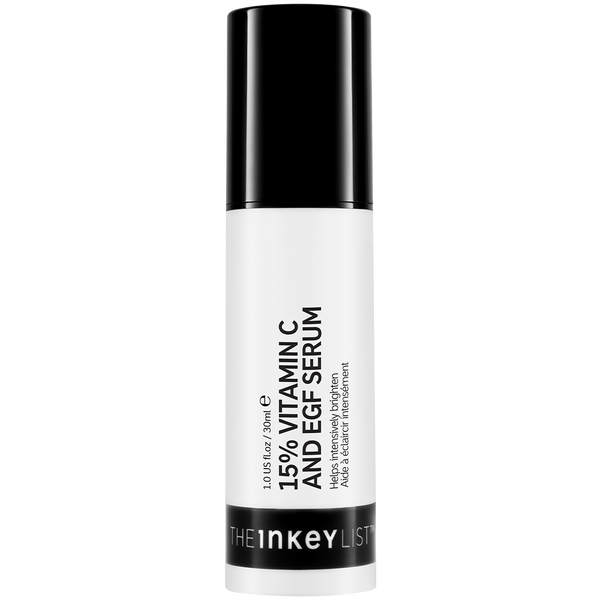
High-strength Vitamin C formulas can cause mild purging, particularly ascorbic acid formulations at concentrations above 15%.
Ingredients That Do Not Cause Purging
Hyaluronic acid is a humectant with no effect on cell turnover — it cannot cause purging. If you're breaking out after introducing an HA product, investigate other ingredients in the formula. Niacinamide cannot cause purging and is one of the best ingredients to layer during a purging phase. Peptides, ceramides, and glycerin are supportive ingredients that cannot cause purging.
How to Manage Skin Purging
Start Low and Slow. Introduce your active every other night and build frequency gradually over two to three weeks to distribute the purging response.
Keep Your Cleanser Gentle. Use the Oat Cleansing Balm ($17.00 / 150ml) — fragrance-free and skin-identical — to protect your skin barrier throughout.
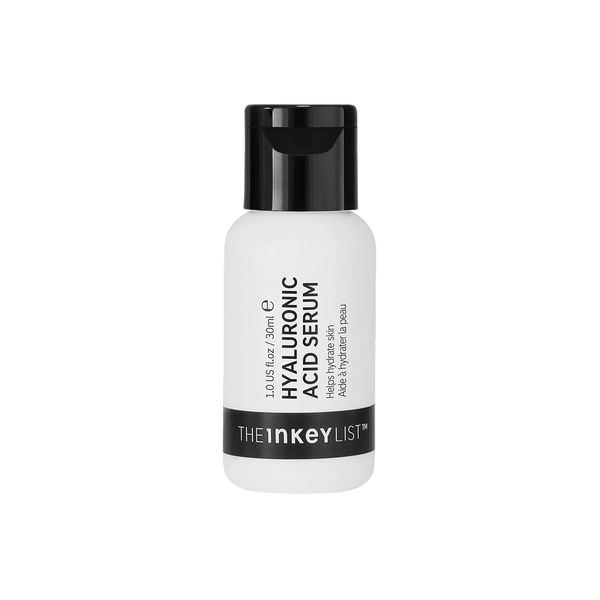
Layer Hyaluronic Acid. Dehydrated skin responds more severely to actives. Apply the Hyaluronic Acid Serum($13.00 / 30ml) morning and evening to maintain resilience.
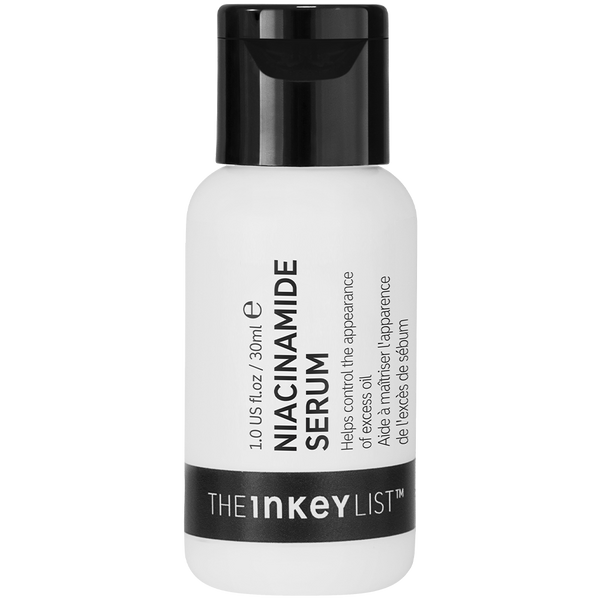
Use Niacinamide to Calm Inflammation. Layer the 10% Niacinamide Serum ($13.00 / 30ml) after your active in the evening, or as a standalone morning treatment. See our hyaluronic acid vs niacinamide guide.
Do Not Add More Actives. Additional acids or spot treatments during purging extend rather than shorten the process.
Apply SPF Every Morning. Protect against hyperpigmentation with a broad-spectrum SPF every morning.
When to Worry: Knowing When to Stop
Stop and consult a dermatologist if: acne is appearing in brand new areas; deep, painful cysts are forming; you experience burning, stinging, or peeling; there is no improvement after ten weeks; or you notice significant skin barrierdamage.
Post-acne marks are temporary. Address them with treatments for acne scars once purging resolves. For hyperpigmentation, we have a dedicated guide. For sensitive skin and breakouts, go slower and layer more support.
A Practical Purging-Supportive Routine
Morning: Oat Cleansing Balm → Hyaluronic Acid Serum → 10% Niacinamide Serum → Moisturizer → SPF
Evening: Oat Cleansing Balm → Starter Retinol Serum OR BHA Serum (alternate nights) → Hyaluronic Acid Serum→ 10% Niacinamide Serum → Moisturizer
Products Featured in This Article
Starter Retinol Serum — 30ml — $15.00
Hyaluronic Acid Serum — 30ml — $13.00
10% Niacinamide Serum — 30ml — $13.00
Salicylic Acid Cleanser — 150ml — $15.00
Oat Cleansing Balm — 150ml — $17.00
BHA Serum — 30ml — $14.00
Free US shipping on orders over $40.
Not sure what type of breakouts you're dealing with? Try our Acne Analyzer Pro™. Building your first active routine? Read How to Build Your Skincare Routine. New to retinol? Start with Retinol for Sensitive Skin.
Frequently Asked Questions
Got a question?
Our askINKEY team are a friendly bunch of skincare experts with deep product knowledge and zero judgement. Whether you're an ingredient obsessive or just starting out, we'll make it make sense. No question too big. No question too small. We Give A Care, Every Day.


