



Can You Use Azelaic Acid with Vitamin C?
Yes, you can use azelaic acid with vitamin C. No chemical clash, no cancelling out - here's how to layer them without irritating your skin.
Author
askINKEY skincare advisor
Published
13 September, 2026
Time to read
9 minutes
Yes, you can use azelaic acid with vitamin C. The pairing gets flagged online as a combination to avoid, but there is no chemical clash between them and neither ingredient stops the other from working. What you actually need to manage is irritation, because your skin is handling two actives instead of one.
This article covers what each ingredient does, how they differ, whether their pH levels are a problem, which one goes on first, how to split them between morning and night, how to start if your skin is sensitive, what not to mix with azelaic acid, and answers to the questions people ask most.
Can you use azelaic acid with vitamin C? The short answer
Yes, you can use azelaic acid with vitamin C. There is no chemical reaction between them that stops either one working. Both help support a more even-looking tone, so they complement each other rather than compete. The only real consideration is irritation, so introduce them gradually and wear sunscreen every day.
No chemical clash. The thing to manage is irritation.
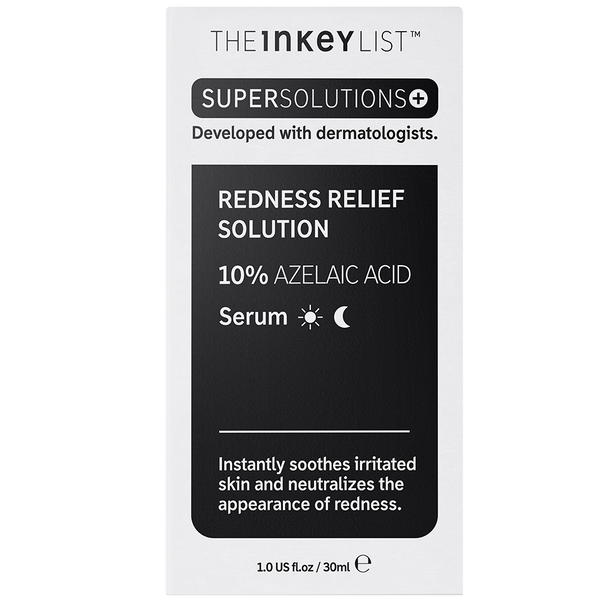
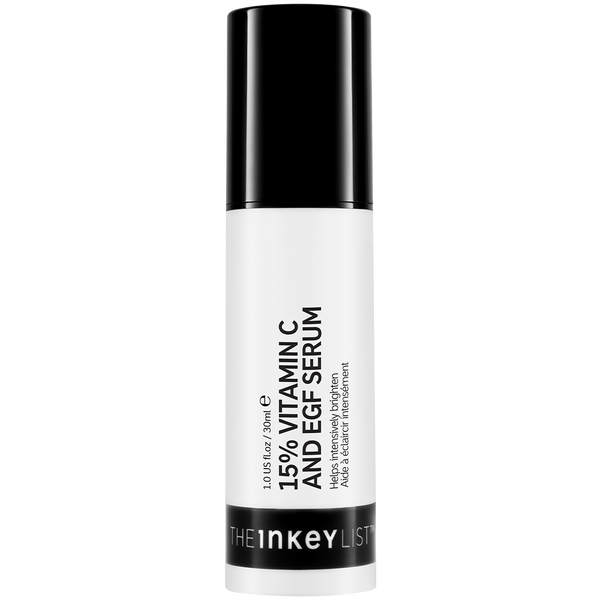
For the deeper ingredient background, our guides on what azelaic acid is and what vitamin C is break each one down. In this pairing, our 15% Vitamin C + EGF Serum is the gentle, stable vitamin C option at $20, and our 10% Azelaic Acid Serum for Redness Relief is the soothing step at $20.
Three rules that cover most of it:
- Thinnest first. Apply the lightest, most fluid texture before the thicker one.
- Pause between layers. Leave one to two minutes so each product settles.
- Split if you are sensitive. If your skin irritates easily, use one in the morning and the other at night.
That is the practical answer. It makes a lot more sense once you know what each ingredient is doing, so let us start with azelaic acid.
What azelaic acid actually does for skin
Azelaic acid is a gentle acid, but it does not work like the exfoliating acids you are probably thinking of. Glycolic and lactic acid mainly loosen the bonds between surface skin cells. Azelaic acid takes a different route entirely, which is a big part of why it feels milder on reactive skin.
It is best known for helping calm the look of redness and supporting a smoother, more even-looking complexion. Research published in a peer-reviewed review of treatments for uneven pigmentation notes that azelaic acid interferes with tyrosinase, the enzyme involved in producing melanin. Melanin is the pigment that gives skin its color.
It is also generally well tolerated. People who find stronger actives too harsh often do well with azelaic acid, which explains why it comes up so often for sensitive skin types.
What it helps with:
- The look of redness and visible irritation
- A smoother, more even-looking complexion
- Skin that feels reactive or easily overwhelmed
Who it suits:
- Sensitive or reactive skin
- Anyone who has struggled with stronger exfoliating acids
- Skin prone to acne and breakouts
Our 10% Azelaic Acid Serum for Redness Relief is built around that exact positioning. It is a redness relief and soothing step, not a brightening serum. If rosacea is what brought you here, we cover that in a separate article rather than this one.
For the complete ingredient breakdown, our azelaic acid guide goes deeper than this section needs to.
What vitamin C actually does for skin
Vitamin C does two distinct jobs, and separating them makes the pairing easier to understand.
The first is antioxidant defense. Research published in a peer-reviewed review of topical vitamin C describes it as one of the most potent antioxidants in skin, neutralizing the oxidative stress generated by environmental factors including UV exposure and pollution. Free radicals are unstable molecules produced by that exposure, and antioxidants help neutralize them.
The second is tone. The same review notes that vitamin C interacts with copper ions at tyrosinase-active sites and inhibits that enzyme, decreasing melanin formation. That is the same enzyme azelaic acid acts on, and it is exactly why these two work so well side by side.
Both ingredients act on the same enzyme, which is why they complement each other rather than compete.
Then there is stability, which matters a lot when a second active is involved. Pure L-ascorbic acid is notoriously unstable and needs a very low pH to absorb well. Our 15% Vitamin C + EGF Serum uses ascorbyl glucoside instead, a stable form of vitamin C that converts on the skin. It is gentler than pure L-ascorbic acid, which is precisely what you want when you are layering.
What it helps with:
- Antioxidant defense against environmental stress
- Visible brightness and radiance
- The look of a more even tone
Who it suits:
- Anyone wanting a brighter-looking complexion
- Skin exposed to daily UV and pollution
- Beginners, when the formula uses a stable, gentler form
Because the antioxidant role is about defending skin during the day, vitamin C is usually a morning step. Keep that in mind, because it shapes the routines below. Our vitamin C guide has more detail.
With both ingredients covered, here is how they stack up directly.
Azelaic acid vs vitamin C: how they differ and why they work together
Most people come to this comparison looking for a winner. That framing falls apart pretty quickly once you look at what each ingredient actually does.
Azelaic acid:
- Main strength: calming the look of redness and evening out how skin looks
- Texture and feel: lightweight, layers comfortably under other products
- Best time of day: either, though many people prefer evening
- Tends to suit: sensitive, reactive or acne-prone skin
Vitamin C:
- Main strength: antioxidant defense plus visible brightness and radiance
- Texture and feel: typically light and fluid, absorbs fast
- Best time of day: morning, to pair with daytime exposure
- Tends to suit: dull-looking skin and anyone focused on the look of even tone
The key point is simple. These two overlap on tyrosinase and differ almost everywhere else. Using both gives you broader coverage than doubling up on either one. Vitamin C brings antioxidant defense that azelaic acid does not, and azelaic acid brings a calming quality that vitamin C does not.
Azelaic acid vs vitamin C for hyperpigmentation
For the appearance of dark spots and uneven tone, both ingredients are relevant in different ways. Vitamin C is the brightening partner here, supporting visible radiance and a more even-looking tone. Azelaic acid contributes by helping skin look calmer and more uniform overall.
Neither one replaces sun protection. The American Academy of Dermatology notes that daily sunscreen is essential when you are working on the appearance of dark spots, because ongoing sun exposure works against any visible progress you make.
Our hyperpigmentation guide covers the topic in full. You can also browse our hyperpigmentation collection and uneven skin tone collection.
Can azelaic acid replace vitamin C?
Not really. Azelaic acid is a strong ingredient, but it does not deliver the antioxidant defense vitamin C does, and that protection is a major reason people use vitamin C in the morning. Swapping one for the other means losing something rather than streamlining.
They are not rivals. They cover different ground.
Which brings us to the objection that comes up more than any other.
Do the pH levels clash?
The concern: the pH levels cancel each other out. The reality: they do not.
pH is a measure of how acidic or alkaline something is. The concern looks reasonable on paper, because these two ingredients do work in different ranges.
The two ranges:
- Pure L-ascorbic acid: needs a low pH, below roughly 3.5, to absorb properly
- Azelaic acid: works in a milder range, around 4.5 to 6.0
Here is why it matters less than the internet suggests. Applying two products with different pH levels does not cancel either one out. Your skin re-balances its own surface pH after application, and there is no known antagonistic chemical interaction between azelaic acid and vitamin C. They do not react with each other.
The peer-reviewed review of topical vitamin C notes that reducing acidity below pH 3.5 improves the stability and penetration of L-ascorbic acid specifically, and that esterified, more stable forms of vitamin C remain stable at neutral pH. Pushing pH very low adds irritation without adding benefit when your formula does not require it.
That is exactly why our 15% Vitamin C + EGF Serum uses ascorbyl glucoside. A stable form sidesteps the very low pH requirement entirely, which makes it far easier to pair with a second active.
The risk here was never chemical cancellation. It is cumulative irritation. With the chemistry settled, the practical question is which one goes on first.
Should you apply azelaic acid before or after vitamin C?
The rule is the same one that governs almost all layering: thinnest texture first, thickest last. Apply one, wait one to two minutes, then apply the next.
In most routines that means vitamin C goes on first, since it is usually the lighter, more fluid texture, with azelaic acid following. So if you are wondering whether to apply azelaic acid before or after vitamin C, the standard answer is after.
Worth being honest about: the exact order matters far less than consistency and not overloading your skin. The American Academy of Dermatology recommends introducing products sensibly and giving them time rather than piling on multiple treatments at once. For the full framework, see our guide on how to build your skincare routine.
Morning or night: two routines that work
There are two workable approaches, and the right one depends on how your skin currently handles actives.
Routine one: split across the day
This is the low-irritation default and the better starting point for most people.
Morning routine:
Evening routine:
- Cleanse
- 10% Azelaic Acid Serum for Redness Relief
- Moisturizer
How to layer azelaic acid and vitamin C in one routine
If your skin already handles both comfortably, you can layer them in one sitting. This answers the common question of whether you can layer azelaic acid with vitamin C, and yes, you can.
- Cleanse
- Vitamin C serum
- Wait one to two minutes
- Azelaic acid serum
- Moisturizer
- Sunscreen, if it is the morning
The logic behind morning vitamin C is its antioxidant role, which pairs naturally with daytime UV exposure. Sunscreen then goes over the top, and it is not optional. Sun exposure undermines any progress on the look of uneven tone, which makes skipping it actively counterproductive.
Whichever routine you choose, wear sunscreen every morning.
Both routines assume your skin can already handle two actives. If it cannot yet, that is completely normal, and the next section is for you.
How to start if your skin is sensitive
Sensitive skin is not a reason to skip this pairing. It is a reason to build up to it.
Patch test first. Apply a small amount to a discreet area, like behind the ear or along the jawline, and wait 24 hours before using it on your face.
Introduce one active at a time:
- Week one: start with one product only, a few times a week
- Week two: build frequency as your skin stays comfortable
- Week three: add the second product, again starting slowly
Buffer if you need to. Applying a moisturizer before or after an active softens its impact. That is a legitimate technique, not a workaround.
Irritation usually shows up as persistent stinging, tightness, flaking or redness that does not calm down within a few minutes of application. The right response is to reduce frequency, not push through.
If your skin feels uncomfortable, use less often rather than stopping altogether.
If you are new to vitamin C, browsing our vitamin C collection for a gentler, stable formula is a smart first step.
What not to mix with azelaic acid
Azelaic acid plays well with most things, so this list is short. The theme throughout is cumulative irritation, not chemical incompatibility.
Go carefully with:
- Strong exfoliating acids. Stacking azelaic acid with a high-strength AHA or BHA in the same routine is a lot at once. Alternate nights instead.
- Retinol or retinal. Workable for plenty of people, but pace it. Our guide on what not to mix with retinol covers it.
- Several new actives at once. Introduce three things simultaneously and you will have no idea which one caused a reaction.
Note the framing: go carefully, not never. For the complete picture across every ingredient combination, our guide to skincare ingredients you should not mix is where to go.
Can you add niacinamide as well?
Yes. Niacinamide works alongside both azelaic acid and vitamin C. It is well tolerated and helps support the skin barrier, which is genuinely useful when you are already running two actives.
So if you are asking whether you can use vitamin C, niacinamide and azelaic acid together, the answer is yes, with one practical note: split them rather than stacking all three at once, especially at the start. Vitamin C and niacinamide in the morning, azelaic acid in the evening, works well.
Our 10% Niacinamide Serum is $13 if you want to add it in.
Once you have a routine you can stick with, the question becomes how long before you see anything.
How long until you see results?
General dermatological guidance points to roughly 8 to 12 weeks of consistent use before you see meaningful change in the look of tone and evenness. That is the honest timeline, and knowing it upfront stops you abandoning a routine that is quietly working.
Some things show up faster. How calm and comfortable your skin feels can shift within a couple of weeks. Changes in the appearance of tone take longest, because they depend on skin cell turnover rather than surface hydration.
The American Academy of Dermatology notes that daily broad-spectrum sunscreen is essential when you are working on the appearance of dark spots. Without it, you are working against yourself.
Consistency beats intensity. Using both products three or four times a week reliably does more than using them daily for ten days and quitting.
Give it 8 to 12 weeks, and wear sunscreen every day.
If the look of uneven tone is your main focus, our Tranexamic Acid Serum at $19 is another option worth knowing about.
The verdict on using azelaic acid with vitamin C
Azelaic acid and vitamin C work together. There is no chemical clash, nothing cancels out, and you do not have to choose between them. The thing to manage is irritation, and that is entirely manageable.
Three rules cover almost everything: apply the thinnest texture first, introduce one active at a time, and wear sunscreen every day.
If you want to go deeper, our guides on what azelaic acid is, what vitamin C is and what hyperpigmentation is cover each topic in full.
Where to go next:
- Not sure where to start? Take our skincare quiz for a routine built around your skin.
- Got a question about your own skin? Ask INKEY and we will answer it.
- Dealing with acne too? Try our Acne Analyzer Pro.
Ready to build the pairing? Shop our 15% Vitamin C + EGF Serum at $20 and our 10% Azelaic Acid Serum for Redness Relief at $20.
Frequently Asked Questions
Got a question?
Our askINKEY team are a friendly bunch of skincare experts with deep product knowledge and zero judgement. Whether you're an ingredient obsessive or just starting out, we'll make it make sense. No question too big. No question too small. We Give A Care, Every Day.


