



The Exosome Glow Routine: Clinically Proven Radiance in 14 Days
Your complete 14-day routine for radiant, glowing skin — powered by plant-derived Cica Exosomes and clinically proven results.
Author
askINKEY skincare advisor
Published
04 February, 2026
Time to read
10 minutes
Most people searching how to get glowing skin end up on a twenty-step regimen written by someone with more free time than they have. This is the shorter answer, and it is built around one clinically tested step rather than a shelf full of hopeful ones.
Here is the honest tension. When skin looks flat, the instinct is to buy more products. What actually delivers radiance is a small number of steps, done consistently, aimed at two things: hydration and surface smoothness. Skin that holds water and has a smooth surface reflects light evenly, and even light reflection is the entire visual difference between skin that looks tired and skin that looks lit.
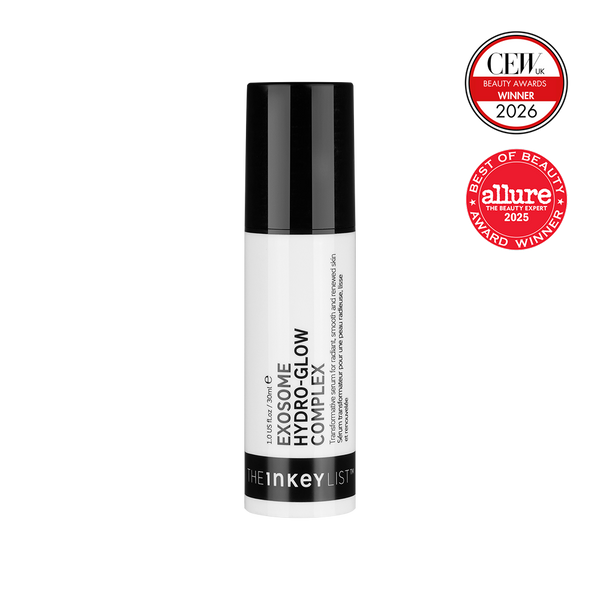
This article is a complete routine, not an ingredient explainer. You will get a morning routine in order, an evening routine in order, clear layering rules for the actives you already own, a 10-minute option for the nights you have no time at all, and a realistic view of what changes over 14 days. The anchor of the whole thing is a single glow serum, the Exosome Hydro-Glow Complex, formulated with 1% plant-derived Cica Exosomes and clinically tested to deliver clinic worthy rejuvenated skin in 14 days*.
If what you are specifically chasing is the poreless, reflective finish people call glass skin, start with what glass skin is and how to get it — that guide covers the look itself, the misconceptions around it, and how it varies across skin types. Then come back here for the exosome routine underneath it.
One expectation to set before we start, because we would rather be useful than impressive. Radiance is something you maintain, not a state you unlock once. Skin responds to hydration, sleep, sun exposure and consistency, and it keeps responding, which means the routine is ongoing rather than a one-time fix. That is genuinely good news, because it also means the result is available to you regardless of where your skin is starting from.
Why Skin Loses Its Glow
Radiance is not a mysterious quality some people have and others do not. It is a physical outcome built on four things happening at once: hydration, smooth surface texture, even tone, and clean light reflection.
Those four are not separate goals. They are a chain. Hydrated skin plumps slightly at the surface, which smooths the microscopic peaks and troughs of skin texture. A smoother surface reflects light in one consistent direction rather than scattering it in a hundred. Even tone means there are no dark or red patches interrupting that reflection. Dullness, in other words, is rarely its own condition — it is usually the absence of those four things.
Understanding the chain matters because it tells you where to spend your effort. Hydration and texture are the levers. Everything else in your routine is either supporting those two or it is optional.
Dehydration is the most common cause, and the fastest to fix
Dehydrated skin is the number one reason a routine full of good products still produces a flat result. When the skin’s upper layers are short on water, the surface becomes uneven at a microscopic level, and uneven surfaces scatter light in every direction at once. Scattered light reads to the eye as grey and tired.
The fix is not complicated, but it does have to be consistent. Water needs to get into the skin and then it needs to stay there, which is where humectant ingredients earn their reputation. Hyaluronic acid is the best known example, drawing water into the upper layers and holding it. If your skin feels tight after cleansing, looks better in the evening than the morning, or shows fine lines that come and go depending on the day, you are probably dealing with dehydrated skinrather than dryness as a skin type.
Rough texture is the second blocker
Dead cell buildup on the surface creates an uneven plane. Gentle, regular exfoliation smooths it. The emphasis is on gentle and regular, because aggressive exfoliation compromises the barrier, and a compromised barrier loses water, which brings you straight back to dehydration.
This is the loop that catches people out. They over-exfoliate chasing smoothness, damage their barrier, become dehydrated, look duller, and then exfoliate harder. If you take one thing from this article, let it be that escalation is usually the wrong response to dull skin.
Where a glow serum fits
A glow serum is the step that does the most work per second of effort, because it targets hydration and surface quality simultaneously. The Exosome Hydro-Glow Complex is built around 1% plant-derived Cica Exosomes, extracted from the centella asiatica plant and paired with multi-level hydration and a tripeptide in a lightweight, fast-absorbing texture. In clinical testing it delivered 6-in-1 skin rejuvenation: clinically proven to visibly improve radiance, hydration, tone, firmness, elasticity, and texture*, which maps onto the four qualities above and then adds firmness and elasticity on top.
That is deliberately all we are going to say about the ingredient here, because this is a routine guide and you deserve a proper explanation rather than two paragraphs squeezed into a different article. If you want the full picture on the technology, read what exosomes are and how they work for the clear ingredient breakdown, or Exosomes in skincare: everything you need to know for the longer editorial version.
Once you know what you are building, the fair next question is how long it takes.
What to Expect: Your 14-Day Glow Timeline
Skincare timelines are where most brands go quiet, which is unhelpful, because knowing when to expect a change is the thing that keeps people going through the unglamorous middle stretch. So here is the honest version, broken into three stages, with the clinical evidence attached to each one and a plain-English translation of what that evidence does and does not mean.
First use. The change you notice on day one is hydration, and it is immediate. Skin looks fresher, feels softer to the touch, and takes makeup more smoothly. The Exosome Hydro-Glow Complex is proven to deliver up to 12-hours of hydration**, which is the difference between skin that feels good for an hour after application and skin that still looks hydrated at 6pm. This first-use effect is real but it is surface-level, and that is fine. It is the foundation the rest of the timeline builds on. Do not judge the product on day one, but do expect day one to feel pleasant.
The early days. In the first week, the work happening is not yet fully visible, which is precisely why people quit. In-vitro laboratory testing of Cica Exosomes showed a 63% increase in skin renewal activity in 8 hours***. It is worth being clear about what that figure is. It is a measurement of markers associated with skin renewal, taken in controlled lab conditions on skin cells, not a promise about what you will see in the mirror after eight hours. Lab data tells you the ingredient is doing something measurable. Clinical data on real people over four weeks tells you what that translates into visually. Both matter, and they answer different questions. Anyone quoting an in-vitro number as if it were a same-day visible result is not being straight with you.
What you can reasonably expect in week one is a compounding version of the day-one effect. Hydration accumulates. Skin that has been well hydrated for seven consecutive days looks meaningfully different from skin hydrated once, because the surface has had time to smooth out and stay smooth. Makeup sits better. The dull, grey cast that comes with dehydration starts to lift.
Around 14 days. This is the marker the clinical work centers on. In a four-week clinical study, the product delivered clinic worthy rejuvenated skin in 14 days*, and 100% saw more glowing skin, clinically proven*. Two weeks is roughly the point at which changes in tone and texture become obvious to you rather than only measurable in a lab, and it is also the point at which other people start to notice, which is a different and slightly more satisfying threshold.
If firmness is your concern, this is the stage where it becomes relevant. The formula helps support natural collagen production, and firmness and elasticity are two of the six measures the clinical testing tracked. Firmness moves more slowly than hydration by nature, so treat 14 days as the beginning of that curve rather than the end of it.
If your skin is reactive or easily irritated
Radiance is much harder to achieve when your complexion is regularly interrupted by redness, puffiness or visible irritation, because those things break up even tone and stop light reflecting cleanly. In-vitro testing showed a 55% reduction in visible signs of skin stress (redness, puffiness, visible irritation)***, which is relevant if your skin tends to flush, react to weather changes, or look blotchy after a bad night. Cica has a long-standing reputation in comfort-focused skincare for good reason, and it is the plant this formula’s exosomes are derived from. If persistent facial redness is your main concern, that page is a better starting point than this article and will point you toward the right combination of steps.
Consistency is the variable, not the product
The clinical results above were produced by people using the product every day. That is not a technicality, it is the whole mechanism. Skin renews on a rolling cycle, and the reason routines take two weeks to show is that you are waiting for that cycle to turn over with better inputs than it had before. Skip three days out of fourteen and you have not run a 14-day routine, you have run an 11-day routine with interruptions, and the timeline moves accordingly.
We would rather tell you that up front than have you conclude in week two that the product does not work when what actually happened is that a long weekend got in the way. If you want the broader story of how exosome technology moved from professional clinic settings into everyday routines, The Glow Revolution covers that shift.
Now that the timeline is set, here is the routine itself, starting with the morning.
The Morning Glow Routine
Morning skincare has one primary job: get skin hydrated and smooth, then protect that state for the next twelve hours. Everything below is ordered, and the order genuinely matters, because products applied out of sequence either do not absorb properly or block the ones that follow. Read it once, then run it. It takes about four minutes once it becomes habit.
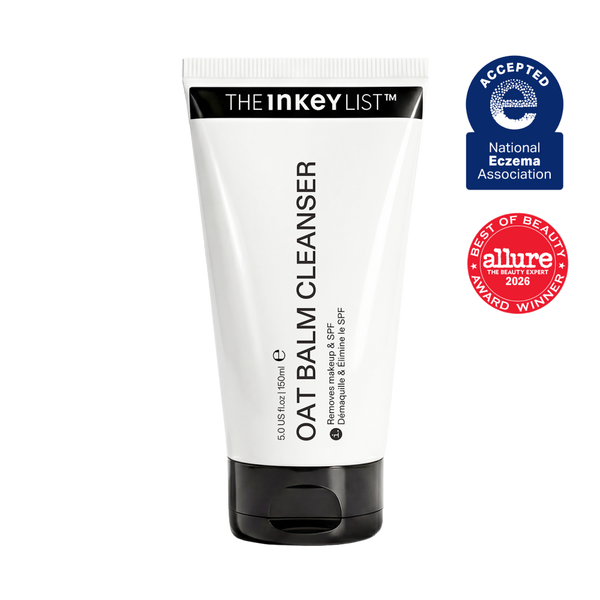
Step 1, cleanse. Start with a gentle cleanse to clear away the oil and sweat produced overnight along with any residue from your evening products. The Oat Cleansing Balm is the default recommendation for every skin type here, because it removes what needs removing without stripping the barrier you are relying on for hydration. Massage it in for a slow count of sixty and rinse with lukewarm water. Skin should feel comfortable afterward, never tight.
There is one caveat worth stating plainly rather than burying in small print. The Salicylic Acid Cleanser is an excellent product, but it is an option only for oily and blemish-prone skin, and it is not a universal step in a glow routine. Most people chasing radiance do not need a salicylic cleanser every morning, and using one when your skin does not call for it is a reliable way to end up dehydrated and dull. If you are unsure whether it suits you, read up on salicylic acid before you add it. If you have visible blackheads, congestion around the nose and chin, or persistent breakouts, it earns its place. If you do not, skip it.
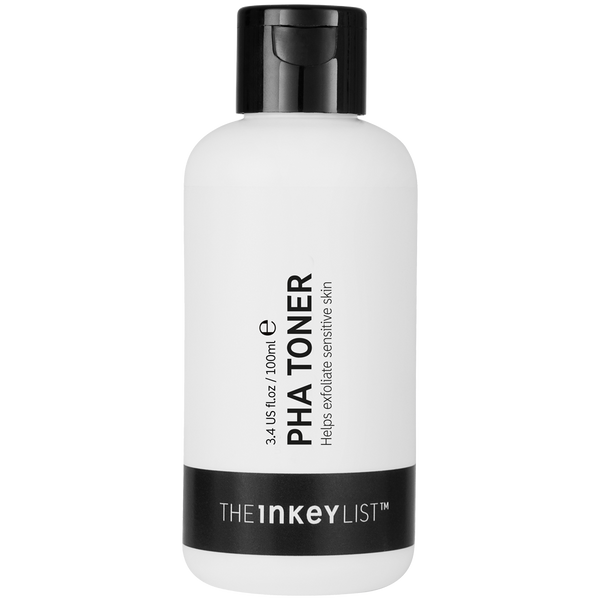
Step 2, tone. A toner in this routine is doing surface smoothing, not stripping. The PHA Toner is the right choice because polyhydroxy acids have a larger molecular size than the more aggressive acid families, which means they work at the surface and are far better tolerated with regular use. Smoother surface, better light reflection, less risk of the over-exfoliation loop described earlier. If you want to understand where PHA sits relative to other exfoliating acids and why gentler often wins for glow specifically, that page explains the category properly. Sweep it over clean skin and move to the next step while skin is still slightly damp.
Step 3, glow serum. This is the anchor step of the entire routine. Apply the Exosome Hydro-Glow Complex to damp skin, a pea-sized amount pressed across the face and down the neck. Damp skin matters more than people expect, because the humectants in the formula have more water available to draw in, and the result is a noticeably plumper finish. Formulated with 1% plant-derived Cica Exosomes, it goes on straight after cleansing and toning, before any heavier treatments and before moisturizer, because thinner formulas need to reach skin first.
Step 4, brighten (optional). If your main concern is uneven tone, post-blemish marks or a general lack of brightness, this is where a vitamin C step belongs. The 15% Vitamin C + EGF serum targets tone specifically, and it layers happily over the glow serum with no conflict at all. Apply the glow serum first, wait thirty seconds, then follow with vitamin C. If tone is not your issue, you can skip this without compromising the routine. For the ingredient context before you commit, vitamin C covers what it does and who benefits most.
Step 5, eyes. The eye area is thinner, moves constantly, and shows tiredness before anywhere else on the face. Caffeine Eye Cream addresses morning puffiness and creates a smoother base under concealer, which is often the difference between concealer that sits well and concealer that creases by lunchtime. Tap it in gently with your ring finger rather than dragging. If dark circles are the specific thing bothering you, that page is worth a read, because the causes vary and so do the fixes.
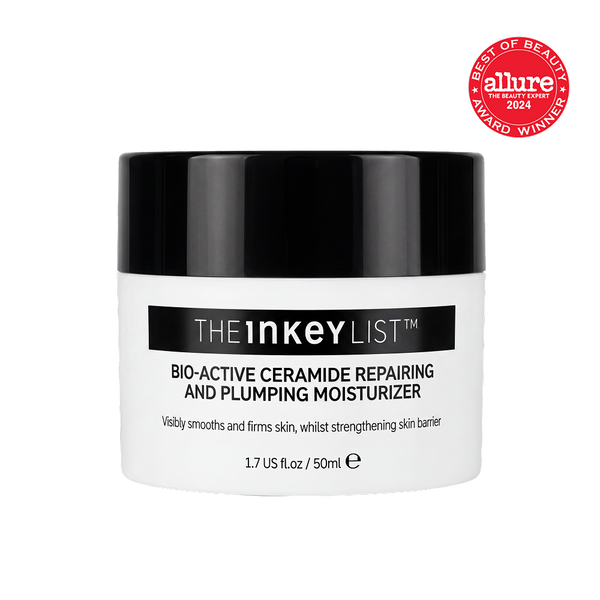
Step 6, moisturize. Moisturizer seals everything underneath it and stops the water you have just added from evaporating away. For dry or normal skin, the Bio-Active Ceramide Moisturizer is the pick, because ceramides are structural components of the skin barrier itself, and supporting that barrier is what keeps skin holding water through the day. For oily and combination skin, the Omega Water Cream gives the same sealing function in a lighter, faster-absorbing texture that will not add weight or shine.
Step 7, SPF. Non-negotiable, every single day, regardless of weather or season. Dewy Sunscreen SPF 30 is the recommendation here for two reasons. It protects, and it finishes with a dewy rather than flat or chalky effect, which means it supports the look you are building instead of undoing it at the last step.
Here is the point worth making plainly. UV exposure is the leading driver of uneven tone, pigmentation and texture change over time. Skipping SPF while running a routine designed to improve tone and texture is like bailing water out of a boat without patching the hole. Daily sunscreen is what protects the results the other six steps are working toward, which makes it less of a final step and more of an insurance policy on everything above it. If you want the fuller explanation of what SPF actually does, it is worth ten minutes of your time.
The evening routine has a different job, because overnight is when skin does the bulk of its recovery work.
The Evening Glow Routine
The simple principle that separates the two halves of the day: mornings are about protection, evenings are about recovery. Overnight, skin is not fighting UV, pollution, makeup or air conditioning. It is repairing the wear those things caused, and it is doing it while transepidermal water loss runs higher than it does during the day. That combination makes the evening the right window for barrier support, gentle renewal and any targeted treatment you are running.
Step 1, double cleanse. Begin with the Oat Cleansing Balm applied to dry skin, worked in properly to melt makeup, SPF and the day’s oil and grime. Sunscreen in particular is designed to resist water and sweat, which means a quick splash will not shift it, and SPF left on overnight is a common and entirely avoidable cause of congestion. If you have worn heavy makeup, follow with a second gentle cleanse to clear whatever the first pass loosened.
Two rules here that matter more than the products. Cleansing should take at least sixty seconds, because the ingredients need contact time to do their job and most people rush it to fifteen. And your skin should never feel tight or squeaky afterward. Tightness is not cleanliness, it is a stripped barrier, and a stripped barrier loses water all night, which is the opposite of what you want.
Step 2, tone. The PHA Toner again for gentle surface smoothing. One exception worth noting: on nights when you are using retinol, skip the toner. Combining exfoliation with a retinoid in the same session is unnecessary and is one of the more common causes of irritation in otherwise sensible routines. Keeping retinol nights simple protects the barrier and, counterintuitively, gets you better results from the retinol.
Step 3, glow serum. Apply the Exosome Hydro-Glow Complex to damp skin exactly as you did in the morning, a pea-sized amount across face and neck. Yes, it is used twice daily. That is not a sales tactic, it is how the clinical study was run, and it is the usage pattern the 14-day result is based on. At night the serum is doing slightly different work, feeding hydration into skin during the hours it is most prone to losing water.
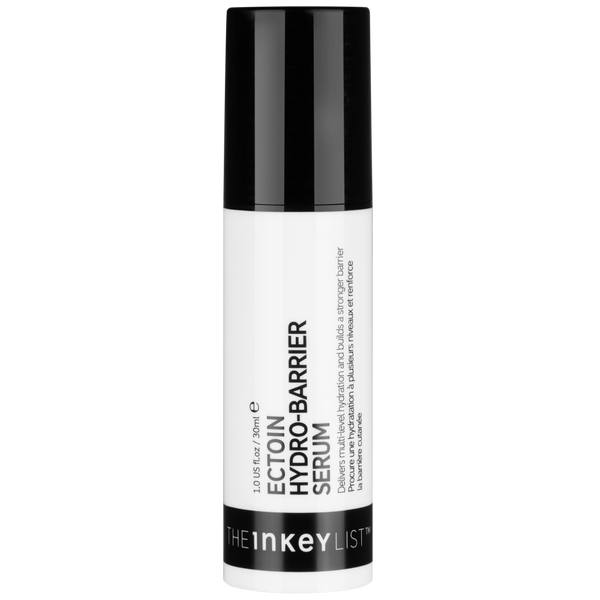
Step 4, barrier support. If your skin is dehydrated, sensitive or easily irritated, this is the most valuable optional step in the article. The Ectoin Hydro-Barrier Serum is built around ectoin, a molecule originally identified in microorganisms surviving in extreme desert and salt-flat conditions, where holding on to water is the whole survival strategy. In skincare it functions as a barrier support ingredient that helps skin retain moisture and stay comfortable.
The logic connects directly back to the goal. A strong barrier holds water in. Skin that holds water looks plumper and smoother. Smoother skin reflects light evenly, and even reflection is what reads as glow. For reactive skin types this is frequently the faster route. For the deeper ingredient explanation, ectoin is worth reading.
Step 5, targeted treatment (optional, and not every night). If texture and fine lines are your priority, Retinol Serumis the most evidence-backed option available and belongs in the PM routine only, since retinol degrades in sunlight and increases sun sensitivity. It is also the product most likely to cause problems if introduced carelessly.
Start with two nights a week. Apply the glow serum first, allow it to absorb, then apply retinol, then moisturizer. Build up gradually over several weeks based on how your skin responds, and stop increasing the moment you see flaking, tightness or redness. Always patch test before the first full-face application. If you are new to the ingredient, retinolexplains how it works and what a sensible ramp-up looks like. If your skin is currently irritated for any reason, wait until it has calmed before starting.
Step 6, moisturize. Seal the routine with the Bio-Active Ceramide Moisturizer, or the Omega Water Cream if your skin is oily or combination and a richer texture feels like too much overnight. This final layer is what stops everything underneath it from evaporating while you sleep.
Introduce one thing at a time
This principle runs through the whole routine and it is the difference between a routine that improves steadily and one that stalls. Add one new product at a time and give it at least a week or two before adding the next. There are two reasons. First, if you add four products at once and your skin improves, you have no idea which one did it, and you will keep buying all four forever. Second, and more importantly, if your skin reacts, you cannot identify the culprit, and you will end up eliminating products at random.
Patch testing is the small step that prevents the large problem. Apply a small amount to a discreet area, wait 24 hours, and check for a reaction before going anywhere near your full face. It is genuinely worth the delay, and why you should always patch test explains how to do it properly.
Irritation is not just uncomfortable, it is a direct setback to the goal. Red, flaky, compromised skin does not reflect light evenly, and recovering from a bad reaction can cost you more time than the routine would have taken to work in the first place. Slower is faster here. If firmness is on your list of concerns, it is worth knowing that the glow serum contains a tripeptide, and peptides explains what that category of ingredient contributes.
Once you have several actives in a routine, the order and the pairings start to matter, which is the next thing to get right.
How to Layer Your Glow Serum With Other Actives
The biggest reason people buy a new serum and then leave it unopened on a shelf is uncertainty. They do not know whether it clashes with what they already use, and rather than risk it, they do nothing. So here is the direct answer for every common pairing, with the answer first and the reasoning second.
Start with the universal rule, which covers most situations on its own: thinnest to thickest, water-based before oil-based. Lightweight, watery formulas need direct contact with skin to absorb. Heavier creams and oils form a barrier that thinner products cannot penetrate. The Exosome Hydro-Glow Complex goes on early, straight after cleansing and toning, before heavier treatments and before moisturizer. If you remember nothing else, remember that.
With retinol: compatible. Apply the glow serum first, allow it to absorb, then retinol, then moisturizer. Retinol stays PM only, always. The hydration and comfort support from the glow serum underneath is genuinely helpful during a retinol ramp-up, since dryness and tightness are the most common reasons people abandon retinol before it starts working. For the fuller picture of which actives do and do not belong together in the same routine, what not to mix with retinol is the reference to bookmark.
With vitamin C: compatible. Glow serum first, then 15% Vitamin C + EGF, then the rest of your morning steps. Both sit comfortably in the AM routine, and they are addressing different things, hydration and overall rejuvenation on one side, tone and brightness on the other. Leave thirty seconds between the two so each has a moment to absorb.
With PDRN Serum: this is the standout pairing for anyone wanting to go further. The PDRN Serum goes on first because it is water-based and thinner, then the Exosome Hydro-Glow Complex layers over the top. Think of it as a renewal-focused combination, two well-researched next-generation ingredients working in sequence rather than competing for the same slot in your routine. This is a layering recommendation, not a ranking. If you specifically want to understand how the two ingredients differ from one another, PDRN vs exosomes handles that comparison properly and is the right place for it.
With exfoliating acids: compatible, with one condition. The glow serum layers fine over or under an acid toner, but do not stack multiple strong acids in the same session. Alternate them across the week instead. A reasonable pattern for most people is gentle PHA on most nights, a stronger acid once or twice a week, and retinol on separate nights again. Layering three exfoliating actives in one evening is the fastest route to a compromised barrier, and a compromised barrier undoes the glow you are chasing.
With hyaluronic acid: optional rather than necessary. The Exosome Hydro-Glow Complex already delivers multi-level hydration, which is why most people will not need a separate humectant step alongside it. If you love a heavy hydration hit, or your skin is very dry or you live somewhere with brutal winters, there are two workable approaches. Use the Hyaluronic Acid Serum in the morning and the glow serum at night, or layer HA first on damp skin followed by the glow serum. Both work. Neither is required.
With polyglutamic acid: layer the Polyglutamic Acid Serum over the top. Polyglutamic acid is exceptionally good at holding water at the surface, so applying it after your other hydrating layers helps keep them in place rather than letting them evaporate off.
Two application details that fix most problems
Apply to damp skin. Not soaking, just not fully dry. Pat your face lightly after cleansing or toning, leave it slightly tacky, then apply. Humectants work by attracting water, and giving them a source at the surface produces a visibly better result than applying to bone-dry skin, which can pull moisture from deeper layers instead.
Allow 30 to 60 seconds between layers. This is the single most effective fix for pilling, the small rolled balls of product that appear when you rub your face. Pilling is almost always a symptom of layering too fast or using too much, not of product incompatibility. Give each layer a moment to settle, use less than you think you need, and press rather than rub.
If you are still carrying doubts about how exosome-based products behave alongside the rest of your routine, 5 exosome skincare myths debunked clears up the most persistent misconceptions in one place. And if you are weighing exosomes against the other headline glow ingredients, vitamin C vs niacinamide vs exosomes sets them side by side.
A full routine is the long game. Sometimes you need glow in the next ten minutes, which is a different problem entirely.
The 10-Minute Emergency Glow
Some evenings the plan is not a plan. An invitation lands late, a shoot gets moved forward, a night out arrives at the end of a week that did not include much sleep. This is a short, ordered reset for exactly those moments. It is a use case, not the strategy, but it works and it takes ten minutes.
Minute 1 to 2: Quick cleanse with the Oat Cleansing Balm. Do not skip this to save time. Product applied over a dull, unclean surface will not reflect light well, and everything you do in the next eight minutes depends on starting from a clean base. Sixty seconds of massage, rinse, pat dry but leave skin slightly damp.
Minute 3: Exosome Hydro-Glow Complex on damp skin, pea-sized, face and neck. This is where the immediate hydration and freshness come from, and it is the same anchor step as the full routine, just doing express duty.
Minutes 4 to 9: The Exosome Boosting Dry Sheet Mask for a concentrated boost. Six minutes with your feet up and your phone face down. This is the high-performance option when skin needs a fast lift, and the dry sheet format means no drips and no mess, which matters when you are already half dressed.
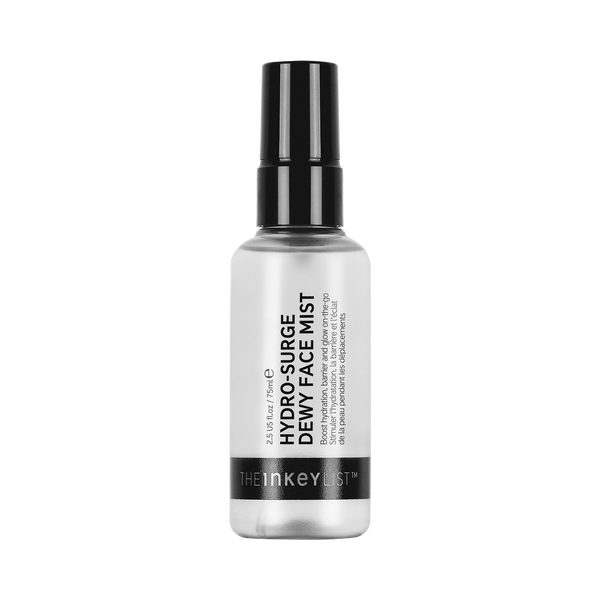
Minute 10: Hydro-Surge Dewy Face Mist to set everything and add a final layer of dewiness. Hold it at arm’s length and mist in a cross pattern. Brand tip worth adopting permanently: keep the mist in the fridge. The cooling effect on application is genuinely reviving, and it helps with morning puffiness too.
Optional, and worth planning for: If you know an event is coming, put your Caffeine Eye Cream in the fridge thirty minutes beforehand. Chilled caffeine cream on tired eyes before an evening out is one of the highest-return small tricks in skincare, and it takes fifteen seconds to apply.
Spot emergency. For a surface blemish, apply a Hydrocolloid Invisible Pimple Patch. They are genuinely invisible under makeup, they stop you touching the area, and they are considerably kinder than any of the improvised alternatives people reach for an hour before leaving the house.
If makeup is going on top: wait 30 to 60 seconds after the serum before you start. Rushing straight into foundation over a serum that has not absorbed is the most common cause of pilling, and pilling ten minutes before you leave the house is not the finish anyone is going for.
One grounding note, because we would rather be honest than sell you a miracle. A ten-minute reset gives you a fresher, more hydrated, better-reflecting finish on the night. It is real and it is visible in photographs. The deeper changes to tone, texture and firmness come from the 14-day routine, not from the ten-minute version of it. Use this when you need it, and use the full routine the rest of the time.
Which brings us to the actual answer: making the routine stick.
Building the 14-Day Habit (And Keeping the Glow)
Every clinical result quoted in this article came from consistent daily use. That single sentence is more important than any ingredient in the routine, because consistency is the active ingredient people most often skip. Skincare is one of the few areas of life where the difference between a good outcome and no outcome is almost entirely a scheduling problem.
Build a minimum viable routine for the bad days
The full morning routine has seven steps. Some mornings you will not have seven steps in you, and pretending otherwise is how routines collapse entirely. So decide in advance what your floor looks like.
Here is the four-step version worth defending on any day, no matter how rushed:
- Cleanse. Sixty seconds, gentle, no stripping.
- Glow serum. Pea-sized, damp skin, face and neck.
- Moisturizer. Whichever one suits your skin type.
- SPF. Every day, without exception.
That is under two minutes and it protects the result. A four-step routine done every single day beats a ten-step routine done twice a week, and it is not close. The compounding effect of daily hydration and daily protection is what produces visible change, and compounding requires unbroken sequences far more than it requires elaborate ones.
Add one thing at a time
Worth repeating because it is the mistake almost everyone makes. Introduce one new product, give it one to two weeks, then assess. This tells you what is actually working and catches irritation early, before it becomes a setback that costs you a fortnight of progress. If you are unsure which moisturizer or cleanser fits your skin type before you commit, take our skincare quiz and get a match rather than a guess. If you already know what you want and would rather assemble everything at once, you can build your own routine in one place.
Photograph day one
This sounds fussy. Do it anyway. Changes to tone and texture happen gradually, which means you acclimatize to them in real time and genuinely cannot perceive the difference by looking in the mirror each morning. A photograph taken on day one, in consistent lighting, at a consistent time of day, with no makeup, is the only reliable comparison you will have on day fourteen.
Use natural light from a window, face the light source directly, and take it at the same time of day each time. Then take another on day seven and day fourteen. Most people are surprised, and more importantly, the evidence keeps them going. Motivation is much easier to sustain when you can see the return.
What to do if the glow plateaus
At some point skin may look dull again, and the instinct is to conclude the routine has stopped working. Almost always, something else has changed. The four usual suspects:
- Dehydration. Travel, air conditioning, central heating, alcohol, a change of season. All of them pull water out of skin faster than usual and all of them show up as dullness first.
- Sleep. Poor sleep affects circulation and shows in skin tone within a day or two. No serum fully compensates for a week of four-hour nights.
- Sun exposure without SPF. A few sunscreen-free days undo tone progress faster than they should, and the effect lags, so you often see it a week later.
- Over-exfoliating. The most common self-inflicted cause. If skin is tight, stinging on application, or looking flat despite exfoliating more, the answer is to exfoliate less and support the barrier instead.
If dullness is a recurring theme rather than an occasional dip, the dull skin collection groups the products that target it directly. Diagnose before you overhaul. The routine failing is the least likely explanation on the list.
The best routine is the one you actually repeat.
The payoff for sticking with it
Two weeks of consistency is a small ask against the evidence. In clinical testing, the Exosome Hydro-Glow Complexdelivered clinic worthy rejuvenated skin in 14 days*, and 100% saw more glowing skin, clinically proven*. Every participant. That is the number worth holding on to on the evenings when you would rather go straight to bed.
One more thing that removes a common reason for hesitation. This routine suits all skin types, including sensitive, and the glow serum is pregnancy and breastfeeding safe. If you have been holding off because you assumed a clinically tested, results-driven product must come with a list of exclusions attached, it does not.
A few practical questions come up again and again, and they are worth answering directly.
The Short Version
Three structures, one goal. A morning routine built on hydration and protection, running from a gentle cleanse through the glow serum to SPF. An evening routine built on barrier support and overnight recovery, with optional targeted treatment when your skin is ready for it. And a 10-minute reset for the nights when time has run out and you still want to look like it hasn’t.
The through-line is the part worth carrying away. Radiance comes from a short routine repeated consistently, not from a bigger collection of products. The people who get there are rarely the ones with the fullest shelves. They are the ones who found four to seven steps that suit their skin and then simply did them, on the good days and the tired ones.
Skincare has become genuinely complicated, and most of that complication is not serving anyone. What most people actually need is clarity they can trust: which steps matter, in what order, and what to reasonably expect from them. That is what this routine is, and it is why the Exosome Hydro-Glow Complex sits at the center of it, delivering 6-in-1 skin rejuvenation: clinically proven to visibly improve radiance, hydration, tone, firmness, elasticity, and texture*.
Start the routine with the Exosome Hydro-Glow Complex, the glow serum everything else is built around. If you are not sure where to begin, take the skincare quiz for a routine matched to your skin type. And if you would rather assemble the whole thing in one go, build your own routine.
Because at The INKEY List, We Give A Care.
*4-week clinical study of 26 people
**Clinical study of 31 people
***In-vitro testing of Cica Exosomes showed a 55% reduction in pro-inflammatory markers and a 63% increase in markers associated with skin renewal after 8 hours.
Frequently Asked Questions
Got a question?
Our askINKEY team are a friendly bunch of skincare experts with deep product knowledge and zero judgement. Whether you're an ingredient obsessive or just starting out, we'll make it make sense. No question too big. No question too small. We Give A Care, Every Day.


