

Glycolic Acid for Armpits: Benefits, How to Use It & What to Expect
Glycolic acid isn't just for your face - here's how it helps with armpit odor and dark underarms, plus a simple routine to get started.
Author
askINKEY skincare advisor
Published
01 August, 2026
Time to read
11 minutes
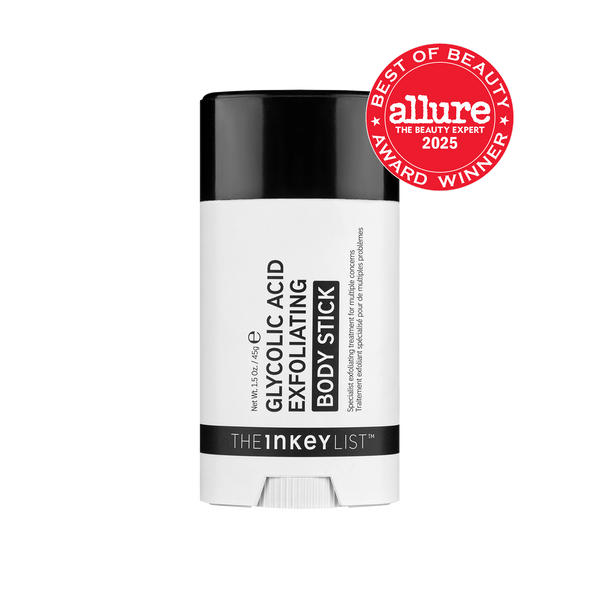
Glycolic acid, an alpha hydroxy acid (AHA) best known for exfoliating facial skin, has become one of the most talked-about ingredients in underarm care - and for good reason: the same cell-turnover boost that smooths and brightens your face can help with underarm odor, discoloration, and rough texture. If you have been curious about glycolic acid for armpits, this guide covers everything you need to know: what the ingredient actually does to underarm skin, the science behind odor reduction, how it helps with dark underarms, when to apply it around shaving, a full step-by-step routine, how often to use it safely, and which products to start with, plus answers to the most common questions. The hero of this story is our Glycolic Acid Exfoliating Body Stick ($20), clinically proven to visibly reduce underarm discoloration in 28 days. One honest note before we begin: glycolic acid is not an antiperspirant and it will not stop you from sweating. It works differently - and understanding how is exactly where we will start.
What Does Glycolic Acid Do for Your Armpits?
Before you swipe an acid across one of the most sensitive areas of your body, it is worth understanding what that acid actually does. The good news is that the science here is refreshingly simple.
Glycolic acid is the smallest molecule in the alpha hydroxy acid family, which is precisely what makes it so effective. Because it is so small, it penetrates the outermost layer of skin more readily than larger acids like lactic or mandelic. Once there, it gets to work loosening the bonds that hold dead surface skin cells together. Normally, those cells shed on their own through a process called desquamation, but that process slows down with age, friction, and buildup. Glycolic acid speeds it back up. Dead cells release and shed more easily, revealing the smoother, fresher, more even-looking skin underneath. If you want the complete ingredient deep-dive, our full guide to what glycolic acid is and how it works covers the mechanism, strengths, and pairings in detail. For an independent perspective, Healthline’s overview of glycolic acid explains the same AHA mechanism and how it compares to other exfoliating acids.
So why do underarms, of all places, respond so well to this ingredient? Because underarm skin lives a genuinely difficult life. Consider what this small patch of skin deals with on a daily basis:
- It is thinner than most body skin, which makes it more reactive and more prone to visible irritation.
- It is almost always occluded - pressed against itself or covered by clothing, trapping heat, sweat, and product residue.
- It endures constant friction from arm movement and fabric, which stimulates the skin to thicken and produce more pigment over time.
- It is regularly shaved, waxed, or treated with depilatory creams, all of which cause micro-trauma to the surface.
- It absorbs deodorant and antiperspirant ingredients daily, some of which can build up on the surface or trigger low-grade irritation in sensitive skin.
Add all of that up and you get the classic underarm complaints: rough or bumpy texture, a dull or darkened appearance, buildup that contributes to odor, and ingrown hairs that turn shave day into a gamble. This is exactly the kind of situation where a chemical exfoliant earns its keep. Because glycolic acid dissolves the bonds between dead cells rather than physically scrubbing them away, it exfoliates without the friction that underarm skin already gets too much of. That distinction matters more here than almost anywhere else on the body - a gritty scrub in the underarm is essentially adding friction to a friction problem.
The realistic benefits of using glycolic acid on underarms, then, look like this: smoother texture as buildup clears, a more even-toned appearance over time as pigmented surface cells shed, less of the dead-skin accumulation that feeds odor-causing bacteria, and fewer ingrown hairs and razor bumps because follicle openings stay clear. People who use glycolic acid underarms consistently often describe the change as the area simply looking and feeling “cleaner” - not because it is cleaner in a hygiene sense, but because the surface is genuinely renewing faster.
Now for the honest limits, because they matter. Glycolic acid is not an antiperspirant. It does not block, shrink, or affect sweat glands in any way, and it will not reduce how much you sweat. It is also not a medical treatment. If excessive sweating (hyperhidrosis) is your primary concern, that is a different problem with different solutions - clinical-strength antiperspirants, prescription options, and in-office treatments - and a dermatologist is the right person to talk to. Glycolic acid works on the skin surface: on texture, on tone, and, as the next section explains, on the environment where odor is created.
And that brings us to the question most people typed into a search bar to get here: does glycolic acid actually help with armpit odor?
Glycolic Acid and Armpit Odor: The pH and Bacteria Science
Here is a fact that surprises most people: your sweat barely smells at all. Fresh from the gland, sweat is nearly odorless. What we call body odor is not the smell of sweat - it is the smell of what happens to sweat after it sits on your skin.
Your underarms contain a special type of sweat gland called apocrine glands. Unlike the eccrine glands that cover most of your body and produce watery, salty sweat for cooling, apocrine glands secrete a thicker fluid rich in proteins and lipids. On its own, this secretion has essentially no scent. But your underarms are also home to a dense community of skin bacteria, and to those bacteria, apocrine sweat is a buffet. As they break down its compounds, they release byproducts - thioalcohols and various volatile fatty acids - and those byproducts are what your nose registers as body odor. In other words, odor is a fermentation problem, not a sweat problem.
This is where glycolic acid enters the picture, and where the science gets genuinely interesting. Healthy skin naturally sits at a mildly acidic pH, and the bacteria most responsible for strong body odor prefer a more neutral environment. When you apply glycolic acid to the underarm, you lower the skin’s surface pH, tilting the local environment toward acidity. Odor-causing bacteria find it harder to thrive there. Fewer of those bacteria means less of the breakdown process that converts odorless sweat into smelly byproducts. You have not stopped sweating - you have simply made your skin a less hospitable venue for the chemistry that creates odor.
If this sounds like a social media theory that got out of hand, it is worth knowing that researchers took the trend seriously. After glycolic acid toner went viral as an underarm hack, research from Bond University examined why armpits smell and whether glycolic acid really helps. The conclusion was measured but encouraging: the mechanism is plausible and grounded in how skin pH shapes the microbiome. Lowering surface pH genuinely does discourage the bacterial activity behind odor. The caveats are equally real: individual results vary, because everyone’s skin microbiome, sweat composition, and skin sensitivity are different.
Sweat itself is nearly odorless. Body odor is created when skin bacteria break down compounds in apocrine sweat - which means changing the skin environment those bacteria live in can change the odor they produce.
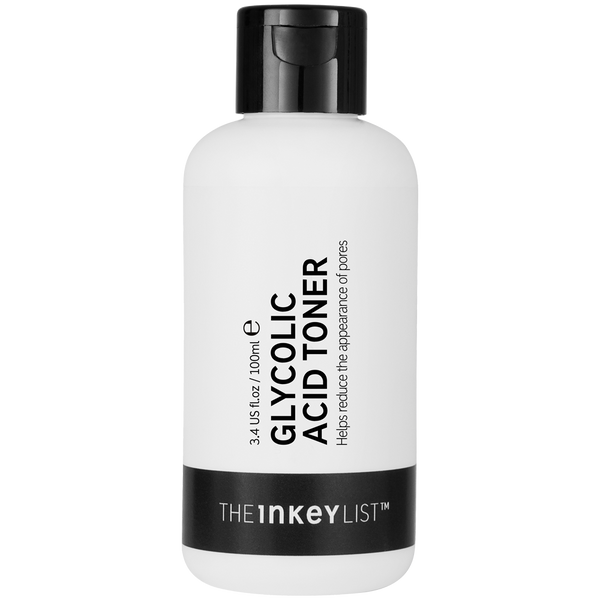
That viral trend, for context, began with people sweeping a glycolic acid toner over their underarms with a cotton pad. Our Glycolic Acid Toner ($18) fits that exact format - 10% glycolic acid designed for application with a cotton pad - which is why it became many people’s entry point into underarm acid use. It is a straightforward way to test whether the approach works for your particular skin and microbiome.
Honesty requires repeating the limits here. Glycolic acid does nothing for wetness. If your concern is damp shirts rather than odor, an acid will not help. Results also take consistent use - this is a gradual rebalancing of your skin environment, not an instant neutralizer. And some people notice a significant difference while others notice a modest one. Body odor is normal, universal, and nothing to be embarrassed about; this is simply another tool for managing it, not a moral upgrade.
Does Glycolic Acid Work as a Deodorant?
It can reduce odor for some people, but calling it a deodorant is not quite accurate. A traditional deodorant works primarily by masking odor with fragrance and, in many formulas, adding antibacterial ingredients; an antiperspirant goes further and temporarily blocks sweat ducts. A glycolic acid deodorant approach does neither - there is no fragrance and no sweat blocking. Instead, it changes the underlying skin environment so less odor is produced in the first place.
Because of that, many people find the smartest strategy is using glycolic acid alongside their deodorant rather than instead of it: acid at night to manage the skin environment, deodorant in the morning for daytime confidence. If you want to try glycolic acid instead of deodorant entirely, that is a legitimate experiment - just expect an adjustment period of a week or two, pay attention to how your skin responds, and keep a backup deodorant on hand for high-stakes days. Your skin, your schedule, your call.
Odor is only half of why people search for this ingredient. The other half is dark underarms - and that deserves its own honest, careful conversation.
Glycolic Acid for Dark Armpits and Discoloration
Let’s start with something the beauty industry rarely says out loud: darker underarms are extremely common, completely normal, and very often not a problem at all. For many people, especially those with medium to deep skin tones, some degree of tonal variation in the underarm area is simply how their skin naturally is. You are not doing anything wrong, and you do not owe anyone perfectly uniform armpits. That said, if visible discoloration bothers you, understanding where it comes from is the first step to addressing it - and it usually comes from a handful of predictable sources.
According to Cleveland Clinic’s guide to dark armpits, the most common contributors include chronic friction from clothing and skin-on-skin contact, irritation from shaving and other hair removal, the buildup of dead skin cells that dulls the surface, post-inflammatory hyperpigmentation left behind after irritation or ingrown hairs, and reactions to certain deodorant or antiperspirant ingredients. The International Hyperhidrosis Society’s guide to underarm hyperpigmentation adds useful nuance: the underarm is a high-friction, frequently irritated zone, and skin responds to repeated irritation the way it knows how - by producing more pigment as a protective response. Darkness here is rarely one cause; it is usually several small ones stacking up over years.
So how does glycolic acid help? By working on the two contributors it can actually reach. First, it accelerates the shedding of pigmented surface cells - the cells that carry excess melanin from past irritation sit in the outermost layers, and speeding up turnover means they exit sooner rather than lingering. Second, it clears the dead-skin buildup that makes any discoloration look duller and more pronounced. The result, over weeks of consistent use, is a gradual evening of the area’s appearance. Notice the framing: glycolic acid reduces the appearance of discoloration and supports a more even-looking tone. It does not - and should not - lighten your natural skin color, and any product promising to whiten or bleach skin is making a promise you should walk away from. If your search was “does glycolic acid lighten armpits,” the honest answer is that it helps fade acquired discoloration back toward your natural tone; it does not change the tone you were born with, and it is not meant to.
On timelines, we can be unusually specific, because we tested it. Our Glycolic Acid Exfoliating Body Stick ($20) is clinically proven to visibly reduce underarm discoloration in 28 days, based on a 4-week consumer study of 100 people. Four weeks is the honest benchmark: this is a marathon measured in skin cycles, not a sprint measured in days. Consistency is the deciding variable. Sporadic use produces sporadic results; steady use, a few times a week building toward the product’s guidance, is what moved the needle in the study.
Now for the paragraph that matters most, especially for readers with deeper skin tones: more is not better. It is tempting, when you want faster results, to apply more product more often. Resist that instinct. Over-exfoliation causes irritation - redness, stinging, a compromised skin barrier - and irritation is precisely what triggers post-inflammatory hyperpigmentation in the first place. On deeper skin tones, where melanocytes respond more vigorously to inflammation, aggressive exfoliation can leave the area darker than when you started. It is one of skincare’s crueler ironies: the impatient approach to fading discoloration actively creates more of it. Gentle and consistent beats aggressive and sporadic, every single time.
One more piece of honest guidance: know when this is not a skincare situation. If underarm darkening appears suddenly, has a velvety or thickened texture, or arrives alongside other bodily changes, that pattern can indicate an underlying condition such as acanthosis nigricans, which is associated with insulin resistance and other medical issues. That is a conversation for a dermatologist or physician, not a reason to exfoliate harder. When in doubt, get it looked at - the vast majority of the time the answer is reassuring, and when it is not, early answers are valuable.
Since almost everyone dealing with underarm discoloration also shaves or removes hair there, the natural next question is how glycolic acid fits around your hair removal schedule. There is a simple rule for that.
Can You Use Glycolic Acid After Shaving? The 8-Hour Rule
Here is the rule, stated plainly so you can remember it forever: wait at least 8 hours after shaving - or any hair removal - before applying glycolic acid to your underarms.
The reason is mechanical. Even the smoothest, most careful shave leaves behind micro-abrasions: tiny, invisible nicks and scrapes across the skin surface. Your underarm may look fine, but at the microscopic level it is freshly exfoliated by blade and briefly compromised. Apply an acid onto that surface too soon and two things happen. First, it stings - sharply, memorably, in a way that has convinced plenty of people to abandon underarm acids entirely after one bad experience. Second, and more importantly, it can trigger real irritation. And as the previous section explained, irritation in the underarm is not a neutral event: it is the very mechanism that drives post-inflammatory hyperpigmentation. Acid immediately after shaving can quite literally work against the discoloration results you are using the acid to achieve.
The smarter approach is to flip your sequencing entirely: exfoliate the day before shave day, not after it. This is not just damage avoidance - it actively improves your shave. Glycolic acid the night before clears the dead-skin layer sitting over your follicles, so the razor glides over smoother terrain and cuts hair cleanly at the surface instead of dragging across buildup. Then shave the next day, give the skin its 8-plus hours, and resume your acid routine that evening or the following day.
This sequencing also unlocks one of glycolic acid’s most underrated underarm benefits: fewer ingrown hairs and razor bumps. Ingrowns happen when a regrowing hair gets trapped under a layer of dead skin cells and curls back into the follicle instead of exiting cleanly. The underarm, with its coarse hair, constant occlusion, and heavy buildup, is prime ingrown territory. Regular glycolic use between shaves keeps follicle openings clear, so hairs grow out instead of in. If rough, bumpy skin is a concern for you beyond the underarms - on arms or thighs, for example - the same logic applies more broadly, and our complete guide to treating keratosis pilaris covers how the same body stick handles those stubborn bumps too.
A few extensions of the rule worth knowing:
- Waxing and depilatory creams: same rule, more caution. Waxing removes hair from the root and takes surface skin cells with it; depilatories work by chemically dissolving hair and can leave the skin barrier temporarily reactive. Treat 8 hours as the minimum after these methods, and if your skin tends toward sensitivity, give it a full 24.
- The sting test is your feedback system. A brief, mild tingle on application is normal for an AHA. A sharp, persistent sting is not. If glycolic acid ever burns on your underarms, rinse it off promptly, skip all acids for a few days, and let your skin barrier settle before reintroducing slowly at a lower frequency.
- Follow the product’s own guidance. Our Glycolic Acid Exfoliating Body Stick includes the post-hair-removal waiting guidance in its usage directions for exactly these reasons - it is a rule built into how the product is meant to be used, not an optional extra.
The easiest way to make all of this automatic is to anchor it to your calendar: acids on non-shave days, shaving gets its own day, and never the two within the same 8-hour window. Simple, memorable, effective.
With timing sorted, you are ready for the part most first-timers actually want: the complete routine, step by step, with zero guesswork.
How to Use Glycolic Acid on Your Armpits: Step by Step
Everything you have read so far comes down to this: a simple, safe starter routine you can begin tonight. None of these steps is complicated, but each one exists for a reason, and skipping the boring ones (looking at you, patch test) is how good ingredients get blamed for bad experiences. Here is the full sequence.
-
Patch test first. Before full underarm use, apply a small amount of your chosen product to your inner forearm or a small patch of one underarm. Wait 24 hours. If you see no redness, stinging, or itching, you are clear to proceed. This one day of patience can save you weeks of irritated skin, and our guide on why patch testing matters and how to do it walks through the process properly.
-
Start on clean, dry skin at night. Evening is the ideal application window for two reasons: your skin is deodorant-free after your shower, and the product gets uninterrupted hours to work while you sleep. The “dry” part is non-negotiable - damp skin increases acid penetration, which sounds like a bonus but in practice just increases the chance of stinging. Shower, dry off completely, wait a few minutes, then apply.
-
Apply your product. With the stick format, glide 2-3 swipes over each underarm - that is the full dose, and no rinsing is needed. With a toner, soak a cotton pad and sweep it once over each underarm. Either way, resist the urge to layer on extra; the correct amount is a thin, even application, not a saturated one.
-
If applying deodorant afterward, wait 10-15 minutes. For daytime use, give the acid time to settle into the skin before layering deodorant on top. Applying deodorant immediately can dilute the acid, push it around unevenly, and increase the chance of irritation from ingredient interactions. Ten quiet minutes solves all of it.
-
Moisturize. Exfoliated skin performs best when it is well hydrated, and a gentle follow-up keeps the area comfortable as it adjusts. The PHA Body Water Cream ($15) is the ideal companion here: a lightweight, hydrating body cream built around polyhydroxy acid, the gentlest member of the exfoliating acid family. Use it as your all-over body moisturizer on non-target areas, and as the gentle maintenance option for the underarms themselves on your off days.
-
Do not stack exfoliants. On any day you use glycolic acid on your underarms, that is the only exfoliation the area gets. No other acids, no scrubs, no exfoliating mitts, no “just a little” salicylic acid on top. One exfoliant at a time, always. If you are wondering what you can layer with glycolic acid elsewhere in your routine, our guide to niacinamide and glycolic acid together covers the pairings that actually play well.
That is the whole routine, and yes, it is deliberately boring. There is no secret seventh step, no advanced technique, no hack that accelerates it. Skincare results are compound interest: a simple routine executed consistently will outperform an intense routine executed sporadically, every time. The people who saw visible results in the 28-day study did not do anything dramatic - they did something ordinary, repeatedly.
Which raises the obvious follow-up question: how often is “repeatedly,” exactly? Frequency is where most people get underarm acids wrong, so it gets its own section.
How Often Should You Use Glycolic Acid on Underarms? Frequency and Safety
If there is one place people sabotage their own results with glycolic acid for armpits, it is frequency. The instinct to use more, sooner, is strong - and it is exactly backwards. Underarm skin is thinner and more occluded than the skin on your arms or legs, which means it needs a gentler on-ramp than general body exfoliation. Here is the graduated schedule that works.
Weeks one and two: 1-2 times per week. This is your tolerance-building phase. You are introducing an active ingredient to sensitive, frequently irritated skin, and the goal is to let the skin adapt without protest. It will feel like too little. That is the point.
Weeks three and four: increase gradually. If your underarms show no redness, stinging, or lingering sensitivity after two weeks, step up the frequency. For underarm discoloration specifically, the product guidance for our body stick allows building up to once daily once tolerance is fully established - that is the usage pattern behind the 28-day study results. Move toward it in stages, not in one jump: twice weekly becomes three times, three becomes every other day, and so on, with your skin’s feedback governing the pace.
Maintenance phase: scale back to around 3 times per week. Once your skin has visibly improved, you do not need daily application to hold the results. Roughly three sessions a week maintains the turnover rate and pH environment you have established. And to be clear about what happens if you stop entirely: the original concerns tend to gradually return, because the underlying causes - friction, shaving, occlusion - have not gone anywhere. Maintenance is not a sales pitch; it is how skin works. As our glycolic acid guide explains, an AHA’s effects last as long as the turnover boost does - which is why lower-strength, sustainable frequency beats high-strength bursts.
Some people should approach this ingredient with extra caution, or skip it for now entirely:
- Sensitive or reactive skin types, who should start at once weekly and consider a gentler acid family first
- Anyone with eczema or dermatitis in the underarm area, where an acid will aggravate an already compromised barrier
- Anyone using prescription topicals such as retinoids or treatments prescribed for the area - check with your doctor before adding an AHA
- Anyone with broken, freshly irritated, or healing underarm skin - wait until it is fully healed, without exception
If you recognize yourself in that first bullet, the honest recommendation is not to push through with a stronger product but to start gentler. Polyhydroxy acids deliver a milder version of the same exfoliating benefit with a much lower irritation risk - our comparison of the PHA Toner vs Glycolic Acid Toner breaks down exactly how the two acid families differ and who each suits. The gentler route gets sensitive skin to the same destination; it just takes the scenic road.
One safety note that applies to everyone: AHAs increase photosensitivity, meaning treated skin burns more easily in the sun. Underarms are among the least sun-exposed areas on the body, so this matters less here than on your face - but it does not matter zero. On sleeveless days, beach days, or anytime treated underarm skin will see real sun, apply SPF to the area like you would anywhere else.
On timelines, expectations deserve one more honest recap. Texture improvements - smoother, softer-feeling skin - are often the first change people notice, sometimes within the first couple of weeks. Discoloration is slower, because it depends on full cycles of skin turnover: the verified benchmark is visible reduction in underarm discoloration at 28 days of consistent use. If you are at day ten wondering why your underarms have not transformed, you are not failing and neither is the product; you are simply mid-process.
Can You Use Glycolic Acid on Armpits Every Day?
Eventually, some people can - but only after building tolerance gradually over several weeks, and it is worth being clear that daily use is not required for results. The 28-day consumer study reflects consistent use of the body stick per its guidance, and once skin improves, around three times weekly maintains it. If irritation appears at any frequency - redness, stinging, itching, or new darkening - drop back immediately and let the skin recover. Past your personal tolerance point, additional applications add irritation, not benefits. Frequency is a dial, not a badge of commitment.
You now have the science, the rules, the routine, and the schedule. The last practical piece is choosing your starting product - and getting quick answers to the questions everyone asks.
Best Glycolic Acid Products for Underarms
Three products cover the full spectrum of underarm needs, from targeted treatment to sensitive-skin entry point. Rather than stacking claims, here is an honest match of each product to the person it suits best.
The Glycolic Acid Exfoliating Body Stick ($20) is the hero pick and the purpose-built option. It delivers 7% glycolic acid in a mess-free, no-rinse stick designed specifically for targeted body application - glide it on, walk away, done. It is clinically proven to visibly reduce underarm discoloration in 28 days, and it is the best choice if your primary concerns are discoloration, ingrown hairs, or rough underarm texture. The stick format also makes dosing nearly foolproof, which matters in an area where over-application is the most common mistake.
The Glycolic Acid Toner ($18) is the classic - the 10% glycolic acid, cotton-pad format behind the original underarm trend. The higher percentage makes it effective, but also means you should start slower: once weekly for the first two weeks, building gradually. It suits people who already use it on their face and want one product pulling double duty, and those whose main goal is odor management rather than discoloration.
The PHA Body Water Cream ($15) is the gentle option for sensitive underarms. Polyhydroxy acids are larger molecules than glycolic acid, so they work at the surface with far less irritation potential, exfoliating gently while actively hydrating. It is the ideal entry point if your skin is reactive, and the ideal maintenance option for anyone whose underarms have improved and just need upkeep without intensity.
If you want to compare everything in one place, you can shop the full glycolic acid collection - and if you are weighing glycolic acid against other exfoliating acids for your skin type, our breakdown of glycolic acid vs salicylic acid settles the most common comparison question.
The Bottom Line on Glycolic Acid for Armpits
Glycolic acid for armpits works, within honest limits. By lowering skin pH, it creates an environment where odor-causing bacteria struggle to thrive. By accelerating surface cell turnover, it gradually reduces the appearance of discoloration and smooths rough, bumpy texture. It is not an antiperspirant, it will not stop sweat, and results are built over weeks of consistent use - the verified benchmark is visible reduction in discoloration at 28 days.
Three rules carry you through everything: patch test before you start, wait at least 8 hours after shaving before applying, and begin at 1-2 times weekly before building up. Gentle beats aggressive every time, because irritation is the enemy of every result you are working toward.
Clear guidance, proven ingredients, real results. That is the whole formula.
If underarm discoloration or texture is your goal, the Glycolic Acid Exfoliating Body Stick ($20) is the place to start, while sensitive skin can begin gently with the PHA Body Water Cream ($15) instead. And if you would rather keep learning before you buy, our full glycolic acid guide goes deeper on the ingredient - here whenever you are ready.
Frequently Asked Questions
Got a question?
Our askINKEY team are a friendly bunch of skincare experts with deep product knowledge and zero judgement. Whether you're an ingredient obsessive or just starting out, we'll make it make sense. No question too big. No question too small. We Give A Care, Every Day.


