
PDRN vs Retinol: Two Approaches to Skin Regeneration

16.01.2026 | Skincare

In the ever-evolving world of skincare, two powerful ingredients have captured the attention of both dermatologists and beauty enthusiasts: PDRN and retinol. While retinol has long been considered the gold standard for anti-aging and skin renewal, PDRN represents an exciting new frontier in regenerative skincare. This comprehensive comparison will explore how these two approaches to skin regeneration work, their unique benefits, and how to determine which might be the best fit for your skincare goals.

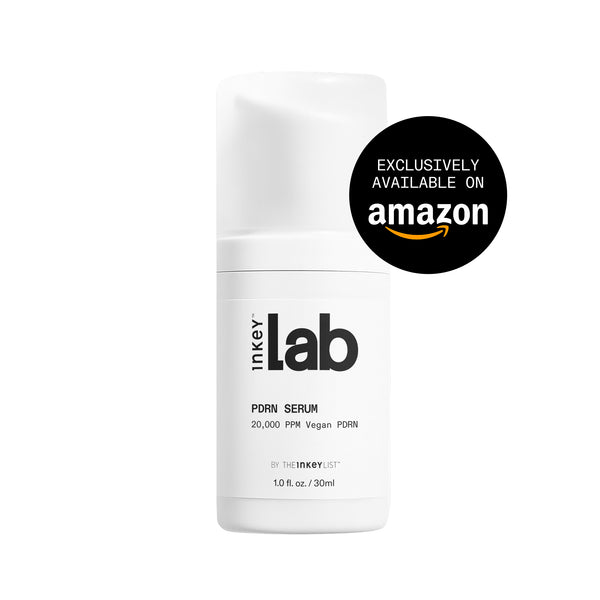
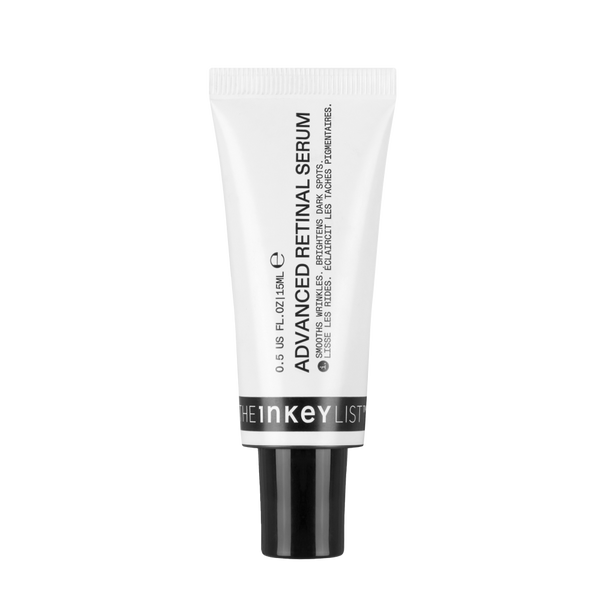
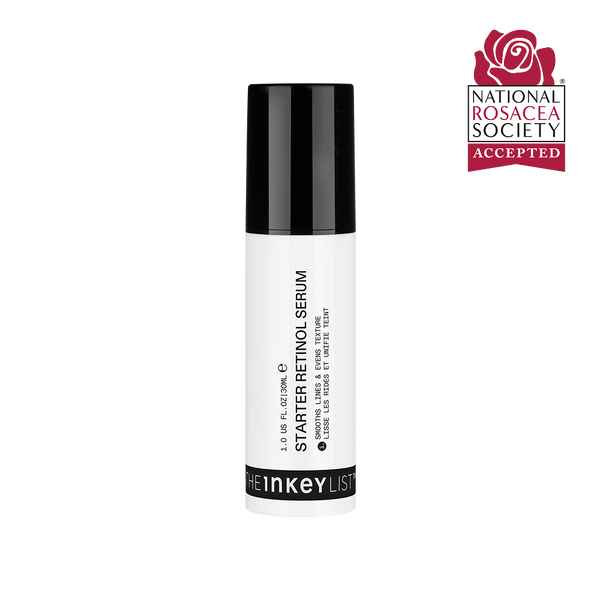
Both ingredients promise to transform your skin, but they take remarkably different paths to achieve similar results. The INKEY List’s innovative PDRN Serum harnesses the regenerative power of polydeoxyribonucleotides for instant glow and barrier improvement, while our proven retinol range, including the gentle Starter Retinol and advanced Retinal formula, continues to deliver time-tested results for fine lines, texture, and overall skin renewal.

Understanding the science behind these ingredients, their mechanisms of action, potential side effects, and optimal usage patterns will empower you to make informed decisions about your skincare routine. Whether you’re dealing with signs of aging, compromised skin barrier function, or simply seeking to optimize your skin health, this guide will provide the clarity you need to navigate these two compelling options.

What is PDRN? The Regenerative Newcomer

Polydeoxyribonucleotide, commonly abbreviated as PDRN, represents one of the most exciting developments in modern skincare science. This biomolecule consists of DNA fragments typically ranging from 50 to 2,000 base pairs, most commonly derived from salmon DNA through advanced biotechnology processes. For many Americans discovering this ingredient for the first time, PDRN offers a fascinating glimpse into the future of regenerative skincare—a gentler, more biological approach to skin improvement that works with your skin’s natural processes rather than against them.

The journey of PDRN from medical applications to consumer skincare represents a remarkable evolution in biotechnology. Originally developed for wound healing and tissue regeneration in clinical settings, PDRN has gained significant recognition in the aesthetic medicine community for its ability to stimulate cellular regeneration and improve skin barrier function without the irritation commonly associated with traditional anti-aging ingredients. This transition from medical to cosmetic applications reflects the ingredient’s proven safety profile and remarkable efficacy.

What makes PDRN particularly fascinating is its biomimetic nature—it essentially mimics and enhances the body’s own regenerative signals. According to recent research published in Molecules, PDRN works by acting as an agonist of the adenosine A2A receptor, a key cellular communication pathway that triggers beneficial regenerative responses. This mechanism leads to increased proliferation of both keratinocytes (the primary cells forming your skin’s protective barrier) and fibroblasts (the cells responsible for producing collagen and other structural proteins).

The cellular-level effects of PDRN are quite remarkable when examined through the lens of modern dermatological research. The same study demonstrates that PDRN treatment significantly increases the expression of crucial proteins including fibronectin (which helps cells stick together), filaggrin (essential for barrier function), Ki-67 (a marker of healthy cell division), and Cyclin D1 (which regulates cell cycle progression). This comprehensive improvement in cellular function explains why users often notice multiple benefits from PDRN use—better hydration, improved texture, enhanced radiance, and stronger barrier function.

The adenosine A2A receptor pathway that PDRN activates represents a sophisticated approach to skin improvement that differs fundamentally from traditional active ingredients. When PDRN molecules bind to these receptors, they initiate a cascade of beneficial cellular events, including the phosphorylation of focal adhesion kinase (FAK), adenosine triphosphate-dependent tyrosine kinase (AKT), and mitogen-activated protein kinase (MAPK). These scientific terms may sound complex, but they represent pathways that ultimately result in enhanced cell survival, improved cellular communication, and accelerated tissue repair processes.

What sets PDRN apart in the American skincare market is its multifaceted approach to skin improvement. Unlike ingredients that target a single concern, PDRN simultaneously addresses multiple aspects of skin health. It enhances the skin’s natural barrier function by promoting the production of essential barrier proteins like filaggrin, which helps retain moisture and protect against environmental stressors—particularly relevant for Americans dealing with varying climates and pollution levels across different regions.

The INKEY List’s PDRN Serum represents a carefully formulated approach to harnessing these regenerative properties in a daily-use format. The serum is particularly noted for its ability to provide an immediate “glass skin” effect while working at the cellular level to promote long-term skin health improvements. American users often report noticing improved skin texture, enhanced radiance, and better overall skin resilience within just a few weeks of consistent use—results that align with the ingredient’s proven mechanisms of action.

PDRN’s compatibility with sensitive skin represents another significant advantage, particularly for Americans who may have struggled with retinoid sensitivity or those seeking effective results without the adjustment period often required with more aggressive treatments. Unlike some traditional anti-aging ingredients that can cause irritation, redness, or peeling during an adaptation phase, PDRN typically produces minimal adverse reactions, making it an excellent option for those with reactive skin or busy lifestyles that don’t accommodate extensive adjustment periods.

The sourcing and production of PDRN have evolved considerably as the ingredient has gained popularity in global markets. While traditionally extracted from salmon DNA, modern biotechnology has enabled the development of sustainable alternatives that maintain the ingredient’s efficacy while addressing environmental concerns. This evolution reflects the beauty industry’s growing commitment to sustainable innovation—a value increasingly important to American consumers.

Research continues to unveil new applications and benefits of PDRN in skincare, with studies exploring its potential in addressing various skin concerns from minor wound healing to improving the appearance of photoaging and environmental damage. The ingredient’s ability to support the skin’s natural repair mechanisms positions it as a valuable tool in both corrective and preventative skincare routines, making it particularly appealing to Americans who prioritize both immediate results and long-term skin health.

What is Retinol? The Gold Standard of Skin Renewal

Retinol stands as perhaps the most extensively researched and clinically validated anti-aging ingredient in dermatology, earning its reputation through decades of scientific study and consistent results across diverse populations. As a vitamin A derivative, retinol has become synonymous with effective anti-aging skincare in America, backed by an impressive body of research spanning over 40 years. From fine lines and wrinkles to hyperpigmentation and acne, retinol’s versatility and proven efficacy have made it a cornerstone of dermatologist-recommended skincare routines nationwide.

The story of retinol in American skincare began in the 1970s when researchers first discovered vitamin A’s remarkable ability to normalize skin cell turnover and stimulate collagen production. Initially used primarily for acne treatment, the anti-aging benefits of retinoids quickly became apparent to both dermatologists and researchers, leading to extensive development of various formulations designed to maximize benefits while minimizing the irritation that had limited early adoption. Today, retinol represents a sophisticated family of vitamin A derivatives, each engineered with unique characteristics to suit different skin types and tolerance levels.

Understanding how retinol works requires examining its complex interaction with skin cells at the molecular level—a process that exemplifies the precision of modern dermatological science. Once applied to the skin, retinol undergoes a carefully orchestrated conversion process, first transforming into retinaldehyde (retinal) and then into retinoic acid, the active form that cells can directly utilize. This step-wise conversion process occurs gradually, which helps explain why retinol results develop progressively over time and why consistency in use is absolutely essential for optimal outcomes.

The primary mechanism through which retinol achieves its remarkable effects involves binding to specific nuclear receptors called retinoic acid receptors (RARs) and retinoid X receptors (RXRs). When retinoic acid successfully binds to these receptors within the cell nucleus, it directly influences gene expression—essentially reprogramming cells to behave in more youthful, efficient ways. This genetic influence leads to increased cell turnover, enhanced collagen synthesis, improved skin texture, and more even pigmentation distribution.

One of retinol’s most celebrated benefits is its ability to accelerate cellular turnover, the natural process by which skin cells regenerate and replace themselves. As we age, this process slows significantly—from approximately every 28 days in our twenties to potentially 45-60 days or longer in our fifties and beyond. This slowdown leads to the accumulation of dead skin cells on the surface, resulting in a dull, rough appearance that many Americans begin noticing in their thirties. Retinol helps normalize this turnover rate, revealing fresher, younger-looking skin underneath while simultaneously stimulating the production of new, healthy cells.

Collagen stimulation represents another crucial aspect of retinol’s comprehensive anti-aging approach. Collagen, the protein responsible for skin’s firmness and elasticity, naturally decreases by approximately 1% per year after age 25—a decline that contributes significantly to the formation of wrinkles, fine lines, and sagging that concern many Americans as they age. Retinol combats this decline by encouraging fibroblasts to produce more collagen and by protecting existing collagen from degradation, helping to restore skin’s structural integrity and reduce visible signs of aging.

The INKEY List offers carefully formulated retinol options designed to suit different experience levels and skin sensitivities, recognizing that successful retinol use often depends on proper introduction and gradual tolerance building. The Starter Retinol provides an ideal introduction for retinol newcomers, featuring a gentle concentration that allows skin to gradually adapt while still delivering visible results. This approach acknowledges that many Americans may be intimidated by retinol’s reputation for causing irritation, offering a pathway to experience its benefits without overwhelming the skin.

For those ready for more intensive treatment, the Advanced Retinal offers enhanced potency and efficiency by utilizing retinal (retinaldehyde), which bypasses one step in the conversion process to retinoic acid. This more direct pathway can deliver faster results while potentially causing less irritation than higher concentrations of traditional retinol, making it an excellent choice for experienced users or those seeking to maximize their anti-aging regimen’s effectiveness.

Retinol’s versatility extends far beyond anti-aging applications, which partially explains its widespread adoption across diverse age groups in America. Its ability to regulate sebaceous gland activity and oil production makes it highly effective for acne-prone skin, while its exfoliating properties help address hyperpigmentation, melasma, and sun damage—concerns particularly relevant for Americans living in sunny climates or those dealing with the aftermath of inconsistent sun protection habits.

The development of retinol tolerance represents a crucial consideration that every potential user should understand. Most Americans beginning retinol use will experience some degree of initial irritation, commonly referred to as “retinoid dermatitis” or the “retinization period.” This typically manifests as redness, peeling, dryness, and increased sensitivity that can last several weeks to months. However, these effects are generally temporary and subside as the skin builds tolerance, leading to the transformative results that have made retinol a staple in American anti-aging routines.

Modern retinol formulations have advanced significantly from early versions that often caused substantial irritation, reflecting the beauty industry’s commitment to improving user experience while maintaining efficacy. Today’s products frequently incorporate sophisticated delivery systems, encapsulation technologies, and supporting ingredients designed to minimize adverse effects while ensuring optimal penetration to target cells. These innovations have made retinol more accessible to sensitive skin types and those who previously couldn’t tolerate vitamin A derivatives.

The timing and method of retinol application significantly impact both effectiveness and tolerability—considerations that are particularly important for Americans who may be juggling busy schedules while trying to maintain consistent skincare routines. Retinol must always be applied in evening routines, as vitamin A derivatives can increase photosensitivity, making diligent morning sun protection absolutely non-negotiable. The gradual introduction approach—starting with lower concentrations and slowly increasing frequency—remains the gold standard for successful long-term retinol use.

Quality and stability considerations become particularly important when selecting retinol products in the American market, where consumers face an overwhelming array of options across different price points and formulation approaches. Retinol is notoriously unstable and can degrade when exposed to light, air, and heat, rendering it less effective over time. Reputable brands invest heavily in protective packaging, stabilization technologies, and preservation systems to ensure the retinol remains potent throughout the product’s shelf life—factors that justify investing in quality formulations over budget alternatives.

PDRN vs Retinol: How They Compare

When examining PDRN and retinol side by side, the differences in their approaches to skin regeneration become strikingly apparent, offering American consumers two distinctly different pathways to achieving healthier, more youthful-looking skin. While both ingredients ultimately aim to improve skin health and appearance, they achieve these goals through fundamentally different mechanisms, each offering unique advantages and considerations for users seeking optimal skincare results.

The most significant difference lies in their core mechanisms of action, which reflect entirely different philosophies of skincare intervention. PDRN works by activating adenosine A2A receptors, triggering natural cellular regeneration processes that enhance and amplify the skin’s inherent ability to repair and renew itself. This approach essentially supports and optimizes what the skin already does naturally, working as a biological enhancer rather than a disruptor. Retinol, conversely, works by directly influencing genetic expression through retinoic acid receptors, essentially reprogramming cells to behave more youthfully and efficiently through controlled interference with normal cellular processes.

From a timeline perspective, these ingredients deliver results at dramatically different paces, which can significantly influence user satisfaction and adherence to treatment protocols. PDRN often provides immediate visible benefits, with many American users noticing improved skin radiance, texture, and overall appearance within days of first use. The “instant glow” effect associated with PDRN stems from its immediate impact on skin barrier function and hydration levels, making it particularly appealing to those seeking quick results or preparing for special events. Long-term benefits continue to develop and amplify over weeks and months of consistent use, creating a satisfying progression of improvements.

Retinol, by contrast, requires significant patience and commitment, with initial results typically becoming apparent after 4-6 weeks of regular use, and optimal benefits often taking 3-6 months or longer to fully manifest. This delayed gratification can challenge American users accustomed to quick fixes, but those who persevere through the initial period often experience more dramatic and comprehensive transformations than other anti-aging ingredients can provide.

Tolerance and side effect profiles present perhaps the starkest contrast between these ingredients, with implications for user experience that extend far beyond simple comfort considerations. PDRN demonstrates remarkable gentleness, with most users experiencing no significant irritation or adjustment period whatsoever. This makes it an excellent choice for individuals with sensitive skin, those who have struggled with retinoid tolerance in the past, or busy Americans whose lifestyles don’t accommodate extensive adjustment periods or potential downtime from irritation.

The gentle nature of PDRN allows for immediate daily use without the gradual introduction typically required with active ingredients, making it ideal for those seeking to add effective anti-aging benefits to their routine without disruption. Many users can begin using PDRN twice daily from the start, experiencing benefits without the careful scheduling and monitoring required by more aggressive treatments.

Retinol’s side effect profile is considerably more complex and well-documented, requiring careful management and realistic expectations from users. The initial retinization period can include redness resembling mild sunburn, visible peeling and flaking (particularly around delicate areas like the eyes and mouth), significant dryness, and increased sensitivity to environmental factors including sun exposure, wind, and temperature changes. While these effects typically subside as tolerance develops, they can be concerning and inconvenient for new users, particularly those with professional or social commitments that make visible irritation problematic.

The range of benefits offered by each ingredient reflects their different approaches and targeted outcomes. PDRN excels in barrier repair, immediate hydration improvement, overall skin health enhancement, and providing a healthy, radiant complexion that many describe as achieving the coveted “glass skin” effect. Its regenerative properties make it particularly beneficial for compromised or environmentally damaged skin, including those dealing with pollution, climate stress, or general skin fatigue common in busy American lifestyles.

PDRN’s ability to support natural healing processes makes it valuable for maintaining healthy skin rather than necessarily reversing specific signs of aging, positioning it more as a skin health optimizer than a corrective treatment. This makes it particularly appealing to younger users focused on prevention or those seeking to maintain good skin rather than address specific aging concerns.

Retinol’s benefits are broader and more dramatically transformative, particularly for addressing established signs of aging that concern many Americans as they progress through their thirties, forties, and beyond. Its proven ability to reduce fine lines and wrinkles, improve skin texture and tone, fade hyperpigmentation and age spots, increase firmness and elasticity, and address acne makes it irreplaceable for comprehensive anti-aging focused routines. Retinol also effectively addresses adult acne and clogged pores through its effects on oil production and cellular turnover, making it valuable for those dealing with both aging and breakout concerns simultaneously.

Can PDRN and retinol be used together?

This question represents one of the most frequent inquiries from American consumers interested in maximizing their skincare results through strategic combination of effective ingredients. The answer is generally yes, but success requires thoughtful timing, careful attention to skin response, and a thorough understanding of how to layer these ingredients effectively.

Many skincare professionals recommend using these ingredients on alternating nights initially, allowing users to gauge their skin’s tolerance and response to the combination while minimizing the risk of irritation. This approach enables users to experience the benefits of both ingredients while maintaining skin comfort and avoiding the overwhelm that can result from introducing multiple active ingredients simultaneously.

Some individuals find excellent results using PDRN in the morning for its barrier-supporting benefits and protective properties, and retinol in the evening for its transformative regenerative effects. This timing strategy allows each ingredient to work optimally during its preferred application window while providing complementary benefits throughout the 24-hour cycle—PDRN supporting and protecting during daily environmental exposure, and retinol working on repair and renewal during the body’s natural overnight regeneration period.

The decision between PDRN and retinol often comes down to individual skin needs, tolerance levels, specific goals, and lifestyle factors that influence routine adherence. Those seeking gentle, immediate improvements with long-term health benefits may gravitate toward PDRN, while individuals focused on dramatic anti-aging results and willing to work through a tolerance-building period may prefer retinol’s proven transformative effects. Many Americans ultimately find that these ingredients complement each other beautifully when used thoughtfully as part of a comprehensive, well-planned routine.

Side Effects, Sensitivity, and Skin Compatibility

Understanding the potential side effects and sensitivity profiles of both PDRN and retinol is crucial for making informed decisions about incorporating these ingredients into your skincare routine, particularly given the busy lifestyles and diverse environmental challenges that many Americans face. While both ingredients can deliver remarkable results, their vastly different approaches to skin improvement come with distinct considerations regarding tolerance, potential reactions, and overall compatibility with various skin types and conditions.

PDRN’s side effect profile is remarkably minimal, making it one of the most universally tolerated active ingredients available in modern skincare. This exceptional tolerance stems from its biomimetic approach—essentially working with and enhancing the skin’s natural processes rather than forcing dramatic changes through cellular disruption or aggressive intervention. Most American users can begin using PDRN daily without experiencing any significant adverse reactions or requiring the gradual introduction period typically necessary with potent active ingredients.

The rare side effects associated with PDRN are typically mild and transient, occurring primarily in individuals with extremely sensitive or severely compromised skin barriers. Some users may experience slight tingling upon initial application, particularly if they have very reactive skin or existing barrier dysfunction from over-exfoliation, environmental damage, or underlying skin conditions. This sensation usually subsides within minutes and often disappears entirely after a few days of consistent use as the skin adapts and begins benefiting from the ingredient’s barrier-supporting properties.

In extremely rare cases, individuals may experience minor redness or slight irritation, though this occurs significantly less frequently than with traditional active ingredients and typically resolves quickly with continued use or slight adjustment in application frequency. The rarity of these reactions makes PDRN particularly appealing to Americans who have struggled with sensitive skin issues or those who have had negative experiences with other active ingredients in the past.

One of PDRN’s most compelling advantages is its remarkable suitability for sensitive skin types that typically struggle with conventional active ingredients. Individuals with rosacea, eczema, dermatitis, or generally reactive skin often find PDRN not only tolerable but actually beneficial for their conditions. The ingredient’s anti-inflammatory properties and barrier-supporting effects can help calm existing irritation while providing genuine regenerative benefits, creating a positive cycle of improvement rather than the tolerance-building challenge associated with many other actives.

This makes PDRN an excellent choice for Americans living in harsh climates (whether extremely dry, humid, or variable), those exposed to high pollution levels in urban environments, or individuals whose skin has become sensitized from previous aggressive treatments or environmental factors. The ingredient’s gentle nature allows for consistent use without the interruptions often necessary with more irritating treatments.

Retinol’s side effect profile is considerably more complex and extensively documented, reflecting both its potent mechanisms of action and the decades of research and clinical use that have characterized its effects across diverse populations. The process of retinization—the period during which skin adapts to retinol use—represents a significant consideration that can involve several uncomfortable but generally temporary symptoms that users must be prepared to manage.

Redness, often described as resembling a mild to moderate sunburn, ranks among the most common initial reactions to retinol use. This erythema typically appears within the first few days of use and can persist for several weeks as the skin adjusts to the increased cellular activity promoted by the ingredient. For many Americans, this redness can be particularly challenging if it coincides with professional commitments, social events, or other situations where appearance matters, necessitating careful timing of retinol introduction.

Peeling and flaking represent another hallmark of retinol adaptation, occurring as the ingredient accelerates cellular turnover and promotes the rapid shedding of dead skin cells. This visible peeling can be particularly noticeable around the nose, mouth, and eye areas where skin is naturally thinner and more sensitive. While this effect can be concerning for new users, it’s generally a positive sign that the retinol is working as intended, actively promoting skin renewal and rejuvenation.

Dryness and tightness frequently accompany retinol use, particularly during the early stages of treatment. The increased cellular turnover and potential temporary disruption of barrier function can leave skin feeling parched, tight, and uncomfortable. This necessitates careful attention to hydration and moisturizing throughout the retinization period and often requires adjustments to the broader skincare routine to provide additional support and comfort.

Increased photosensitivity represents a serious and ongoing consideration with retinol use that extends far beyond the initial adaptation period. Vitamin A derivatives can make skin significantly more susceptible to UV damage, making diligent sun protection absolutely essential throughout retinol use. For Americans living in sunny climates or those with outdoor lifestyles, this increased sensitivity requires ongoing vigilance about SPF application, reapplication throughout the day, and careful attention to sun avoidance during peak hours.

The severity and duration of retinol side effects vary significantly among individuals and depend on multiple factors including concentration used, application frequency, individual skin characteristics, overall skin health, and environmental factors. Fair, thin, or naturally sensitive skin types typically experience more pronounced reactions and may require longer, more gradual adaptation periods. Conversely, oily, resilient, or previously sun-damaged skin types may tolerate retinol introduction with minimal adverse effects.

Age can also influence retinol tolerance in ways that may surprise users. Younger individuals often experience more dramatic initial reactions than mature users, possibly relating to natural differences in barrier function, oil production, cellular turnover rates, and overall skin resilience. Additionally, individuals who have previously used exfoliating acids, enzymes, or other active ingredients may find their skin adapts to retinol more quickly than those completely new to active skincare.

Pregnancy and nursing considerations represent critical safety factors that differ significantly between these ingredients. PDRN is generally considered safe for use during pregnancy and breastfeeding, as it works with natural cellular processes without introducing potentially harmful compounds that might pose risks to developing babies. However, as with any skincare ingredient during pregnancy, consulting with healthcare providers remains advisable, particularly for those with high-risk pregnancies or specific medical concerns.

Retinol and other vitamin A derivatives are typically contraindicated during pregnancy and breastfeeding due to potential risks associated with vitamin A excess and its possible effects on fetal development. The ability of topical retinoids to penetrate the skin and potentially enter systemic circulation, while minimal with properly formulated products, creates theoretical concerns about developmental impacts. Most dermatologists and obstetricians recommend avoiding all retinoid use during these periods and seeking alternative anti-aging approaches.

Medication interactions present another important safety consideration that can affect treatment planning and effectiveness. PDRN generally does not interact with medications or other topical treatments, making it safe to use alongside prescription skincare regimens, oral medications, or other cosmetic treatments. Its gentle nature and biological compatibility minimize the risk of adverse interactions, providing flexibility for those managing complex health or skincare regimens.

Retinol can interact with certain medications in ways that may increase irritation risk or affect treatment outcomes. Antibiotics like tetracyclines can increase photosensitivity when combined with retinoids, while some acne medications (particularly those containing benzoyl peroxide or salicylic acid) may create excessive dryness or irritation when used simultaneously with retinol. Users taking prescription medications should consult with healthcare providers about potential interactions and appropriate timing strategies.

Seasonal considerations can significantly affect the tolerability and effectiveness of these ingredients, particularly for Americans experiencing dramatic climate variations throughout the year. PDRN can be used year-round without significant environmental concerns, and its barrier-supporting properties may actually be particularly beneficial during harsh weather conditions when skin faces additional stressors from heating systems, cold winds, or low humidity levels.

Retinol use often benefits from seasonal adjustments, with many users finding winter months more suitable for introduction or increased usage due to naturally lower UV exposure and reduced environmental stressors. Summer use requires extra attention to sun protection and may necessitate reduced frequency or concentration to prevent excessive irritation when combined with heat, humidity, and increased outdoor activity levels.

How to Incorporate Each into Your Routine

Successfully integrating PDRN and retinol into skincare routines requires understanding not only when and how to apply each ingredient optimally, but also how they interact with other products, fit into broader skincare goals, and align with the practical realities of busy American lifestyles. The strategic implementation of these ingredients can maximize their benefits while minimizing potential complications, ensuring that users achieve optimal results while maintaining skin health, comfort, and routine sustainability.

PDRN integration represents one of the simpler and most straightforward transitions in active skincare, reflecting its gentle, compatible nature and lack of significant contraindications or special timing requirements. The ingredient can typically be introduced immediately at full frequency without the gradual buildup required by many other actives, making it ideal for Americans seeking to add effective anti-aging benefits without disrupting established routines or requiring extensive adjustment periods.

Most users find excellent results applying PDRN both morning and evening, though starting with once-daily application allows for observation of skin response and adjustment if needed. The flexibility of PDRN use makes it particularly appealing to those with unpredictable schedules or varying skincare needs throughout different life phases.

Morning application of PDRN offers particular advantages due to its barrier-supporting and protective properties, making it an excellent choice for Americans facing environmental challenges throughout their day. Applied after cleansing and before moisturizer and SPF, PDRN can help prepare skin for environmental stressors including pollution, climate variations, and UV exposure while providing immediate hydration and radiance benefits. The instant glow effect makes it an excellent choice for those seeking visible improvement before starting their day, whether heading to work, social events, or simply wanting to look their best.

Evening application of PDRN supports and enhances the skin’s natural overnight regeneration processes, taking advantage of the body’s circadian rhythms when cellular repair and renewal naturally peak. The ingredient’s ability to promote cellular repair and renewal makes it particularly beneficial during this natural healing period. Applied after evening cleansing and before night moisturizer, PDRN can enhance the restorative benefits of sleep while working synergistically with the skin’s natural recovery mechanisms.

The INKEY List’s PDRN Serum is specifically formulated for easy integration into existing routines, regardless of their complexity or the presence of other active ingredients. Its lightweight, fast-absorbing texture allows for seamless layering with other products without pilling, stickiness, or interference with subsequent applications. Users typically apply 2-3 drops to clean skin, gently pressing the serum into the face and neck area using upward motions that promote absorption and circulation.

The product’s exceptional compatibility with other ingredients means it can be used alongside vitamin C, niacinamide, alpha and beta hydroxy acids, peptides, and other actives without concern for adverse reactions, neutralization, or interference. This versatility makes PDRN particularly valuable for those with established, complex routines who want to add regenerative benefits without requiring wholesale routine restructuring.

Retinol integration requires significantly more strategic planning, patience, and attention to detail, reflecting both its potent effects and the need to build tolerance gradually while managing potential side effects. The fundamental principle governing successful retinol introduction remains “start low and go slow,” a philosophy that applies regardless of age, experience level, or skin type. Even experienced skincare users benefit from beginning with lower concentrations and gradually building tolerance rather than jumping into high-strength formulations that may cause unnecessary irritation and setbacks.

The INKEY List’s Starter Retinol provides an ideal entry point for retinol newcomers, featuring a carefully calibrated concentration that delivers visible results while minimizing irritation risk. Beginning with application every third night allows skin to adapt gradually while still providing beneficial exposure to the ingredient and enabling users to assess their individual tolerance levels. As tolerance develops over 2-4 weeks, users can increase frequency to every other night, eventually progressing to nightly use if desired and well-tolerated.

For those ready to advance their retinol regimen after successful tolerance building, the Advanced Retinal offers enhanced efficacy and potentially faster results through its more direct pathway to active retinoic acid. However, even experienced retinol users may need to adjust their application frequency when transitioning to more potent formulations, allowing skin time to adapt to the increased potency and different delivery mechanisms.

Timing considerations for retinol are absolutely non-negotiable and require consistent adherence for both safety and effectiveness. This ingredient must be applied exclusively in evening routines due to increased photosensitivity that can lead to severe sunburn and hyperpigmentation if proper precautions aren’t maintained. The typical application sequence involves thorough cleansing, applying retinol to completely dry skin (waiting 15-20 minutes after cleansing ensures proper pH and reduces irritation risk), waiting another 15-20 minutes for absorption, then following with moisturizer.

This waiting period helps ensure optimal penetration while reducing the risk of irritation from layering products too quickly or trapping moisture against the skin, which can increase penetration beyond intended levels. For Americans with busy evening schedules, building these timing requirements into routines may require advance planning and commitment to consistency.

The “sandwich method” represents a valuable technique for sensitive skin types or those experiencing retinol irritation despite proper introduction protocols. This approach involves applying a thin layer of gentle moisturizer before the retinol, then applying the retinol, and finishing with another layer of moisturizer. While this may slightly reduce the retinol’s potency, it significantly decreases irritation potential while still providing beneficial effects, making it particularly useful during adaptation periods or for those with naturally reactive skin.

Combining PDRN and retinol in the same routine requires thoughtful timing, careful attention to skin response, and a thorough understanding of how these ingredients can work synergistically rather than competitively. Many successful users employ an alternating schedule initially, using PDRN on non-retinol nights to support barrier function and provide gentle regenerative benefits that can actually help skin tolerate retinol more effectively over time.

Others find excellent results using PDRN in the morning and retinol in the evening, allowing each ingredient to work optimally during its preferred application time while providing complementary benefits throughout the 24-hour cycle. This approach maximizes the protective, barrier-supporting benefits of PDRN during daily environmental exposure while taking advantage of retinol’s powerful regenerative effects during overnight repair periods.

For those choosing to use both ingredients, starting with this separated approach allows for individual assessment of each ingredient’s effects and tolerance levels before attempting more advanced combination strategies. Once both ingredients are well-tolerated individually, some experienced users experiment with same-evening application, typically applying PDRN first, allowing for complete absorption, then applying retinol. However, this advanced approach should only be attempted after establishing solid tolerance to each ingredient separately and with careful monitoring for any signs of over-irritation.

Supporting ingredients play crucial roles in successful active ingredient integration, often determining the difference between successful long-term use and abandonment due to intolerable side effects. Gentle, hydrating cleansers become essential when using retinol, as harsh cleansing can exacerbate irritation and compromise barrier function when skin is already adapting to increased cellular turnover. The skin’s increased sensitivity during retinization necessitates careful product selection throughout the entire routine, not just the active ingredient itself.

Moisturizer selection becomes particularly critical when using active ingredients, especially retinol. Rich, barrier-repairing formulations help support skin through the adaptation process while providing essential hydration and comfort. Ingredients like ceramides, hyaluronic acid, niacinamide, and squalane can provide additional support during transition periods, helping maintain comfort and skin health while maximizing the benefits of active ingredients.

Sun protection assumes absolutely critical importance when using retinol, requiring diligent daily SPF application regardless of weather, season, or planned activities. The increased photosensitivity associated with vitamin A derivatives makes comprehensive sun protection non-negotiable throughout treatment, not just during obvious sun exposure situations. Users should select broad-spectrum SPF 30 or higher and maintain reapplication habits throughout the day, particularly during summer months or in high-UV environments.

Which One is Right for Your Skin Goals?

Determining whether PDRN, retinol, or a strategic combination of both ingredients best serves your skincare goals requires honest assessment of your current skin condition, specific concerns, lifestyle factors, tolerance for potential side effects, and long-term objectives. This decision-making process involves weighing immediate versus long-term benefits, considering practical factors like routine complexity and time availability, and understanding how each ingredient aligns with your personal skincare philosophy, budget, and commitment level.

For Immediate Radiance and Barrier Support

If your primary goals center around achieving immediate skin improvement, enhanced radiance, and stronger barrier function, PDRN emerges as the clear frontrunner for American consumers seeking quick, visible results without the commitment and potential downtime associated with more aggressive treatments. The ingredient’s ability to provide noticeable benefits within days of first use makes it ideal for those preparing for important events, seeking confidence boosts during stressful periods, or simply wanting to see rapid improvement in their skin’s appearance and feel.

PDRN’s instant glow effect, combined with its comprehensive barrier-strengthening properties, directly addresses common concerns among Americans dealing with environmental stressors, inconsistent skincare routines, or the effects of busy lifestyles on their skin health. The ingredient’s ability to improve hydration, texture, and overall radiance simultaneously makes it particularly valuable for those whose skin appears dull, tired, or lackluster due to stress, inadequate sleep, environmental exposure, or previous skincare mistakes.

Individuals dealing with compromised skin barriers—whether from over-exfoliation, harsh environmental conditions, frequent travel, or inconsistent product use—often find PDRN particularly transformative. The ingredient’s regenerative properties support and accelerate the skin’s natural healing processes without causing additional stress or irritation, creating a positive feedback loop that enhances overall skin resilience and appearance over time.

The INKEY List’s PDRN Serum specifically excels in these applications, providing concentrated regenerative benefits in a user-friendly format that integrates seamlessly into existing routines without requiring extensive learning curves or adjustment periods. Users typically notice improvements in skin texture, hydration levels, overall radiance, and barrier function within the first week of use, with continued and amplified benefits developing over months of consistent application.

For Comprehensive Anti-Aging and Dramatic Transformation

When skincare goals involve addressing established signs of aging, including fine lines, wrinkles, hyperpigmentation, loss of firmness, and overall skin quality deterioration, retinol remains unmatched in its ability to deliver dramatic, well-documented, and lasting results. The extensive research backing retinol’s anti-aging efficacy, combined with decades of successful clinical use, makes it the gold standard for Americans serious about reversing visible signs of aging and preventing future deterioration.

Retinol’s comprehensive approach to skin improvement addresses multiple aging concerns simultaneously, providing value and efficiency that few other ingredients can match. Its proven ability to stimulate collagen production, accelerate cellular turnover, improve skin texture and tone, fade hyperpigmentation and age spots, increase firmness and elasticity, and address acne makes it particularly valuable for those dealing with complex skin issues that require multifaceted treatment approaches.

For Americans in their thirties and beyond who are noticing the first signs of aging or seeking to prevent further deterioration, retinol represents a scientifically proven investment in long-term skin health and appearance. The earlier retinol is successfully introduced and tolerated, the more dramatic its preventative benefits tend to be over time, making it particularly valuable for those taking a proactive approach to aging.

The INKEY List’s retinol options cater to different experience levels and commitment capabilities. The Starter Retinolprovides an accessible, gentle introduction for those new to vitamin A derivatives, while the Advanced Retinal offers enhanced potency and efficiency for those ready to maximize their anti-aging regimen’s effectiveness and willing to invest in more intensive treatment protocols.

For Sensitive Skin Types

Individuals with sensitive, reactive, or easily irritated skin often find themselves caught between wanting effective anti-aging results and avoiding the uncomfortable side effects that can accompany potent treatments. PDRN presents an ideal solution for this common dilemma, offering genuine, scientifically-backed skin benefits without the irritation potential of traditional active ingredients.

PDRN’s remarkable gentleness makes it suitable even for those with diagnosed skin conditions like rosacea, eczema, or dermatitis, who have historically struggled with active ingredients or have been advised to avoid conventional anti-aging treatments. The ingredient’s anti-inflammatory properties can actually benefit these conditions by helping calm existing irritation while providing regenerative benefits that support overall skin health and resilience.

However, sensitive skin types shouldn’t automatically dismiss retinol entirely without careful consideration. Many individuals with mild to moderate sensitivity successfully use retinol by starting with very low concentrations, building tolerance extremely gradually over extended periods, and providing extensive support through gentle, hydrating, and barrier-repairing products throughout their routine.

The INKEY List’s Starter Retinol, when introduced with proper precautions, patience, and supportive care, can often be tolerated even by those with moderately sensitive skin, opening the door to retinol’s comprehensive anti-aging benefits for users who previously thought they couldn’t access these results.

For Combination Goals and Complex Needs

Many Americans find that their skincare goals encompass both immediate improvement and long-term transformation, making the strategic combination of PDRN and retinol particularly appealing and effective. This dual approach allows users to enjoy the instant gratification and confidence boost of PDRN’s glow-enhancing effects while working toward the dramatic long-term benefits that only retinol can provide.

The complementary nature of these ingredients often results in synergistic benefits that exceed what either ingredient could provide alone. PDRN’s barrier-supporting and anti-inflammatory properties can actually help skin tolerate retinol more effectively, reducing irritation and supporting the adaptation process, while retinol’s transformative effects are enhanced and accelerated by the cellular regeneration that PDRN promotes.

This combination approach requires more sophisticated routine planning and greater commitment to consistency, but often yields superior results for those willing to invest the time and attention required. The ability to address both immediate skin concerns and long-term aging prevention simultaneously makes this approach particularly appealing to Americans seeking comprehensive, efficient skincare solutions.

Age and Life Stage Considerations

Different life stages and age groups often benefit from different approaches to these ingredients, reflecting changing skin needs, tolerance levels, and lifestyle factors. Younger Americans in their teens and twenties primarily dealing with acne, occasional breakouts, or prevention-focused goals often find retinol’s proven benefits for acne treatment and early prevention make it the logical choice for establishing good long-term skincare habits.

However, younger users with sensitive skin, those dealing with barrier damage from over-treatment or environmental factors, or individuals seeking gentle introduction to effective skincare may prefer PDRN’s approachable benefits and lack of adjustment requirements.

Americans in their thirties typically represent the ideal demographic for retinol introduction, as this life stage often coincides with the first noticeable signs of aging and represents the optimal time for prevention-focused treatment. The earlier retinol is successfully introduced and tolerated, the more dramatic its preventative benefits tend to be over decades of use.

Those in their forties and beyond often benefit from the comprehensive approach that both ingredients can provide in combination. PDRN’s immediate benefits can address current skin concerns and provide confidence while retinol works on longer-term transformation and continued prevention of further aging.

Lifestyle and Commitment Factors

The decision between PDRN and retinol often comes down to lifestyle compatibility and the level of commitment users can realistically maintain long-term. PDRN fits seamlessly into even the busiest American lifestyles, requiring no special timing considerations, adjustment periods, or routine modifications. Its compatibility with other ingredients and lack of photosensitivity make it ideal for those seeking effective skincare without added complexity or restrictions.

Retinol requires more dedication and ongoing attention, from the initial tolerance-building period through lifelong considerations about sun protection, product interactions, and routine consistency. However, for those willing to make this commitment, the long-term benefits often justify the initial investment of time and attention required for successful integration.

Professional Guidance and Support

While both PDRN and retinol can be safely self-administered when following proper guidelines and starting with appropriate products, certain situations warrant professional consultation. Individuals with diagnosed skin conditions, those taking medications that might interact with vitamin A derivatives, pregnant or nursing women, or anyone uncertain about their skin’s tolerance should seek dermatological guidance before beginning treatment.

Professional consultation becomes particularly valuable when designing comprehensive routines that incorporate multiple active ingredients, troubleshooting persistent tolerance issues, or addressing specific skin concerns that may require customized approaches. Dermatologists can provide personalized recommendations based on individual skin analysis, medical history, and specific goals that generic advice cannot address.

Making the Final Decision

Ultimately, the choice between PDRN and retinol depends on your individual skin needs, goals, lifestyle, and preferences, but success with either ingredient requires realistic expectations, commitment to consistency, and patience with the process. Consider starting with the ingredient that best aligns with your primary concerns and tolerance level, keeping in mind that many users eventually incorporate both ingredients into their routines as they experience success and want to maximize their results.

Remember that skincare is highly individual, and what works exceptionally well for friends, family members, or online influencers may not work identically for your unique skin. Start with realistic expectations, commit to consistent use over adequate time periods to assess results, and be patient with the process of finding your optimal routine.

Whether you choose the gentle, immediate benefits of The INKEY List’s PDRN Serum, the proven anti-aging power of our Starter Retinol or Advanced Retinal, or decide to incorporate both into your routine strategically, you’re making an investment in your skin’s health and appearance that will pay dividends over time. The key lies in choosing the approach that you can commit to long-term and that aligns with your skin’s unique needs, your personal skincare goals, and your lifestyle realities.

The world of advanced skincare continues to evolve rapidly, with new research constantly expanding our understanding of how ingredients like PDRN and retinol can optimize skin health and appearance. By staying informed about these developments, listening carefully to your skin’s responses, and maintaining consistency with proven approaches, you can make confident decisions that support your journey toward healthier, more radiant skin for years to come.