


Scalp Build Up: What It Is and How to Get Rid of It
Scalp build up is a mix of oil, dead skin and product that leaves hair flat and roots oily. Here is what causes it and how to clear it for good.
Author
askINKEY skincare advisor
Published
19 October, 2026
Time to read
16 minutes
Scalp build up is the collection of dead skin cells, natural oil (sebum) and leftover hair product that gathers on the scalp over time, and it can leave your scalp feeling coated, looking flaky at the roots, or turning oily again almost as soon as you have washed it. If your hair feels heavy, your roots look dull, or you can see flakes sitting at the hairline, there is a good chance scalp build up is part of the story. The good news is that it is normal, it is common, and in most cases it is straightforward to remove with the right routine.
This guide is designed to be a complete, plain-English reference. Here is what this covers:
- What scalp build up is, and its three main types
- What causes scalp build up day to day
- The signs to look for so you can self-identify it
- How scalp build up differs from dandruff
- How to get rid of scalp build up at home
- How to prevent it from coming back
- When to stop self-managing and see a professional
- Frequently asked questions
One thing to hold on to from the very start: your scalp is skin. It sheds cells, produces oil and collects product residue in exactly the same way the skin on your face does, which is why the same cleansing and gentle exfoliation logic applies. If you want the bigger picture across every scalp concern, our full scalp health guide is the hub that ties it all together.
If you would rather skip straight to the practical fix, here is the where-to-start shortcut. For flaky, itchy-feeling and oily scalps, reach for our Salicylic Acid Exfoliating Scalp Treatment ($17). For product and dead-skin build up that leaves roots looking dull and flat, our Glycolic Acid Exfoliating Scalp Scrub ($14) is the one to pick. Both are pre-wash steps used once or twice a week.
Never use the Salicylic Acid Exfoliating Scalp Treatment and the Glycolic Acid Exfoliating Scalp Scrub in the same wash. Pick one per wash, and alternate them across separate wash days if you want to use both.
The smart place to begin is understanding exactly what is sitting on your scalp in the first place, so let us start there.
What Is Scalp Build Up?
Scalp build up is a mix of substances that accumulate on the surface of the scalp and around the hair follicles over time. On its own, each of those substances is completely normal. Your scalp is supposed to shed skin cells, it is supposed to produce oil, and it is going to hold on to a little of whatever you put in your hair. Build up is simply what happens when those things gather faster than your washing routine can clear them away. Over days and weeks, that accumulation can leave the scalp feeling coated, looking flaky at the roots, or going oily far quicker than you would like.
Understanding what scalp build up is becomes much easier when you stop thinking of it as a single problem and start thinking of it as three different things that often arrive together. Knowing which type you are dealing with is the key that unlocks the right fix later on, so it is worth getting familiar with the distinctions now.
The Three Main Types of Scalp Build Up
Most build up falls into one of three categories, and the language people use to describe it usually points straight at which one they have.
-
Dead skin build up. Your scalp sheds skin cells constantly, just like the rest of your body. When those cells are not cleared away, they collect at the base of the hair and can look like fine flaking around the roots and hairline. This is not the same as dandruff, which we will come back to, but it is one of the most common reasons people notice flakes.
-
Sebum and oil build up (sebum build up scalp). Sebum is the natural oil your scalp produces to keep skin and hair conditioned. A certain amount is essential. Too much sitting on the surface, though, leaves the roots feeling greasy quickly, can make the scalp look coated or shiny, and often has hair looking limp within a day or two of washing. If your roots turn oily fast while your mid-lengths and ends feel dry, a sebum build up scalp is usually the culprit.
-
Product residue (product build up on scalp). Dry shampoo, styling products, oils, serums and even conditioner that is not fully rinsed can all layer up on the scalp. This product build up on scalp tends to leave a filmy feeling, dulls the look of the hair, and can weigh roots down so they lose their natural lift. If your hair feels clean but looks flat and lifeless, residue is often the reason.
Here is the honest part: very few people have only one of these. Most scalps carry a mix of all three at once, in different proportions depending on your hair type, your habits and your products. That is completely normal, and it is why a single, well-chosen exfoliation step can make such a visible difference.
Your Scalp Is Skin
It is worth repeating because it reframes everything: the scalp is skin, and it behaves like the skin on your face. It has pores, it produces oil, it renews itself by shedding old cells, and it responds well to gentle, consistent cleansing and exfoliation. When you think about it this way, scalp care stops being a mysterious, separate category and simply becomes skincare for the skin under your hair.
That shift in mindset matters, because it tells you how to treat the problem. You would not expect a quick splash of water to fully clear a day of oil and product from your face, and the same logic applies above the hairline. For the complete view of how the scalp works and how to care for it, our scalp health guide is the place to go deeper.
Now that you know the three types of scalp build up, the natural next step is understanding what actually creates them in your day-to-day life.
What Causes Scalp Build Up?
If you want to remove scalp build up and keep it away, it helps to know what causes scalp build up in the first place. The triggers map neatly onto the three types above, which keeps things simple: some causes drive oil and dead skin, some drive product residue, and a few lifestyle habits quietly amplify all of them. None of this is about doing something wrong. It is about understanding the everyday realities that let build up gather faster than it clears.
Natural Oil and Skin Shedding
The first cause is simply your scalp doing its job. Your skin produces sebum and sheds dead cells around the clock, and that process never stops. This is normal biology, not a hygiene failure, and it is important to say so clearly because build up is so often framed as something shameful or “dirty”.
Build up occurs when the rate of oil production or skin shedding outpaces how often, and how well, you clear it away. Some people naturally run oilier than others. Hormones, genetics, climate and even the time of year can all nudge sebum production up or down. If your scalp is simply producing more oil than your current wash schedule can keep up with, build up is the predictable result, and the fix is adjusting the routine rather than scrubbing harder.
Product Residue and Infrequent or Incomplete Washing
The second big driver is what you put on your hair and how thoroughly you take it off again. Styling products, dry shampoo, oils and serums all layer up between washes. Each application leaves a little behind, and over several days those layers add up into noticeable product build up on scalp.
Two habits make this worse. The first is stretching washes too far, which gives oil and residue more time to accumulate. The second, and the one people overlook most, is incomplete rinsing. It is entirely possible to shampoo and still leave product, conditioner or cleanser residue sitting at the roots if you rush the rinse. Technique genuinely matters as much as frequency here. Taking the time to rinse properly, and to work cleanser into the scalp rather than just the lengths, removes a surprising amount of build up before it ever becomes a problem. If you want to get the method right, our guide on how to exfoliate your scalp walks through thorough, gentle cleansing step by step.
Hard Water, Dry Shampoo and Styling Habits
The third group of causes is environmental and habitual, and these are the ones that quietly tip a manageable scalp into a congested one.
- Hard water. Water with a high mineral content can leave mineral residue behind on the scalp and hair, adding to that coated, filmy feeling and sometimes making products harder to rinse clean.
- Dry shampoo. A genuinely useful tool, but heavy or frequent use is one of the most common and most underestimated causes of build up. Dry shampoo works by absorbing oil and sitting on the surface, so using it day after day without a proper wash in between means you are layering product on top of product.
- Tight and heavily styled hairstyles. Styles that keep the hair pulled back for long stretches, along with frequent layering of gels, creams and sprays, can trap oil, sweat and residue at the roots where it is hardest to clear.
None of this means you need to give up your favorite products or your go-to style. It simply means being aware of the balance between what you add and how often you reset. These causes are honest realities of everyday hair, not personal failings.
These triggers tend to show up as a handful of recognizable signs, so the next step is learning how to spot them on your own scalp.
Signs You Have Scalp Build Up
Before you decide what to do about scalp build up, it helps to confirm that is actually what you are dealing with. The signs are usually easy to recognize once you know what to look and feel for. Run through this quick self-check and see how many apply to you.
- A coated or filmy feeling on the scalp, sometimes even shortly after washing. If running your fingers along your roots feels slightly waxy or “covered”, that is a classic sign.
- Flakes sitting at the roots. These are build up flakes rather than necessarily dandruff, and telling the two apart is so common a source of confusion that the next section is dedicated to it.
- Roots that turn oily quickly after washing. If your scalp feels fresh for only a day before greasing up again, a sebum build up scalp is likely in play.
- Itchiness, or a scalp that simply feels less comfortable than usual. Build up can leave the scalp feeling congested and prickly.
- Flat, lifeless or dull-looking hair that lacks lift at the root. When residue weighs the roots down, the hair loses body and bounce no matter how you style it.
If several of these feel familiar, you are almost certainly dealing with build up rather than anything more complicated, and it is very treatable at home.
A quick note on expectations and honesty: these are signs of build up and descriptions of how the scalp looks and feels. They are not a medical diagnosis. If any of these are accompanied by the red flags we cover later in this guide, that changes the picture, and we will be clear about when to seek professional advice.
One of these signs, flaking, causes more confusion than all the others combined, because build up is so often mistaken for dandruff. The next section clears that up.
Scalp Build Up vs Dandruff: What Is the Difference?
This is the single most common point of confusion in scalp care, and it is worth getting right, because the two problems need different solutions. Scalp build up and dandruff can look similar and feel similar, yet they come from different places.
Here is the core distinction, kept simple.
Scalp build up is:
- An accumulation of oil, dead skin and product on the surface of the scalp
- Something that regular washing and gentle exfoliation can clear
- Usually linked to your routine, your products and how often you reset
Dandruff is:
- Linked to a naturally occurring yeast on the scalp called Malassezia
- Often persistent and recurring in a way that exfoliation alone does not resolve
- Usually managed with a different, and often medicated, approach
The reason the two get mixed up so easily is that both can flake and both can itch. Looking at the flakes alone will rarely tell you which you have. That is exactly why a proper self-check is useful, and rather than duplicate it here we have a dedicated guide that walks you through it. If you are not sure which camp you fall into, start with dandruff or dry scalp, which is built specifically to help you tell the difference. If your main concern is persistent itch and flaking together, itchy, flaky scalp causes and how to treat it is the more focused read.
The practical point to take away is this: clearing build up can genuinely help the look and feel of a flaky scalp, but exfoliation is not a dandruff treatment. If what you have is dandruff, an exfoliating step may make the scalp feel fresher in the moment, but it will not address the underlying cause, and you may find the flaking returns. Being transparent about what a cosmetic product can and cannot do matters to us, and it saves you time and money chasing the wrong fix. For the broader context on where build up sits among all scalp concerns, our scalp health guide rounds out the picture.
If build up is what you are dealing with, the good news is that it is genuinely straightforward to clear. Here is how.
How to Get Rid of Scalp Build Up
The principle behind how to get rid of scalp build up is reassuringly simple: regular, gentle exfoliation combined with proper washing removes most of it. You do not need harsh scrubbing, aggressive products or a complicated regimen. You need the right step, used at the right frequency, matched to the type of build up you have. Think of it as a reset for the skin under your hair.
The most effective way to approach this is to match the right product to the right type of build up. Oil and flaking respond best to one kind of exfoliant, while product residue and dull roots respond best to another. Below, each sub-section pairs a type of build up with the tool that suits it, so the logic is obvious at a glance.
Exfoliate the Scalp
Scalp exfoliation, used as a pre-wash step once or twice a week, is the main way to remove build up. By lifting away dead skin, excess oil and residue before you shampoo, you give your cleanser a clean surface to work on and stop build up accumulating week after week.
The method, in brief:
- Apply the exfoliant to the scalp in sections so you reach the skin, not just the hair
- Leave it on for around 10 minutes to let it work
- Rinse thoroughly
- Follow with your usual shampoo
That is the summary. For the full, step-by-step technique, including exactly how to section the hair and how to massage it in, follow our dedicated guide on how to exfoliate your scalp. Getting the technique right is what turns an occasional reset into a genuinely effective habit.
For Oily and Flaky Build Up
If your scalp runs oily, or you are dealing with flaky, itchy-feeling roots, a salicylic acid treatment is the one to reach for. Salicylic acid is oil-soluble, which means it can work into the oil on the scalp surface and around the follicles to help lift away excess sebum and loosen flakes.
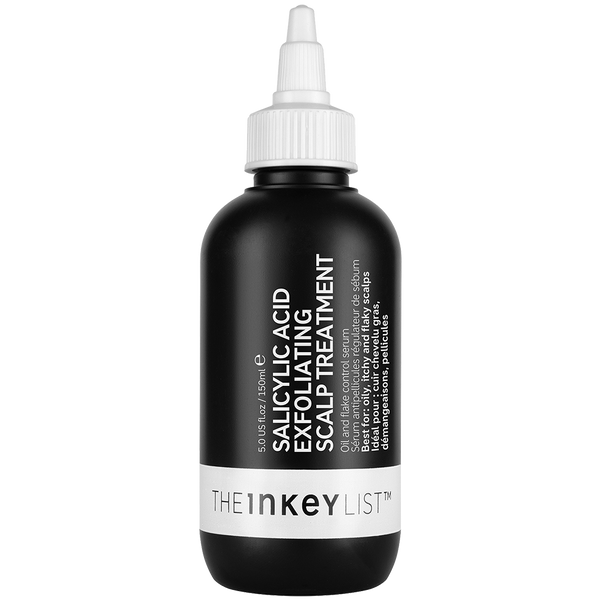
Our Salicylic Acid Exfoliating Scalp Treatment ($17) is designed exactly for this. Use it pre-wash, once or twice a week, left on for 10 minutes before you shampoo. It helps reduce the appearance of build up and excess oil, and in testing, 100% agree flakes look instantly reduced after 1 use. (4-week independent clinical study of 22 people under dermatological control.)
If you like to understand the “why” behind an ingredient before you commit to it, read our explainer on how salicylic acid works on the scalp, which breaks down the mechanism in plain terms.
For Product and Dead-Skin Build Up
If your main issue is product residue, dullness, or roots that have lost their lift, a glycolic scrub is the better match. It pairs chemical and physical exfoliation to lift away residue and dead skin, leaving the scalp feeling genuinely clean and the hair looking fresher at the root.
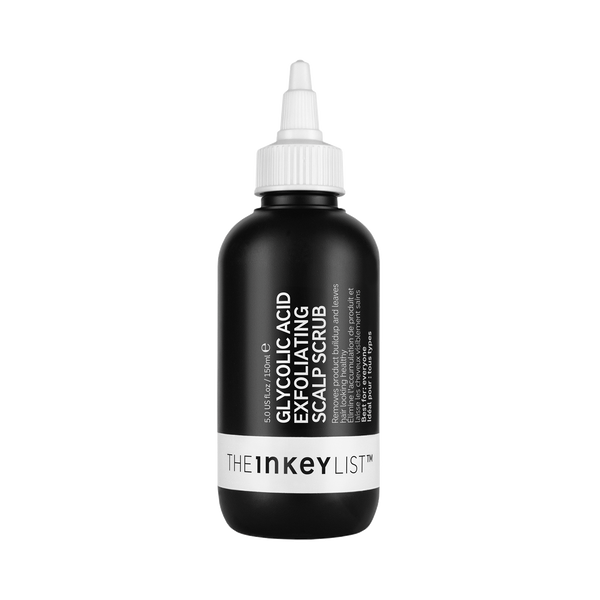
Our Glycolic Acid Exfoliating Scalp Scrub ($14) is built for product and dead-skin build up and for resetting dull, flat roots. In testing, 92% agreed their hair felt healthier after 4 weeks, and 88% agreed their scalp felt cleaner immediately. (Based on a study of 52 participants with hair types from 1A to 4C.) Like the salicylic treatment, it is a pre-wash step used once or twice a week.
Keep Your Scalp Healthy Between Resets
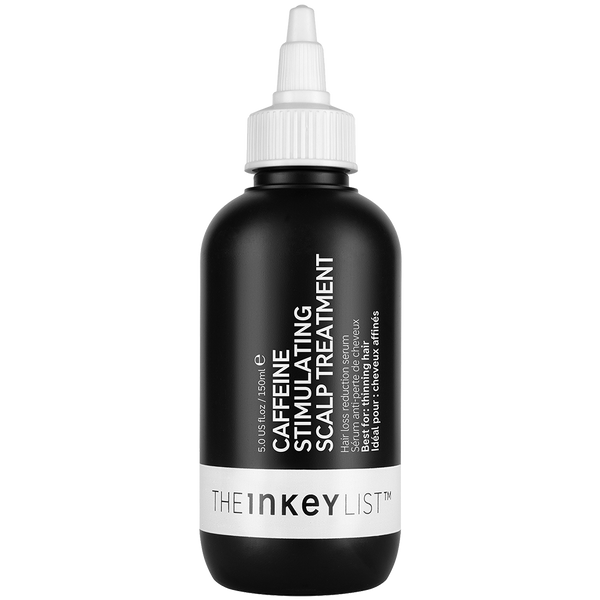
Exfoliation is your reset, but what you do between resets matters too. This is where a leave-on step comes in, not as another exfoliant, but as gentle ongoing support. Our Caffeine Stimulating Scalp Treatment ($17) can be used as a leave-on step to support a healthier-looking scalp between your exfoliation days. Think of it as maintenance that keeps the scalp feeling cared for, rather than a cleansing or clearing step in its own right.
If you want to compare the full range and find your combination, you can browse all scalp treatments in one place.
And one more time, because it genuinely matters for your scalp: do not double up exfoliants in one wash. Never use the Salicylic Acid Exfoliating Scalp Treatment and the Glycolic Acid Exfoliating Scalp Scrub in the same wash. Alternate them across separate wash days instead.
Clearing build up is only half the job, though. Keeping it from creeping back is the other half, so let us talk about prevention.
How to Prevent Scalp Build Up Coming Back
Clearing scalp build up once feels great. Keeping it clear is what actually changes your hair for good. The encouraging news is that prevention is less about effort and more about rhythm. A few repeatable habits will do more than any occasional deep clean, and once they become routine you will barely think about them.
The single most important shift is this: consistency beats intensity. A gentle exfoliation step every week or so will keep build up from ever reaching the point where you need an aggressive reset. Here is a realistic weekly rhythm that works for most people:
- Once or twice a week: a pre-wash exfoliation step, matched to your type of build up, followed by your normal shampoo and conditioner
- Between those days: your usual washing routine, with a thorough rinse every time
- As needed: a leave-on maintenance step to keep the scalp feeling supported
Alongside that rhythm, a handful of everyday adjustments make a real difference. Rinse thoroughly, every single wash, and resist the urge to over-stretch washes if your scalp runs oily or you use a lot of product. Go easy on dry shampoo and heavy styling products, and give the scalp a chance to breathe between uses rather than layering day after day. None of these are rules to feel guilty about breaking. They are simply the levers that keep build up in check.
It is also worth setting expectations honestly. Managing scalp build up is ongoing, not a one-time fix. Your scalp will keep producing oil and shedding skin because that is what healthy skin does, so the goal is steady management rather than permanent elimination. On how often to clear scalp build up, once or twice a week works well for most people. If your scalp is sensitive, once a week or even less may suit you better. Listen to how your scalp responds and adjust from there. For a home base for your ongoing routine, keep our scalp health guide bookmarked.
Most build up is entirely manageable at home with these habits. But there are moments when the smartest, most caring move is to see a professional, and we want to be straight with you about when that is.
When to See a Professional
We believe in being honest about what cosmetic products can and cannot do, so this section matters as much as any of the practical advice above. Scalp exfoliation and good washing habits are the right answer for ordinary build up. They are not the right answer for a medical scalp condition, and knowing the difference protects your scalp and your peace of mind.
Stop self-managing and seek professional advice if you notice any of the following:
- A visibly red, sore or swollen scalp
- Flaky, itchy patches appearing elsewhere on your body, not just the scalp
- Crusting, weeping or open areas on the scalp
- Hair loss happening alongside the flaking
- No improvement after around four weeks of consistent, sensible care
To be completely clear: cosmetic scalp products support scalp comfort and help with the look and feel of build up. They are not a treatment for a medical scalp condition, and diagnosing one is a job for a qualified professional. If any of the flags above apply to you, speaking to a doctor, pharmacist or trichologist is the right next step, and there is nothing to lose by doing so early.
It is also worth taking the pressure off yourself. Common scalp flaking is not caused by poor hygiene, and if a scalp concern has not improved after a few weeks of appropriate care it is reasonable to seek advice. That four-week window is a sensible benchmark: give a consistent routine a fair chance to work, but do not keep battling something on your own indefinitely if it is clearly not shifting. If your first question is simply whether you are dealing with build up or flaking from another cause, dandruff or dry scalp can help you sort that out before you decide.
With the safety picture covered, let us pull the whole thing together into a few takeaways you can act on straight away.
Conclusion
Scalp build up can feel frustrating, but once you understand it, it becomes one of the more manageable scalp concerns there is. Here are the key takeaways to carry with you:
- Scalp build up is a mix of dead skin, natural oil and leftover product. It is normal, common and clearable.
- Your scalp is skin, so it responds to the same cleansing and gentle exfoliation logic as your face.
- Exfoliate pre-wash, once or twice a week, as the main way to remove build up.
- Match salicylic acid to oily and flaky build up, and glycolic acid to product and dead-skin build up.
- Never use the two exfoliants in the same wash. Alternate them across separate wash days.
- Prevention is about consistency, not intensity. A steady weekly rhythm beats occasional aggressive resets.
- See a professional for the red flags above, or if there is no improvement after around four weeks.
The real insight here is that healthy-looking hair very often starts at the scalp, not the lengths. Treat the skin under your hair with the same care you give your face, and the results tend to follow. Clear guidance. Proven ingredients. Real results.
If you are ready to act on it, here is exactly where to start.
Where to Start
Keep it simple and start with the two exfoliating heroes, matched to the type of build up you have:
- For oily and flaky, itchy-feeling scalps: our Salicylic Acid Exfoliating Scalp Treatment ($17), used pre-wash once or twice a week.
- For product and dead-skin build up and a fresh base: our Glycolic Acid Exfoliating Scalp Scrub ($14), used pre-wash once or twice a week.
- For maintenance between exfoliation days: our Caffeine Stimulating Scalp Treatment ($17) as a leave-on step to support a healthier-looking scalp.
If you are still deciding, you can browse all scalp treatments to compare the full range side by side. And remember: never use the Salicylic Acid Exfoliating Scalp Treatment and the Glycolic Acid Exfoliating Scalp Scrub in the same wash. Pick one per wash and alternate across separate wash days.
Enjoy free shipping on orders over $40 while you are building your routine.
Clear guidance. Proven ingredients. Real results. Because at The INKEY List, We Give A Care.
Frequently Asked Questions
Got a question?
Our askINKEY team are a friendly bunch of skincare experts with deep product knowledge and zero judgement. Whether you're an ingredient obsessive or just starting out, we'll make it make sense. No question too big. No question too small. We Give A Care, Every Day.


