



Tranexamic Acid vs Niacinamide: Which Is Better for Uneven Skin Tone and Dark Spots?
Tranexamic acid or niacinamide for dark spots and uneven skin tone? We explain what each one does, whether you can use them together, and how long results take.
Author
askINKEY skincare advisor
Published
29 October, 2026
Time to read
12 minutes
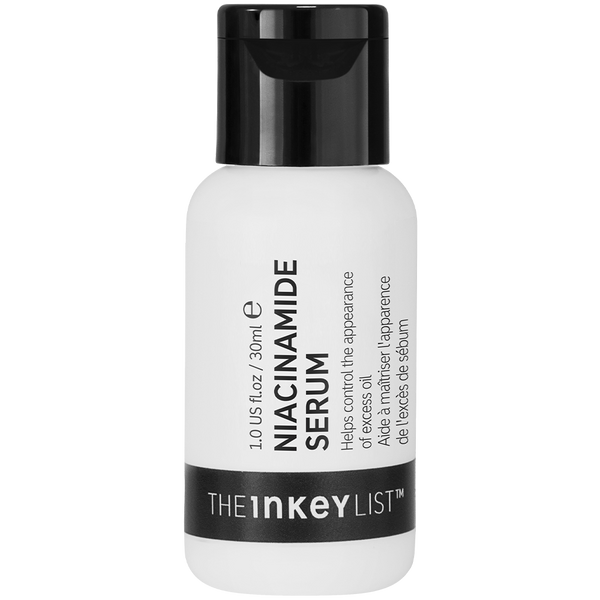
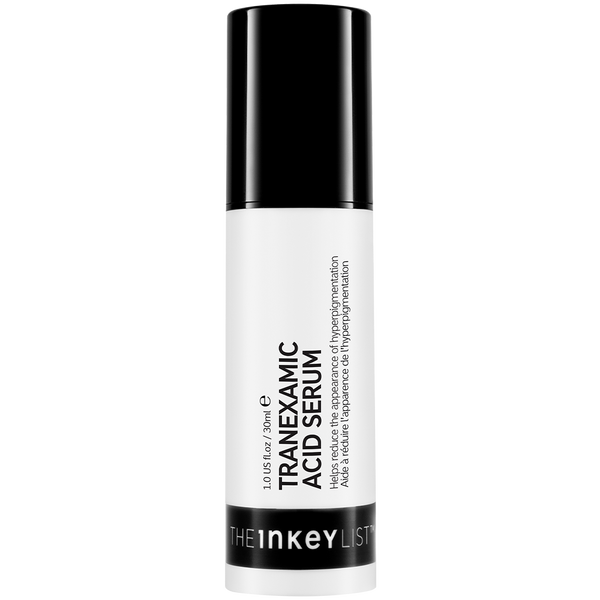
If you are weighing up tranexamic acid vs niacinamide for uneven skin tone and hyperpigmentation, this article gives you the straight answer. It covers which one is better for your dark spots, whether you can safely use them together, how to layer them, and how long each actually takes to work. We will also point you to two affordable heroes early on so you can act on the advice: our Tranexamic Acid Serum ($19) and our Niacinamide Serum. Both are easy to add to a routine without a luxury price tag.
The honest reply up front is that both are gentle, well-researched ingredients that fade discoloration in different ways. The right choice depends on your skin and your goal, and for a lot of people the smartest move is using both. Most people meet these ingredients because something on their skin will not shift on its own: a scatter of sun-related dark spots, a patch of darkened skin on the upper lip, the stubborn marks left behind after acne has cleared, or a general dullness and patchiness. These concerns are common, and they are also some of the slowest to improve, which is exactly why clear, no-nonsense guidance matters.
For more context on where these ingredients fit, our hyperpigmentation hub and our uneven skin tone hub are useful companions as you read.
What Is Tranexamic Acid and What Does It Do for Skin?
Tranexamic acid is a gentle, amino-acid-derived skincare ingredient that helps fade dark spots and even out skin tone by reducing excess melanin and calming the inflammation that triggers pigment in the first place. That single sentence is the whole story in miniature, and it explains why tranexamic acid has quietly become one of the most trusted names in the fight against stubborn discoloration.
To understand what tranexamic acid is actually doing under the surface, it helps to picture how a dark spot forms. When skin is provoked, whether by sun exposure, hormonal shifts or the inflammation left behind by acne, it sends out signals that tell the pigment-producing cells to switch into overdrive. Those cells then flood the surrounding skin with melanin, the brown pigment that shows up as a spot, patch or mark. Tranexamic acid works by interrupting that conversation. It helps quiet the messengers that tell skin to overproduce pigment, and it reduces the transfer of that pigment upward through the skin. The result, over time, is that existing dark spots and post-acne marks look progressively lighter, and new ones are less likely to flare.
What makes tranexamic acid especially appealing is how gently it achieves all of this. Many brightening actives rely on exfoliation or acidity that can sting or flake. Tranexamic acid does not. It is one of the gentlest brightening options available, with no exfoliating action and no tell-tale tingle. It suits all skin types, including sensitive skin, and it is widely considered safe to use during pregnancy and breastfeeding, a reassurance that matters to the many people who find their pigmentation flares precisely during those life stages. As always, if you are pregnant or breastfeeding and unsure about any product, a quick word with your doctor is the sensible step.
So who should reach for tranexamic acid for hyperpigmentation? It earns its keep against the discoloration that refuses to budge:
- Sun-related dark spots that have built up over years of exposure.
- Melasma-type patches, the larger areas of darkened skin often linked to hormones and sunlight.
- Post-acne marks, the brown or gray shadows left behind long after a breakout has healed.
- General uneven tone that reads as patchiness rather than a single defined spot.
This is where our hero comes in. Our Tranexamic Acid Serum is a 2% formula in a lightweight gel texture, priced at $19 for 30ml. It is not a one-trick product either. The formula pairs tranexamic acid with acai berry and a vitamin C derivative, both of which bring their own brightening and antioxidant support, so you are tackling discoloration from more than one angle in a single step. Because it is so gentle, it can be used both morning and night.
Because the right ingredient depends on the kind of discoloration you are dealing with, it is genuinely useful to first identify your concern using our guide to the different types of hyperpigmentation such as melasma, post-inflammatory marks and sunspots. Knowing whether you are treating freckle-like sunspots or a deeper melasma patch changes how much patience you will need.
The takeaway is simple: tranexamic acid is the dedicated specialist for dark spots and stubborn uneven tone, and it manages to be both effective and remarkably kind to skin. Now we turn to its most-compared counterpart, niacinamide.
What Is Niacinamide and What Does It Do for Skin?
Niacinamide is a form of vitamin B3 that strengthens the skin barrier, balances oil, calms visible redness and helps fade uneven tone by reducing the transfer of pigment to the skin’s surface. If tranexamic acid is the laser-focused specialist, niacinamide is the dependable multitasker that quietly improves several things at once, which is exactly why it has become one of the most popular ingredients in modern skincare.
To grasp what niacinamide does, it helps to separate its two main talents. The first is barrier support. Your skin barrier is the outermost defense that keeps moisture in and irritants out, and when it is compromised, skin becomes dry, reactive and prone to redness. Niacinamide helps reinforce that barrier, so skin holds onto hydration better and feels calmer. The second talent is tone. Niacinamide limits how much melanin reaches the upper layers of the skin, so over weeks of use, discoloration looks softer and the overall complexion reads as more even.
Alongside those headline acts, niacinamide is a genuine all-rounder. It helps regulate excess oil, which is why people with shine and visibly enlarged-looking pores often notice a fresher, more balanced finish. It soothes the look of redness, making it a favorite for easily flushed or reactive skin. And it plays beautifully with almost everything else in a routine. Here is a quick summary of what niacinamide does for skin:
- Strengthens and supports the skin barrier for calmer, more resilient skin.
- Balances excess oil and helps the complexion look less shiny through the day.
- Reduces the appearance of redness and general reactivity.
- Evens out mild, diffuse discoloration by limiting pigment transfer to the surface.
- Supports a smoother, fresher-looking texture over time.
Now for the honest framing, because the brand belief here is clarity over hype. Niacinamide is a brilliant supporting brightener, but it is not a dedicated dark-spot treatment in the way tranexamic acid is. Where it truly shines is mild, diffuse unevenness, the general lack-of-glow patchiness, plus redness and shine. If your main concern is a single deep, set-in spot, niacinamide alone may underwhelm you. If your concern is overall dullness, a slightly blotchy tone and a barrier that needs looking after, it is close to ideal. This is the honest answer to does niacinamide help with dark spots: yes, it helps fade them and improve tone, but it does so as part of a bigger supporting role rather than as a targeted spot-fader.
Who does it suit? Almost everyone. It works across all skin types, including sensitive, oily and combination skin. It is safe for daily use, including during pregnancy and breastfeeding, and your skin will not build up a tolerance that forces you to keep increasing strength.
Our hero here is our Niacinamide Serum. It delivers a well-judged 10% concentration of niacinamide, a level high enough to be effective without tipping into the irritation some people report from very high percentages, and it folds in hyaluronic acid for a layer of lightweight hydration. For the full breakdown of how it works, our niacinamide ingredient hub is the natural next read.
The short version is that niacinamide is the gentle, well-tolerated multitasker for uneven skin tone, redness and barrier health. With both ingredients defined, here is the direct head-to-head.
Tranexamic Acid vs Niacinamide: The Honest Head-to-Head
Quick answer: tranexamic acid is the dedicated specialist for visible dark spots and stubborn uneven tone, while niacinamide is the gentle all-rounder for mild unevenness, redness, oil and barrier support. Many people get their best results by using both.
That one-line verdict is the heart of the whole tranexamic acid vs niacinamide debate, but it deserves unpacking, because the difference between a specialist and an all-rounder changes how you should shop. If you have a specific, defined problem you can point to in the mirror, you want the specialist. If your skin is broadly healthy but lacks evenness and glow, you want the all-rounder. And if you nod along to both descriptions, the good news is that these two are not rivals at all; they are teammates.
Main job. Tranexamic acid targets existing discoloration and stops new pigment flaring. Niacinamide improves overall tone while supporting the barrier, oil balance and redness.
Best for. Tranexamic acid is best for sun spots, melasma-type patches and post-acne marks. Niacinamide is best for mild, diffuse unevenness, dullness, shine and reactive skin.
How it works. Tranexamic acid calms the signals that drive excess melanin and reduces pigment transfer. Niacinamide limits how much pigment reaches the surface while strengthening the barrier.
Gentleness. Both are among the gentlest brightening options available. Neither exfoliates, and neither typically stings.
Sensitive skin. Both are well suited to sensitive skin; a patch test is still wise whenever you introduce something new.
Darker skin tones. Both are considered suitable, precisely because they are non-irritating and do not rely on aggressive exfoliation.
Texture. Our Tranexamic Acid Serum is a lightweight gel. Our Niacinamide Serum is a light, hydrating fluid with hyaluronic acid.
When to use. Both can be used morning and night.
Price. Tranexamic Acid Serum, $19 for 30ml.
Now the nuance. The strengths of tranexamic acid come down to focus. It is more targeted on existing discoloration, and it is one of the few gentle ingredients that performs well against melasma-type patches, which are notoriously resistant to treatment. If your skin history includes years of sun exposure, hormonal pigmentation or a trail of marks left by past acne, this is the ingredient doing the heavy lifting.
The strengths of niacinamide come down to breadth. It is rare to find a single ingredient that improves tone, calms redness, tempers oil, supports the pores’ appearance and reinforces the barrier, all while being almost universally well tolerated. That versatility is why niacinamide so often becomes the backbone of a routine.
On gentleness and sensitive skin, the two are genuinely neck and neck. Neither exfoliates, both are non-stinging, and both are formulated to be kind. This is a meaningful advantage over harsher brightening routes, because irritation is self-defeating when your goal is an even tone. Inflamed, over-exfoliated skin can actually produce more pigment, not less. Still, no ingredient is above a patch test, so dab a little on your inner forearm for a couple of days before committing it to your face.
The point about darker skin tones deserves its own moment, because it is where gentleness stops being a nice-to-have and becomes essential. On deeper skin tones, aggressive or irritating actives carry a higher risk of triggering further marks, so the fact that both tranexamic acid and niacinamide work without harsh exfoliation makes them sensible, measured choices. Neither is a medical treatment, and results always vary from person to person, but the non-irritating nature of both ingredients is exactly the quality that makes them worth considering across the full range of skin tones.
So which is better for hyperpigmentation, tranexamic acid or niacinamide for dark spots? For a defined dark spot, lean tranexamic acid. For overall evenness and skin health, lean niacinamide. For the full picture, use both. If both have real strengths, the obvious next question is whether you can simply use them together.
Can You Use Tranexamic Acid and Niacinamide Together? How to Layer Them
Yes, you can use tranexamic acid and niacinamide together, and they are one of the most popular pairings for uneven tone precisely because they tackle pigment through complementary routes while niacinamide also supports the barrier. There is no clash, no cancelling-out and no need to split them across different days. Pairing a targeted pigment specialist with a barrier-strengthening all-rounder is close to a textbook example of ingredients that make each other better.
The golden rule of layering is beautifully simple: cleanse first, then apply from thinnest to thickest, letting each layer settle before the next. Water-light serums go on before richer creams, and a short pause of around 60 seconds between layers prevents that annoying pilling where products ball up on the skin. Applying to slightly damp skin can also help lightweight serums spread and absorb.
Here is a foolproof morning routine for even tone:
- Cleanse with a gentle face wash and leave skin slightly damp.
- Apply our Niacinamide Serum and give it around 60 seconds to absorb.
- Apply our Tranexamic Acid Serum, or whichever of the two feels thinnest on your skin, and pause again.
- Lock everything in with a moisturizer suited to your skin type.
- Finish with a daily broad-spectrum sunscreen, every single morning, without exception.
And here is the matching evening routine:
- Cleanse thoroughly to remove the day, including any sunscreen and makeup.
- Apply the niacinamide serum and let it settle.
- Layer the tranexamic acid serum and wait a minute.
- Seal with your night-time moisturizer.
Both serums are gentle enough for twice-daily use, so this morning and night rhythm is entirely sustainable. When you are introducing anything new, start with once a day for the first few days and patch test first, then build up to morning and night once you know your skin is happy.
Now for the single most important, non-negotiable step: daily sunscreen. This is the part people skip and then wonder why their dark spots refuse to fade. Sunlight is one of the biggest drivers of pigmentation, so without daily sun protection you are effectively undoing your serums every time you step outside. Daily broad-spectrum SPF is what protects the progress you are making and stops fresh dark spots from forming in the first place.
If you want to turbo-charge the brightening side of your morning, you can add a vitamin C step. Our 15% Vitamin C + EGF Serum ($20) pairs safely with niacinamide for extra morning radiance and antioxidant defense. And for anyone with oily or combination skin who wants a lightweight moisturizer that complements a niacinamide routine, our Omega Water Cream delivers hydration without heaviness. Clear guidance, proven ingredients, real results; that is the whole philosophy in one breath.
If you ever feel unsure about mixing actives, our guide to which products you should not layer together is a reassuring reference, and the good news is that this particular duo is firmly on the safe list. Once your routine is set, the real question becomes patience.
How Long Until You See Results? A Realistic Timeline
Let us set honest expectations, because managing them is half the battle with pigmentation. The timelines below are realistic, not optimistic, and they assume the one thing that makes or breaks every result: consistent use alongside daily sunscreen.
How long does tranexamic acid take to work? You may start to notice brighter, more even-looking skin from around 2 to 4 weeks. More meaningful fading of dark spots and hyperpigmentation typically becomes visible after 6 to 8 weeks of consistent twice-daily use. Deeper, set-in pigmentation, including long-standing melasma-type patches, can take 8 to 12 weeks or longer. None of that is a flaw in the ingredient; it is simply the pace at which skin renews and pigment disperses.
How long does niacinamide take to work? Because niacinamide is a multitasker, some of its benefits show up quickly. A fresher look and better oil balance can appear within 1 to 2 weeks. Visible improvement in uneven tone and texture usually lands around the 6 to 8 week mark, in step with tranexamic acid, which is one more reason the two make such a comfortable pair.
Why do these timelines vary so much from person to person? A few honest reasons. Pigmentation is one of the slowest skin concerns to shift, period, because it lives within the skin’s own renewal cycle rather than just sitting on the surface. The depth and type of your discoloration matters enormously; a shallow post-acne mark fades faster than a deep, hormonally driven patch. And skipping sunscreen does not just slow progress, it can actively reverse it, because every unprotected sun exposure can deepen the very spots you are trying to lighten.
That leads to the most important message in this entire article: consistency plus daily sunscreen is what delivers real results. The single most common reason people conclude that a product did not work is that they stopped using it before it had a fair chance, often at the four or five week mark, right before the meaningful change tends to arrive. Pigmentation rewards patience, and it punishes the stop-start approach.
Here is a simple week-by-week guide to what you can expect from the combined routine:
- Weeks 1 to 2: Skin feels calmer, more hydrated and looks a little fresher. Niacinamide’s oil-balancing and barrier benefits often show first.
- Weeks 3 to 4: Overall tone starts to look brighter and more even; the dullness lifts before individual spots noticeably fade.
- Weeks 6 to 8: The headline phase. Dark spots and post-acne marks look visibly lighter, and uneven tone is clearly improving.
- Weeks 8 to 12 and beyond: Deeper or set-in pigmentation continues to fade. This is the maintenance zone where staying consistent protects your gains.
There is solid science behind the patience, too. A peer-reviewed study evaluated a serum containing both niacinamide and tranexamic acid, used over several months, in people with melasma. In plain English, the research found that the combination produced a progressive reduction in pigmentation while being gentle and well tolerated. It is not a promise about any one person’s results, but it is a reassuring, real-world illustration of why these two ingredients are so often paired, and why the fade unfolds over weeks and months rather than days.
For a broader view of fading discoloration and what to do next, our guide to getting rid of dark spots on the face is worth bookmarking, and the practical piece on how and when to use niacinamide reinforces the consistency habit that makes all the difference.
The Verdict on Tranexamic Acid vs Niacinamide
Here is the whole article in a handful of sentences. Tranexamic acid is the dedicated choice for visible dark spots and stubborn uneven tone, the specialist you reach for when you can point to a specific mark or patch you want gone. Niacinamide is the gentle multitasker for mild unevenness, redness, excess oil and barrier support, the reliable daily step that improves the overall health and look of your skin. They are not rivals, and the two layer safely for anyone who wants to cover both bases at once, which is why the smartest answer to tranexamic acid vs niacinamide is so often both.
On timing, keep your expectations realistic and your patience intact. Expect early change from around two to four weeks, meaningful fading of dark spots and hyperpigmentation around six to eight weeks, and deeper discoloration to take longer still. The single most important habit, the one that quietly decides whether you see results at all, is consistency paired with daily sunscreen.
If there is one belief worth carrying away, it is this: you do not need more skincare, you need clarity you can trust. A focused, affordable routine used consistently will always beat a crowded shelf used sporadically. For more, explore our 10 most common skincare concerns guide.
Start Evening Your Skin Tone Today
Ready to act on all of this? Shop our Tranexamic Acid Serum and our Niacinamide Serum to start evening your skin tone with two gentle, well-researched heroes that work brilliantly together. Whichever you choose, remember to pair your serums with daily sunscreen, because protecting your progress is what turns patience into real, lasting results.
Frequently Asked Questions
Got a question?
Our askINKEY team are a friendly bunch of skincare experts with deep product knowledge and zero judgement. Whether you're an ingredient obsessive or just starting out, we'll make it make sense. No question too big. No question too small. We Give A Care, Every Day.


