

Black Friday: up to 40% off everything
Shop now ›
Dry Skin Around the Nose: Causes and How to Treat It
Your nose is one of the oiliest areas on your face, so flaking there usually isn't dry skin - here's what's actually causing it, and how to treat it.
Author
askINKEY skincare advisors
Published
16 September, 2026
Time to read
13 minutes
Dry skin around your nose is one of the most misread problems in skincare. The nose and the creases beside it are among the oiliest parts of the entire face, which means flaking there usually is not a sign that your skin has run out of oil. It is far more often a sign that the skin barrier in that zone has been disrupted and is losing water faster than it can replace it.
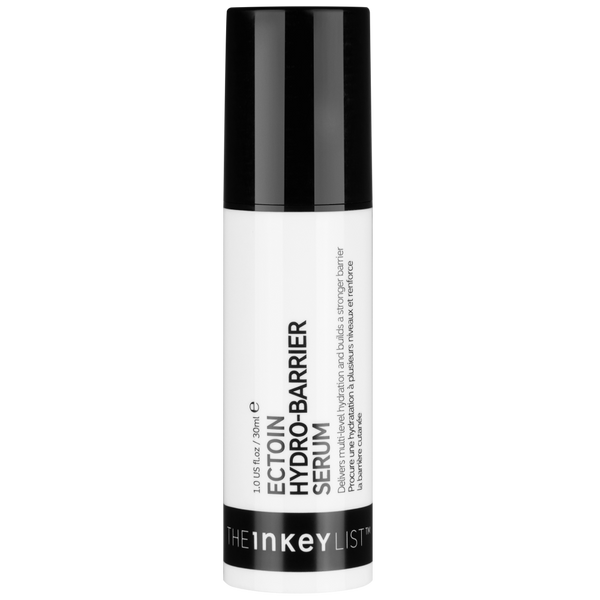
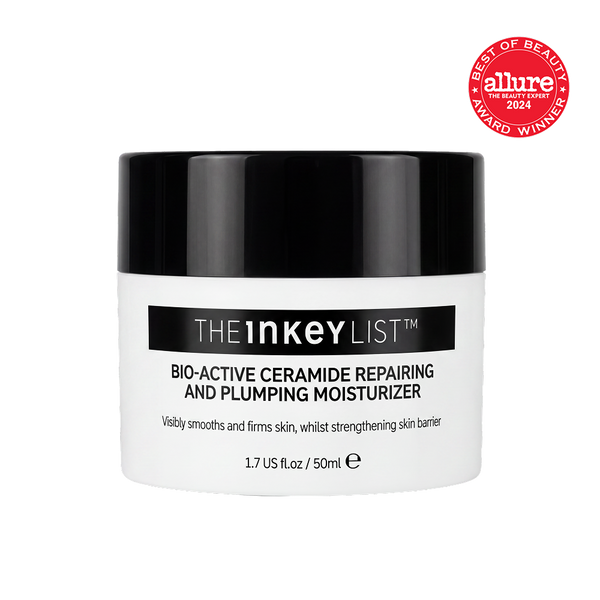
That distinction changes how you should treat it. You need to do two things, not one: put water back into the skin, and then slow the rate at which it escapes. Our Ectoin Hydro-Barrier Serum ($17) handles the first, drawing water in while supporting the barrier and calming irritation. Our Bio-Active Ceramide Moisturizer ($22) handles the second, sealing that hydration in and replacing the ceramides that hold the barrier together. Used in sequence they cover both halves of the problem, which is why we point to the pair rather than either one on its own.
The triggers are usually ordinary. Over-cleansing, over-exfoliating the T-zone, dry indoor air, blowing your nose through a cold, the friction of glasses resting on the bridge, and actives that pool in the crease beside the nostril. Any one of these can leave the area tight and flaking while the surface of your nose still looks shiny by lunchtime.
That apparent contradiction is the key to the whole thing. Oil and hydration are not the same. Oil is sebum, the substance your skin produces to seal the surface. Hydration is water content inside the skin. A zone can be generously supplied with the first and running short on the second, which is exactly why a greasy nose can flake. If you want a shoppable starting point, our dry skin range is built for this, and our skincare quiz will give you a personalized route if you would rather not choose alone.
What this article covers:
- What dry skin around the nose actually is, in plain terms
- The seven most common reasons this specific zone flakes
- How to tell dryness, dehydration and a damaged barrier apart
- When flaking beside the nose is worth a professional opinion
- Why hydrating and sealing work better as a pair than either does alone
- A step-by-step routine and a 7-day reset
- The ingredients that genuinely suit a sebum-rich zone
Let us start by defining precisely what is happening on the skin.
What dry skin around the nose actually is
Dry skin around the nose is usually a sign that the skin barrier is not holding onto water well in a zone that still produces plenty of oil. Rather than a shortage of sebum, it reflects water escaping the surface faster than the skin can replace it, which is why the area can look shiny and flake at the same time.
The oil and water distinction is worth slowing down on, because almost every mistake people make in this zone traces back to confusing the two. Sebum is the oil your glands produce, and the nose has a dense supply of those glands. Hydration is the water held within the upper layers of the skin. Sebum helps seal water in, but it cannot manufacture it, and it cannot compensate for a surface that has been stripped, scrubbed or rubbed raw. So the nose can be well supplied with oil and still be short on water.
The mechanism is straightforward. As the American Academy of Dermatology puts it, “When skin loses water too quickly, it becomes dry.” When the barrier around your nose is disrupted, that loss accelerates in precisely the spot that is already under the most daily pressure.
Read that sentence carefully and the treatment writes itself. If the problem is water leaving too quickly, then replacing the water is only half an answer. You also have to fix the thing that is letting it go, which is the barrier itself. That is the logic behind pairing a hydrating serum with a ceramide moisturizer, and it runs through everything below.
What you actually notice tends to be consistent. A tight feeling beside the nostrils. Small flakes that lift and catch on foundation or concealer. A rough patch sitting in the crease where the nose meets the cheek. Sometimes redness underneath, visible once the flakes come away. That is the problem defined. Now for why it lands here specifically.
Why the skin around your nose gets dry and flaky
Seven causes account for the overwhelming majority of flaking in this zone. Most readers will recognize themselves in at least two.
The nose is sebum-rich, so flaking here is different
The nose and the folds beside it carry one of the highest concentrations of oil glands anywhere on the face. That is why blackheads cluster there, why shine appears there first, and why the T-zone is the area most people describe as oily even when the rest of their face is not. Given that density of oil production, flaking in the same spot is a genuine signal. It tells you something has disrupted the surface, not that the area has somehow run dry.
This reframes everything that follows. You are not looking at a dry patch that needs feeding. You are looking at an irritated patch that needs calming, and a barrier that needs rebuilding.
Try this today: stop treating the area as dry and start treating it as irritated. Remove the aggressive step rather than adding a richer product.
Over-cleansing and over-exfoliating your T-zone
Because the T-zone is the oiliest region, it tends to attract the most aggressive attention. A foaming wash twice a day, a scrub a couple of times a week, an acid layered on top, and extra scrubbing pressure across the nose because that is where the congestion is visible. The sides of the nose take more physical force during cleansing than anywhere else on the face, simply because that is where fingers naturally work hardest.
The AAD is clear on where this leads: “Everyday things, such as using deodorant soaps and harsh cleaning products, can strip oils and fats from our skin.” Strip that surface repeatedly in a zone already under friction, and flaking follows. The instinct then is usually to exfoliate the flakes away, which restarts the cycle.
Worth knowing what you are actually stripping out. Ceramides are among the lipids that hold the barrier together, and they are exactly what harsh cleansing removes. Putting them back is the direct countermeasure, which is why a ceramide moisturizer belongs in the routine of anyone who has been over-washing this zone.
Try this today: cleanse the nose with fingertips only, no extra pressure, and skip the scrub entirely this week.
Winter heating, dry climates and summer AC
Indoor air is drying for more of the year than most people assume. Forced-air heating pulls humidity out of the room through winter, and air conditioning does much the same through summer, so the air surrounding your skin can be moisture-poor almost year round. That is our plain-English read on it rather than a medical claim, but the day-to-day effect is familiar to anyone who has woken up in a heated bedroom in January with a tight, flaky nose.
Climate compounds it. The dry Southwest is a challenge on its own, and high-altitude cities like Denver add another layer, because the air simply holds less moisture. The AAD confirms the underlying point that “Living in a cold, dry place dries the skin, too.” When ambient humidity drops, water moves out of the skin faster, a process known as transepidermal water loss, which is well documented in the clinical literature on the skin barrier at StatPearls.
Dry air is the clearest case for using both steps rather than one. Hydration applied into low-humidity conditions evaporates quickly unless something holds it in place. Our Bio-Active Ceramide Moisturizer ($22) is that something, layered over our Ectoin Hydro-Barrier Serum ($17) rather than instead of it.
Try this today: run a humidifier in the room you sleep in.
Blowing your nose when you are sick
A heavy cold, a flu week, or a bad stretch of allergy season can undo an otherwise solid routine in days. Repeated wiping with dry tissue creates constant friction at the exact point where the nostril meets the cheek, and that mechanical abrasion strips the surface far faster than any cleanser. The result looks like severe dryness, but it is closer to a graze.
This is the clearest proof that nose flaking is often not a skin type at all. Your skin did not change. The friction did.
Try this today: press a hydrating layer into the area instead of wiping it, seal it with a ceramide moisturizer, and switch to softer tissues while you are unwell.
Glasses and face coverings
Nose pads rest directly on the bridge and apply steady, low-level pressure for every hour you wear them. That combination of friction and pressure concentrates irritation in a narrow strip of skin that rarely gets any dedicated attention. Masks and scarves add a second mechanism, trapping warm humid air against the skin and then rubbing as you move and talk.
Both funnel irritation into the same small zone this article is about, which is why glasses wearers so often report flaking on the bridge and beside the nostrils and nowhere else.
Try this today: clean your nose pads, and apply a barrier-supporting layer to the bridge before your glasses go on.
Retinol, acids and other actives
Most people apply actives in a sweeping motion across the whole face. The trouble is that the crease beside the nose is a fold, so product does not sit evenly there. It pools, settles and stays in contact with thin, frequently irritated skin for far longer than it does on the cheek. You can be using a perfectly reasonable strength and still be effectively over-treating that one groove.
That is why so many people find retinol suits their face but leaves their nose creases peeling within a fortnight.
Try this today: apply actives around the nose rather than into the crease, and take a few nights off if flaking has already begun.
Oily skin can still flake
This is the idea the whole article rests on, so it earns a closing spot. An oily or combination T-zone can be shiny and flaking simultaneously, because oil production and water content are separate things. Blotting paper at midday and flakes catching on your concealer are not contradictory symptoms. They are two halves of the same barrier problem.
The fix is counterintuitive. Not a heavier cream, which tends to sit in the crease and feel greasy without addressing water loss, but a lighter one that hydrates and supports the barrier without adding oil. The two-step logic still applies here, you just change the second step: keep the ectoin serum as your hydrating layer, then seal with our Omega Water Cream ($15), which is oil-free and includes niacinamide for a zone that is oily and irritated at once.
Try this today: switch the T-zone to an oil-free moisturizer that supports the barrier, and keep sealing rather than skipping the step.
Most readers will now be wondering which category they actually fall into, so let us define the terms.
Dry skin, a damaged barrier, or dehydration: what is the difference
These three get used interchangeably, and around the nose the difference genuinely matters, because it determines whether you need oil, water, or repair.
Dry skin is a skin type. It describes skin that produces less oil than it needs, and it typically affects the whole face rather than one crease. If your cheeks, forehead and jaw all feel tight and rough alongside your nose, dry skin is a reasonable description of what you are working with.
A compromised barrier is a condition rather than a type, and it can happen to anyone. The signs are recognizable once you know them: tightness, stinging, unusual reactivity, and products that were completely comfortable a month ago now causing a sting on application. This is what a damaged skin barrier looks like, and it is the single most common explanation for flaking beside the nose.
Dehydration is a lack of water rather than a lack of oil. That is precisely why it turns up in oily zones and confuses people. Skin can be producing plenty of sebum and still be short on water, which is the defining feature of dehydrated skin.
So here is the straight answer. Around the nose, this is most often dehydration, a compromised barrier, or both together. A true dry skin type is the least likely explanation available, for the simple reason that this is the oiliest part of your face. If the barrier description sounded like you, our barrier support products are the place to start.
And notice what “both together” implies for your routine. If you are dealing with a water shortage and a structural problem at the same time, a single product aimed at one of them will only ever get you halfway. Water without repair drains away. Repair without water rebuilds around an empty tank. That is the case for treating this with a pair rather than a hero.
There is one more possibility worth covering honestly before we get to the routine.
When flaking around the nose might be something else
Occasionally, persistent flaking in the nose creases is not a skincare problem at all. Seborrheic dermatitis is a common skin condition that has a notable preference for this exact area, and it is worth knowing about rather than guessing at.
Seborrheic dermatitis “usually shows up in areas of your body that have more oil (sebaceous) glands,” and the locations listed by the Cleveland Clinic include the “Nose (creases on the sides).”
That detail is striking, because it independently supports the central argument of this article. This zone behaves differently from the rest of your face specifically because of how much oil it produces. Flaking here is not a straightforward dryness story, and even the conditions that favor the area favor it for oil-related reasons.
We are not going to diagnose or treat that here, and you should not try to either. What is useful to know is the threshold. If you have redness and flaking in the nose creases that persists despite a gentler routine, that is worth having looked at properly. The American Academy of Dermatology has further reading if you want it.
Separately, redness-prone and reactive skin frequently flakes in this zone too, and a barrier-first approach is the usual starting point. Our guide to ectoin for redness-prone skin covers that approach, and our redness range is there if visible redness is your main concern.
If it is persistent, recurring, or spreading beyond the nose, see a dermatologist or healthcare provider. That is not a warning, just the sensible next step when skincare alone is not moving the needle.
For most people reading this, though, it is a routine problem with a routine fix. Here is that fix.
How to treat dry skin around the nose: a step-by-step routine
One principle governs everything below: be gentler, not richer. The instinct when you see flakes is to reach for the thickest cream in the cabinet. In a sebum-rich zone, that is the wrong move. Heavy textures sit in the crease beside the nostril, feel greasy within an hour, and do nothing about the water loss that caused the flaking.
Two techniques matter more here than anywhere else on the face. First, press product into the creases beside the nose rather than sweeping it across. A sweeping motion glides right over the fold and deposits product on the cheek instead, which means the one spot that needs treatment is the one spot that gets skipped. Second, hydrate on damp skin. Applying a hydrating layer to skin that is still slightly wet gives it water to work with, rather than asking it to pull moisture from deeper down.
The two steps doing most of the work
If you change nothing else about your routine, change these two, and run them in this order.
Step one, hydrate and calm. Our Ectoin Hydro-Barrier Serum ($17) goes onto damp skin. Ectoin holds water at the surface while supporting the barrier and settling the look of irritation, which is the exact combination a nose crease needs when it is both dehydrated and reactive. It is lightweight, so it absorbs into the fold instead of sitting on top of it.
Step two, seal and rebuild. Our Bio-Active Ceramide Moisturizer ($22) goes straight over it. Ceramides are part of the structure holding the barrier together, and they are what over-cleansing, over-exfoliating and tissue friction strip out of this zone. This step locks in the water the serum delivered and replaces the material that was letting it escape.
Why the order matters, and why one without the other underperforms: hydration applied to a damaged barrier leaks out again within hours, which is why so many people say a hydrating serum “stopped working” by mid-afternoon. A ceramide moisturizer applied to dehydrated skin rebuilds the structure but has less water underneath it to hold. Layered in sequence, each one improves the return on the other. Everything that follows is built on this pair.
Your morning routine
Start with a cleanser that does not strip. Our Hydrating Cream-to-Milk Cleanser ($20) is the gentle option here, and it is a straightforward swap if you are currently using something foaming. Use fingertips on the nose and resist the urge to work at the area.
Then, on skin that is still damp, apply your hydration step. Our Ectoin Hydro-Barrier Serum ($17) is the pick if the area is irritated and reactive as well as flaking. If straightforward hydration is the main need, our Hyaluronic Acid Serum($13) does that job without adding any oil, and it layers under the same moisturizer just as well. Press either one into the creases.
Seal it. If your skin is dry or tight overall, our Bio-Active Ceramide Moisturizer ($22) is the barrier-supporting choice and the natural partner to the serum you just applied. If your T-zone is oily and still flaking, our Omega Water Cream($15) is the oil-free way to close the same loop. Our full range of moisturizers covers everything in between.
Finish with a broad-spectrum SPF 30 or higher every morning.
Your evening routine
In the evening, our Oat Cleansing Balm ($17) with 1% colloidal oatmeal removes the day without stripping, which suits skin that is already irritated around the nose. It melts makeup and sunscreen off rather than requiring you to rub them off, and that reduction in friction matters when the crease beside your nostril is sore.
Pause your actives while the area is actively flaking. No retinol, no acids, no scrubs. This is temporary, not permanent. You are giving the barrier a window to recover, and you will reintroduce them shortly.
Then hydrate on damp skin and seal, exactly as in the morning but slightly more generously with the moisturizer. Overnight is when the skin does most of its repair work, and ceramides are part of what it repairs with, so this is the application that tends to show up as a difference by morning. If your nose area is especially uncomfortable, the oat balm doubles as a nourishing mask. Apply a layer, leave it for 10 minutes, then remove gently. If the area is reactive more broadly, our guide to how to hydrate sensitive skin without causing irritation is a useful companion piece, and our sensitive skin page covers the wider picture.
The 7-day reset
If you want a structured way back, work through this.
- Days 1 to 3. Strip the routine back to three steps. Gentle cleanse, ectoin serum on damp skin, ceramide moisturizer over the top. No acids, no retinol, no scrubs, and no physical exfoliation of the nose whatsoever.
- Days 4 to 5. The flaking should be settling. Keep the serum and moisturizer pair running morning and evening without changing anything else, and be deliberate about pressing both into the creases rather than sweeping past them.
- Days 6 to 7. If the area is calm, reintroduce one active, one time only. Watch how the nose creases respond over the following two days before you add anything else back, and keep the hydrate-and-seal pair underneath whatever you reintroduce.
Be realistic about the timeline. Most people see the area settle within a week or two on a gentler routine. If it has not improved at all by then, that is the point to check in with a professional rather than escalating the products.
Now for why these particular ingredients suit this particular zone.
The ingredients that actually help
Any ingredient list can tell you what a molecule does. The more useful question is why it suits the creases beside a nose that is already producing plenty of oil.
Ectoin
Ectoin is unusual in that it delivers barrier support and hydration in the same step, which is exactly the combination a nose zone needs. The problem here is rarely oil deprivation. It is irritation from over-cleansing, friction, or actives pooling in the fold, and ectoin addresses that directly rather than simply layering moisture on top.
It also matters that it is lightweight. Texture is a practical concern on the nose in a way it is not on the cheeks, because anything heavy settles into the crease, looks greasy and can make flakes more obvious rather than less. A thin, comfortable layer that you can press into the fold is far more useful than a rich one that sits on top of it.
What ectoin does not do is form a seal. It brings water in and calms the surface down. Keeping that water there is a different job, handled by the next ingredient.
Ceramides
Ceramides are part of the material that holds your skin barrier together. Since a compromised barrier is the actual problem in most nose flaking, supporting it with the components it is built from is about as direct as skincare gets.
This is also what breaks the cycle. The typical pattern runs flake, over-treat, flake again. You see flaking, you exfoliate or scrub it away, the barrier takes further damage, and more flaking follows within days. Rebuilding the barrier removes the reason the flakes keep returning, so you stop needing to remove them.
It is the step most people skip, and skipping it is usually why a hydrating serum seems to stop working by the afternoon. The water went in and then straight back out through a surface that was never repaired. Our Bio-Active Ceramide Moisturizer ($22) is what closes that gap, which is why we treat it as the serum’s partner rather than an optional final step. Ceramides work the same way in other delicate zones too, which is why they feature heavily in our guide to dry skin under your eyes.
Hyaluronic Acid
Hyaluronic acid delivers pure water-based hydration with no added oil, and that is precisely the profile a shiny but flaking T-zone calls for. The nose does not need more oil. It needs water, and it needs it without a greasy finish that will have you blotting by noon.
Technique makes a real difference with this one. Apply it to damp skin so there is water available for it to hold, seal it with a moisturizer, and press it into the creases beside the nostrils rather than sweeping it across your face. A sweep will deposit most of it on the flat planes of your cheeks and largely miss the fold, which is the only place you actually wanted it.
Colloidal oat
Colloidal oat is soothing and comforting for skin that has been physically irritated, and physical irritation is a recurring theme in this zone. Tissues during a cold, nose pads on the bridge, a mask edge, or plain overzealous scrubbing all cause mechanical damage rather than chemical damage.
That is a different problem from dryness and it responds to a different kind of ingredient. Oat calms the surface and makes the area comfortable enough that you stop touching it, which is often half the battle when the skin beside your nostril is raw from a week of flu.
Niacinamide
Niacinamide helps with oil balance and the look of redness, which makes it well suited to a zone that is simultaneously oily and irritated. It is the ingredient that resolves the apparent contradiction running through this whole article, because it does not force you to choose between treating shine and treating flaking.
That matters practically. Most products aimed at oily skin are designed to strip, and stripping is what caused the problem. Niacinamide works with the skin rather than against it, which is why it belongs in an oil-free moisturizer for a T-zone that flakes. If you want to go further on formulation, our roundup of the 5 best ingredients for dry skin covers the wider set.
Knowing what to use is only half of it. Here is what to stop.
What to stop doing
Most people with flaking beside the nose are doing at least two of the following. Removing them often does more than any product you could add.
Stop scrubbing the flakes off. Physical removal damages the surface further and all but guarantees the flakes return within days. The flake is a symptom of a disrupted barrier, so taking it off does nothing about the cause and creates fresh irritation in a damaged skin barrier that was already struggling.
Stop layering heavy cream over flakes. Richer does not fix a barrier problem in an oily zone. Thick textures settle into the crease beside the nostril, feel greasy within the hour, and can make flaking more visible by sitting on top of it instead of resolving it. Hydrate first on damp skin, then seal with something appropriately weighted. Sequence beats richness here.
Stop over-exfoliating your T-zone. The oiliest zone tends to attract the most aggressive treatment, and that is precisely why it ends up flaking. If you are exfoliating the nose more often than the rest of your face, that imbalance is worth correcting before anything else. It is also stripping out the ceramides you then have to replace. Readers who recognize themselves here will find our dehydrated skin range a better fit than another acid.
Stop using harsh foaming cleansers. The American Academy of Dermatology notes that “Everyday things, such as using deodorant soaps and harsh cleaning products, can strip oils and fats from our skin.” That squeaky-clean feeling after washing is not cleanliness, it is a stripped surface, and the nose feels it first.
Stop picking and peeling. Pulling at a lifting flake beside the nostril takes live skin with it and frequently leaves a red mark that outlasts the flake by a week. It is the fastest way to turn a minor texture issue into a visible one.
Stop adding several new products at once. If you introduce four things in a week, you cannot tell what helped and what hurt. The nose area reacts quickly, which is inconvenient when things go wrong but genuinely useful when you change one variable at a time.
With those cleared up, the goal shifts to keeping the area settled.
How to keep dry skin around the nose from coming back
Flaking beside the nose tends to be seasonal and situational, so prevention is mostly about anticipating the moments that trigger it. The easiest approach is to keep the hydrate-and-seal pair as your constant and adjust only the weight of the second step.
Winter. When the heating is running constantly, indoor humidity drops and the nose feels it before anywhere else. This is the season for the full pairing, with our Ectoin Hydro-Barrier Serum ($17) followed by our Bio-Active Ceramide Moisturizer ($22) morning and night.
Summer. Humid months usually call for something lighter over the same serum, and our Omega Water Cream ($15) handles a shiny T-zone without stripping it. Just remember that air conditioning dries indoor air much as heating does, so summer is not automatically the easy season.
Dry climates and altitude. If you live in the Southwest or somewhere like Denver, you may need the ceramide option year round rather than seasonally, because the air never really gives your barrier a break.
Showers and steam. The AAD is direct about this: “Taking long, hot showers can also dry your skin.” Lukewarm and shorter is better, and stepping out of a long hot shower straight into a heated room is a reliable way to end up with a tight, flaking nose.
Humidifiers. Run one in the bedroom through winter. It is the single highest-impact environmental change available, given you spend a third of your day there.
Cold and flu season. Prepare the nose area before it gets irritated rather than after. Start pressing in the serum and sealing it at the first sign of a cold, keep softer tissues within reach, and blot rather than wipe.
Glasses wearers. Clean the nose pads regularly and apply a barrier-supporting layer to the bridge before you put them on, every day rather than only when it starts to flake.
Daily SPF. A broad-spectrum SPF 30 or higher, all year, on the nose especially, since it is the most exposed point on your face.
The underlying principle holds across every scenario: in this zone, consistency and gentleness beat intensity. If you would rather have a routine built for you than assemble one yourself, our skincare quiz will put one together.
Here are the quick answers to the questions that come up most.
The one thing to remember about dry skin around your nose
Flaking around the nose is almost always a barrier problem in an oily zone, not a signal to go richer or stronger. That single reframe fixes most cases, because it moves you away from scrubbing and heavy creams and toward the things that genuinely help.
Three things to hold onto. Be gentler than your instincts suggest. Hydrate on damp skin and press product into the creases. And seal that hydration in with ceramides so it stays where you put it, because water applied to a broken barrier simply leaves again. Our Ectoin Hydro-Barrier Serum ($17) and our Bio-Active Ceramide Moisturizer ($22) are designed to be used exactly that way, one after the other.
This is a common problem with an unglamorous, reliable fix, and the cases that persist despite a gentler routine are genuinely worth a professional opinion rather than a stronger product.
If you want a place to start, our dry skin range is built for this, and our skincare quiz will build you a routine if you would rather not pick alone.
Because at The INKEY List, we give a care.
Frequently Asked Questions
Got a question?
Our askINKEY team are a friendly bunch of skincare experts with deep product knowledge and zero judgement. Whether you're an ingredient obsessive or just starting out, we'll make it make sense. No question too big. No question too small. We Give A Care, Every Day.


