



Your Guide to Anti-Pollution Skincare
Pollution reaches your skin wherever you live. Here is what it actually does, and the simple routine that helps your skin cope.
Author
askINKEY skincare advisor
Published
10 September, 2026
Time to read
6 minutes
Anti-pollution skincare is a routine built to limit the impact of environmental exposure on your skin. It works in three ways: removing pollution particles that settle on the skin’s surface through the day, helping neutralize the free radicals those particles create, and keeping the skin barrier strong enough to cope with everything else.
Let’s be clear about what skincare can and cannot do. No product makes pollution disappear, and anyone promising that is overpromising. What a consistent routine does is limit how much sits on your skin, and how visibly your skin responds over time.
Below we cover what pollution actually is, what it does to skin, where blue light fits into the picture, and a simple step-by-step routine you can follow.
What is pollution?
Most people assume pollution is a big-city problem, something that affects office workers, commuters and built-up areas. It isn’t. Pollution particles travel, and they reach rural areas surrounded by countryside just as they reach busy roads.
The particles themselves are small enough to settle on the skin’s surface and sit in pores. The two types most often discussed are particulate matter, which is tiny airborne pieces of dust, soot and metals, and ground-level ozone.
Your exposure is also more everyday than you might expect. Commuting, traffic on the walk to work, and indoor air from cooking and heating all contribute.
Here is the part that matters most for your skin. When pollution meets skin, it can generate free radicals, which are unstable molecules that destabilize the skin’s surface. Understanding free radicals and skin is the foundation of everything that follows.
How does pollution affect your skin?
Free radicals can affect the lipids that hold your skin barrier together. A weakened barrier holds onto water less effectively and copes less well with everything it meets, which is where the visible effects start.
Those effects tend to show up in familiar ways:
- Dullness and loss of glow
- Uneven skin tone
- Dryness and dehydration
- Congestion and blackheads
- Visible redness
Over longer periods, environmental exposure is one of the factors associated with visible aging, including changes to elastin and collagen in the skin.
It is worth being realistic about the timescale. This is not something that happens overnight. It builds slowly, across years, which is exactly why consistency beats intensity.
It is also worth being honest about scale. Pollution is one factor among many, sitting alongside sun exposure, sleep, genetics and your general skin health. Anyone telling you pollution is the single cause of your skin concerns is selling you something.
Pollution is not the only environmental question we get asked about at askINKEY. The other one comes up constantly, and it deserves a straight answer.
Does blue light from screens affect your skin?
Yes, blue light is something researchers are actively looking at, but the amount you get from screens is far smaller than the amount you get from daylight. That context matters, and it usually gets left out.
The sun is by far the largest source of blue light you encounter. Your laptop is not competing with it.
Blue light itself is simply visible light, coming mostly from the sun and, in much smaller amounts, from screens. Research into screen exposure specifically is still developing, and the evidence is not settled. We would rather say that plainly than imply certainty we do not have.
The practical takeaway is reassuring: the habits that help are the ones you should already be doing. An antioxidant in the morning, a well-supported barrier, and sensible daily sun protection cover you here.
You do not need a screen-specific product, and we are not going to invent a reason to sell you one.
How to keep skin safe from pollution
You cannot avoid pollution entirely. What you can do is follow a consistent anti-pollution skincare routine that limits how much sits on your skin and supports how well your barrier copes with it.
Step one: double cleanse to remove the day
Cleansing is the single most important step in any anti-pollution routine, because it physically removes what has settled on your skin through the day.
If you are wondering how to cleanse skin after pollution exposure, the answer is simple: cleanse as soon as you reasonably can after being out. A double cleanse is the most thorough approach, starting with a balm to lift everything sitting on the surface.
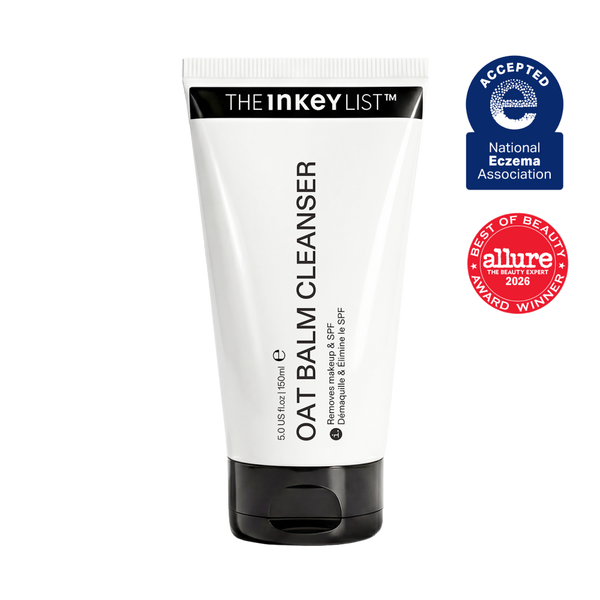
Our Oat Cleansing Balm, $17, melts makeup and SPF in 30 seconds and suits all skin types, including sensitive skin. Take at least 60 seconds over it. If you are unsure how often you should double cleanse, we have a full guide on that.
Step two: antioxidant protection in the morning
Antioxidants help neutralize free radicals before they destabilize the skin’s surface, which makes this your defensive step.
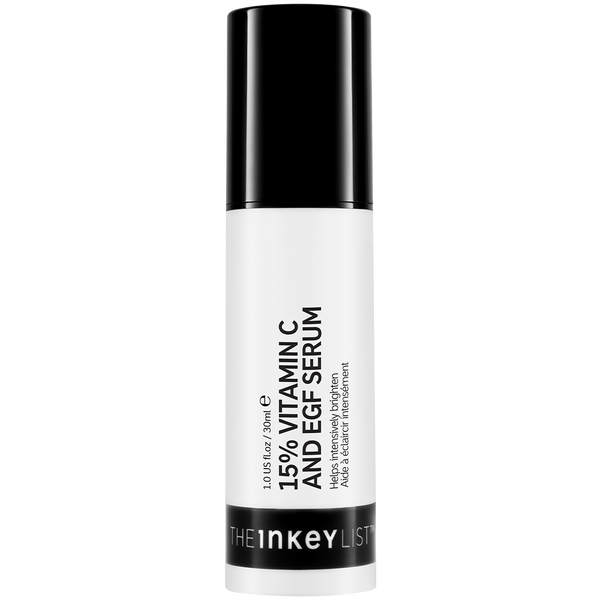
Our 15% Vitamin C + EGF Serum, $20, uses 15% Ascorbyl Glucoside, a stable and gentler form of vitamin C that is less likely to sting sensitive skin. It is fragrance-free, and it goes on in the morning, under your moisturizer. For the wider picture, read our guide to antioxidants in skincare.
Step three: hydrate to support the barrier
A well-hydrated barrier copes better with everything, pollution included.
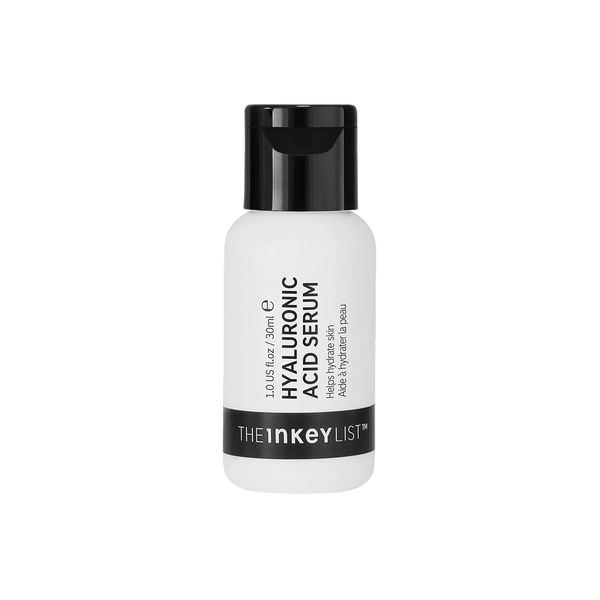
Our Hyaluronic Acid Serum, $13, contains 2% hyaluronic acid at three molecular weights plus Matrixyl 3000. Apply it to damp skin.
Step four: moisturize for your skin type
There is no universal moisturizer, so pick the one that matches your skin rather than the one you saw first.
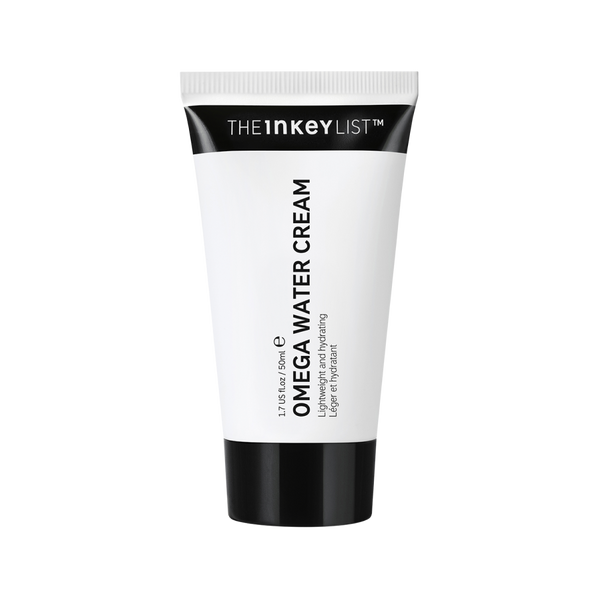
If your skin is oily or combination: Omega Water Cream, $15. It is oil-free and water-based, with 5% niacinamide to help balance oil and even tone.
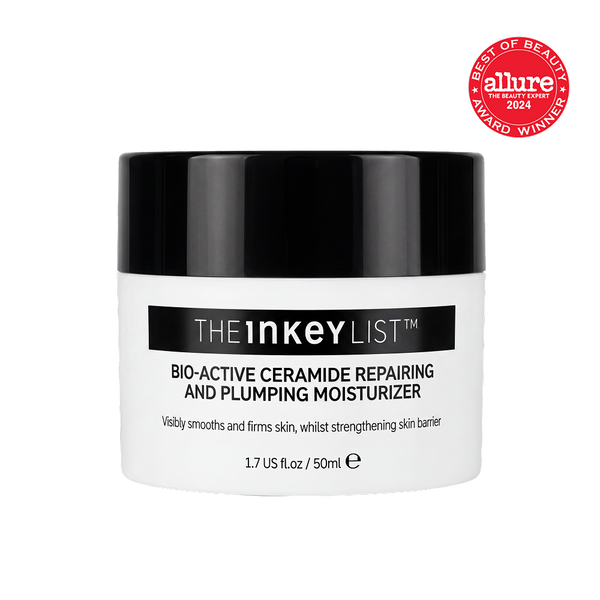
If your skin is dry or sensitive: Bio-Active Ceramide Moisturizer, $22. It restores lipids and strengthens the skin barrier, thanks to a blend of ceramides.
Step five: exfoliate to prevent build-up
Regular gentle exfoliation stops congestion building up on the skin’s surface.
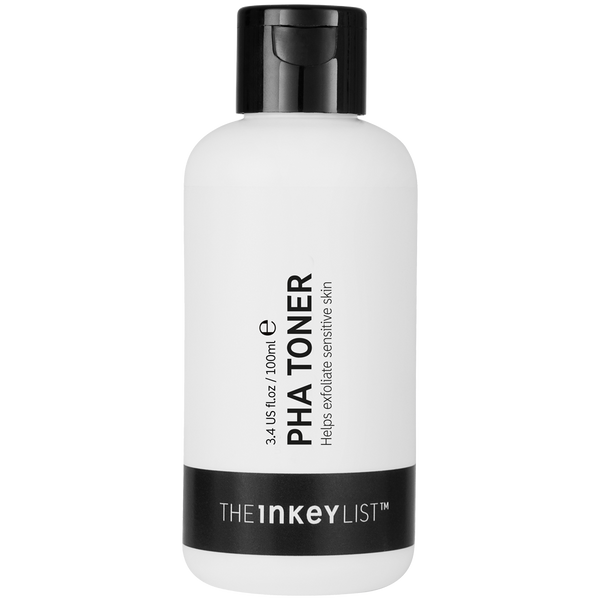
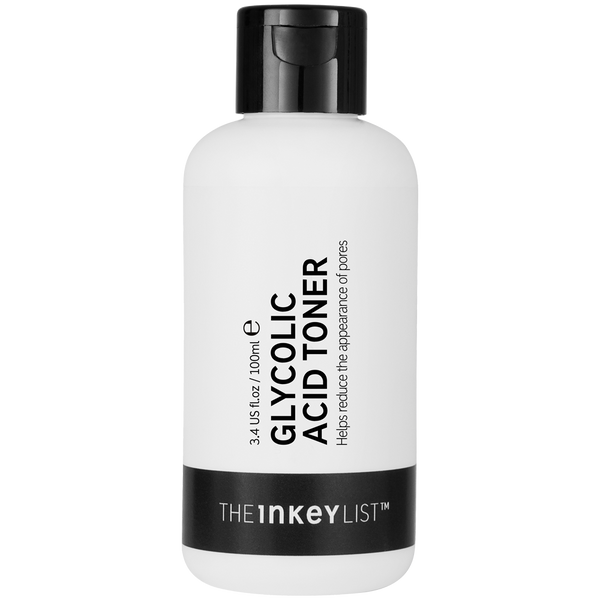
PHA Toner, $18, uses 3% PHA and is the gentler of the two, which makes it a good fit for sensitive skin. Glycolic Acid Toner, $18, contains 10% glycolic acid and is for PM use only.
Do not over-exfoliate. A stressed barrier copes less well with pollution, not better, so a few times a week is plenty. It is also worth knowing which ingredients not to layer together.
Step six: sun protection
UV and pollution are two different exposures, and it helps to keep them separate in your head. Sun protection guards against UV. It does not filter particles out of the air.
You want cover for both. Daily sun protection is worth keeping in your routine year-round, and it complements every step above rather than replacing any of them.
If you want the full framework, read how to build your skincare routine.
City skin: supporting skin against daily stress
Commuting, air-conditioned offices, long days and later nights all add up. Skin ends up looking tired, a little flat, and short on glow, even when nothing is technically wrong.
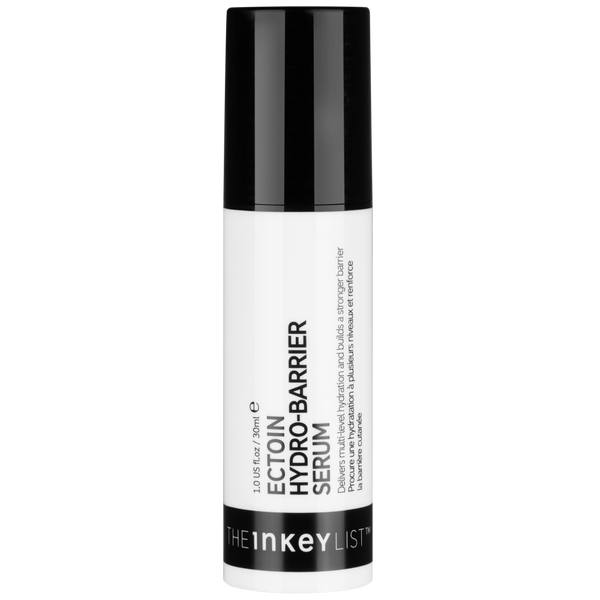
Ectoin Hydro-Barrier Serum, $17, contains 2% Ectoin and is clinically proven to strengthen skin barriers while deeply hydrating. It is a good choice if your skin feels tight or turns reactive easily.
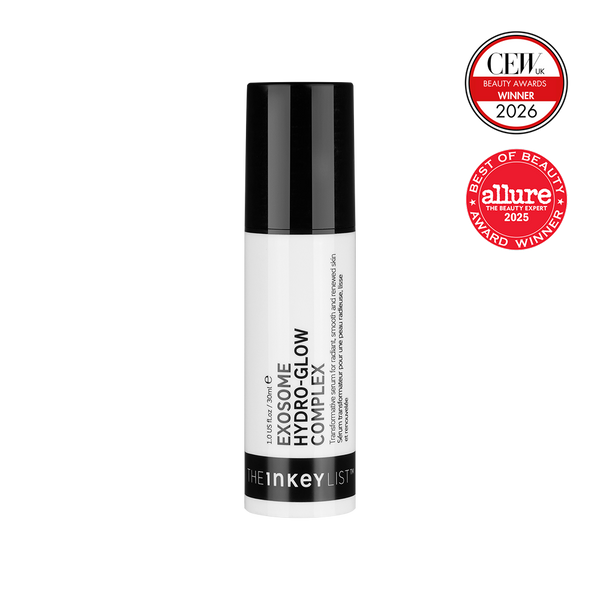
Exosome Hydro-Glow Complex, $24, is the glow boosting step. It delivers a “55% reduction in visible signs of skin stress (redness, puffiness, visible irritation)“, which maps neatly onto how city skin tends to look. Alongside that, “100% saw more glowing skin, clinically proven“ and it is “Proven to deliver up to 12-hours of hydration“.
Both layer into any routine. Apply after cleansing, onto damp skin. Your morning vitamin C step still matters alongside them, and it is worth understanding what skin stress actually is before you build around it. You can read more about exosomes in our ingredient guide.
Conclusion
You cannot control the air around you, but you can control what you do at the sink every morning and night. That is genuinely where anti-pollution skincare starts and ends.
Three habits carry most of the weight: cleanse properly at the end of the day, protect with an antioxidant in the morning, and support your barrier with hydration suited to your skin type. Build those into your complete skincare routine and let consistency do the rest.
If you would like more support with your skincare routine, our askINKEY team is available 24/7 to help you work out what your skin actually needs. No judgement, no jargon, just honest advice.
*4-week clinical study of 26 people.
**Clinical study of 31 people.
***In-vitro testing of Cica Exosomes showed a 55% reduction in pro-inflammatory markers and a 63% increase in markers associated with skin renewal after 8 hours.
Frequently Asked Questions
Got a question?
Our askINKEY team are a friendly bunch of skincare experts with deep product knowledge and zero judgement. Whether you're an ingredient obsessive or just starting out, we'll make it make sense. No question too big. No question too small. We Give A Care, Every Day.


