

Is Glycolic Acid Good for Acne?
Glycolic acid can help acne-prone skin by exfoliating dead cells, unclogging pores, and fading post-breakout marks - here's how it works, how to use it, and what results to expect.
Author
askINKEY skincare advisor
Published
01 August, 2026
Time to read
13 minutes
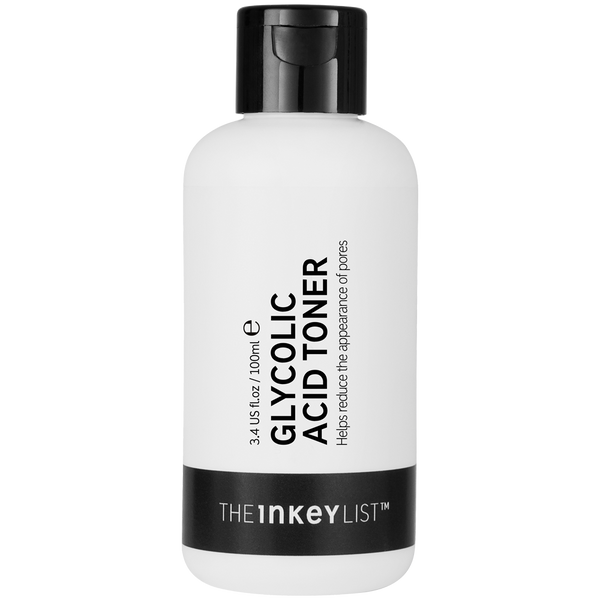
If you are wondering whether glycolic acid is good for acne, this article gives you the full answer. You will learn how glycolic acid works on acne-prone skin, the specific benefits it offers for pimples, blackheads and breakouts, how it compares to salicylic acid, whether it helps with acne scars, and exactly how to use it in your routine without triggering irritation. We also cover purging versus genuine breakouts, glycolic acid for back and body acne, and the products worth considering, including our Glycolic Acid Toner ($18).
Glycolic acid is one of the most researched exfoliating acids in skincare, and the evidence for its use on acne-prone skin is strong. Understanding why starts with understanding what glycolic acid actually is.
What Is Glycolic Acid?
Glycolic acid is an alpha hydroxy acid, usually shortened to AHA. It is derived from sugarcane and it holds a distinction that matters more than it might sound: it is the smallest AHA molecule used in skincare. That tiny molecular size is the reason it works so effectively. Smaller molecules penetrate the skin’s surface more readily, which means glycolic acid can get where it needs to go and do its job efficiently.
That job is chemical exfoliation. Rather than physically scrubbing dead cells away, glycolic acid loosens the bonds that hold dead skin cells to the surface of your skin. Once those bonds dissolve, the dull, dead outer layer sheds naturally, revealing the fresher skin underneath. Done consistently and at sensible strengths, this process keeps skin smoother, brighter and, crucially for anyone dealing with breakouts, far less likely to become congested.
Glycolic acid has been used in dermatology for decades, both in professional chemical peels and in at-home formulations at gentler concentrations. If you want the complete ingredient deep dive, from percentages to pH to pairing rules, our full guide to what glycolic acid is and how it works covers it in detail. And if you are curious how AHAs compare to BHAs and PHAs more broadly, our guide to the types of acids in skincare breaks down the whole family.
For now, here is what matters: glycolic acid is a well-studied, well-understood exfoliant with a strong safety record when used correctly. So what does that mean for acne specifically?
Is Glycolic Acid Good for Acne? The Short Answer
Yes, glycolic acid is good for acne. It exfoliates the dead skin cells that clog pores and lead to pimples and blackheads, and research shows it has inhibitory and bactericidal effects on acne-causing bacteria. Studies have found that even low-strength glycolic acid formulations can reduce mild-to-moderate acne lesions with consistent use.
Now let’s unpack that answer, because the details are where the real value is.
Acne begins when a pore becomes blocked. The blockage, called a comedone in dermatology, is a plug made of dead skin cells and sebum, the natural oil your skin produces. When that plug sits open at the skin’s surface and oxidizes, you get a blackhead. When it stays closed beneath the surface, you get a whitehead. And when bacteria get involved, things escalate into the red, inflamed pimples most people picture when they hear the word acne.
The bacteria in question is Cutibacterium acnes, usually shortened to C. acnes. It is a normal resident of everyone’s skin, but inside a clogged pore, cut off from oxygen and surrounded by oil, it multiplies rapidly. Your immune system responds with inflammation, and that inflammation is what turns a quiet clog into a painful, swollen breakout.
Glycolic acid interrupts this cycle at two points. First, by continuously clearing away the dead cells that would otherwise pile up and plug pores, it addresses the root of comedone formation. Fewer clogs means fewer places for breakouts to begin. Second, and this is the part many people do not know, glycolic acid appears to act directly against the bacteria itself. A Takenaka et al. 2012 study found that glycolic acid demonstrated both inhibitory and bactericidal effects on C. acnes, meaning it can slow the bacteria’s growth and, at sufficient levels, kill it.
Does glycolic acid help with acne at the strengths you can actually buy for home use? The research says yes. A Chen et al. 2022 study found that even a 5% glycolic acid formulation, a concentration well within the range of everyday at-home products, reduced mild-to-moderate acne lesions. You do not need a high-strength professional peel to see meaningful results. You need a sensible concentration used consistently.
That is the science in summary. Next, let’s translate it into the four specific benefits you can actually expect to see in the mirror.
How Glycolic Acid Helps Acne-Prone Skin: Four Key Benefits
Glycolic acid for acne is not a single benefit but a collection of related ones. Each addresses a different stage of the breakout cycle, from the first invisible clog to the dark mark left behind after a pimple heals. Here is how each one works.
Unclogs Pores and Helps Prevent Blackheads
Every blackhead starts the same way. Dead skin cells that should have shed naturally instead linger on the surface, mix with sebum, and settle into a pore. The plug widens the pore opening, the exposed surface oxidizes on contact with air, and it darkens. That dark tip is not dirt, which is why scrubbing at blackheads rarely works and often backfires by irritating the surrounding skin.
Glycolic acid takes a smarter approach. By dissolving the bonds between dead surface cells, it prevents them from accumulating in the first place. Cells that cannot pile up cannot form plugs, and plugs that never form cannot become blackheads. Used regularly, glycolic acid essentially keeps the assembly line of congestion from ever starting production. This is why glycolic acid for blackheads is one of the most common and best-supported use cases: it is preventive maintenance for your pores, working quietly in the background before problems become visible.
Reduces the Buildup That Comes With Excess Oil
Here is where we need to be honest with you, because plenty of marketing is not. Glycolic acid does not switch off oil production. Sebum output is driven largely by hormones and genetics, and no exfoliating acid changes that. What glycolic acid does do, and does well, is clear away the mixture of dead cells and oil that oily skin produces in abundance. That mixture is the raw material of congestion, and removing it consistently is what keeps oily skin from tipping into breakout-prone skin.
Think of it this way: if your skin is an oil-producing machine you cannot turn down, glycolic acid is the cleanup crew that stops the output from causing damage. For people searching for glycolic acid for oily skin, that distinction matters. You will notice less congestion, fewer clogged pores and a less greasy-looking surface, but your skin will still produce the oil it was always going to produce.
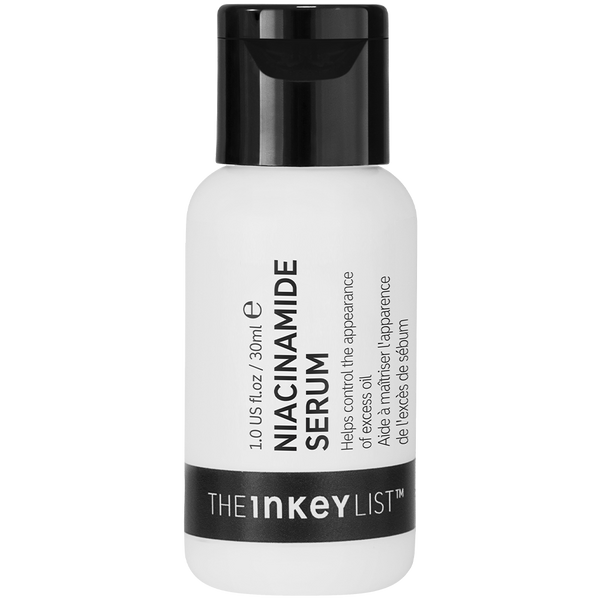
If oil control itself is your priority, glycolic acid pairs beautifully with niacinamide, which helps regulate the appearance of excess oil and reduce redness. Our Niacinamide Serum ($13) is the natural partner here, and if you are wondering whether the two ingredients play nicely together, our guide to using niacinamide and glycolic acid togetherwalks through exactly how to combine them.
Fades Post-Acne Marks and Dark Spots
A pimple’s story does not end when the bump goes down. For many people, especially those with medium to deep skin tones, the aftermath is a flat dark mark that lingers for weeks or months. These post-acne marks and areas of discoloration are the skin’s inflammatory response leaving a pigmented footprint behind.
Glycolic acid helps here through accelerated surface renewal. By speeding up the rate at which pigmented surface cells shed and are replaced by fresh ones, it shortens the lifespan of dark marks. The pigment fades faster because the cells carrying it are cleared away sooner. We will dig much deeper into acne scars and marks shortly, including what glycolic acid can and cannot fix, but the headline is this: for flat discoloration, glycolic acid is one of the most useful over-the-counter tools available.
Smooths Texture and Evens Tone
Beyond pimples, blackheads and marks, there is the overall canvas of your skin: its texture, its evenness, its light-reflecting smoothness. Acne-prone skin often carries a rough, bumpy quality even between breakouts, the result of accumulated dead cells and low-grade congestion sitting just beneath the surface.
Glycolic acid’s resurfacing action addresses this comprehensively. A widely cited Sharad 2013 review of glycolic acid peels in dermatology documented broad benefits for texture, tone and acne, reflecting decades of clinical use. At everyday at-home strengths, the effect is gentler but directionally the same: skin that feels smoother to the touch, looks more even in tone, and takes on the kind of healthy reflectivity that no highlighter can fake. For anyone using glycolic acid for pimples, this texture benefit is the welcome bonus that comes along for the ride.
Those are the benefits. But if you have researched exfoliating acids for more than five minutes, you have inevitably hit the big comparison question, so let’s settle it.
Glycolic Acid vs Salicylic Acid for Acne: Which Should You Use?
The distinction between these two acids comes down to one property: solubility. Glycolic acid is water soluble, which means it works on the skin’s surface, sweeping away the dead cells that cause congestion, roughness and dullness. Salicylic acid is oil soluble, which means it can travel through sebum and into the pore itself, dissolving clogs from the inside out.
That difference shapes the decision:
- Choose glycolic acid if your main concerns are surface congestion, rough or bumpy texture, dullness, and post-acne marks or dark spots that need fading.
- Choose salicylic acid if your main concerns are blackheads, an oily T-zone, and congestion that sits deep in the pore rather than on the surface.
- Consider both if your skin presents a mix of these issues, as many acne-prone complexions do. Used at different steps or on alternate evenings, the two acids complement each other rather than compete.
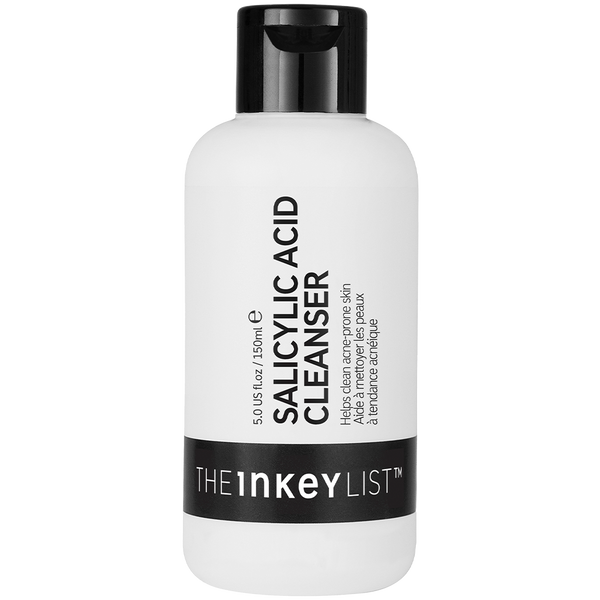
For the salicylic side of your routine, our Salicylic Acid Cleanser ($15) is a genuine acne treatment, registered as an over-the-counter drug in the US, that delivers pore-level exfoliation in a wash-off format gentle enough for regular use.
One caution: if you do use both acids, do not stack them in the same routine on day one. Build up gradually and pay attention to how your skin responds. Our guide to ingredients you should not mix covers the combinations that need spacing out.
This is the short version of the comparison. For the complete breakdown, including strengths, skin types and sample routines, our dedicated glycolic acid vs salicylic acid comparison goes into full depth.
Active breakouts are only half the battle, though. The other half is what breakouts leave behind, which brings us to one of the most searched questions in this entire category.
Does Glycolic Acid Help With Acne Scars?
This is where honest answers matter most, because the term “acne scars” gets used for two completely different things, and glycolic acid helps with only one of them.
Glycolic acid can fade flat dark marks and discoloration left behind by acne, but it cannot fill or remove pitted, indented scars, which involve lost collagen and require professional treatment.
Let’s break down that distinction, because knowing which type you have determines your entire strategy.
Post-inflammatory hyperpigmentation, often shortened to PIH, is the flat brown or dark mark that remains after a pimple heals. It is pigment, not a structural change to the skin. Its close cousin, post-inflammatory erythema, is the flat pink or red version, more common in lighter skin tones, caused by lingering dilated blood vessels rather than pigment. Both are marks, not true scars, and both live at or near the skin’s surface, which is exactly where glycolic acid operates.
Atrophic scars are different. Icepick scars (narrow, deep punctures), boxcar scars (broad depressions with defined edges) and rolling scars (wave-like undulations) all involve actual loss of collagen and structural tissue beneath the surface. No over-the-counter product, glycolic acid included, can rebuild that lost tissue. Anyone who tells you otherwise is selling you false hope. Treatments for pitted scarring, such as microneedling, laser resurfacing and dermal fillers, belong in a dermatologist’s office.
For the marks glycolic acid can help with, the evidence is solid. A Garg et al. 2009 study comparing chemical peels for acne and post-acne pigmentation found glycolic acid effective at fading dark marks. A Kaminaka et al. 2014 split-face randomized controlled trial, one of the more rigorous study designs available since each participant’s face serves as its own control, added further clinical support for glycolic acid peels on acne and its aftermath.
Two pieces of expectation-setting before you start:
First, timelines. Fading marks is a marathon measured in skin cycles, not days. Expect weeks to months of consistent use before dark marks visibly soften, with deeper discoloration taking longer than fresh marks. Progress photos taken every couple of weeks will show you changes your daily mirror check will miss.
Second, sunscreen. This one is non-negotiable. UV exposure actively darkens post-acne marks, meaning a single unprotected sunny afternoon can undo weeks of fading progress. A broad-spectrum SPF 30 or higher, worn every morning, is not an optional add-on to a mark-fading routine. It is half the routine.
If your marks lean red or pink rather than brown, our guide on how to fade red acne marks covers post-inflammatory erythema specifically. And for the complete picture of mark types, causes and full fading routines, our acne scars pillar page is the place to start.
So glycolic acid can genuinely improve what breakouts leave behind. But there is a catch worth knowing about before you begin: for some people, things look slightly worse before they look better.
Can Glycolic Acid Cause Breakouts? Purging Explained
If you start using glycolic acid and break out within the first couple of weeks, do not panic, and do not immediately throw the product away. What you are most likely experiencing is purging, and it is a sign the product is working, not failing.
Here is what happens. Glycolic acid accelerates your skin’s cell turnover. That acceleration applies to everything, including the microcomedones, the tiny invisible clogs, that were already forming beneath your skin’s surface before you ever opened the bottle. Congestion that would have surfaced gradually over the coming weeks instead surfaces quickly, all at once. It looks like a breakout because, technically, it is one. But it is a breakout that was already scheduled. Glycolic acid just moved up the date.
The key is telling purging apart from a genuine adverse reaction, because they demand opposite responses. Purging typically looks like this:
- Breakouts appear in your usual problem zones, the places you always break out.
- The pimples surface and resolve faster than your normal breakouts.
- There is no significant redness, stinging or burning alongside them.
- It settles within roughly one full skin cycle, about 4 to 6 weeks.
A genuine reaction looks different:
- Breakouts or bumps appear in new areas where you rarely break out.
- Skin feels hot, tight, stingy or looks persistently red.
- Things get steadily worse rather than gradually better.
- Symptoms continue past the 6-week mark with no sign of settling.
If your experience matches the first list, hold steady and let your skin work through it. If it matches the second, stop the product, simplify your routine down to a gentle cleanser and moisturizer, and let your skin recover before reassessing. If you suspect you have pushed exfoliation too far, our guide on what to do if you have over-exfoliated walks through the recovery process step by step.
Purging is temporary. Using glycolic acid incorrectly is what causes lasting problems, so let’s make sure you get the routine right from day one.
How to Use Glycolic Acid for Acne in Your Routine
The difference between people who love glycolic acid and people who swear it ruined their skin is almost never the ingredient. It is the introduction. Here is how to do it properly.
How Often to Use It
Start with 2 to 3 evenings per week. That is it. Not nightly, not twice daily, no matter how impatient you are for results. Your skin needs time to acclimate to accelerated exfoliation, and the single most common mistake with any acid is chasing faster results with daily use from day one. The irony is that overuse actually delays results, because irritated, compromised skin breaks out more, not less.
After 2 to 3 weeks of comfortable use with no stinging, persistent redness or tightness, you can add an extra evening. Some skin eventually tolerates near-daily use. Plenty of skin never needs it and does beautifully at three times a week indefinitely. More is not better. Consistent is better.
Where It Fits in Your Routine
Glycolic acid slots into your evening routine in a specific order:
- Cleanse with a gentle cleanser and pat skin dry. Applying acid to damp skin can increase penetration and, with it, irritation.
- Apply your glycolic acid product, such as our Glycolic Acid Toner, and give it a minute to absorb.
- Follow with serums, skipping other strong actives on acid nights while you are still building tolerance.
- Finish with moisturizer to support your skin barrier, which is doing extra work while it adjusts to exfoliation.
SPF Is Non-Negotiable the Next Morning
AHAs increase your skin’s sensitivity to the sun. The fresh cells glycolic acid reveals are more vulnerable to UV damage, and unprotected sun exposure while using AHAs risks both irritation and the darkening of the very marks you are trying to fade. Every morning after an acid evening, and honestly every morning full stop, apply a broad-spectrum SPF 30 or higher as the final step of your routine. If you take nothing else from this article, take this.
What Not to Mix Straight Away and Patch Testing
While you are building tolerance, do not stack glycolic acid with retinol or other strong acids in the same evening. Layering multiple potent actives before your skin is ready is the express route to a damaged barrier. Once your skin is comfortable, combinations become possible with the right approach, and our guide to glycolic acid and vitamin C layering shows how to pair glycolic with vitamin C correctly.
Before your first full application, patch test. Apply a small amount behind your ear or on your inner forearm and wait 24 hours. No reaction means you are clear to start. It costs you one day and can save you a week of irritation.
Your face is not the only place breakouts happen, though, and glycolic acid has a strong case for use from the neck down too.
Glycolic Acid for Back Acne and Body Breakouts
Back acne, chest breakouts and shoulder congestion are among the most common and least discussed skin concerns. They are driven by a distinct combination of factors: sweat that sits on skin during and after workouts, friction from backpacks, sports bras and tight clothing, and occlusion, which is the trapping of heat, moisture and oil against skin under fabric. Add the fact that your back is nearly impossible to reach and even harder to see, and body breakouts become uniquely frustrating to manage.
Here is the good news: glycolic acid for back acne is one of the strongest use cases for the ingredient. Body skin is thicker than facial skin, which means it generally tolerates glycolic acid well, often at frequencies that facial skin would find too much. The same mechanism applies, clearing the dead cells and oil that clog pores, but with more resilient skin underneath.
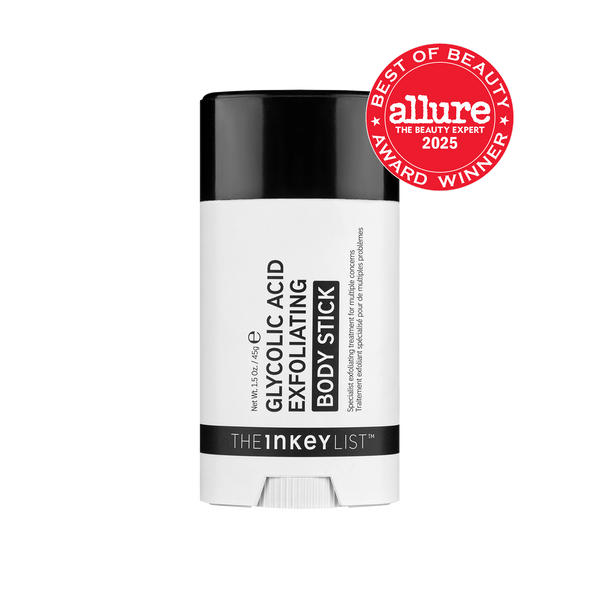
The practical challenge has always been application. Toners and serums designed for faces are awkward to apply across your own back. That is exactly why we made our Glycolic Acid Exfoliating Body Stick ($20), a swipe-on format designed for backs, chests and shoulders. Apply it to clean, dry skin after showering, let it absorb before dressing, and start with a few times a week just as you would on your face. A post-workout shower followed by the body stick is a simple, repeatable habit that addresses body breakouts at their source.
Two supporting habits multiply the results: shower as soon as possible after sweating rather than letting sweat dry on your skin, and choose breathable fabrics for workouts. For the complete picture of what causes bacne and how to build a full body-care routine around it, our back acne pillar page covers it in depth.
With the how and the where covered, let’s get specific about the products worth considering and, just as importantly, when skincare alone is not the right answer.
The Best INKEY Products for Acne-Prone Skin
A quick word before the recommendations: you do not need all of these. The most effective routine is a simple one you actually follow, built around your specific concerns. Pick the one or two products that match your situation, use them consistently for a full skin cycle, and add from there only if needed. Clarity over quantity, always.
Glycolic Acid Toner ($18). The hero of this article for good reason. Our Glycolic Acid Toner delivers surface exfoliation that targets congestion, blackheads and post-acne marks while smoothing overall texture. If your main concerns are clogged pores, rough texture or the dark marks breakouts leave behind, this is your starting point. Use it in the evening, 2 to 3 times a week to begin.
Salicylic Acid Cleanser ($15). Registered as an over-the-counter acne treatment drug in the US, our Salicylic Acid Cleanser takes the fight into the pore itself. The oil-soluble BHA travels through sebum to dissolve clogs from the inside, making it the pick for oily skin, stubborn blackheads and pore-level congestion. As a cleanser, it also slots into any routine without layering complications.
Succinic Acid Treatment ($15). For the pimple that has already arrived, our Succinic Acid Treatment is a targeted spot solution that reduces the size and redness of individual blemishes without drying out the surrounding skin the way harsher spot treatments can. Keep it on hand for direct application to active breakouts.
Niacinamide Serum ($13). The supporting player that makes everything else work better. Our Niacinamide Serumhelps control the appearance of excess oil and calms redness, making it an ideal daytime partner to evening glycolic acid use. If shine and oil are your daily frustrations, this is the one to add.
Glycolic Acid Exfoliating Body Stick ($20). Everything glycolic acid does for your face, in a format built for your back, chest and shoulders. If body breakouts are your battle, this swipe-on stick is the most practical tool for the job.
A sensible starter pairing for most acne-prone skin: the Salicylic Acid Cleanser daily, the Glycolic Acid Toner two to three evenings a week, and a broad-spectrum SPF 30 or higher every morning. Three products, one complete foundation.
When to See a Professional
Skincare products are powerful tools, but they have limits, and recognizing those limits is a strength, not a failure. See a board-certified dermatologist if any of the following applies to you:
- Your breakouts are painful, deep or cystic, the kind that sit under the skin and ache.
- Your acne is leaving scars, particularly pitted or indented ones.
- You have used consistent over-the-counter care for 8 to 12 weeks with no meaningful improvement.
- Your acne is affecting your confidence, mood or wellbeing.
Moderate to severe acne responds to prescription treatments that no over-the-counter product can replicate, and earlier professional treatment means less scarring to deal with later. The American Academy of Dermatology’s updated acne management guidelines outline the full range of evidence-based options dermatologists now use, from topical prescriptions to systemic treatments. Booking that appointment is not giving up on skincare. It is the smartest version of taking your skin seriously.
Before we wrap up, let’s run through the quick-fire questions people ask most about glycolic acid and acne.
The Verdict: Glycolic Acid Is Good for Acne, Used Right
So, is glycolic acid good for acne? Yes, and the evidence backs it up. It clears the dead cells that clog pores, helps prevent blackheads and oil-related congestion, acts against acne-causing bacteria, and fades the post-acne marks and discoloration that linger after breakouts heal. Clinical research, from antibacterial studies to split-face trials, supports every one of those claims. What it cannot do is fill pitted scars or switch off oil production, and we would rather tell you that plainly than let you find out through disappointment.
The golden rules fit in one line: start slow at 2 to 3 evenings a week, use it at night, wear broad-spectrum SPF the next morning, and give it a full skin cycle before judging results. You do not need more products. You need the right ones, used consistently, with realistic expectations. That is the whole philosophy behind everything we make, and our glycolic acid and acne guides are there whenever you want to go deeper. Clear guidance. Proven ingredients. Real results.
Ready to add glycolic acid to your routine? Start with our Glycolic Acid Toner ($18) and explore our full glycolic acid collection for acne-prone skin.
Frequently Asked Questions
Got a question?
Our askINKEY team are a friendly bunch of skincare experts with deep product knowledge and zero judgement. Whether you're an ingredient obsessive or just starting out, we'll make it make sense. No question too big. No question too small. We Give A Care, Every Day.


