


Niacinamide for Rosacea-Prone Redness: What It Does, and How to Use It Without Irritation
How niacinamide helps calm the look of rosacea-prone redness, and how to introduce it without triggering irritation.
Author
askINKEY skincare advisor
Published
21 August, 2026
Time to read
16 minutes
Niacinamide is one of the most frequently recommended ingredients for anyone dealing with the appearance of facial redness, and it comes up constantly in conversations about redness-prone skin. This article explains what niacinamide actually does, whether niacinamide for rosacea-prone skin is a sensible choice, and how to introduce it into a routine without setting off irritation. If you have searched “niacinamide rosacea” and come away with ten conflicting answers, this is the plain version.
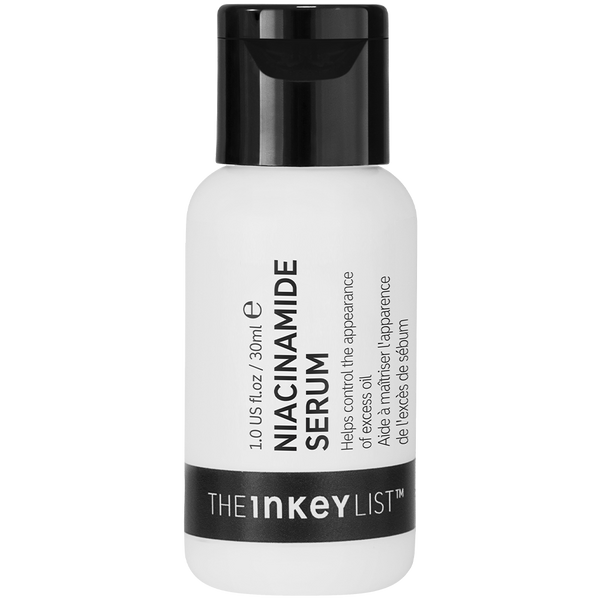
Here is the scope. We will cover what niacinamide does for the look of redness, whether it can make redness worse, how to patch test and phase it in properly, what to look for when choosing a serum, a straightforward AM and PM routine, and what pairs well alongside it. Our 10% Niacinamide Serum ($13.00) appears throughout as the working example, framed the way we think it should be framed: as barrier support and visible calm, not as a quick fix. If you want the ingredient-level background first, our page on what niacinamide is covers the fundamentals.
One boundary, stated early and honestly. Rosacea is a medical condition. This article is about cosmetic skincare choices and the appearance of redness, not about diagnosis or treatment. If your redness is persistent, worsening, painful, or arriving with other symptoms, speak to a dermatologist. Good skincare and good medical care are not in competition, and the best outcomes usually involve both.
Before looking at any single ingredient, though, it helps to understand why redness-prone skin behaves the way it does. That context changes what you decide to put on your face.
Why Redness-Prone Skin Needs a Barrier-First Approach
Most people arrive at this topic looking for a redness “fix”, meaning a single product that switches the color off. That framing is the reason so many redness-prone routines quietly get worse over time. The more useful frame is barrier support, and understanding why requires about ninety seconds of explanation.
What the skin barrier actually is
Your skin barrier is the outermost layer of your skin, and it does two jobs at once. It holds water in, and it keeps irritants out. Think of it as a wall built from skin cells with a lipid mortar between them, lipids being the fats and oils your skin produces naturally to seal the gaps. When that wall is intact, moisture stays where it belongs and the outside world stays outside. When it is compromised, water escapes more easily and irritants get in more easily, and the visible result is skin that looks redder, feels tighter, and reacts to things it used to tolerate.
That is the whole mechanism, and it is worth sitting with, because it reframes almost every decision that follows.
Why redness-prone skin reacts more readily
Redness-prone and rosacea-prone skin tends to have a barrier that is more easily disrupted. This is descriptive rather than diagnostic, so we are talking about a pattern rather than a cause. But the practical consequence is consistent. Skin in this category responds more visibly to:
- Sudden temperature changes, cold wind, and central heating
- Hot water, especially in long showers
- Friction from towels, cloths, and rough application
- Fragrance, including some essential oils marketed as natural
- Over-exfoliation, which is the single most common self-inflicted cause
- Stacking multiple strong actives in the same routine
None of that makes your skin fragile. It makes it communicative. It tells you quickly when something is not working, which is arguably an advantage if you are willing to listen.
The central argument: subtraction before addition
Here is the position that shapes the rest of this article. When the barrier is struggling, skin looks redder and reacts more readily. So the first move is not to add another active. The first move is to remove what is aggravating it.
Most redness-prone routines improve when they get shorter and gentler, not longer and stronger.
This runs against almost everything the category tells you. The instinct when skin looks bad is to buy something. But if you are using a foaming cleanser that leaves your face tight, a daily acid toner, a scrub twice a week, and a fragranced night cream, adding a niacinamide serum on top of that is not going to rescue the situation. Taking three of those things away might.
We build products for people, not for trend cycles, and that includes being honest when the answer is “use less”. You do not need more skincare. You need clarity you can trust about what is actually earning its place.
Gentle cleansing is the highest-leverage change you can make
If you make exactly one change after reading this, make it your cleanser. Cleansing is where most redness-prone skin gets quietly damaged, twice a day, for years.
The principles for gentle skincare for rosacea-prone and redness-prone skin are unglamorous and effective:
- Use lukewarm water, never hot. Hot water strips lipids and triggers visible flushing at the same time.
- No scrubbing. No washcloths, no muslin cloths, no cleansing brushes, no circular buffing motions.
- No squeaky-clean feeling. If your skin feels tight after cleansing, the cleanser removed more than it should have.
- Skip harsh foaming formulas. High-foam usually means high surfactant load.
- Pat dry, do not rub. A clean towel, pressed gently, then leave skin slightly damp for whatever comes next.
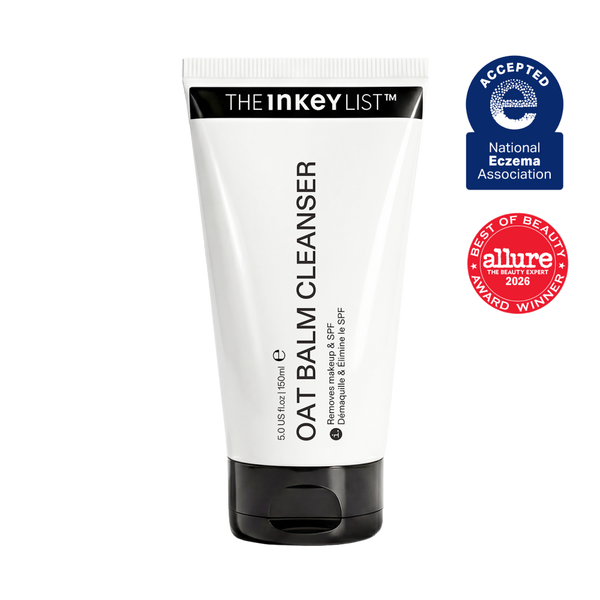
Our Oat Cleansing Balm ($17.00) fits this brief well, with 1% colloidal oatmeal to help visibly reduce redness and soothe as it removes makeup and sunscreen. It melts rather than foams, which means no surfactant strip and no scrubbing required.
For external corroboration rather than just our word for it, the American Academy of Dermatology’s rosacea skin care tips make the same case for gentle handling, and the National Rosacea Society’s guidance on skin care and cosmeticsemphasizes simplification and careful product selection over aggressive intervention. When dermatological bodies and a skincare brand independently arrive at “be gentler”, that is usually a signal worth taking seriously.
Where niacinamide fits into a barrier-first rosacea skincare routine
Once the aggravating factors are reduced, there is room for a supportive step. This is precisely where niacinamide belongs, and why we position our 10% Niacinamide Serum as a daily supportive layer rather than a corrective treatment. It is not there to override your skin. It is there to help the barrier do its own job more comfortably.
If you are genuinely unsure whether you are dealing with sensitivity, dryness, reactivity, or some combination, our guide to finding your skin type is a reasonable place to start before you buy anything. And if you would rather browse by concern, our redness-prone edit is filtered for exactly this.
Having established that barrier support comes first, the obvious next question is what niacinamide specifically contributes to that goal.
What Niacinamide Actually Does for the Appearance of Redness
Niacinamide is a form of vitamin B3 used topically in skincare. That is the whole definition. It has been in dermatological formulations for decades, which is part of why it is so well characterized compared to ingredients that arrived last season.
What makes it interesting for redness-prone skin is not that it does one dramatic thing. It is that it does several modest, cooperative things at once.
Does niacinamide help with redness?
Yes, niacinamide is widely used to help improve the appearance of redness, and it works by supporting the skin rather than suppressing a symptom. Applied topically, niacinamide is understood to support the skin’s barrier function, help skin retain moisture more effectively, and help skin look more even and less visibly reactive over time. The effect is cumulative rather than immediate. Most people notice skin looking calmer and more comfortable over a period of weeks of consistent daily use, not overnight.
That paragraph is the honest short answer. It is also worth understanding why the mechanism matters more than the marketing.
Barrier support means better moisture retention. Better moisture retention means less of the tightness and reactivity that make redness look more pronounced. Skin that is comfortable simply looks calmer than skin that is stressed. There is nothing mystical about it, and that unglamorous quality is a feature rather than a limitation.
Is niacinamide good for rosacea-prone skin?
Niacinamide is generally considered one of the better-tolerated active ingredients for redness-prone and rosacea-prone skin, and a great many people with rosacea-prone skin use it as a daily step without issue. Its tolerability profile is one of the main reasons it appears so frequently in conversations about sensitive skin.
The important qualification: niacinamide is a cosmetic ingredient, not a treatment. It can help skin look calmer and support barrier function. It does not address the underlying medical condition, and nothing sold as skincare should be presented as though it does. Anyone telling you otherwise is selling harder than the evidence allows.
What the research actually observed
We want to be precise here, because this is exactly the area where skincare copy tends to get loose.
Draelos and colleagues, in a 2005 study, observed improvements in barrier function among participants using a niacinamide-containing moisturizer. That is a study observation about a formulation containing the ingredient. It was not conducted on our serum, and we are not going to imply that it was. What it contributes is reasonable evidence that topical niacinamide, in a well-built formula, is associated with measurable barrier benefits.
Baldwin’s 2021 review surveys niacinamide’s broader role in dermatology, drawing together the accumulated literature on the ingredient rather than reporting a single trial. Reviews like this are useful precisely because they zoom out from individual studies to the overall shape of the evidence.
A 2024 review of niacinamide keeps that evidence base current, which matters. Ingredient science does not stand still, and a brand that cites only twenty-year-old research is telling on itself.
All three are study observations about the ingredient. None of them are claims about our products. We think that distinction is worth spelling out rather than blurring, and if more of the category did the same, shoppers would have a far easier time.
Setting expectations honestly
Niacinamide is slow, cumulative, and supportive. It is not an instant redness eraser, and any product positioning it as one is overpromising.
What that means practically:
- Weeks, not days. Judge it after four to eight weeks of consistent use, not after three applications.
- Supportive, not corrective. It helps skin function more comfortably. It does not override a medical condition.
- Consistency beats intensity. Daily use of a sensible percentage outperforms sporadic use of a strong one.
- It works better in a calm routine. Niacinamide layered on top of an aggressive routine is fighting uphill.
We are deliberately keeping this framed around barrier support and visible calm. Niacinamide has other well-documented uses, and if you want the general how-and-when-to-use guidance covering the full picture, we have written that separately in how and when to use niacinamide serum. For deeper ingredient background, our niacinamide pagegoes further.
Even with reasonable evidence behind it, plenty of readers arrive at this topic worried that adding niacinamide will make things worse. That concern deserves a direct answer rather than a reassuring deflection.
Can Niacinamide Make Redness Worse?
Some people do experience temporary flushing, tingling, or a warm sensation when they first introduce niacinamide, and this is more common on reactive skin. In most cases there is a practical explanation, and in most cases it is avoidable.
That is the honest answer, given upfront rather than buried under three paragraphs of reassurance. Now the useful part: why it happens.
The likely explanations, worked through
You introduced it too quickly. Going from no active to daily use overnight is the most common cause of an unhappy reaction. Reactive skin needs a runway.
You layered it with several other actives at once. If you added niacinamide the same week you started a retinoid, or you are applying it over an acid toner, the niacinamide may be getting blamed for a reaction it did not cause on its own.
The percentage was unnecessarily high. More is not better. We will come back to this.
Your barrier was already compromised. Applying anything to skin that is already stripped, over-exfoliated, or wind-damaged tends to sting. That is the barrier reporting its condition, and it is not specific to niacinamide.
You reacted to something else in the formula. This is genuinely common and widely overlooked. Fragrance, certain preservatives, or a texture that does not suit you can all cause a reaction in a product whose headline ingredient is perfectly tolerable. The label says niacinamide, so niacinamide takes the blame.
Percentage anxiety, addressed plainly
There is a persistent belief that a higher niacinamide percentage means a better product. For redness-prone skin, that logic does not hold.
Beyond a well-formulated concentration, additional percentage points do not deliver proportionally more benefit, and they can increase the likelihood of tingling or flushing on reactive skin. The trade-off gets worse, not better. This is why our serum sits at 10% rather than climbing higher for the sake of a bigger number on the bottle. Ten percent is a sensible ceiling for most people, and the formula is built to be tolerable as well as effective.
We would rather sell you something you can actually use every day than something that photographs well on an ingredients list.
Is niacinamide bad for rosacea-prone skin?
Niacinamide is not generally considered problematic for rosacea-prone skin, and it is one of the more commonly recommended cosmetic ingredients for people managing the appearance of redness. Its reputation for tolerability is well established.
That said, individual tolerance varies, and no ingredient suits everyone. Rosacea-prone skin in particular can have highly individual trigger patterns, and something that suits one person may not suit another. Anyone who tells you an ingredient is universally safe is not being straight with you.
Does niacinamide trigger rosacea-prone flushing?
Some people notice a temporary warm or flushed feeling on first use, which typically settles as skin acclimates over a few applications. Persistent or worsening flushing is a different matter and a signal to stop and reassess rather than push through.
“Push through it” is bad advice for reactive skin. Discomfort is information.
The practical method
Three rules, and they are not optional if your skin is reactive:
- Patch test first. Apply a small amount to the inner forearm or behind the ear, once daily for two to three days, and watch. Our guide on why you need to do a patch test covers the method properly.
- Introduce slowly. Two to three times per week before going daily.
- Change one thing at a time. If you add three products at once and react, you have learned nothing except that something is wrong.
When to speak to a dermatologist
If your redness is persistent, worsening, painful, accompanied by visible bumps or pustules, affecting your eyes, or simply not responding to gentle cosmetic care, speak to a dermatologist. The AAD’s guidance on preventing rosacea flare-ups is a useful reference point for trigger awareness, but it is not a substitute for a professional assessment.
Cosmetic skincare supports your skin. It does not replace medical advice, and we are not going to pretend otherwise to keep you on this page.
With the main worry addressed, the next question is method. How do you actually bring this into a routine without triggering the exact problem you are trying to avoid?
How to Introduce Niacinamide Gently, and How to Choose a Serum
Introducing an active to redness-prone skin is a process rather than an event. Done properly it takes about a month. Done impatiently it can cost you several months of backtracking.
A phased introduction that actually works
Days one to three: patch test. Small amount, inner forearm or behind the ear, once daily. If nothing happens, proceed.
Weeks one and two: two to three times per week. Apply in the morning, to clean and slightly damp skin, always followed by moisturizer. Alternate days rather than consecutive days. If skin stays comfortable, continue.
Weeks three and four: increase to every other day, then daily. Only if the previous stage was uneventful. There is no prize for arriving early.
Week five onward: daily, and leave it alone. Give it a genuine run before you evaluate anything.
Two details in that schedule do disproportionate work. Slightly damp skin helps with even application and spread, and pairs well with a formula containing hydrating ingredients. Always followed by moisturizer is not optional, because a serum is a delivery step rather than a finishing step, and redness-prone skin needs the seal.
The one-new-thing rule
Add one new product at a time, and wait at least two weeks before adding another.
This matters more for redness-prone skin than for anyone else. If you introduce a cleanser, a serum, and a moisturizer in the same week and your skin reacts, you have three suspects and no way to identify the culprit. Most people respond by abandoning all three, including the two that were fine.
Slow introduction is not caution for its own sake. It is the only way to generate usable information about your own skin.
Realistic timeframes
Barrier-supporting ingredients work cumulatively. Set your expectations at four to eight weeks of consistent daily use before making a judgement, and understand that the change tends to be gradual. Skin that looks a bit more even, feels less tight, reacts slightly less to the things that usually set it off. It is rarely a dramatic before-and-after moment, and the improvements that last generally are not.
What to look for in a serum for rosacea-prone skin
If you are shopping for a serum for redness-prone skin, these are the criteria that matter:
- A sensible percentage. Around 10% niacinamide. Do not chase higher numbers.
- A short, considered ingredient list. Fewer ingredients means fewer variables and fewer potential irritants.
- Hydrating support alongside the active. Actives land better on well-hydrated skin.
- No unnecessary fragrance. For redness-prone skin this is close to non-negotiable.
- A texture that layers well. If it pills under moisturizer you will stop using it, and consistency is the whole game.
- Clear labeling of concentrations. If a brand will not tell you how much of the active is in there, that is an answer in itself.
Where our serum sits
Our 10% Niacinamide Serum ($13.00) was built against roughly that brief. It combines 10% niacinamide with 1% hyaluronic acid to hydrate and plump, which means the barrier-supporting active arrives alongside hydration rather than on its own. The texture is lightweight and layers cleanly under moisturizer.
We position it around barrier support, hydration, and visible calm. That is what it is for in this context, and framing it as anything more dramatic would be overselling a product that does its job perfectly well described accurately.
On price: it is $13.00. We hold the position that premium skincare should not require a premium price tag, and that a well-formulated barrier-supporting serum is a basic rather than a luxury. If you want to compare across the range, our niacinamide collection is the place to do it.
For general usage questions that go beyond redness, such as timing, layering order, and what else it does, how and when to use niacinamide serum covers that ground in full, and our skincare routine guide helps with correct step placement. If you would rather have something built for you, our routine builder will assemble a plan around your skin.
With the product chosen and the onboarding understood, the remaining question is where it sits across a full day.
A Gentle Daily Routine for Redness-Prone Skin, AM and PM
A rosacea skincare routine for redness-prone skin should be short. Five steps maximum, and fewer is genuinely fine. Every additional step is another variable, another potential irritant, and another opportunity for something to go wrong. This is the subtraction principle from earlier, applied.
Your morning routine
Step one: cleanse gently, or just rinse. If your skin is very reactive, a lukewarm water rinse in the morning is entirely legitimate. You cleansed last night. There is not much on your face that needs removing. If you prefer a proper cleanse, keep it non-stripping, and our Oat Cleansing Balm ($17.00) with 1% colloidal oatmeal works here.
Step two: niacinamide serum onto damp skin. A few drops of our 10% Niacinamide Serum ($13.00), pressed rather than rubbed into slightly damp skin. Pressing reduces friction, and friction is an aggravator.
Step three: moisturizer. Non-negotiable. This is what seals everything in.
Step four: sun protection. Every morning, all year.
On sun protection specifically: sun exposure is one of the most widely recognized aggravators of facial redness, and daily broad-spectrum protection is one of the more consistently useful habits for redness-prone skin. Look for broad-spectrum coverage, a formulation your skin tolerates, and something you will genuinely reapply. Mineral formulas suit some people with reactive skin better than chemical filters, though this varies. We do not sell SPF, so treat this as general guidance rather than a recommendation with a product attached.
Your evening routine
Step one: cleanse properly. The evening cleanse has real work to do, including makeup, sunscreen, pollution, and the day’s buildup. A balm or cream cleanser handles this without stripping. If you wear heavy makeup or high-SPF sunscreen, a gentle second cleanse is reasonable, as long as neither one is aggressive.
Step two: hydration, if needed. For skin that feels tight or dehydrated alongside looking red, our Hyaluronic Acid Serum ($13.00) applied to damp skin adds a hydration layer without weight. Damp skin matters here, because hyaluronic acid needs water available to work with.
Step three: moisturizer. Same principle as the morning, potentially something richer.
A note on stronger actives. If you use a retinoid or an exfoliating acid at all, it belongs in the evening, and it should not be introduced in the same period as a new niacinamide step. One new thing at a time, always. If your skin is currently reactive, consider pausing stronger actives entirely while the barrier settles.
Choosing the best moisturizer for rosacea-prone skin
Moisturizer is doing more work for redness-prone skin than most actives will, and it is worth getting right. The main decision is texture, and it comes down to your skin type rather than your concern.
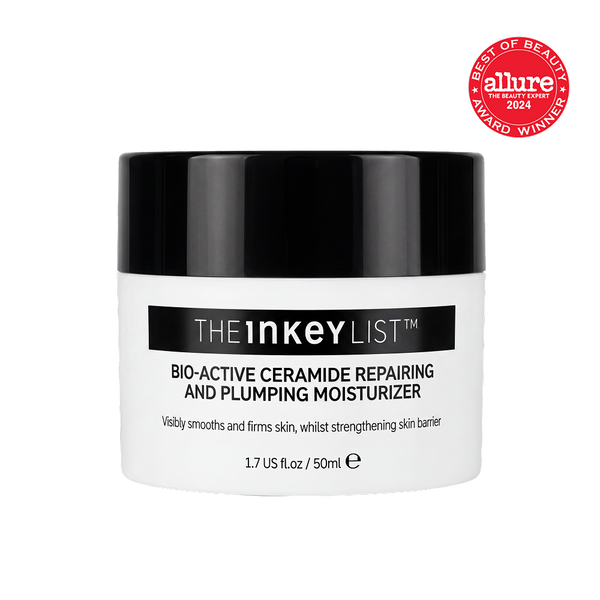
For dryness, tightness, and barrier support: our Bio-Active Ceramide Moisturizer ($22.00). Ceramides are lipids that occur naturally in the skin barrier, and topping them up supports that structure directly. This is the richer, more comforting option, and generally the better choice if your skin feels tight or looks flaky alongside red.
For combination skin that needs hydration without weight: our Omega Water Cream ($15.00). Lighter, oil-free, and better suited to skin that is reactive but not dry. Being redness-prone does not automatically mean being dry, and a heavy cream on skin that does not need it is its own kind of problem.
If neither fits, our full moisturizer range has other options. The general rule for redness-prone skin: fragrance-free, no essential oils, a texture you find genuinely comfortable. Comfort predicts consistency, and consistency is what produces results.
Why keeping it short matters
Five steps in the morning, three or four at night. That is the whole routine, and the restraint is deliberate.
The National Rosacea Society’s skin care guidance makes a similar case for simplification and careful product selection. Every product you add is another ingredient list, another potential trigger, another thing to eliminate if something goes wrong. For skin that reacts readily, a short routine is not a compromise. It is the strategy.
The routine covered, the remaining practical question is what else can reasonably sit alongside niacinamide, and what is better kept at arm’s length.
What to Pair Niacinamide With, and What to Keep Separate
Layering questions generate more anxiety than almost anything else in skincare, largely because the internet has settled on a vocabulary of absolute prohibitions. “Never mix X and Y.” That framing is mostly unhelpful and occasionally wrong. The realistic principle for redness-prone skin is simpler: fewer actives, spaced sensibly, introduced one at a time.
What niacinamide pairs comfortably with
Niacinamide is one of the more cooperative actives available. It is stable, it plays well with most formulations, and it does not demand a specific pH environment the way some ingredients do.
Hydrating ingredients. Hyaluronic acid, glycerin, and similar humectants sit alongside niacinamide without difficulty. Our serum already includes 1% hyaluronic acid for exactly this reason.
Barrier-supporting moisturizers. Ceramides, fatty acids, and squalane are working toward the same goal. This is the most natural pairing in the whole routine.
Gentle, non-fragranced basics. A mild cleanser and a comfortable moisturizer are the ideal supporting cast.
We have written a full comparison of hyaluronic acid versus niacinamide for anyone weighing the two against each other, so we will not duplicate that analysis here.
What to approach slowly
These are not forbidden. They are things to introduce carefully, or to reconsider while your skin is unsettled.
Strong physical scrubs. Mechanical exfoliation is a poor fit for redness-prone skin generally. The friction alone can aggravate the appearance of redness.
High-strength exfoliating acids used daily. Daily acid exfoliation is one of the most common causes of a compromised barrier. Weekly, or not at all, is a reasonable starting point for reactive skin.
Stacking multiple new actives in the same week. Not a reaction risk in itself, but it eliminates your ability to identify what caused a problem.
Anything that stings. Not a category, but the most useful rule in this article. A product that consistently stings is telling you something.
Azelaic acid as an evening counterpart
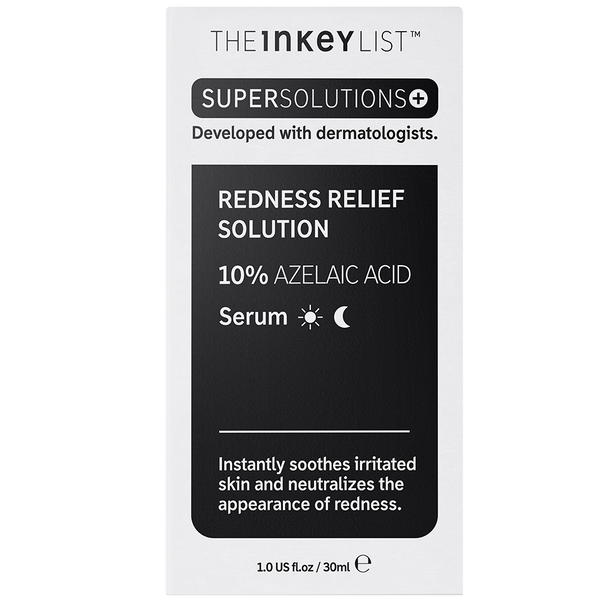
For readers already familiar with azelaic acid, it works as an optional evening step alongside a morning niacinamide step. Our 10% Azelaic Acid Serum for Redness Relief ($20.00) is our formulation in that space.
We are deliberately keeping this brief, because we have already covered the relevant questions properly elsewhere. On whether azelaic acid earns its reputation for redness-prone skin, read does azelaic acid actually work for rosacea-prone skin. On whether the two can sit in the same routine and how, read azelaic acid and niacinamide, can you use them together. Those posts answer those questions in the depth they deserve, and our azelaic acid page covers the ingredient background.
Whatever you do, introduce one active at a time. Adding azelaic acid and niacinamide simultaneously to reactive skin is the exact mistake this article has been arguing against for several thousand words.
A note on managing more than one concern
Plenty of people dealing with the appearance of redness are also managing texture, dryness, or uneven tone. Trying to address everything at once is how routines become unmanageable. Our complete skincare concerns guide is a more sensible route through that than assembling products concern by concern.
And once more, briefly: if your redness is not responding to gentle cosmetic care over a reasonable period, that is worth raising with a dermatologist rather than working through another shelf of products.
That covers the practical guidance. What remains are the specific questions readers ask most often.
The Takeaway on Niacinamide for Rosacea-Prone Skin
For redness-prone and rosacea-prone skin, barrier support comes first and everything else follows from it. Niacinamide is a well-tolerated, evidence-supported daily step that can help skin look calmer over time, but it works best inside a routine that has already been simplified rather than one that keeps expanding.
Expect gradual improvement rather than transformation. Cumulative, gentle, consistent. That is genuinely how this ingredient behaves, and knowing that upfront is the difference between sticking with it and abandoning it in week two.
And if your redness is persistent, worsening, or simply not responding to careful cosmetic care, speak to a dermatologist. That advice costs us nothing to give and it is the right advice.
Clear guidance, proven ingredients, real results. That is the standard we hold ourselves to, and it means telling you what an ingredient can do as precisely as we tell you what it cannot.
If you want to make niacinamide a daily barrier-supporting step, our 10% Niacinamide Serum is $13.00 and pairs 10% niacinamide with 1% hyaluronic acid. You can also browse the full redness-prone edit or build your routine if you would rather work out the whole sequence at once. No rush, because the slow approach is the one that works here.
Frequently Asked Questions
Got a question?
Our askINKEY team are a friendly bunch of skincare experts with deep product knowledge and zero judgement. Whether you're an ingredient obsessive or just starting out, we'll make it make sense. No question too big. No question too small. We Give A Care, Every Day.


