



Are Peptides Safe? Side Effects, Myths and Who Should Take Care
Yes, peptides in skincare are safe for most people. Here is what the evidence says about side effects, myths and how they differ from injectable peptides.
Author
askINKEY skincare advisor
Published
04 September, 2026
Time to read
20 minutes
Short answer: yes. Peptides used in skincare are considered safe for most people and rank among the best tolerated active ingredients available. Side effects are uncommon and typically mild. The safety concerns you have seen in the news relate to injectable or oral peptides, not the ones in your serum or moisturizer.
Peptides are now one of the most widely used ingredients in skincare, appearing in serums, moisturizers, eye creams and lip products at almost every price point. Searches asking whether they are safe have climbed sharply, driven largely by news coverage of injectable peptides. The word “peptide” now carries associations it did not have five years ago, and those associations do not transfer to the bottle on your shelf.
This article answers the safety questions specifically. We cover realistic side effects, irritation and allergy risk, whether peptides cause breakouts or purging, daily and long-term use, layering with other actives, pregnancy and breastfeeding, teens and kids, sensitive and rosacea-prone skin, copper peptides, whether peptides are natural or vegan, and how cosmetic peptides are regulated in the US.
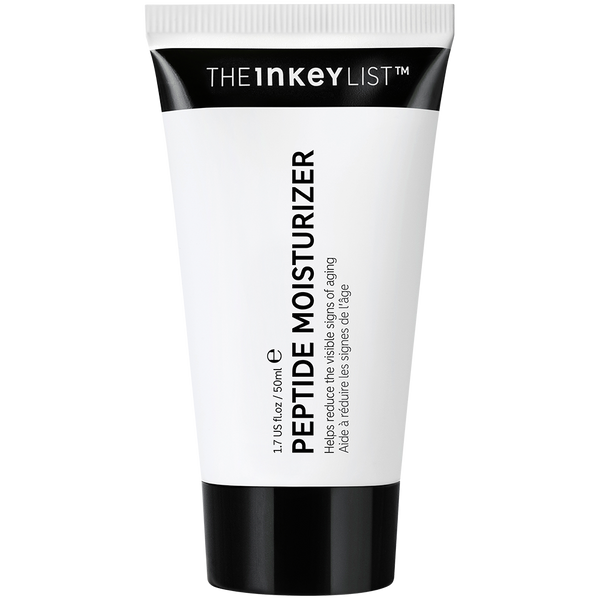
If what you want is a full explanation of what peptides are and what they do, that lives in our complete guide at our peptides page. This piece assumes you already have a peptide product in your routine, or are about to, and want to know whether it is a sensible thing to put on your face. For the record, we do formulate with them: peptides appear across our range, including our Peptide Moisturizer ($18) and the rest of our peptide collection.
Short answer: are peptides safe?
Topical cosmetic peptides are considered safe for most skin types and are well tolerated. Reactions are uncommon, and when they occur they tend to be mild and short-lived. Peptides carry none of the tolerance-building requirements of retinoids, none of the pH sensitivities of exfoliating acids, and none of the photosensitivity considerations attached to some other active categories. In the hierarchy of things that might upset your skin, a peptide sits near the bottom.
That is the honest position, stated plainly before we complicate it. But the reason you are probably reading this is that the word “peptide” has started appearing in contexts that sound considerably more serious than a moisturizer.
What “peptides” actually means in skincare
Here is the root of nearly all the confusion. “Peptide” is a chemistry term, not a product category. It describes a short chain of amino acids, and amino acids are the building blocks of protein. That definition covers an enormous range of substances with wildly different purposes, delivery methods and risk profiles.
When people say “peptides” they are usually talking about one of three different things:
- Topical cosmetic peptides. Short amino acid chains formulated into serums, creams and balms at cosmetic concentrations, applied to the surface of the skin. Regulated as cosmetics. This is what is in your moisturizer.
- Injectable and oral peptides used medically or for performance. These enter the bloodstream, act systemically, and are regulated as drugs or prescribed treatments. Weight management peptides and various performance peptides sit here.
- Unapproved research peptides. Sold outside regulated channels, often online, frequently labeled “not for human consumption”. These have not been through the approval processes governing either cosmetics or drugs.
These three categories are not interchangeable and their safety profiles are not comparable. Treating them as one topic is like treating table salt, a saline drip and an unlabeled bag of white powder from the internet as the same conversation because all three are technically minerals.
Skincare peptides vs injectable and oral peptides: the confusion explained
The mechanical distinction resolves this. A peptide in a moisturizer works at the skin’s surface, in a cosmetic formula, at a cosmetic concentration, under cosmetics law. It is not designed to enter the bloodstream and it is not assessed as though it does. An injectable peptide is delivered directly into the body, acts systemically, and is an entirely different regulatory and safety question.
We are not dismissing the medical conversation. It is a real one. The American Medical Association has set out what doctors want patients to know about injectable peptides, and the concerns raised there about unregulated sourcing, dosing and lack of oversight are legitimate. The FDA maintains a list of bulk drug substances that may present significant safety risks, and several peptides appear on it. Those are genuine concerns about a genuine category of product. That category is not sitting on your bathroom counter in a 30ml bottle.
Harvard Health’s overview of peptides makes the same underlying point differently. It treats peptides as an extremely broad class of compounds with varying evidence and varying risk depending entirely on what the peptide is and how it is used. Broad category, specific answers required.
This is also why searching “are peptides safe” returns Harvard, the AMA, the NIH and medical journals rather than skincare brands. The search engine has correctly identified that most people asking that question in the abstract are asking about injectables. If you arrived here from one of those results and felt like you had wandered into the wrong conversation, you had. Naming that is useful, because it tells you something about the information environment you are navigating.
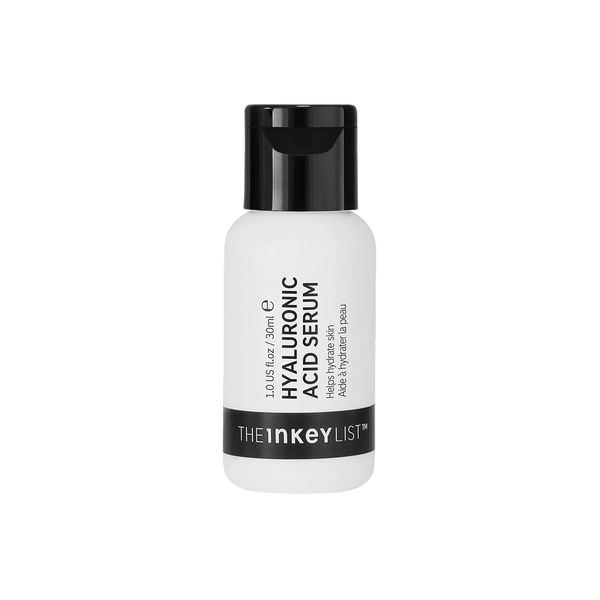
The practical version looks like this. A peptide such as Matrixyl 3000 sits inside a formula like our Hyaluronic Acid Serum ($13), alongside hydrating ingredients, at a concentration determined by cosmetic safety assessment, applied with clean fingertips. That is a cosmetic act, not a pharmacological one, and it should not be evaluated as though it were.
Skincare peptides and injectable peptides share a name, a chemistry classification and almost nothing else.
Having separated the categories, it is worth understanding what topical peptides actually do on skin, because that mechanism determines which side effects are plausible and which are not.
How peptides actually work on skin
Peptides are short chains of amino acids that act as messengers. Applied topically, they signal to skin to support processes tied to firmness, hydration and barrier strength. Different peptides send different messages, which is why a peptide in a lip balm and a peptide in an eye cream do distinct jobs. They work gradually and cumulatively rather than dramatically, and they do not exfoliate, resurface or accelerate cell turnover. That mechanism, signaling rather than stripping, is why their side effect profile is as quiet as it is.
That is the short version. For the full breakdown of peptide types, how they are classified and what each one does, read our complete guide at our peptides page.
Peptide side effects: what is and is not realistic
With the mechanism clear, the side effect question becomes much easier to answer honestly. Peptides are not inert, and no ingredient applied to skin has a zero percent reaction rate. But the realistic risks are narrow and mild.
Realistic, uncommon and mild
What can genuinely happen:
- Mild tingling on application. Usually transient, often related to other ingredients in the formula rather than the peptide.
- Temporary redness. Typically settles within minutes and does not recur once skin has adjusted.
- Irritation. Uncommon, and more often traced to fragrance, preservatives, or the sheer number of actives layered at once.
- Allergic sensitization. Rare, but genuinely possible with any cosmetic ingredient. More on this next.
The most useful thing to understand is that when someone reacts to a peptide product, the peptide is often not the culprit. Formulas contain many ingredients. Fragrance and preservatives are far more common triggers for contact reactions than peptides are. Blaming the headline active is instinctive, but frequently wrong.
The evidence supports this. A systematic review and meta-analysis published in PubMed Central examined nineteen randomized controlled trials covering 1,341 participants, looking at both oral and topical peptides for skin aging.
“Peptides are well-tolerated with minimal adverse events reported across trials. Most participants tolerated peptides well, whether administered orally or topically. No severe adverse events or safety concerns were observed across any of the trials, indicating a favorable safety profile for peptide treatments.” Systematic review and meta-analysis of nineteen randomized controlled trials, 1,341 participants, PubMed Central
Worth noting: the few mild side effects recorded, such as gastrointestinal discomfort, were associated with oral peptide intake rather than topical application. Even within the research literature, the small amount of trouble that shows up attaches to the delivery route that is not the one you are using.
This is reinforced at ingredient level by the Cosmetic Ingredient Review’s safety assessment of skin and connective tissue derived proteins and peptides used in cosmetics, an independent review of how these ingredients behave in cosmetic formulations.
What peptides will not do
Equally important is the list of things peptides cannot do, because a lot of anxiety about actives is inherited from other ingredient categories and applied where it does not belong:
- They do not thin the skin. This concern is borrowed from topical steroids and does not transfer.
- They do not create sun sensitivity the way some other actives can.
- They do not need to be cycled. There is no established reason to take breaks.
- They do not require a tolerance-building period. No starting twice weekly and working up.
Now the honest half. Peptides are not a dramatic overnight ingredient. If you are expecting the visible immediacy of a strong acid or the well-documented potency of a retinoid, peptides will disappoint you on that timeline. They work gradually, results accumulate over weeks and months, and consistency matters more than concentration. Do peptides work? The evidence supports meaningful benefits for firmness, hydration and the appearance of fine lines over time. What it does not support is transformation in two weeks.
Saying that plainly costs us nothing and earns something. An ingredient gentle enough to use twice daily indefinitely is, almost by definition, not going to produce shock results. Those two properties are the same property described from different angles.
To go deeper on the mechanism, we have written specifically about the science behind Matrixyl 3000, the peptide we use most. And because most peptide questions are really collagen questions underneath, our guide to collagen for skinis a useful companion read.
That covers the general picture. Two specific reactions come up more than any others.
Can peptides irritate or cause an allergic reaction?
Irritation from peptides themselves is uncommon. Where it occurs it is usually mild, and it frequently relates to the wider formula rather than the peptide within it. Understanding the difference between the two things people call “a reaction” makes it much easier to work out what actually happened.
Irritation is a direct response to something applied. It appears quickly, often on first or early use, and it is dose and concentration dependent. Stinging, transient redness, a tight or uncomfortable feeling. It usually resolves once you stop using the product, and it does not necessarily mean you can never use that ingredient again in a gentler formulation.
Allergic sensitization is different. It is an immune response, it can develop over time with repeated exposure to an ingredient you previously used without issue, and once established it tends to persist. This is why someone can use a product happily for months and then start reacting to it.
Allergic reaction to cosmetic peptides is rare but not impossible, and it is worth knowing what one actually looks like rather than guessing:
- Persistent redness that does not settle shortly after application
- Itching that continues rather than fading
- Swelling, particularly around the eyes or lips
- A rash, bumps or scaling where the product was applied
- Symptoms that worsen with continued use rather than improving
If that describes what is happening to your skin, stop using the product and see a dermatologist or your doctor.Do not push through on the assumption that skin needs to adjust. Adjustment is real with some actives, but a worsening reaction is not adjustment.
Research on synthetic peptides in cosmetics for sensitive skin published in PubMed Central supports the broader position that peptides are generally well suited to reactive skin, which is part of why they appear so widely in formulations aimed at people who cannot tolerate harsher actives.
Do peptides cause breakouts or purging?
No.
Peptides do not cause purging. There is no mechanism for it. Purging is associated with ingredients that accelerate cell turnover, principally retinoids and exfoliating acids, which bring existing congestion to the surface faster than it would otherwise arrive. That temporary flare-up is the visible consequence of speeding up a process already underway beneath the surface.
Peptides work by signaling. They do not accelerate turnover, so there is nothing for them to push to the surface early. Whatever is happening on your skin after starting a peptide product, it is not a purge. Our full explanation of what skin purging actually is covers which ingredients genuinely cause it and how to tell the difference.
The honest caveat: people do sometimes break out after starting a new peptide product, and dismissing that experience would be unhelpful. But the likely explanations are elsewhere.
The most common is the base formula. Peptides frequently appear in richer creams and eye products, because that is where their benefits are most relevant. If you have acne-prone skin and you have just introduced a heavier, more occlusive moisturizer, the texture and weight of that formula is a far more plausible cause than the peptide suspended in it. Look at the richness of the base rather than the headline active.
Other possibilities are worth ruling out. Another ingredient in the formula. Something else that changed in your routine at the same time. Hormonal timing. Or simple coincidence, which is genuinely common and rarely considered, because we notice the new product and not the fourteen other variables.
The practical fix is not to abandon peptides. It is to look for a lighter delivery format. A peptide in a fluid serum behaves very differently on acne-prone skin than the same peptide in a rich balm. If you are reactive or congestion-prone, patch testing before full use is the single most useful habit you can build, and our sensitive skin hub is a good route in if that describes you.
With reaction risk covered, the next questions are about frequency. How often, for how long, and alongside what.
Are peptides safe to use every day, long term?
Yes. Peptides are suitable for daily use, morning and night, for most people.
This is one of the genuine practical advantages of the category. No building up slowly. No cycling on and off. No established reason to take breaks, no buffering technique to learn, no alternating-nights schedule to manage. You apply them, and then you keep applying them.
On long-term use specifically: there is no evidence peptides become less effective over time, and no evidence extended use causes problems. The idea that skin “gets used to” an ingredient and needs a break is largely a misapplication of pharmacological tolerance to a context where it does not apply. Because peptides work cumulatively, consistency is not just permitted, it is the entire point. Stopping and restarting works against the mechanism.
A moisturizer is the most natural daily peptide step for exactly this reason. It is the part of a routine people rarely skip, which makes it the easiest place to build the consistency the ingredient rewards. Our Peptide Moisturizer ($18) is built on that logic.
Layering safety: peptides with retinol, vitamin C, niacinamide and acids
Peptides are one of the easiest actives to combine. Most layering anxiety around them is inherited from genuinely tricky ingredient pairings and applied where it is not warranted. Here is each pairing, resolved.
Peptides and retinol
Compatible. Use together.
Peptides and retinol are not in conflict, and the pairing is often complementary. Retinol is a well-evidenced active that some people find challenging to tolerate, particularly during the adjustment period. Peptides, being gentle and barrier-supportive, sit comfortably in the same routine while retinol does its work.
There is no chemical incompatibility to manage. If your skin is struggling with retinol, the answer is usually to reduce retinol frequency rather than remove the peptide. We have covered the comparison in detail in peptides vs retinol, which is the right read if you are deciding whether you need both or one. If you are building a routine around retinol more broadly, what not to mix with retinol is the practical companion, and our retinol hub covers the ingredient itself.
Peptides and vitamin C
Compatible. Use together.
You may have encountered the claim that peptides and vitamin C cancel each other out. This is outdated and overstated. It originates largely from discussions about older copper peptide formulations, where the interaction concern was specific to copper, and it has since been generalized into a blanket rule that was never accurate for peptides as a category.
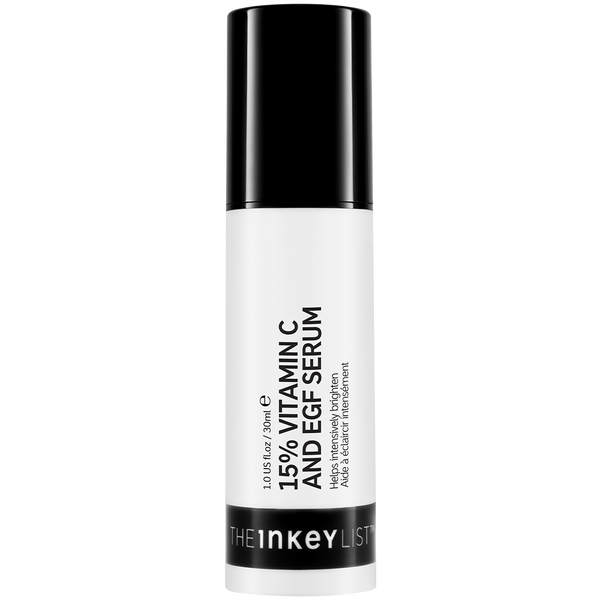
The clearest demonstration is a formula that deliberately does both. Our 15% Vitamin C + EGF Serum ($20) pairs a stable vitamin C with a peptide in a single product. You do not build a formula that way if the two ingredients neutralize each other. For more on the vitamin C side, our vitamin C hub covers stability and formulation in depth.
Peptides with niacinamide and acids
Generally compatible.
Niacinamide and peptides sit together without issue and appear in countless formulations side by side. Exfoliating acids are also fine alongside peptides in a routine.
The only genuine practical note concerns very low pH acid formulas. Some peptides perform best outside strongly acidic conditions, so if you use a potent direct acid, applying it at a different time of day from your peptide step is sensible. To be clear, this is a formulation efficacy consideration, not a safety risk. Nothing harmful happens if they meet. You may simply get less from your peptide than you paid for.
Peptides and sun protection
No conflict.
Peptides do not increase sun sensitivity. Unlike certain other actives, they carry no photosensitivity consideration, and nothing about using a peptide changes how your skin responds to daylight.
That said, daily sun protection remains the most effective thing anyone using actives can do for the long-term appearance of their skin. Sun exposure is the dominant driver of visible aging, and no ingredient in a routine outperforms simply protecting skin from it. That is a general principle rather than a peptide-specific instruction, and it applies regardless of what else is in your routine.
To close the section, the general layering rule holds:
- Cleanse first, always onto clean skin.
- Apply water-based products before oil-based ones.
- Layer thinnest to thickest in texture.
- Finish with your moisturizer to seal the routine.
- If in doubt, simplify. A short routine done consistently outperforms a long one done erratically.
Our guide to what products you should not layer together is the definitive internal resource if you want the complete picture, and ceramides and peptides, do you need both answers the obvious follow-up about barrier ingredients. If you are building from scratch, start with our skincare routine guide.
Routine safety covered, some groups have more specific questions.
Are peptides safe during pregnancy and while breastfeeding?
Topical peptides are generally considered a lower-risk option during pregnancy, and they are frequently suggested as an alternative for people avoiding retinoids.
We cannot give medical advice. If you are pregnant or breastfeeding, review your full skincare routine with your OB-GYN or doctor. That advice is specific to you, your pregnancy and everything else you are using, and no article can replace it.
With that caveat properly stated rather than buried, here is the genuinely useful context. Skincare concerns during pregnancy typically center on a small number of specific actives, retinoids foremost among them, where the advice is to avoid. The practical question people then face is what to use instead, and peptides are commonly where they move. They are gentle, they work at the skin’s surface, and they occupy a similar space in a routine to the ingredients being set aside.
That is why the pregnancy question comes up so often. It is rarely fear that peptides are dangerous. It is people looking for a sensible substitute and wanting to be sure before they commit. Our guide to pregnancy-safe skincare covers the wider routine properly.
It is also worth answering a related question plainly, because it gets asked frequently: there is nothing sex-specific about topical peptide safety. The considerations are identical for everyone. Pregnancy is a circumstance rather than a category of person, and outside of it there is no separate set of rules for women, men or anyone else.
Are peptides safe for teens?
Peptides are not harmful for teenagers, but they are largely unnecessary.
This is a case where the honest answer and the commercially convenient answer are not the same, so here is the honest one. Teenage skin produces collagen efficiently. The firmness, fine line and aging benefits peptides are known for address a decline that has not started yet. Applying a peptide to skin already doing the job well is not dangerous, it is simply not doing very much.
A teenager’s routine is better served by the basics, done properly:
- A gentle cleanser, used twice daily
- A simple moisturizer suited to their skin type
- Daily sun protection, genuinely the highest-value habit at that age
- Targeted treatment for acne if needed, introduced one product at a time
That is it. Our guide to teenager skincare sets out a sensible starting routine in full.
Are peptides safe for kids?
Skincare actives of any kind are not appropriate for young children.
A child’s routine should stay limited to gentle cleansing and, where needed, a simple moisturizer. Nothing else is required, and adding actives brings risk without benefit, since children’s skin is not experiencing any of the concerns actives are formulated to address. This is not a caution about peptides specifically. It applies across the board, and it applies with more force the younger the child. If a child has a persistent skin concern, see a pediatric dermatologist rather than reaching for an adult active.
Are peptides safe for sensitive, rosacea-prone or barrier-damaged skin?
Peptides are among the better tolerated active categories and often suit reactive skin well, particularly in barrier-supporting formulations.
The research on synthetic peptides in cosmetics for sensitive skin supports this, and the reasoning is mechanical. Reactive skin typically struggles with ingredients that exfoliate, disrupt or accelerate turnover. Peptides do none of those things. They signal.
That said, “generally well tolerated” is not “guaranteed fine for you”, and sensitive skin deserves a careful approach whatever the ingredient:
- Patch test first. Apply to a small discreet area for several days before committing to full-face use.
- Introduce one product at a time. If you add three things at once and react, you have learned nothing about which one caused it.
- Repair the barrier first. If your barrier is currently compromised, stripped, stinging or flaking, pause on adding anything new. Focus on gentle cleansing, hydration and barrier support until skin has settled, then reintroduce.
- Watch the whole formula. Fragrance and high alcohol content are more likely culprits for reactive skin than the peptide itself.
For anyone in that position, a lightweight hydrating option is often the gentlest entry point. Our Hyaluronic Acid Serum($13) contains Matrixyl 3000 in a simple hydrating base, which makes it a low-commitment way to see how your skin responds to a peptide.
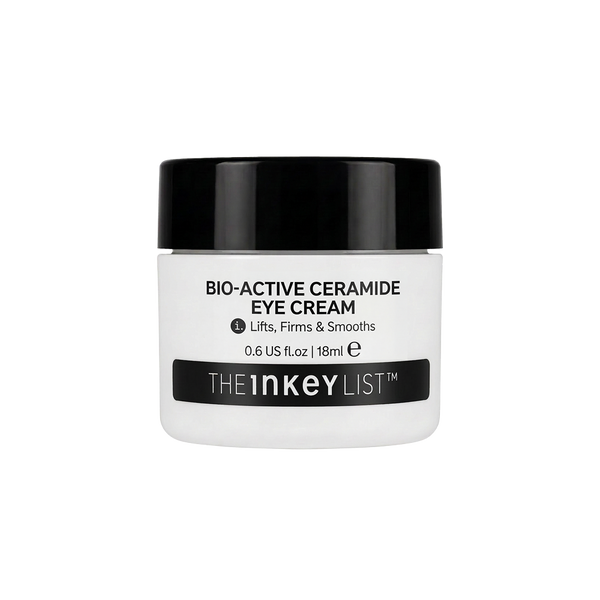
The eye area deserves specific mention, because it is the thinnest, most reaction-prone skin on the face. Our Bio-Active Ceramide Eye Cream ($16) is fragrance-free, alcohol-free, dermatologist and ophthalmologist approved, and specifically tested for use around the sensitive eye area. It pairs a Tetrapeptide Complex with barrier-supporting Bio-Active Ceramide NP, which demonstrates that peptide formulas can be built deliberately for reactive skin rather than merely tolerated by it.
If you want to work outward from your own skin rather than from the ingredient, our 10 most common skin concerns guide and sensitive skin hub are the right starting points.
One peptide type comes with a separate conversation attached.
Copper peptides: why they are discussed differently
We do not sell copper peptides. We are answering this because readers keep asking, and there is no version of this article that is complete without it.
That transparency matters, because it means we have no commercial reason to talk them up or down. What follows is simply what they are.
A copper peptide is a peptide bound to copper. The copper is not incidental, it is central to how the ingredient is understood to function, and it is also why copper peptides are discussed separately from peptides generally. They carry a longer history of debate around compatibility with other actives, particularly vitamin C and direct acids, where the concern is that combining them may affect the stability or performance of one or both. This is the specific origin of the broader myth that peptides and vitamin C cannot be used together, which was never true of peptides as a whole.
Copper peptide side effects
Copper peptides can be more prone to causing irritation in some people than other peptides, particularly at higher concentrations. What is realistically reported:
- Irritation, most commonly at higher concentrations
- Redness, usually transient
- Sensitization, rarely
The important framing is that these concerns relate largely to formulation and concentration rather than to the ingredient being inherently unsafe. Copper peptides have a long history of cosmetic use and a substantial body of interest behind them. Someone using a well-formulated copper peptide product without issue has no reason to stop on the strength of anything written here.
That is the complete answer. There is no pivot coming, and no suggestion you should buy something of ours instead.
Are peptides natural? Are they vegan?
Both questions are really asking the same underlying thing: where does this ingredient come from, and should that change how I feel about it?
On the natural question, the answer has two halves people often collapse into one:
- Peptides occur naturally. They exist in the human body and throughout nature. They are fundamental biological components, not laboratory inventions. The Harvard Health overview is clear that peptides are naturally occurring compounds.
- The ones in cosmetics are typically made synthetically. Peptides used in skincare are generally produced in controlled conditions for stability, consistency and purity.
Synthetic does not mean inferior, and it certainly does not mean unsafe. Here it usually means more predictable, more reliably tested and more consistent from batch to batch. A synthesized peptide has a known structure at a known concentration, which is precisely what allows it to be safety-assessed properly. The Cosmetic Ingredient Review assessment evaluates these ingredients as they are actually used in cosmetic products. We are not going to suggest natural is automatically better, because as a general principle about skincare ingredients it is not one we think holds up.
On the vegan question, the key distinction is with collagen. Collagen is where the animal-derived concern genuinely originates, since collagen used in cosmetics has historically been sourced from animals. Peptides used in cosmetic formulas are generally synthetic rather than animal-derived, which puts them in a different position entirely. Our guide to collagen for skin explains why the two get conflated.
The right advice is still to check the specific product rather than assuming across a category, because formulations contain many ingredients beyond the headline active. As a concrete example of what to look for, our Bio-Active Ceramide Eye Cream ($16) is certified by The Vegan Society, which is the kind of third-party certification worth scanning a product page for.
A related query comes up around EGF, which prompts the same synthetic-versus-derived question. We have addressed that in what is EGF. And for the full breakdown of which peptides we use and why, our peptides page has the detail.
Underpinning all of this is the framework determining whether any cosmetic product reaches a shelf in the first place.
How peptides are regulated in the US
Cosmetics in the United States are regulated by the FDA, and understanding how changes what the safety question even means.
Cosmetic or drug? Why the distinction matters
The single most important concept in US cosmetics regulation is the line between a cosmetic and a drug. That line is determined by the product’s intended use and the claims made about it, not by the ingredient inside it. The FDA sets this out directly in its guidance on whether a product is a cosmetic, a drug, or both.
In practice:
- A peptide moisturizer making cosmetic appearance claims is a cosmetic. Claims about the look of skin, hydration or the appearance of fine lines sit in cosmetic territory.
- A product claiming to treat or prevent a disease, or to alter the structure or function of the body, is a drug.The same ingredient in the same formula can change category based purely on what the label claims.
- MoCRA, the Modernization of Cosmetics Regulation Act, substantially expanded FDA oversight. It introduced requirements around facility registration, product listing, adverse event reporting and safety substantiation, representing the most significant update to US cosmetics regulation in decades.
There is no legal category called “cosmeceutical” in the United States. It is a marketing term, not a regulatory one. If you have seen it on packaging and assumed it signified some intermediate tier of regulatory approval, it does not. A product is a cosmetic, a drug, or both.
Here is why this matters to the question you came here with. A peptide product sold as a regulated cosmetic sits within a framework requiring safety substantiation, facility registration and adverse event reporting. An unapproved research peptide bought from an unregulated online seller sits within none of that, which is precisely why several appear on the FDA’s list of bulk drug substances that may present significant safety risks. Both might be described as “peptides”. Only one has been assessed for the use you are putting it to.
That closes the loop on everything in section one. The disambiguation is not just chemical, it is legal and structural.
How to use peptides safely: patch testing and building a routine
Regulation handles the product. This handles the routine.
- Patch test before first full use. Apply a small amount to a discreet area for several days, especially if your skin is reactive.
- Introduce one new product at a time. Give each several weeks before adding anything else, so you can attribute any change accurately.
- Apply to clean skin. Actives work best on a clean surface without competing residue.
- Layer thinnest to thickest. Serums before creams, water-based before oil-based.
- Be consistent. Peptide results build over time. Sporadic use is the most common reason people conclude an ingredient does not work.
Stop and seek advice if you experience persistent redness, itching, swelling or a rash that does not settle. See a dermatologist. Our guides to patch testing and building a full routine cover both in more depth.
Our peptide range and what is in it
For completeness, here is where peptides appear across our range. You can browse the full peptide collection.
- Peptide Moisturizer, $18.
- Hyaluronic Acid Serum, $13. Matrixyl 3000.
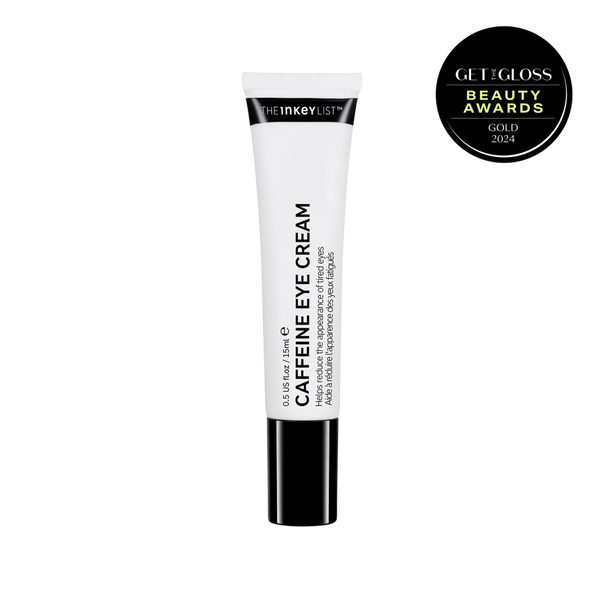
- Caffeine Eye Cream, $14. Matrixyl 3000.
- Bio-Active Ceramide Eye Cream, $16. Tetrapeptide Complex and 0.2% Bio-Active Ceramide NP.
- 15% Vitamin C + EGF Serum, $20.
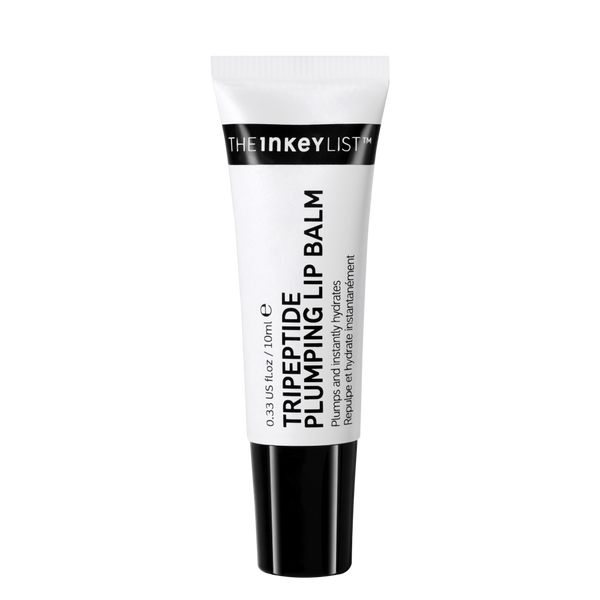
- Tripeptide Plumping Lip Balm, $14.
Two of these use Matrixyl 3000, which we have written about in the science behind our most used peptide. The lip balm gets its own deeper read in the science behind Tripeptide Plumping Lip Balm.
The bottom line on peptide safety
Topical cosmetic peptides are considered safe for most people. Side effects are uncommon and usually mild, the strongest available evidence points to minimal adverse events across controlled trials, and the safety concerns circulating online relate overwhelmingly to injectable and oral peptides rather than anything you would apply from a bottle.
Three things carry most of the practical value. Patch test before you commit. Introduce one product at a time so you can tell what is doing what. And stay consistent, because peptides reward patience rather than intensity.
If you are pregnant, breastfeeding or managing a diagnosed skin condition, speak to a dermatologist or your doctor about your full routine. That advice is specific to you in a way no article can be.
Perhaps the most useful thing to take away is this: the reason peptides generate so much safety anxiety is not that they are risky. It is that one word is doing the work of three entirely separate categories. Once you separate them, the question mostly answers itself. For the complete ingredient explainer, our peptides page has the full detail.
If you would like to explore where peptides sit in our range, browse the peptide collection. Our Peptide Moisturizer($18) is the simplest daily starting point if you want one step rather than a routine overhaul. Shipping is free on your first order. At INKEY, we give a care.
Frequently Asked Questions
Got a question?
Our askINKEY team are a friendly bunch of skincare experts with deep product knowledge and zero judgement. Whether you're an ingredient obsessive or just starting out, we'll make it make sense. No question too big. No question too small. We Give A Care, Every Day.


