

Is Azelaic Acid Safe in Pregnancy?
Dermatology guidelines list azelaic acid among the options thought to be safe in pregnancy. Here is what that means for percentages, melasma and nursing.
Author
askINKEY skincare advisor
Published
20 September, 2026
Time to read
13 minutes
Is azelaic acid safe in pregnancy? This article answers that question directly, and then goes further than a one-line verdict can. You will find what leading dermatology bodies actually say, why systemic absorption sits at the center of the conversation, how prescription strengths differ from cosmetic ones, what the picture looks like across trimesters, where breastfeeding fits in, and how azelaic acid is discussed in relation to breakouts, redness and melasma.
Pregnancy changes skin for a lot of people, and it rarely asks permission first. Hormonal shifts can bring breakouts to someone who has not had them since their teens, leave previously calm skin flushed and reactive, or deepen patches of pigmentation across the cheeks and forehead. Most questions about azelaic acid come from exactly that place: a routine that suddenly needs rethinking, a list of ingredients now off the table, and a genuine need to know what is still on it. If you want the whole routine rather than this single ingredient, our full guide to pregnancy safe skincare covers that ground properly.
Here is what this article covers:
- What the published evidence says, and who says it
- Percentages, and why 10%, 15% and 20% are not the same conversation
- Whether the answer changes by trimester
- Breakouts, redness and melasma during pregnancy
- Azelaic acid while breastfeeding
- How to use it sensibly, and what most people pause instead
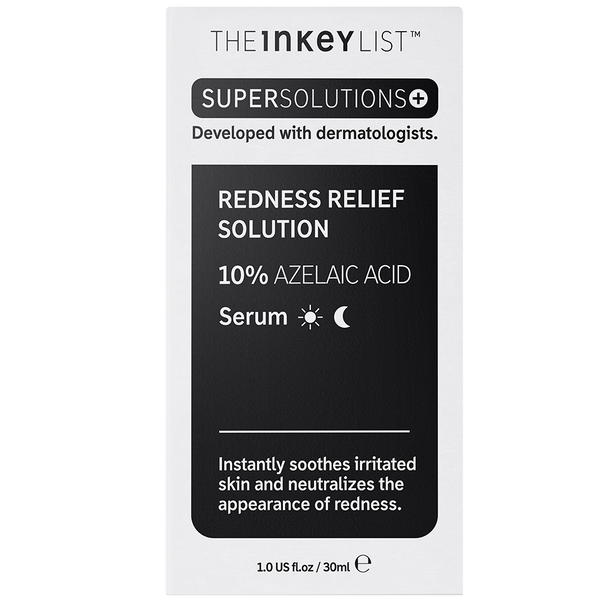
Two links worth having up front. If you are weighing up a specific formula, our 10% Azelaic Acid Serum for Redness Relief is a 10% cosmetic serum, and that distinction between cosmetic and prescription is one this article returns to repeatedly, because it genuinely matters. If your question is really about the ingredient itself rather than pregnancy, our azelaic acid ingredient page is the better starting point.
A note before we go further. This article is educational, and it explains what the published evidence says. It is not personal medical advice, and it cannot account for your individual pregnancy, your medical history or anything you have been prescribed. If you are pregnant or nursing, please check with your doctor or OB-GYN before starting or continuing any active ingredient. That is not a disclaimer we are hiding behind. It is genuinely the right next step.
Is Azelaic Acid Pregnancy Safe? The Short Answer
Yes, broadly speaking. Azelaic acid is listed by leading dermatology bodies among the options thought to be safe during pregnancy, and it is one of the few well-known actives that consistently lands on the suitable side of the line rather than the pause-it side. The American Academy of Dermatology’s guidance on treating breakouts during pregnancy states plainly that azelaic acid is thought to be safe to use during pregnancy. That is the evidential backbone of the answer, and it comes from the most recognized dermatology authority in the United States.
Now the qualification, because the answer is not complete without it. Almost all of the published safety evidence concerns prescription strengths of 15% and 20%, and the reassurance rests largely on the fact that topical azelaic acid shows limited systemic absorption. In other words, very little of it gets past the skin and into the bloodstream.
That leads to a distinction worth drawing early rather than burying. Our 10% Azelaic Acid Serum for Redness Relief ($20) is a cosmetic formula. It is not a prescription medication, and it is not a treatment for any pregnancy-related condition. It is a skincare product formulated with azelaic acid that helps visibly reduce redness. Those are different categories of thing, and we would rather say so clearly than let the evidence for one quietly imply something about the other.
Azelaic acid is thought to be safe during pregnancy according to leading dermatology guidance, with limited systemic absorption cited as the reason. Most published evidence concerns prescription strengths of 15% and 20%. General guidance is not personal guidance, and the final call belongs to a doctor or OB-GYN who knows your pregnancy.
Can you use azelaic acid when pregnant? For most people the guidance says yes. For you specifically, that is a conversation to have with your own doctor or OB-GYN.
Before looking at the evidence in detail, a quick refresher on what the ingredient actually is.
What Azelaic Acid Actually Is (The Short Version)
Azelaic acid is a dicarboxylic acid found naturally in grains such as wheat, rye and barley. It is also produced naturally on the surface of human skin, which is part of why it tends to be well tolerated. It is not an AHA and it is not a BHA, which is worth stating plainly, because readers who have just worked through a list of acids to pause often assume azelaic acid belongs in the same family. It does not.
In cosmetic terms, it is known for helping visibly reduce redness, supporting a more even-looking tone and helping keep pores clear. That combination explains why it dominates pregnancy skincare conversations: it speaks to several of the most common pregnancy skin concerns at once, at precisely the moment when a lot of other actives are being set aside. For the full picture on how it works, what to expect and how it compares to other ingredients, read our full azelaic acid ingredient guide. If your next question is about layering, our guide to using azelaic acid and niacinamide together answers it.
With the basics covered, here is what dermatology guidelines and published research actually say.
What Dermatology Guidelines Say About Azelaic Acid in Pregnancy
The clearest consumer-facing position comes from the AAD. In its guidance on treating breakouts during pregnancy, azelaic acid appears among the treatments thought to be safe, with the organization noting that animal studies did not show birth defects. For most readers, that is the single most useful sentence available, because it comes from a body whose entire purpose is setting the standard for dermatological care in this country.
The clinical literature goes further and is more precise. The AAD Guidelines of Care for the Management of Acne Vulgaris state that in patients who are pregnant, the risk of fetal harm from topical azelaic acid is not expected, based on limited expected systemic absorption. That sentence is doing a lot of work, and it is worth reading slowly. It is not a vague reassurance. It is a professional body explaining both its conclusion and its reasoning in the same breath.
Absorption is the crux of the whole conversation, and understanding why makes the rest of the evidence much easier to interpret. The concern with most actives during pregnancy is not what happens on the surface of the skin, it is what reaches the bloodstream and therefore has any theoretical route to the developing baby. An oral medication is absorbed by design. A topical product that largely stays where it is applied is a fundamentally different proposition. Azelaic acid falls firmly into the second category.
The absorption figure, in plain numbers: review literature on acne treatment during pregnancy and lactation describes topically applied azelaic acid as minimally absorbed, with figures in the region of 4 to 8% of the applied dose reaching systemic circulation, and no adverse fetal effects reported. The overwhelming majority of what you apply stays in the skin, doing its work locally.
That figure comes from a published review of acne treatment in pregnancy and lactation, and it is the most concrete number on this page. It is worth treating as a range rather than a precise constant, because reported absorption varies with formulation, concentration and how much is applied. The direction of travel, though, is consistent across sources: very little gets in.
For readers who want to check other products and exposures rather than just this one, MotherToBaby’s fact sheet on topical acne treatments is genuinely worth bookmarking. It is a dedicated, plain-language resource on medication and chemical exposures during pregnancy, written for people rather than for clinicians, and it covers far more ground than any single brand article can.
Now the honest part. Large controlled trials in pregnant populations are rare and ethically difficult, and that is true across essentially every skincare ingredient, not just this one. Nobody runs a randomized trial that deliberately exposes pregnant participants to an ingredient to see what happens. So when guidance says azelaic acid is thought to be safe, that phrasing is doing something specific. It reflects a combination of low systemic absorption, decades of clinical use, animal data that did not flag malformations, and professional consensus. It does not reflect one definitive human trial, because that trial does not exist and realistically never will.
We would rather tell you that than imply a level of certainty the evidence does not support. Here is what the bodies collectively say:
- AAD, consumer guidance: azelaic acid is thought to be safe to use during pregnancy
- AAD Guidelines of Care: risk of fetal harm from topical azelaic acid is not expected, given limited expected systemic absorption
- Review literature: minimal systemic absorption, no adverse fetal effects reported
- MotherToBaby: a practical, independent resource for checking exposures during pregnancy
- The shared caveat: general guidance never replaces a conversation with your own doctor or OB-GYN
Since that evidence centers on prescription strengths, percentages are the next logical question.
What Percentage of Azelaic Acid Is Safe During Pregnancy?
This is where most of the confusion lives, and it is worth untangling properly. The numbers attached to azelaic acid are not interchangeable, and the difference between them is not just strength. It is regulatory category.
What Percentage of Azelaic Acid Is Safe During Pregnancy
In the United States, prescription azelaic acid is typically formulated at 15% or 20%. Those are registered medications, prescribed by a clinician for specific diagnosed conditions, and that is exactly where the published safety literature sits. When the AAD Guidelines of Care refer to topical azelaic acid, they are referring to that prescription context.
Cosmetic azelaic acid formulas are generally lower, commonly around 10%. These are skincare products rather than medications. They are not prescribed, they are not registered drugs, and they are not intended to treat diagnosed conditions. They are formulated to deliver visible cosmetic outcomes, which is a meaningfully different job.
So the honest framing is this: the safety conversation in the published evidence is a conversation about prescription strengths, and the reassurance in that evidence rests on how little of the ingredient is absorbed even at those higher concentrations.
Is 10% Azelaic Acid Safe for Pregnancy?
The logical position is straightforward. If limited systemic absorption at 15% and 20% is the reason those strengths are not expected to pose a risk of fetal harm, then a lower cosmetic concentration is not a greater concern than the higher strengths that have actually been studied. That is context worth having, and it is the reason cosmetic azelaic acid comes up so often in pregnancy-safe skincare conversations.
It is context, though, and not a safety guarantee for any individual product. Formulas differ. Skin differs. Pregnancies differ. A percentage on a label tells you one thing about a product and nothing at all about how your own skin, at this particular point in your pregnancy, will respond to it.
Our 10% Azelaic Acid Serum for Redness Relief ($20, 30ml) sits in that cosmetic category. It is clinically proven to minimize redness in 4 days and to soothe skin that feels irritated, and it is suitable for sensitive and rosacea-prone skin. Those are the claims we can evidence, and they are the only ones we will make.
Is 15% or 20% Azelaic Acid Safe During Pregnancy?
These are the strengths the evidence actually addresses, and the guidance covered above applies to them directly. The AAD Guidelines of Care do not expect fetal harm from topical azelaic acid, and that statement is grounded in the prescription context.
But there is a practical point that matters more than the percentage. If you have been prescribed azelaic acid at 15% or 20%, the decision about whether to continue, pause or change it belongs to the clinician who prescribed it. Not to a skincare article, including this one. Prescriptions are issued for a reason, with knowledge of your history, and stopping one unilaterally because of something you read online is rarely the right move. Talk to your prescribing doctor or your OB-GYN before changing anything.
The distinction we will not blur. Our 10% Azelaic Acid Serum for Redness Relief is a cosmetic product. It is not a drug, not a medical treatment, and it is not positioned as a treatment for acne, rosacea, melasma or any other pregnancy-related condition. It is formulated to help visibly reduce redness and support clearer-looking skin. The published safety evidence discussed in this article concerns prescription-strength azelaic acid, and we are not borrowing that evidence to make medical claims about a cosmetic serum. If you need treatment for a diagnosed condition during pregnancy, that conversation belongs with your doctor or OB-GYN.
With strengths clarified, the next question is usually about timing.
Azelaic Acid While Pregnant: Trimesters, Breakouts, Redness and Melasma
Pregnancy is not one continuous experience, and skin rarely behaves the same way in week eight as it does in week thirty. Here is how the picture looks across the timeline and across the three concerns that drive most of this search.
Is Azelaic Acid Safe in the First Trimester?
The first trimester generates the most searches and the most anxiety, which makes complete sense. It is the period of most rapid development, and it is when people are most cautious about everything from coffee to cleaning products.
The honest answer is that the low-absorption picture does not change by trimester. Azelaic acid is not among the ingredients typically flagged specifically for first-trimester avoidance, and the guidance discussed above is not trimester-dependent. That said, plenty of people choose to simplify their routine right down in the early weeks, keeping things to a cleanser and a moisturizer until they feel settled. That is a completely valid personal choice, and there is nothing wrong with pausing an active simply because you would rather. If you want to check anything else in your routine while you are at it, MotherToBaby is the practical place to do it. And confirm with your doctor or OB-GYN, who can factor in everything else going on.
Azelaic Acid in the Second and Third Trimesters
The second and third trimesters are typically when skin changes become most visible. Breakouts that appeared early sometimes settle in for the duration. Pigmentation often deepens, particularly across the cheeks, upper lip and forehead. Skin can feel more reactive than it used to.
The guidance itself does not shift. What often shifts is how much the changes are bothering you, which is usually what prompts the search in the first place. Nothing about the later stages of pregnancy changes the absorption picture for topical azelaic acid.
Pregnancy Breakouts and Blemishes
Hormonal shifts during pregnancy commonly drive increased oil production, which can lead to congestion and breakouts. For a lot of people this is genuinely disorienting, because they have not dealt with blemishes since their teens and none of their old habits are available to them now. Pregnancy acne is extremely common and it is not a sign you have done anything wrong.
Azelaic acid comes up constantly in this context precisely because it is one of the options dermatology guidance considers suitable. What we will not do is tell you our cosmetic serum treats pregnancy acne, because that would be a drug claim about a product that is not a drug. If breakouts during pregnancy are significant, persistent or distressing, a doctor or OB-GYN can talk you through options that a skincare article cannot.
Redness and Reactive Skin
Pregnancy can leave skin noticeably more reactive, flushed and quick to react to things that never used to bother it. Increased blood volume and hormonal change both play a part, and it is one of the most commonly reported and least discussed pregnancy skin experiences.
This is where our 10% Azelaic Acid Serum for Redness Relief genuinely belongs in the conversation, because visible redness is precisely what it is formulated and tested for.
Clinically proven to minimize redness in 4 days and soothe skin that feels irritated. Suitable for sensitive and rosacea-prone skin.
That is a cosmetic claim about visible redness, and it is the strongest evidenced statement we can make about the formula. It is not a claim about treating any condition, during pregnancy or otherwise.
Melasma During Pregnancy
Melasma is one of the most emotionally charged pregnancy skin concerns, and it deserves its own honest treatment rather than a passing mention. It shows up as patches of darker pigmentation, most commonly on the cheeks, forehead, upper lip and jawline. It is sometimes called the mask of pregnancy, and it is driven by a combination of hormonal change and sun exposure.
A few things are worth knowing. Azelaic acid is frequently discussed in the context of uneven-looking tone, which is why it appears so often in melasma conversations. Melasma often improves after pregnancy, though not always and not always completely. It is strongly aggravated by sun exposure, which means sun protection does more for it than almost anything else. And it frequently benefits from professional input, because it can be stubborn and because approaches that work for one person do not always work for another.
If melasma is affecting you, a dermatologist or your OB-GYN is the right place to start. We are not going to suggest that a cosmetic serum resolves it, because that would not be true and you deserve better than an overpromise from a skincare brand.
On sun protection: daily sun protection matters a great deal where pigmentation is a concern, and it is the single most useful habit for anyone dealing with melasma. Broad-spectrum protection, applied consistently, plus shade and a hat when the sun is strong.
These questions do not stop at delivery, which brings us to breastfeeding.
Is Azelaic Acid Safe While Breastfeeding?
Azelaic acid is considered low risk while breastfeeding. The LactMed entry for azelaic acid, maintained as part of the National Library of Medicine’s Drugs and Lactation Database, describes topical azelaic acid as low risk to the nursing infant. Its reasoning is the same absorption logic that applies during pregnancy: only a small fraction of a topically applied dose is absorbed through the skin.
There is an additional detail that makes the picture more reassuring still. Azelaic acid occurs naturally in foods such as whole grains, and it is a normal component of blood and of breast milk already. It is not a foreign substance being introduced into a system that has never encountered it.
LactMed does add one specific and genuinely practical caveat, and it is one that rarely gets stated clearly anywhere else:
- Avoid applying azelaic acid to the breast or nipple, so there is no route to direct oral contact for your baby
- Keep treated skin from direct contact with your infant’s skin while product is still on it
- Apply to the areas you actually want to treat, then let it absorb before feeding or holding your baby against your face
- Using it is generally not considered a reason to stop breastfeeding
Postpartum brings its own round of hormonal change, and a lot of people find their skin shifts again in the months after birth. Breakouts can arrive late, redness can persist, and pigmentation can take time to fade. So the questions genuinely do not stop at delivery.
As always, check with your doctor or OB-GYN about your own situation, and a pediatrician can advise on anything specifically relating to your baby. MotherToBaby is a useful plain-language companion resource if you want to check other products too.
From whether to use it, to how to use it well.
How to Use Azelaic Acid Safely in Pregnancy
Understanding the evidence is one thing. Building a routine you can actually stick to while pregnant, tired and possibly nauseated is another. Keep it simple and keep it short.
Start Slowly and Patch Test
Introduce one new active at a time, so that if something does not agree with you, you know exactly what it was. Start a few times per week rather than daily and build from there. Apply to clean, dry skin. And patch test properly, which matters more than usual right now because pregnancy commonly makes skin more reactive than it was before. Apply a small amount to a discreet area, wait twenty-four hours, then proceed if all is well.
Cleanse Gently
Harsh cleansing is counterproductive on reactive skin. Our Oat Cleansing Balm ($17) removes the day without stripping, and it suits skin that has become easily irritated.
Hydrate and Support the Barrier
Hydration does a lot of quiet work when skin is unsettled. Our Hyaluronic Acid Serum ($13) draws moisture into the skin, and our Ectoin Hydro-Barrier Serum ($17) is a good option where the barrier feels compromised and skin is reacting to things it never used to.
Moisturize
Seal everything in. Our Bio-Active Ceramide Moisturizer ($22) supports the skin barrier with ceramides, which is exactly what reactive pregnancy skin tends to want.
Exfoliate Gently, If at All
If you want gentle exfoliation, our PHA Toner ($18) is a milder route than stronger acids. PHAs raise their own pregnancy questions, so read is PHA safe during pregnancy before adding it. On layering more broadly, our guide to using azelaic acid and niacinamide together covers a pairing people ask about constantly.
Daily sun protection belongs in this routine too, particularly if pigmentation or melasma is a concern. Broad-spectrum, every day, reapplied when you are outdoors.
Check it yourself. Products across our site carry a “Pregnancy and breastfeeding” suitability filter, so you can verify suitability directly rather than taking any single article’s word for it. We would genuinely rather you checked.
A routine is only half the picture, so here is the other half.
What to Pause Instead
Retinol and other retinoids are the ingredients most commonly paused during pregnancy, with salicylic acid and vitamin C frequently questioned alongside them. Rather than rebuild that list here, we have covered each one properly elsewhere. Anything you have been prescribed should be discussed with your doctor rather than stopped on your own.
- Our full guide to pregnancy safe skincare
- Retinol during pregnancy and breastfeeding
- Is salicylic acid safe during pregnancy
- Can you use vitamin C when pregnant
The Bottom Line on Azelaic Acid in Pregnancy
Azelaic acid is listed by leading dermatology bodies among the options thought to be safe during pregnancy, and the reason is consistent across every source: systemic absorption is limited, so very little of what you apply to your skin goes anywhere else. Most of the published evidence concerns prescription strengths of 15% and 20%, which is worth holding in mind when reading any brand’s reassurance on the subject. Our 10% Azelaic Acid Serum for Redness Relief is a cosmetic formula rather than a medication, and we draw that line deliberately rather than letting clinical evidence for prescription products imply something it should not. What we can evidence, we say. What we cannot, we do not.
One more time, because it matters. This article explains what the published evidence says. It is not personal medical advice, and every pregnancy is different in ways no article can anticipate. Please talk to your doctor or OB-GYN before starting or continuing any active ingredient while pregnant or nursing. They know your history, and this page does not.
If you want to keep exploring, our 10% Azelaic Acid Serum for Redness Relief is $20, and our full azelaic acid guidecovers the complete ingredient picture beyond pregnancy. For the wider routine, our guide to pregnancy safe skincareis the place to go. And whenever you want to check something for yourself, the “Pregnancy and breastfeeding” filter on our site lets you do exactly that, across the whole range.
Clear guidance, proven ingredients, real results. Then a conversation with your doctor or OB-GYN about what is right for you.
Frequently Asked Questions
Got a question?
Our askINKEY team are a friendly bunch of skincare experts with deep product knowledge and zero judgement. Whether you're an ingredient obsessive or just starting out, we'll make it make sense. No question too big. No question too small. We Give A Care, Every Day.


