


How Often Should You Use Glycolic Acid? Your Complete Frequency Guide
How often you should use glycolic acid depends on your skin, the format and where you're using it. Here's how to find your frequency.
Author
askINKEY skincare advisor
Published
05 August, 2026
Time to read
12 minutes
How often to use glycolic acid comes down to three things: how strong your product is, where on your body you are applying it, and what else is already in your routine. There is no single number that works for everyone, which is why most advice on this question is either too vague to act on or too rigid to follow.
This guide covers the short answer, what determines your personal frequency, a week by week build-up schedule for your face, whether to use it morning or night, where it goes in your routine including whether it belongs before or after moisturizer, how often to use it on your body and scalp, adjustments by skin type, how other actives change the math, the warning signs of overuse, and how long results actually take. Your face, body and scalp each need a different frequency, so this guide handles them separately. If you want the ingredient fundamentals first, what is glycolic acid has them. Otherwise, the short answer is next.
The Short Answer: How Often To Use Glycolic Acid
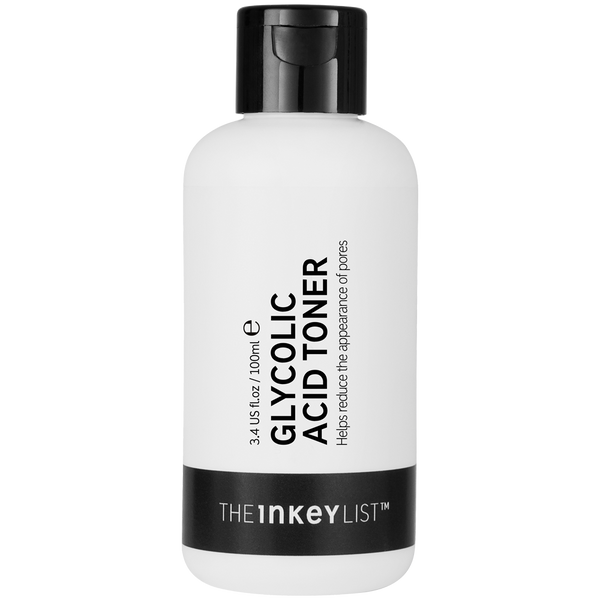
For a leave-on glycolic acid toner on your face, start with two to three nights per week and build gradually. Most people land at three to four nights weekly.
Across the three formats:
- Face (toner): two to three nights weekly to start, three to four nights weekly long term.
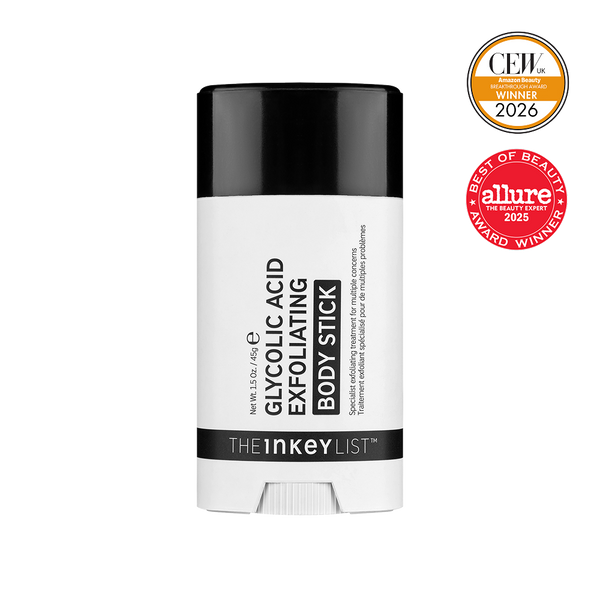
- Body (body stick): three times weekly to start, building toward daily if comfortable.
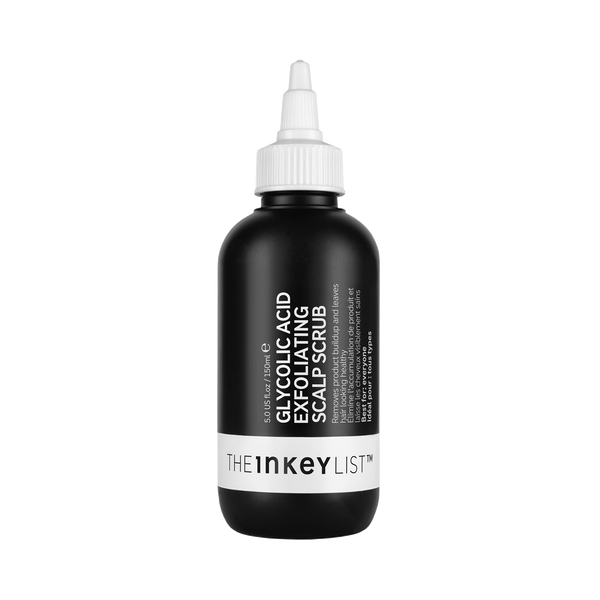
- Scalp (scalp scrub): once to twice weekly, on wash day.
Those numbers are different because the exposure is different. Our Glycolic Acid Toner ($18) covers your whole face and stays on. The body stick targets thicker skin. The scalp scrub is massaged in and rinsed out. See all three in the glycolic acid collection.
One principle governs all of it, and it comes from the American Academy of Dermatology: the more potent the exfoliant, the less often you should use it. Strength and frequency are linked dials. Push one up, pull the other down.
Can you use glycolic acid every day?
Some people can at lower strengths, but daily use is not the target and it is not what delivers results. The assumption behind “can you use glycolic acid daily” is that more often means faster progress. With exfoliating acids, that assumption falls apart. The nights between applications are when your skin does the repair work that makes exfoliation worth doing. Remove those nights and you are interrupting the process you are trying to accelerate.
Context on strength helps here. The Cosmetic Ingredient Review panel considers glycolic acid safe in consumer products at 10% or less with a pH of 3.5 or above. That is why an at-home toner is a fundamentally different proposition from a professional peel. A peel is a scheduled event with downtime. A toner is a routine step. They are not the same thing at different volumes.
Those are the headline numbers. Here is what moves them.
What Determines How Often You Can Use Glycolic Acid
Strength and formulation
Percentage is only one input. The pH of the formula determines how much acid is actually active on your skin, and contact time determines how long it has to work. A rinse-off product is generally gentler than a leave-on at the same percentage for exactly this reason.
Product format
Format is the organizing logic of this entire guide:
- Toner: full face, leave-on, thin skin. Lowest frequency ceiling.
- Body stick: targeted, leave-on, thick skin. Highest frequency ceiling.
- Scalp scrub: targeted, rinse-off. Sits in between.
Our Glycolic Acid Exfoliating Body Stick ($20) and Glycolic Acid Exfoliating Scalp Scrub ($14) are formulated for those distinct profiles.
Body area
Facial skin is thinner and more reactive than the skin on your arms, thighs or back. What your thigh tolerates daily, your cheek may not tolerate twice a week. Your scalp is its own separate case with its own limits.
Your skin type and barrier condition
Barrier condition frequently overrides skin type on paper. Resilient oily skin that has been over-exfoliated for a month needs to start slow. Well-maintained dry skin may handle more than expected. Not sure where you land? What’s your skin type will tell you before you reach the skin type section below.
The rest of your routine
Every active competes for the same tolerance budget. Retinol, vitamin C, salicylic acid and glycolic acid all draw from one finite account, and the total is what matters, not the individual entries. Full detail in its own section further down, and our guide to skincare acids covers how they relate.
How often should you exfoliate overall?
Worth zooming out for a moment. Most skin does well with exfoliation two to three times per week in total, counting everything. That is the number to hold in your head, because glycolic acid does not exist in isolation. If you are using a glycolic toner three nights a week plus a scrub on the weekend plus a salicylic cleanser daily, you are exfoliating six or seven times a week and calling it three.
Count every exfoliating step, then allocate. If glycolic acid is your primary exfoliant, let it occupy most of that budget and drop the extras. The exfoliants collection shows the range of formats if you want to consolidate down to one.
Before adding any new active, patch test. The AAD explains how to test skin care products, and our own patch test guide has the practical steps.
Now to the case most readers came for.
How Often To Use A Glycolic Acid Toner On Your Face
Your starting cadence: weeks 1 and 2
Two nights per week, non-consecutive. The gap between applications is the point, it lets you see how your skin responded before asking it to respond again.
Apply to clean, dry skin. Follow with hydration and moisturizer every single time. That last part is not optional, and skipping it is the single most common reason people conclude that glycolic acid does not work for them.
Building up: a week by week schedule
- Weeks 1 to 2: two nights per week, non-consecutive.
- Weeks 3 to 4: if you have had no stinging, tightness or redness lingering into the next morning, go to three nights per week.
- Week 5 onward: three to four nights weekly, and stay there.
Any irritation means dropping back one step and holding for two more weeks. That is the schedule working correctly, not a setback.
Your long-term maintenance frequency
Three to four nights a week is the maintenance sweet spot. Going higher rarely improves results and reliably increases irritation risk.
That answers “how many times a week should you use glycolic acid,” “glycolic acid toner how often,” and “how often should I use glycolic acid on my face” in one line.
On “glycolic acid every night”: possible for some at lower strengths, never a starting point, and not the goal. The evidence is genuinely interesting here. Stiller et al. 1996 found that an 8% glycolic acid cream used twice daily over 22 weeks produced significant improvement with minimal irritation. That is evidence that regular use at a moderate concentration can be tolerated well under study conditions. It is not a recommendation that you apply glycolic acid twice a day.
The more practically useful finding comes from Thibault et al. 1998, where a daily 5% glycolic acid formulation over three months improved texture and discoloration. Consistency at a moderate strength beats intensity, reliably and repeatedly.
Finding glycolic acid consistently too strong? A gentler acid may serve you better, and PHA toner vs glycolic acid toner walks through the difference. If you prefer a structured weekly rotation for fitting multiple actives together, skin cycling is the framework to use. Compare the full range at best glycolic acid toner and exfoliants 2026.
How long to leave glycolic acid on your face
There is no timer, because our toner is a leave-on step that is never rinsed off. Apply it, give it about thirty seconds to absorb, then move on with your routine.
This question comes up because people mentally file a glycolic toner alongside peels and masks, which do have dwell times because they are designed to be removed. A leave-on toner is formulated at a concentration appropriate for staying on your skin. Do not rinse it, and do not leave it sitting alone for twenty minutes expecting a stronger effect. That is not how the formula works.
Frequency handled. Timing next.
Glycolic Acid Morning Or Night, And Where It Goes In Your Routine
Should you use glycolic acid in the morning or at night?
Night, consistently.
The reasoning is documented rather than traditional. AHAs increase your skin’s sun sensitivity, and per FDA labeling guidance for cosmetics containing alpha hydroxy acids, that sensitivity continues both during use and for up to a week after you stop.
Sun sensitivity from AHA use does not stop when you stop applying it. It can persist for up to a week afterward.
That changes how you should think about it. Night application is not about the hours immediately after you apply, it is about acknowledging that your skin is in a more photosensitive state for the entire period you are using the product. Tsai et al. 2000 adds supporting evidence, examining glycolic acid and light-induced skin pigmentation in Asian and Caucasian subjects. It indicates increased sensitivity to light-induced pigmentation specifically, which is a precise finding worth respecting on its own terms.
Glycolic acid before or after moisturizer?
Glycolic acid goes on before moisturizer, applied to clean, dry skin.
The logic is texture and access. A glycolic acid toner is a thin, watery formula that needs direct contact with clean skin to work. Moisturizer is a heavier occlusive layer designed to sit on top and hold hydration in. Reverse the order and you are asking a lightweight liquid to penetrate a barrier you deliberately just applied, which reduces how well it works.
Apply the toner first, let it absorb, then follow with moisturizer to hydrate and support your barrier. Our Bio-Active Ceramide Moisturizer ($22) is well suited to this step because ceramides support the barrier your exfoliant is working on.
One nuance worth knowing: people with very sensitive skin sometimes deliberately apply moisturizer first as a buffering technique, accepting reduced efficacy in exchange for reduced irritation. That is a legitimate strategy, but it is a workaround for sensitivity, not the standard order.
Your full glycolic acid routine order
- Cleanse.
- Glycolic acid toner on clean, dry skin.
- Hydrating serum, such as our Hyaluronic Acid Serum.
- Moisturizer.
Thinnest to thickest, water-based before oil-based.
On your off nights, focus on hydration and barrier support with something like the Ectoin Hydro-Barrier Serum. Those nights are not wasted, they are when your skin consolidates the results from the nights you did exfoliate.
Why daily sunscreen matters when you use glycolic acid
Wear a broad-spectrum sunscreen every morning, whether or not you used glycolic acid the night before. With a sensitivity window lasting up to a week, “the day after” is the wrong frame entirely. If glycolic acid is in your routine, daily SPF is part of the package.
There is a results argument too. Glycolic acid works on tone and discoloration. Unprotected UV exposure pushes tone and discoloration the other way. Doing one without the other cancels out much of your progress.
Face done. The rules change below the neck.
How Often To Use Glycolic Acid On Your Body And Scalp
How often to use glycolic acid on your body
Body skin is thicker and significantly more resilient than facial skin, so it handles far more. Start at three times per week on target areas and build toward daily use if your skin stays comfortable.
Target the areas where texture is the issue: upper arms, thighs, backs of legs, and anywhere with roughness, bumps or ingrown hairs. Our Glycolic Acid Exfoliating Body Stick ($20) is built for targeted application rather than full-body coverage.
Apply to clean, dry skin and let it absorb before getting dressed. Skip that and the product ends up on your clothes instead of your skin.
Two use cases depend heavily on consistency. Keratosis pilaris, the rough bumpy texture common on upper arms and thighs, responds to sustained regular use rather than occasional intensive treatment, covered fully in our keratosis pilaris treatment guide. Ingrown hairs are the other, where regular exfoliation helps keep follicles clear, explained in glycolic acid for ingrown hairs. For more delicate areas, see glycolic acid for armpits, and how to exfoliate body skingives the wider picture.
Body cadence at a glance:
- Start: three times weekly on target areas.
- Build: toward daily if comfortable.
- Clean, dry skin. Let it absorb before dressing.
How often to use glycolic acid on your scalp
Once to twice per week, worked in on wash day and rinsed thoroughly. That figure sits deliberately between the face and body numbers.
The reasoning cuts both ways. Our Glycolic Acid Exfoliating Scalp Scrub ($14) is a rinse-off with limited contact time, which supports higher frequency. But the scalp sensitizes with overuse, and an irritated scalp is far more uncomfortable day to day than an irritated forearm. Twice weekly captures the benefit without pushing past the limit.
Application technique matters more than people expect:
- Part your hair into sections.
- Apply directly to the scalp, not the lengths.
- Massage with your fingertips, not your nails.
- Rinse thoroughly, then continue as normal.
Your hair does not need exfoliating, your scalp does. If you are weighing up options, which scalp treatment should I use helps you choose, and scalp health 101 is the primer if scalp care is new to you.
Scalp cadence at a glance:
- Once to twice weekly, on wash day.
- Scalp only, not the lengths.
- Rinse thoroughly.
Now for individual variation.
How Often By Skin Type, And How Other Actives Change Your Frequency
Oily and combination skin
The most tolerant group and typically the fastest to build up. Three to four nights weekly, sometimes more, with a lightweight follow-up like our Omega Water Cream.
Dry skin
Two to three nights weekly, always followed by something richer. Hydration is your limiting factor, not the acid. Our Bio-Active Ceramide Moisturizer ($22) is the right follow-up here.
Sensitive skin
Start at once weekly and build only if you are genuinely comfortable rather than just enduring it. Many people with sensitive skin do better on a gentler acid entirely, compared in PHA toner vs glycolic acid toner. Support the barrier alongside with our Ectoin Hydro-Barrier Serum, and see best exfoliator for sensitive skin for alternatives.
Acne-prone skin
Two to three nights weekly, with real caution about stacking. Acne-prone routines often already contain multiple targeted actives, and glycolic acid has to fit inside that total. Is glycolic acid good for acne covers the detail, and the acne and breakouts collection shows what works together.
How pairing with other actives changes your frequency
Each pairing has its own dedicated guide. Frequency impact only:
- Retinol: alternate nights when you are starting out rather than layering both. Both draw on the same tolerance budget, so your glycolic frequency will drop. Our 1% Retinol Serum and the full breakdown in can you use glycolic acid with retinol.
- Vitamin C: vitamin C in the morning, glycolic acid at night. Separating by time of day usually means no frequency reduction at all. Our 15% Vitamin C + EGF Serum and the layering guide at glycolic acid and vitamin C.
- Niacinamide: generally compatible with minimal frequency impact, making our Niacinamide Serum one of the easier additions. More in niacinamide and glycolic acid.
- Salicylic acid: both exfoliate, so running both at full cadence double-counts your exfoliation budget. Reduce the frequency of each. Glycolic acid vs salicylic acid explains where each fits.
Juggling three or more actives is much easier with a set weekly rotation than with memory. Skin cycling is the framework most people find sustainable.
Next, how to tell when you have pushed too hard.
Signs You Are Using Glycolic Acid Too Often, And How Long Results Take
Signs you are using glycolic acid too often
- Tightness, especially after cleansing.
- Stinging on application when it did not sting before.
- Redness that persists instead of fading within the hour.
- Flaking or rough patches.
- Products that were previously fine now stinging or reacting.
- Noticeably increased sun sensitivity.
That last sign is the most frequently overlooked. If you are burning more easily than you used to, over-exfoliation is a likely factor.
What to do if you have overdone it
Stop glycolic acid completely. Return to hydration and barrier support only, where the Ectoin Hydro-Barrier Serum is genuinely useful, and reintroduce at a lower frequency once your skin is comfortable again. For the full recovery process, read over-exfoliated skin: signs, causes and how to repair it.
How long does glycolic acid take to work?
- First 2 weeks: smoother feel, early brightness.
- 4 to 6 weeks: visible texture and tone improvement for most people.
- 12 weeks and beyond: where the research shows meaningful change. Thibault et al. 1998 ran three months, Stiller et al. 1996 ran 22 weeks.
The behavioral point matters more than any of the numbers: if results feel slow, the answer is more time, not more frequency. Escalating at week three because nothing dramatic has happened is the most common way people derail their own progress. For context across other ingredients, see how long does skincare actually take to work.
The Right Frequency Is The One Your Skin Can Sustain
Three formats, three cadences. Face: two to four nights weekly. Body: three times weekly, building toward daily. Scalp: once to twice weekly. Start at the lower end of whichever applies, build slowly, and let your skin set the pace instead of the calendar.
The best frequency is not the highest one you can survive, it is the one you can keep up comfortably for months. That is where real results come from. For the deeper science behind the ingredient, what is glycolic acid has the full picture.
Ready to start? Choose by where you are using it: our Glycolic Acid Toner ($18) for your face, our Glycolic Acid Exfoliating Body Stick ($20) for your body, and our Glycolic Acid Exfoliating Scalp Scrub ($14) for your scalp. Compare the full range at best glycolic acid toner and exfoliants 2026. Want the whole routine mapped out around your glycolic step? Take our skincare quiz.
Frequently Asked Questions
Got a question?
Our askINKEY team are a friendly bunch of skincare experts with deep product knowledge and zero judgement. Whether you're an ingredient obsessive or just starting out, we'll make it make sense. No question too big. No question too small. We Give A Care, Every Day.


