



Perimenopause and Your Skin: What Actually Changes and Why
Dryness, itching, jawline acne and softening firmness all trace back to one hormonal shift - here is what is happening and what actually helps.
Author
askINKEY skincare advisor
Published
20 September, 2026
Time to read
20 minutes
Perimenopause skin changes are one of the most common and least well explained parts of this life stage. This article covers what perimenopause actually is, what falling estrogen does to skin at a structural level, the six changes people most commonly notice in the mirror, what skincare can genuinely influence and what it cannot, and how to build a routine that fits the skin you have now rather than the skin you had at thirty. Skin changes during this transition are well documented in the medical literature. They are not imagined, and they are not a personal failure of discipline.
Here is how the page is organized so you can jump to what you need. First, clear definitions of perimenopause, menopause and postmenopause. Then the single hormonal mechanism that explains everything that follows. Then six changes taken one at a time: dryness, itchiness and sensitivity, loss of firmness, breakouts, dark spots and uneven tone, and the eye area and neck. After that, an honest account of the limits of topical skincare, a simple routine, guidance on when to see a dermatologist, and answers to the questions readers ask most. If you already know which concern is bothering you most, our anti-aging and dehydrated skin collections are a reasonable place to start, and our complete skincare concerns guide maps symptoms to ingredients. Throughout, we have tried to be straight with you about what helps and what does not.
What Perimenopause Actually Is (And How It Differs From Menopause)
Perimenopause is the transition phase leading up to menopause. It can last several years, and the defining feature is fluctuation rather than steady decline. Estrogen does not fall in a tidy straight line. It swings, sometimes dropping and sometimes spiking above premenopausal levels, before trending downward overall.
Menopause is a single point in time, defined as twelve consecutive months without a period. Everything from that day onward is postmenopause. This distinction matters more than it sounds, because most of the skin content online blurs the three stages together and applies statistics from one to another.
The fluctuation is the part that confuses people most. If your skin feels dry and tight for three weeks, then behaves normally for a month, then breaks out along your jawline, you have not done anything inconsistent with your routine. You are responding to an inconsistent hormonal signal. Symptoms that come and go, overlap, and contradict each other are characteristic of the transition rather than evidence that something has gone wrong.
Skin and hair changes, including dryness and itching, are recognized symptoms of this stage. The North American Menopause Society 2019 Scientific Statement documents them alongside the better known vasomotor symptoms. If you have raised skin changes and felt they were treated as trivial, the literature does not agree.
One hormonal shift sits behind almost every change described in this article, so it is worth understanding before the symptom list.
Why Falling Estrogen Changes Your Skin
Estrogen supports four things in skin at once: collagen production, the lipids that make up the skin barrier, hydration levels, and barrier function itself. When estrogen declines, all four are affected simultaneously. That is the reason perimenopause skin changes tend to arrive as a cluster rather than one at a time, and why addressing a single symptom in isolation often feels like a game of whack-a-mole.
Skin contains estrogen receptors. The effect is direct rather than a downstream side effect of something happening elsewhere in the body, which is confirmed in current peer-reviewed work such as Endocrine Reviews 2025 on endocrine controls of skin aging.
Now for the statistic that almost every article gets wrong.
The widely quoted figure of “30% of collagen lost in five years” refers to the first five years after menopause, not to perimenopause. After that initial period, the decline is approximately 2.1% per year. That correction comes from the NAMS 2019 Scientific Statement, and it matters because the blurred version implies you are losing a third of your collagen right now, during the transition, which is not what the research says.
Alongside collagen, elasticity declines at roughly 1.5% per year and skin thickness at roughly 1.13% per year. These are gradual, measurable rates, not a cliff edge.
We are deliberately keeping this section short, because two other posts already cover the deeper science properly. For the full hormonal biology, read is bakuchiol good for menopausal skin. For everything on collagen, how it works and what topicals can and cannot do with it, read collagen for skin, what you need to know.
That single mechanism produces six distinct changes. Here they are, one at a time.
Change 1: Dryness That Feels Different From Normal Dry Skin
If your usual hydrating serum has stopped being enough, you are not imagining it and you have not built a tolerance to it. Perimenopausal dryness is largely a lipid problem, not a water problem, and hydrating products solve the second one.
The distinction is worth understanding because it changes what you buy. Water loss is about how much moisture is in the skin. Lipid loss is about the fats, ceramides and oils that hold that moisture in place and keep the barrier sealed. Falling estrogen reduces lipid production, so the barrier becomes leakier. Water that would previously have stayed put now escapes faster. A hydrating serum adds water to a container that has started to leak. A lipid-rich moisturizer helps patch the container.
The practical signals are specific. Tightness within a minute or two of cleansing. Foundation clinging to dry patches it never used to find. A moisturizer that used to see you comfortably through to evening now needing a top-up by mid afternoon. Skin that looks fine in the morning and dull by the end of the day.
The underlying process is transepidermal water loss, which we cover properly in what is TEWL, transepidermal water loss rather than repeating here.
Here is the reframe: the fix is usually not more products. It is better matched textures. Most people in this situation are already using enough steps. What has changed is that the steps need to be heavier and more occlusive than they were five years ago.
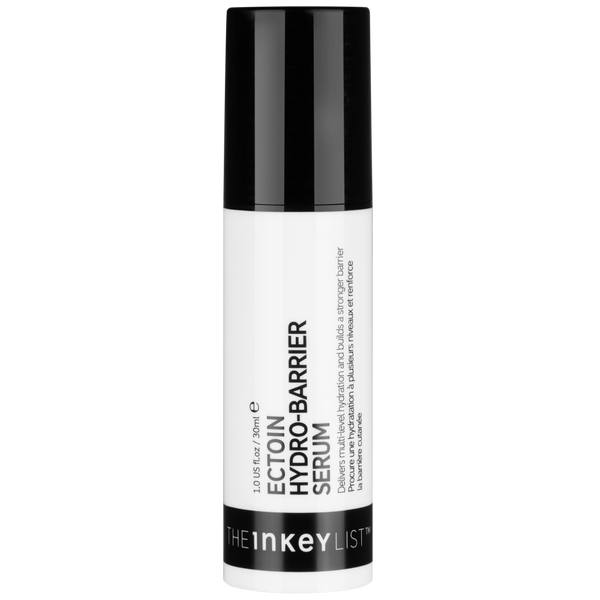
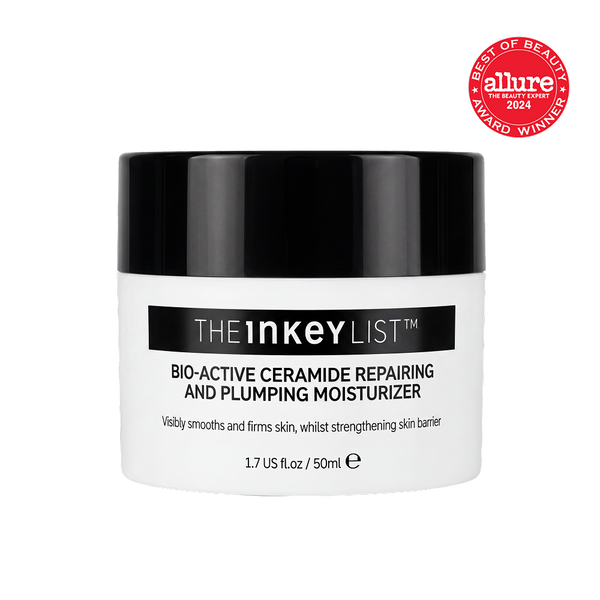
If you want to keep a serum in the routine, our Ectoin Hydro-Barrier Serum ($17) is built for the barrier-plus-hydration problem specifically, and if you are weighing your options between hydrating routes, ectoin vs hyaluronic acid, what’s the difference explains which suits which skin. For the lipid side, our Bio-Active Ceramide Moisturizer ($22) replenishes the exact category of ingredient that declines. You can browse the full dry skin range if you would rather compare textures yourself.
Dryness rarely turns up alone. Most often it brings an itch with it, and that is the symptom people find hardest to talk about.
Change 2: Itchiness, Sensitivity and Skin That Reacts to Products It Used to Tolerate
Itchy skin is one of the most commonly searched perimenopause symptoms and one of the least covered by skincare brands. So let us be direct about it.
When lipid production falls, the barrier thins and loosens. Water escapes faster, and nerve endings in the upper layers of the skin sit closer to the surface and become more exposed to the outside world. Skin that is drier, thinner and leakier is skin that registers ordinary daily contact as irritation. That is the mechanism behind the itch, and it is described in the peer-reviewed review menopause, skin and common dermatoses part 2.
Reactivity is the other half of this. A cleanser you have used happily for a decade can start to sting. An exfoliating acid that was a Sunday night ritual now leaves your cheeks flushed for an hour. You have not suddenly developed an allergy to your own bathroom cabinet. Your barrier has changed, so the threshold at which a product registers as harsh has moved. The product is the same. The skin reading it is different. That is not carelessness on your part and it is not a sign you have damaged your skin through overuse.
There is also a sensation that almost nobody writes about, and readers searching for it tend to find nothing reassuring. It is called formication: a crawling, tingling or pins-and-needles feeling on the skin, often with nothing visible to explain it. It is documented as a symptom associated with the menopause transition. If you have experienced it and quietly wondered whether something was seriously wrong, it has a name and you are not the only person searching for it.
One more thing that catches people out. Sensitive and oily can now coexist. Skin that stings when you apply a serum can still be producing enough oil to shine by lunchtime. Those two states feel contradictory, which is why so many people end up alternating between stripping products and rich creams and making both problems worse.
Is itchy skin a sign of perimenopause?
Yes. Dry, itchy skin is a recognized symptom of the menopause transition and appears in the clinical literature alongside more widely discussed symptoms. It is common but not universal, and it is not the only possible cause. Thyroid conditions, eczema, medication side effects, iron deficiency and simple environmental dryness can all produce the same sensation, which is why persistent itch is worth raising with a healthcare provider rather than assuming hormones explain all of it.
Why does perimenopause cause itchy skin?
In plain terms: less estrogen means fewer lipids, fewer lipids mean a weaker barrier, a weaker barrier means faster water loss, and drier, thinner skin means nerve endings that react more readily. Each step compounds the one before it.
Importantly, it is often not a facial problem. The itch frequently shows up on the lower legs, forearms, upper back and the back of the neck, which is why many people never connect it to skincare at all and assume it is laundry detergent or hard water. Those areas have fewer oil glands to begin with, so they feel lipid loss first.
Can perimenopause cause skin rashes?
Skin can become more reactive during this stage, and visible irritation is more common when the barrier is compromised. Beyond that, we are not going to guess. We cannot tell you what any specific mark, patch or eruption on your skin is, and neither can any article you read online. Anything persistent, spreading, painful, weeping or accompanied by other symptoms should be looked at by a board-certified dermatologist, who can actually examine it.
Persistent, severe or widespread itch, any rash or hives, and skin that is broken or bleeding should be discussed with a board-certified dermatologist or healthcare provider. Skincare supports barrier comfort. It is not a treatment for a medical itch, and no product we make should be used as one. The American Academy of Dermatology is a reliable starting point for finding qualified help in the US.
How to help skin feel more comfortable
The practical steps are unglamorous and they work better than anything dramatic.
- Lower the water temperature. Hot water strips lipids from an already lipid-poor barrier. Lukewarm, and shorter showers.
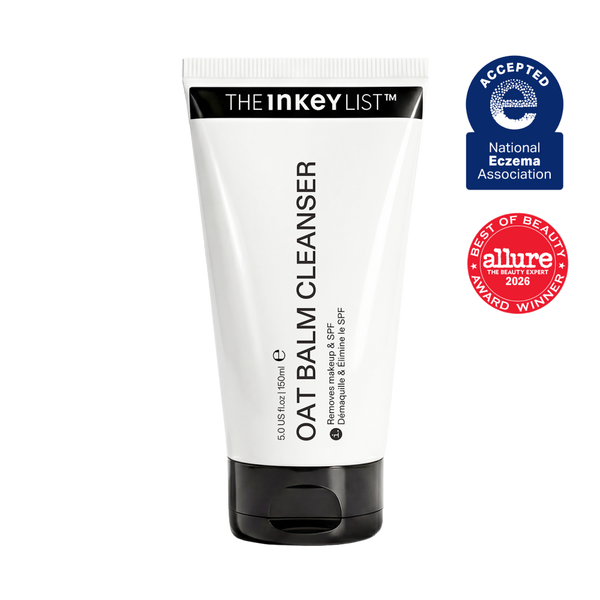
- Change how you cleanse before you change anything else. A non-stripping balm or cream cleanser does more for comfort than any serum. Our Oat Cleansing Balm ($17) uses colloidal oatmeal and removes makeup without the squeaky-clean feeling that signals a stripped barrier.
- Moisturize on damp skin. Within sixty seconds of cleansing, while there is still water on the surface to trap. This single habit change is free.
- Simplify before you add. Strip the routine back to cleanse, moisturize, sun protection for two weeks. Let the barrier settle, then reintroduce one thing at a time.
- Pause strong actives while things are uncomfortable. High-strength acids, scrubs and multiple actives layered together are working against you here.
- Go fragrance-free where you can, particularly on the body, where the itch usually lives.
- Patch test everything new. Newly reactive skin makes this genuinely worth the two days. Here is why you need to do a patch test.
For layering, our Ectoin Hydro-Barrier Serum ($17) supports the barrier while hydrating, and our Bio-Active Ceramide Moisturizer ($22) seals it. We have covered the general method in more depth in how to hydrate sensitive skin without causing irritation, and the damaged skin barrier collection groups the relevant products together.
That is how skin feels. The next three changes are about how it looks.
Change 3: Loss of Firmness and Bounce
Skin that is slower to spring back is the most visible structural change of this stage, and it is the one where the skincare industry is least honest.
The cause is straightforward. Collagen gives skin its structure, elastin gives it recoil, and both decline at the rates set out earlier: roughly 2.1% per year for collagen after the initial postmenopausal drop, roughly 1.5% per year for elasticity, alongside gradual thinning. These figures are consistent with the 2025 narrative review on managing menopausal skin changes. The effect accumulates quietly, which is why it tends to be noticed suddenly, often in a photograph or unflattering light rather than in the bathroom mirror.
So here is the sentence most brands will not print.
No topical product replaces lost collagen.
Not ours, not anyone’s, at any price. A cream applied to the surface of the skin does not rebuild the structural protein scaffold in the dermis. Any product marketed as though it does is overpromising, and you have every right to be skeptical of it.
What topicals genuinely influence is how firm and plump skin looks. Well-hydrated skin with an intact barrier sits differently. It reflects light more evenly, fine lines are less pronounced, and the surface appears smoother and more resilient. That is a real, visible, day-to-day difference, and it is worth having. It is also a cosmetic effect rather than a structural one, and the underlying change continues regardless. Both of those things are true at once.
Peptides are the most reasonable evidence-backed route if you want to go beyond hydration. As a category, they are gentler than many alternatives, which matters when skin has become more reactive. We would rather point you to the real comparison than sell you on one: peptides vs retinol sets out the trade-offs honestly, and what is Matrixyl 3000goes deeper into the science. You can browse our peptides range to compare.
For the crepey, finely lined texture that often accompanies firmness loss, what causes crepey skin covers it in full.
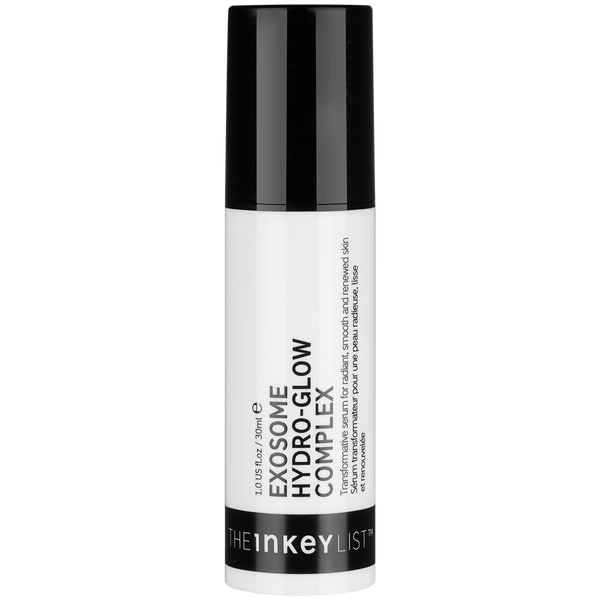
A well-formulated moisturizer remains the foundation. Our Bio-Active Ceramide Moisturizer ($22) supports the barrier that makes everything else look better. If you want something more targeted, our Exosome Hydro-Glow Complex ($24) offers 6-in-1 skin rejuvenation: clinically proven to visibly improve radiance, hydration, tone, firmness, elasticity and texture.*
*4-week clinical study of 26 people.
Firmness is the change people expect. The next one usually is not.
Change 4: Breakouts That Behave Nothing Like Teenage Acne
Perimenopause acne is one of the most searched symptoms of this stage, and one of the most frustrating, because it arrives at precisely the moment skin is also getting drier.
The mechanism is about ratio, not excess. As estrogen falls, the balance between estrogen and androgens shifts. Androgens are not necessarily rising. The proportion is changing, and that relative shift can increase oil production in some areas of the face. This is set out clearly in menopause, skin and common dermatoses part 2.
The pattern is usually distinctive. Rather than the T-zone congestion of adolescence, breakouts at this stage tend to cluster along the jawline, chin and lower face. They are often deeper, slower to surface, slower to clear, and more likely to leave a mark behind. Fewer of them, but each one outstaying its welcome.
Here is the part that catches almost everyone out.
You can be drier and breaking out at the same time, and the standard response to each makes the other worse.
The instinct is to reach for what worked at nineteen: foaming cleansers, high-strength actives, clay masks, anything that promises to strip oil away. That approach fails now for a specific reason. A stripped, compromised barrier produces more dryness and more visible blemishes, because irritated skin heals badly and inflamed, dehydrated skin can overproduce oil in response. You end up treating two symptoms with a routine that feeds both.
The better approach is boring and effective. Target blemishes without stripping. Keep hydration and barrier support in the routine permanently rather than dropping them when skin breaks out. Avoid stacking multiple strong actives in the same routine, and never introduce two at once.
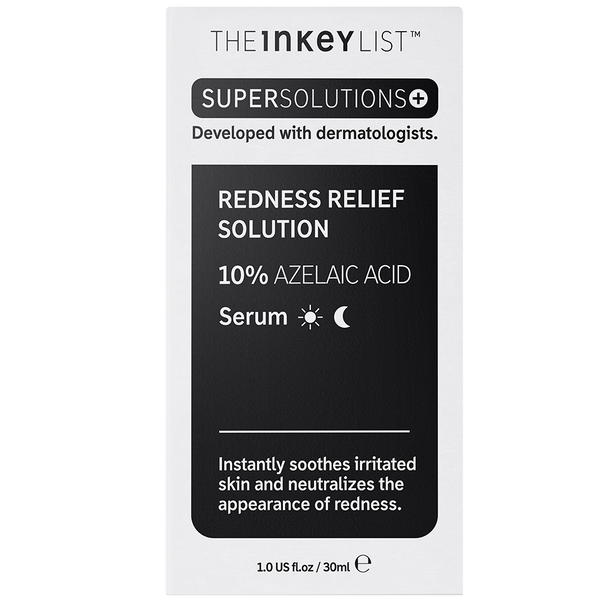
If your skin is oily and blemish-prone rather than dry, a lightweight option makes more sense than a rich cream: our Omega Water Cream ($15) hydrates without heaviness. If skin is reactive as well as blemish-prone, our Redness Relief Solution is formulated for that combination. For ingredient education before you buy anything, our azelaic acid page is a good primer, and the acne and breakouts collection groups the options. If breakouts are appearing on your back and shoulders too, what causes back acne in females covers that territory separately.
Blemishes at this stage often leave something behind, which leads directly into the next change.
Change 5: Dark Spots and Uneven Tone
Pigmentation becomes more noticeable during perimenopause because two separate forces converge at the same time.
The first is hormonal. Estrogen influences the behavior of melanocytes, the pigment-producing cells in skin. As hormone levels fluctuate, pigment production can become less uniform. Some areas darken, others do not, and overall tone becomes patchier rather than uniformly deeper.
The second force has been building for decades, and it deserves its own paragraph.
Cumulative UV exposure is the single largest contributor to how uneven skin tone looks in your forties and fifties. Every unprotected afternoon, every commute with the driver’s side window down, every summer before sunscreen became routine, has been quietly depositing pigment in the skin. Much of it sat below the visible threshold for years. What changes at this stage is not the exposure, which largely already happened, but the visibility. As skin thins, cell turnover slows and the surface becomes less even, pigment that was previously diffuse and hidden starts to read as distinct spots and patches. This is why tone change can feel like it appeared overnight in your mid-forties when the damage accumulated across three decades. It also explains why the left side of the face is often more marked than the right in countries where people drive on the right.
Which leads to the most useful thing in this section, and it is a habit rather than a purchase. Daily sun protection is the highest-value thing you can do for tone. Every single day, including winter, including overcast days, including days spent mostly indoors near windows. Nothing else you apply will outperform consistent protection, and applying brightening products without it is like bailing out a boat without patching the hole. We do not sell sunscreen in the US, so treat that purely as advice rather than a recommendation to buy anything from us.
Marks left after blemishes also linger longer now. Slower cell turnover means the discoloration left behind after a spot heals can take months rather than weeks to fade, which is why the lower face can look marked even when nothing is actively breaking out.
We are not going to tell you what kind of pigmentation you have, because that requires looking at your actual skin. What type of skin hyperpigmentation do I have walks through how the different types present, uneven skin tone covers the broader picture, and our hyperpigmentation education page is a good overview before you shop the hyperpigmentation or uneven skin tone collections.
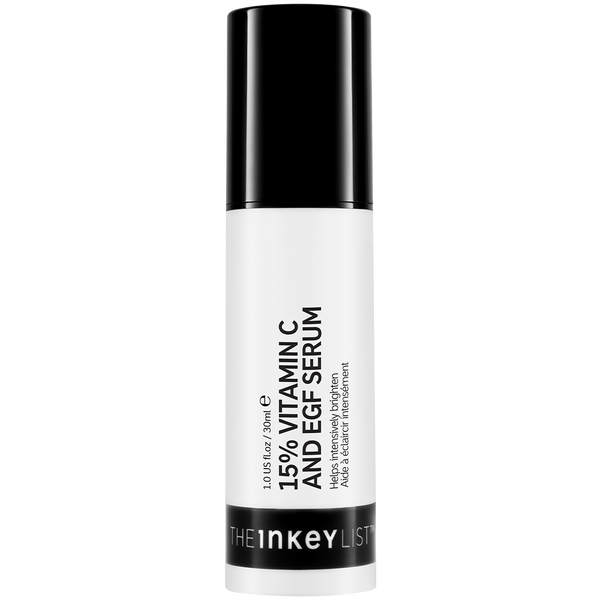
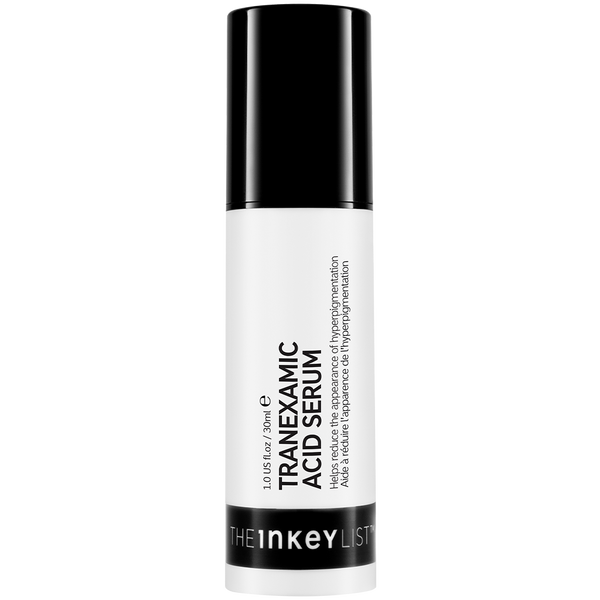
On products, two are worth knowing about. Our Tranexamic Acid Serum ($19) helps visibly reduce the appearance of dark marks and suits skin that has become more reactive, since it is gentler than many brightening routes. Our 15% Vitamin C + EGF Serum ($20) uses a stable form of vitamin C that is less irritating than pure L-ascorbic acid, which matters considerably when your tolerance has shifted.
Be realistic about timescales. Pigment responds slowly. Think in terms of three months of consistent daily use before judging results, not three weeks. Anyone promising faster is selling you something.
Can perimenopause cause melasma?
Hormonal shifts are associated with changes in pigmentation, and patches that were previously faint can become more noticeable during this stage. Whether what you are seeing is melasma specifically, rather than sun-related spots or a mark left by a previous blemish, is not something we can determine from an article. What type of skin hyperpigmentation do I have explains how the types differ in appearance, and a dermatologist can confirm.
All of these changes tend to show up earliest in the same two places.
Change 6: The Eye Area and Neck Show It First
The skin around your eyes is the thinnest on your face. The skin on your neck has significantly fewer oil glands than your cheeks. Both of those facts mean these two zones register lipid loss and structural change before anywhere else, often by a noticeable margin.
What people typically notice: expression lines that used to disappear when the expression did now staying put as faint static lines. A finely crumpled, crepey texture under the eyes, particularly in the morning. Concealer that creases and settles where it never used to. And the specific, slightly disorienting experience of a neck that looks older than the face above it.
The practical guidance is short, because two other posts already cover this ground properly. Fight tech neck deals with the neck in full, including the role of posture and screen angle, and what causes crepey skin covers the texture change.
Three things are worth doing. Extend whatever you use on your face down the neck and across the chest, every time, because the products stopping at the jawline is the most common reason those areas fall behind. Apply eye products with a light tap rather than a rub, since the tissue there does not benefit from being dragged. And be realistic about what a cream can influence around the eyes, which is texture, hydration and the appearance of smoothness rather than structural change.
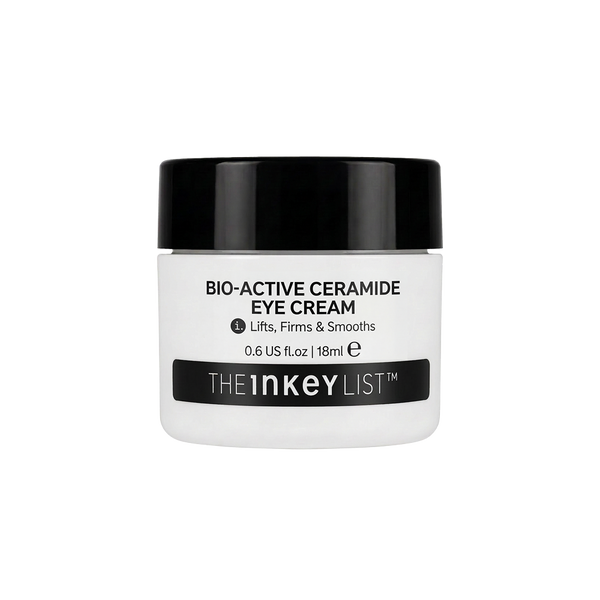
Two of our eye products solve genuinely different problems, and they are often confused. Our Bio-Active Ceramide Eye Cream ($16) is the choice for dryness, tightness and crepey-looking texture, because it replenishes lipids. Our Caffeine Eye Cream ($14) is for puffiness and tired-looking eyes specifically. It is not a lines product, and we would rather say so than let you buy the wrong one. For the neck, our Bio-Active Ceramide Neck Stick ($17) is designed for an area most people skip. The full eye treatments range is there if you want to compare.
Which brings us to the part of this article we think matters most.
What Skincare Can and Cannot Do
We would rather lose a sale than oversell you, so here is the honest position, starting with the limits.
No cream affects your hormones. Nothing applied to the surface of your skin changes estrogen levels, influences the course of perimenopause, or addresses any menopause symptom at a systemic level. Any product marketed with that implication is overstepping, and it is worth walking away from.
No topical replaces lost collagen. We said it earlier and it bears repeating, because it is the claim most frequently stretched in this category.
Skincare cannot stop perimenopause or alter its timeline. It is a hormonal transition, not a skin condition.
Now the other half, which is genuinely worth your money and attention.
Topicals meaningfully influence barrier comfort, which means less itching, less tightness and less of that stinging reactivity to products. They influence hydration levels, directly and measurably. They influence the appearance of firmness and plumpness, because well-hydrated skin with a functioning barrier looks better than dehydrated skin with a compromised one. Over time and with consistency, they influence the look of tone and dark marks. And they improve texture and smoothness, which is often what people are actually responding to when they say skin looks better.
Timescales, honestly. Barrier comfort can improve within days to a couple of weeks, and it is the fastest win available to you. Hydration shows up quickly too. Tone and pigment take two to three months of consistent use before a fair judgment can be made. Texture sits somewhere in between. If a product has not changed how your skin feels within a fortnight, it is reasonable to question it. If it has not changed how your skin looks within a fortnight, that is normal.
One more thing. Effective, science-backed formulas do not require a premium price tag. The active ingredients that have evidence behind them are not expensive raw materials, and paying more does not buy better science. It usually buys packaging and marketing.
And the anti-upsell point, which we mean sincerely: consistency with four well-chosen products beats a ten-step routine used sporadically. Every time. If you are deciding between adding a fifth serum and actually using the four you own every night, choose the second.
On the question of when to start using anti-aging products, we have answered that properly in when should I start using anti-aging products rather than rehashing it here. Our complete skincare concerns guide maps concerns to ingredients, and the anti-aging collection is there when you want it.
Here is what all of that looks like as an actual routine.
A Simple Perimenopause Skincare Routine
Most people reading this already own half of what they need. The changes required are usually swapping a texture and adding one step, not rebuilding from scratch.
In the morning:
- Gentle cleanse. Or just water if skin feels tight on waking. Nothing foaming or stripping.
- Hydrating or barrier serum, applied to damp skin. Damp matters. It gives the serum water to hold onto.
- Moisturizer. Richer than the one that worked five years ago, most likely.
- Sun protection, every day. The highest-value habit in the whole routine, particularly for tone.
In the evening:
- Cleanse. Double cleanse if you have worn makeup or sunscreen, starting with a balm or oil.
- Targeted serum. This is where your specific concern gets addressed.
- Moisturizer. The same one, or something richer overnight.
Your targeted serum choice depends on which of the six changes bothers you most. Dryness and itch point toward barrier and hydration support. Firmness points toward peptides. Dark spots and uneven tone point toward tranexamic acid or a stable vitamin C. Breakouts point toward something that addresses blemishes without stripping. Retinol remains an option as a general ingredient category, though it needs a slower, lower-frequency introduction than it would have five years ago, given how tolerance shifts at this stage.
Introduce one new product at a time, and give it at least two weeks. With newly reactive skin, adding two products together makes it impossible to identify which one caused a problem.
For the full routine build, including layering order and how to combine actives safely, best anti-aging skincare routinegoes considerably deeper, and our skincare routine guide covers the fundamentals. If you would rather have it worked out for you, our skincare quiz builds a routine around your specific concerns, and the dehydrated skin collection is a sensible starting point for most people at this stage.
Sometimes, though, skincare is not the right answer at all.
When to See a Dermatologist
Please speak to a board-certified dermatologist or healthcare provider if you are experiencing persistent, severe or widespread itching, particularly if it is disturbing your sleep. Sleep-disrupting itch is not something to manage with moisturizer.
Also seek help for any rash, hives, broken or bleeding skin, or a sudden severe change in your skin. The same applies to any new mole or lesion, or an existing one that has changed in size, shape, color or texture.
If skin changes are affecting your daily life, your confidence or your mental wellbeing, that is a legitimate reason to seek support in itself. It does not need to be severe to be worth discussing.
A qualified professional can also discuss the full range of options for managing menopause symptoms, which sits well outside anything skincare addresses. The American Academy of Dermatology maintains a directory for finding board-certified dermatologists in the US.
Conclusion
Falling estrogen affects collagen, skin lipids, hydration and barrier function simultaneously, which is why perimenopause skin changes tend to arrive as a group rather than one at a time. Dryness, itching, reduced firmness, jawline breakouts, uneven tone and early change around the eyes and neck all trace back to that same mechanism. These changes are common, well documented and not imagined.
The honest limit is that no product changes your hormones or replaces lost collagen. The genuine upside is that comfort, hydration, texture and the appearance of firmness and tone all respond meaningfully to consistent, well-matched skincare. Those are not small things. They are most of what you notice day to day.
Understanding the cause is what makes choosing products simple, because you stop buying for symptoms and start buying for the mechanism underneath them. Our complete skincare concerns guide is there whenever you want to go deeper.
If you are not sure where to start, our skincare quiz builds a routine around the concerns you have right now rather than the ones you had a decade ago. You can also browse our anti-aging and dehydrated skin collections at your own pace.
Because at The INKEY List, We Give A Care.
Frequently Asked Questions
Got a question?
Our askINKEY team are a friendly bunch of skincare experts with deep product knowledge and zero judgement. Whether you're an ingredient obsessive or just starting out, we'll make it make sense. No question too big. No question too small. We Give A Care, Every Day.


