


Welcome to the INKEY Blog. Where we spread and share our skincare knowledge with you!
Selected filters:
Popular

Retinol is one of the most proven ingredients for improving texture, signs of ageing, and cellular turnover, but its potency means it must be used thoughtfully. Conflicting advice often oversimplifies retinol pairing, yet effective routines rely on understanding ingredient interactions, timing, and skin barrier support. Whether you’re starting with INKEY’s Starter Retinol or using our Advanced Retinal that works up to 11 times faster, the right layering approach ensures maximum benefits while protecting skin health. This guide breaks down the science behind retinol compatibility into clear, practical advice so you can use retinoids with confidence—not caution.

Dark spots, pigmentation, and uneven skin tone are common concerns—but with the right ingredients and consistent SPF use, they can be visibly improved. Discover what causes dark spots, how to identify different types of pigmentation, and the most effective science-backed ingredients to help achieve a brighter, more even complexion.

Dark spots won't fade if UV exposure keeps triggering them. Daily broad-spectrum SPF is the foundation of any hyperpigmentation routine, helping prevent existing marks from worsening while protecting the results of brightening ingredients like Tranexamic Acid, Vitamin C, and Niacinamide. Learn how sunscreen and targeted actives work together to visibly improve uneven skin tone.

Using retinol doesn’t have to mean pushing through weeks of dryness, flaking, and irritation. Enter ectoin: a barrier-strengthening ingredient that works alongside retinol to make your routine more effective and far more comfortable. In this guide, we explain exactly how ectoin supports the skin barrier, why it pairs so well with retinol, and how to layer it correctly with other popular actives including niacinamide, vitamin C, hyaluronic acid, AHAs, BHAs, and peptides. Whether you're new to retinol or looking to optimise an advanced routine, you'll learn how to build a skincare regimen that delivers results without compromising your skin barrier.

Ectoin and hyaluronic acid are both powerful hydration ingredients, but they work in very different ways. Hyaluronic acid draws water to the skin’s surface for fast, visible plumping, while ectoin anchors hydration around skin cells, supports the skin barrier, and helps protect against environmental stress. If your skin is simply dehydrated, hyaluronic acid is a great starting point. If it feels sensitive, reactive, or barrier-compromised, ectoin may be the better choice - or use both for complete hydration support.

Transepidermal Water Loss (TEWL) is the invisible process of water evaporating from your skin every day. When your skin barrier is healthy, TEWL remains controlled. But when that barrier becomes compromised, moisture escapes more rapidly, leading to dehydration, sensitivity, dullness, and visible signs of ageing. In this guide, we break down what TEWL is, what causes it to increase, the signs your skin may already be experiencing it, and the ingredients that can help restore balance. Discover how barrier-supporting actives like Ectoin, ceramides, and hyaluronic acid work together to strengthen the skin barrier, lock in hydration, and keep your skin looking healthy, resilient, and comfortable.

Dry skin does not mean skipping SPF. It means choosing the right one. Many sunscreens are formulated for oily or combination skin, using lightweight gels and high-alcohol bases that can leave dry skin feeling tight, flaky, or uncomfortable. The good news? A well-formulated sunscreen can protect your skin and actively support hydration at the same time. In this guide, we break down exactly what to look for in an SPF for dry skin - from barrier-supporting ingredients like Polyglutamic Acid, Glycerin, and Squalane to the textures and formulas best avoided - plus how to layer your routine correctly for hydrated, protected skin every day.

Mineral vs chemical sunscreen: one of skincare’s biggest debates - and one of its most misunderstood. Both protect effectively against UV damage, but they differ in texture, finish, and wearability. This guide breaks down the real science behind both filter types, the truth about “chemical sunscreen” myths, and how to choose the SPF you’ll actually wear every day.

SPF 30 or SPF 50? The difference is smaller than most people think - but how you apply sunscreen matters far more than the number on the bottle. In this evidence-based guide, we break down what SPF ratings actually mean, why most people aren’t getting the protection they think they are, when SPF 50 is genuinely worth it, and how UV exposure changes across different US climates. From tanning myths to application mistakes, this is your practical, no-nonsense guide to choosing the right SPF for your skin, lifestyle, and daily routine.

Reapplying sunscreen is the part of SPF that actually keeps your skin protected - but for most people, makeup gets in the way. This guide explains why sunscreen needs topping up throughout the day, how often to reapply, and the easiest ways to layer SPF over makeup without ruining your base. From beauty blender techniques to common SPF mistakes, here’s everything you need to know for real-world sun protection.

Daily SPF is not just a summer habit - it is one of the most important long-term investments you can make in your skin health. In this guide, we break down the science behind year-round UV exposure, explain the difference between UVA and UVB rays, and explore why winter, cloudy days, indoor light through windows, and even daily commutes still expose your skin to cumulative damage. Backed by clinical research and UK seasonal UV data, this article explains exactly how daily broad-spectrum SPF helps prevent premature ageing, pigmentation, collagen breakdown, and long-term skin damage - while showing you how to build an effective winter skincare routine around it.

Stress can show up on your skin long before you realise it. Redness, dryness, dullness, breakouts, and sensitivity are often signs that the skin barrier is overwhelmed and struggling to repair itself. In this guide, we explain what stressed skin really is, what causes it, and the clinically backed ingredients - including Exosomes, Ectoin, PDRN, and Ceramides - that help restore calmer, healthier, more resilient skin.

Niacinamide is one of the most effective - and easiest - skincare ingredients to add to your routine. In this complete guide, discover exactly how to use niacinamide serum for clearer, more balanced skin, including when to apply it, how to layer it correctly, what products pair best with it, and how long results realistically take. Whether your skin is oily, dry, blemish-prone, or sensitive, this guide breaks down the routines, mistakes to avoid, and expert application tips that make niacinamide work harder for your skin.

The exosome skincare market is full of products boasting “billions of exosomes” - but particle count alone tells you very little about real efficacy. This guide explains why concentration, source quality, formulation design, and clinical evidence matter far more than marketing numbers. Learn how to decode exosome claims, understand what makes a high-quality serum, and discover the science behind The INKEY List’s clinically tested Exosome Hydro-Glow Complex.

Not all exosomes work the same way. In skincare, the source of an exosome - plant-derived or fermentation-derived - directly impacts how it interacts with skin, the evidence behind it, and the results it can deliver. This blog breaks down the science behind exosome sourcing, explaining the key differences in mechanism, research, and formulation so you can cut through the marketing noise and choose an exosome serum backed by real data.

Learn how long skincare products really last, what the PAO symbol means, and how to store your skincare properly to keep formulas safe, stable, and effective. From Vitamin C and retinoids to cleansing balms and eye creams, this complete guide explains what causes products to expire, when a skincare fridge helps (and when it doesn’t), plus the warning signs a product has gone off.

Skincare acids can transform your skin — when you know which one to use. From glycolic acid for glow and texture, to salicylic acid for breakouts and PHAs for sensitive skin, this guide breaks down exactly what each acid does, who it’s best for, and how to use it safely for clearer, brighter, healthier-looking skin.

Men’s skin is biologically different - producing more oil, experiencing regular shaving stress, and often dealing with larger pores, congestion, and sensitivity. This complete guide breaks down exactly how to build an effective men’s skincare routine, from cleansing and hydration to shaving care, beard maintenance, and product layering. Whether you are starting from scratch or refining your current routine, discover the essential ingredients, routines, and expert-backed tips that help keep male skin clear, healthy, and protected every day

Your skin doesn’t need the same routine all year round - and treating it like it does could be holding your skin back. From winter dryness and barrier disruption to summer oiliness and breakouts, seasonal changes directly affect how your skin behaves. In this complete guide, we break down exactly how to adapt your skincare routine for spring, summer, autumn, and winter, including the products to switch, the ingredients to prioritise, and the signs your skin is giving you each season. Whether your skin is feeling dehydrated, congested, dull, or sensitive, this guide will help you build a routine that works with your skin all year long.

Your skin deserves more than a one-size-fits-all routine. This complete skincare guide breaks down exactly how to build an effective AM and PM routine based on your skin type - whether you’re oily, dry, combination, sensitive, or blemish-prone. From identifying your true skin type to choosing the right actives, layering products correctly, and avoiding the most common skincare mistakes, this guide gives you everything you need to create a routine that actually works. Featuring step-by-step routines, expert ingredient advice, and tailored product recommendations from The INKEY List.

Discover whether vitamin C really causes breakouts - and why the answer is more nuanced than you think. This guide breaks down the difference between purging and true breakouts, explains how formulation and ingredient choice impact blemish-prone skin, and explores why vitamin C can actually help reduce inflammation and fade post-blemish marks. Learn how to introduce vitamin C safely into your routine, what ingredients to avoid pairing it with, and why gentle derivatives like Ascorbyl Glucoside may be the key to brighter, clearer-looking skin

Niacinamide is often labelled as an ingredient for oily or blemish-prone skin - but that reputation overlooks one of its most important benefits. For dry skin, niacinamide helps strengthen the skin barrier, boost ceramide production, reduce moisture loss, and calm irritation at the source. In this guide, we break down exactly how niacinamide works for dry skin, why it does not cause dryness, how to layer it correctly in your routine, and the best INKEY List products to pair with it for long-term hydration and barrier support.

Confused by the difference between sodium hyaluronate and hyaluronic acid? You are not alone. While both ingredients belong to the same hydration family, they work at different depths within the skin - and understanding that difference can completely change how you shop for skincare. In this guide, we break down the science behind all four forms of hyaluronic acid, explain how to decode your INCI labels like a pro, and reveal why the best hydration serums use multiple molecular weights together for both instant plumping and long-lasting moisture.

Think hyaluronic acid is only for dry or aging skin? Think again. If your skin is blemish-prone, breakout-prone, or constantly feels stripped by spot treatments, hyaluronic acid may be the missing step in your routine. Far from clogging pores or causing breakouts, this lightweight humectant helps replenish hydration, support the skin barrier, and create healthier conditions for clearer skin. In this guide, we break down exactly how hyaluronic acid works for blemish-prone skin, whether it can trigger spots, how it supports recovery from breakouts, and the best way to layer it into your routine using INKEY favourites like the Hyaluronic Acid Serum, Salicylic Acid Cleanser, and Omega Water Cream.

Discover why niacinamide and retinol are one of skincare’s most effective ingredient pairings. This expert guide breaks down the science behind the combination, the correct application order, beginner-friendly routines, common myths, and the best INKEY products to use together for smoother, clearer, more balanced skin.

If you’ve ever wondered whether Vitamin C serum belongs in your morning or nighttime routine, you’re not alone. This guide breaks down exactly when to use Vitamin C serum, how to layer it correctly, what ingredients pair best with it, and how long it actually takes to see results. Featuring The INKEY List’s 15% Vitamin C + EGF Serum, we explain why morning application before SPF delivers the biggest brightening and antioxidant benefits - plus how to build a simple, effective routine that supports clearer, more radiant skin over time.

Can You Use Hyaluronic Acid with Retinol? Yes - and it’s one of the smartest skincare combinations you can make. Hyaluronic acid hydrates and cushions the skin, while retinol boosts cellular renewal, smooths texture, and targets visible signs of ageing. Together, they work in perfect partnership: one keeps skin comfortable and supported while the other delivers transformative long-term results. In this guide, we break down exactly how to layer hyaluronic acid and retinol, why they work so well together, the best routines for every skin type, and the INKEY products that make this pairing simple, effective, and beginner-friendly

Niacinamide is one of the most effective and well-tolerated ingredients for blemish-prone skin - and the science behind it is stronger than most people realise. This guide breaks down exactly how niacinamide helps reduce breakouts through four clinically backed mechanisms: calming inflammation, regulating excess oil, supporting the skin barrier, and helping fade post-breakout marks. We also answer the most searched questions around niacinamide and acne - including whether it causes purging (it doesn’t), whether it can worsen breakouts, and how to build it into a routine that actually works.

Unlock brighter, smoother, healthier-looking skin with the power duo that skincare myths got wrong. Yes - you can use Vitamin C and Retinol together, and when used the right way, they become the ultimate AM/PM routine for radiance, firmness, and long-term skin health. In this guide, we break down exactly how these clinically backed ingredients work, why the morning/evening method matters, what to pair them with, and the step-by-step INKEY routine designed to deliver real results without the confusion

Discover the difference between two of skincare’s most searched-for ingredients: hyaluronic acid and niacinamide. In this complete guide, we break down what each ingredient does, who benefits most from them, how they compare, and why they work even better together. Whether your skin concerns are dehydration, excess oil, blemishes, enlarged pores, or uneven tone, you’ll learn exactly how to choose the right serum for your skin - and how to layer them correctly for maximum results. Featuring expert-backed insights and product recommendations from The INKEY List, this guide makes building an effective skincare routine simple, accessible, and easy to understand.

Discover why hyaluronic acid and vitamin C are one of skincare’s most effective ingredient pairings. Learn how to layer them correctly, when to add niacinamide, and the best INKEY products for brighter, deeply hydrated skin.

Discover how to use Vitamin C without triggering irritation. This guide breaks down why traditional Vitamin C formulas can be too harsh for sensitive skin, what ingredients to look for instead, and how to build a gentle brightening routine that supports your skin barrier while targeting dullness, dark spots, and uneven tone.

Think oily skin doesn’t need hydration? Think again. Hyaluronic acid is one of the best ingredients for oily and blemish-prone skin because it hydrates with water - not oil. In this guide, we break down why oily skin can still be dehydrated, how hyaluronic acid helps balance excess sebum, and why pairing it with niacinamide creates the ultimate routine for clearer, healthier-looking skin. From debunking common myths to explaining the science behind hydration and oil production, discover exactly how to use hyaluronic acid for balanced, shine-controlled skin without heaviness or clogged pores.

Discover the science behind glowing skin with a complete AM & PM skincare routine designed to target dullness at the source. From the nourishing cleanse of our Oat Cleansing Balm to the brightening power of Vitamin C + EGF and next-generation renewal from Exosome Glow Serum, this guide breaks down the ingredients, routines, and habits that create real, lasting radiance - backed by clinical results and expert skincare science.

Can you use azelaic acid with retinol? Yes - and when used correctly, it’s one of the most effective skincare pairings for targeting redness, post-blemish marks, uneven skin tone, texture, and fine lines all at once. The key is not layering them together in the same routine. Instead, azelaic acid works best in the morning while retinol stays firmly in the evening, allowing both ingredients to deliver results without overwhelming the skin barrier. This guide breaks down exactly why the combination works, how to build the right AM/PM routine for your skin type, and which INKEY formulas to choose for safe, long-term results.

PDRN and exosomes are two next-generation regenerative skincare ingredients that work in different but complementary ways. PDRN helps stimulate the skin’s own collagen and hyaluronic acid production, while exosomes support broad cellular renewal and repair. Together, INKEY’s vegan PDRN Serum and Exosome Glow Serum help improve glow, hydration, firmness, and overall skin renewal.

PDRN injections and topical PDRN serums use the same regenerative science — but they offer very different experiences, costs, and commitments. This guide breaks down the clinical evidence behind both approaches, comparing results, downtime, accessibility, and long-term value to help you decide which fits your skin goals best. From in-clinic polynucleotide injections to INKEY’s $18 Vegan PDRN Serum powered by 2% INJIN Vegan PDRN, discover how this collagen-supporting ingredient works, what results you can realistically expect, and whether daily topical PDRN could be the smarter alternative for your routine.

Melasma is one of the most common yet misunderstood forms of hyperpigmentation, causing symmetrical dark patches that are often triggered by sun exposure, hormones, heat, and genetics. In this comprehensive guide, we break down exactly what melasma is, what causes it, how it differs from other pigmentation concerns, and the science-backed ingredients that actually help treat it. From Tranexamic Acid and Vitamin C to retinoids and daily SPF, discover the most effective skincare routine for visibly reducing melasma and preventing it from returning — including pregnancy-safe options and realistic timelines for results.

Discover what post-inflammatory hyperpigmentation (PIH) really is, why acne leaves dark marks behind, and how to fade them effectively. From Tranexamic Acid and Niacinamide to SPF and retinoids, this complete guide breaks down the best ingredients, routines, and prevention tips to help visibly reduce post-acne dark marks and support clearer, more even-looking skin.

“Salmon sperm serum” may sound like a viral skincare gimmick, but the science behind it is surprisingly credible. Known as PDRN, this clinically studied ingredient helps support collagen production, hydration, and skin renewal at a cellular level. In this guide, we break down what PDRN actually is, how it works, and why INKEY’s vegan PDRN Serum delivers all the benefits - without the salmon.

Rosacea-prone skin needs more than “gentle” skincare - it needs ingredients that actively calm inflammation without compromising the skin barrier. This guide breaks down exactly how azelaic acid works for rosacea, the clinical evidence behind it, how to use it correctly, and what results you can realistically expect. Featuring INKEY’s clinically proven 10% Azelaic Acid Serum for Redness Relief, discover why azelaic acid has become one of the most dermatologist-recommended actives for reducing persistent redness, calming flare-ups, and supporting sensitive skin long term.

A guide to how long tranexamic acid takes to work - from the first visible improvements at 2–4 weeks to significant fading of hyperpigmentation, dark spots, melasma, and post-blemish marks at 6–12 weeks. Discover the real results timeline, what affects your progress, and how to maximise results with INKEY’s 2% Tranexamic Acid Serum.

Azelaic acid and niacinamide are one of skincare’s most compatible and effective ingredient pairings. Together, they help target redness, blemishes, hyperpigmentation, excess oil, uneven skin tone, and barrier support - all while remaining gentle enough for sensitive and rosacea-prone skin. In this guide, we explain how each ingredient works, why they complement each other so well, how to layer them correctly, and how to build them into a routine using INKEY’s 10% Azelaic Acid Serum for Redness Relief and 10% Niacinamide Serum.

If you’ve started using azelaic acid and suddenly noticed a few new blemishes, don’t panic - you may be experiencing a temporary skin adjustment known as purging. In this guide, we break down exactly how azelaic acid works, whether it can truly cause purging, how long it typically lasts, and how to tell the difference between purging and a real breakout or irritation reaction. You’ll also learn how to minimize the likelihood of purging with the right routine and discover when it’s time to pause and seek advice. Featuring INKEY’s 10% Azelaic Acid Serum, this blog covers everything you need to feel confident introducing this redness-reducing, blemish-targeting ingredient into your skincare routine.

Under eye patches are one of the most-searched skincare formats on the market. But do they actually work? The answer depends entirely on the format of the patch and what you apply underneath it. Here's the dermatology-backed science behind occlusion, why reusable silicone outperforms single-use hydrogel, and why caffeine is the right active to seal beneath a patch.

Dark circles, puffiness, and fine lines around the eyes are three of the most searched skincare concerns in the US, yet most treatments fail because they treat them as one problem. Here's what's actually causing each one, and what the science says about addressing them effectively.

If sunscreen has ever left your skin red, itchy, or irritated, you're not alone, and the problem usually isn't sunscreen itself, it's what's in it. Finding an SPF that works for sensitive skin comes down to knowing which ingredients to avoid and what to look for instead. Here's everything you need to know.

If you have oily or acne-prone skin, sunscreen is probably the one step you talk yourself out of, but it shouldn't be. The right SPF won't clog your pores, trigger breakouts, or leave you looking greasy. Here's how to find one that actually works for your skin type.

Not sure how long your new skincare routine should take to show results? From retinol to tranexamic acid, this guide breaks down exactly how long every ingredient takes to work — and the signs that your routine is actually doing its job.

Toothpaste on spots. Lemon juice for glow. Skipping moisturiser if you're oily. The internet's most stubborn skincare myths are back, and we're busting every single one. Here's what's actually doing your skin damage, and what to do instead.

Exosome technology has long been locked inside aesthetic clinics, with treatments costing $500+ per session. Our Exosome Hydro-Glow Complex changes that. By harnessing 3 million plant-derived Cica exosomes, we’ve transformed advanced cellular skincare into a $22 daily serum - proving that breakthrough beauty technology should be accessible to everyone.

The skincare debate has long focused on vitamin C vs niacinamide—two ingredients known for brightening, balancing oil, and supporting healthy skin. But skincare is evolving. Next-generation technologies like exosomes and PDRN are changing the game, working at the cellular level to repair, renew, and transform skin.
In this guide, we compare four powerhouse ingredients shaping modern skincare—vitamin C, niacinamide, exosomes, and PDRN—to help you understand what each does best and how to build a smarter routine for your skin goals

Exosomes are everywhere in skincare right now — but with the buzz has come a wave of misinformation. In this guide, we unpack five common myths about exosome skincare, explain what the science actually says, and show how to spot products that deliver real results without the luxury price tag.

Glass skin doesn’t have to cost a fortune. With new ingredient innovations like exosomes — powerful signalling molecules that support skin repair and collagen production — the same glow-boosting science used in $500+ clinic treatments is now available in affordable skincare. By focusing on hydration, barrier support and clinically backed formulas, achieving luminous, glass-like skin is possible without a luxury budget.

Crepey skin is the thin, papery texture that can develop on areas like the neck, décolletage, arms, hands, and under-eyes. Unlike expression lines, it affects larger areas of skin and is linked to structural changes such as declining collagen, elastin damage, and a weakened skin barrier.
In this guide, we break down the science behind crepey skin and explore evidence-based skincare solutions - from barrier-repairing ceramides to collagen-supporting retinoids - plus practical routines to help restore smoother, firmer-looking skin.


Neck lines are one of the most common yet overlooked signs of ageing, affecting up to 80% of people by their thirties. Caused by factors like collagen decline, sun exposure, and modern habits such as “tech neck,” these horizontal creases can appear earlier than many expect. The good news? With the right combination of targeted skincare, daily SPF, and simple lifestyle adjustments, dermatologists say neck lines can noticeably improve in as little as 8–12 weeks. Here are five expert-backed methods to help smooth, protect, and care for your neck

Ceramides make up 50% of your skin’s natural barrier — but not all ceramides work in the same way. With the rise of bio-active technology, understanding the difference between traditional and bio-active ceramides can be the key to unlocking stronger, smoother, more resilient skin.
In this guide, we break down the science behind ceramides, from the essential role they play in preventing moisture loss to how different types target concerns like dryness, sensitivity and fine lines. You’ll discover how bio-active ceramides enhance penetration and accelerate visible results compared to conventional formulations — and how to choose the right ceramide product for your skin type.

Overusing retinol or acids can leave your skin irritated, flaky, and far from glowing. Enter skin cycling — the dermatologist-approved method that alternates active ingredients with recovery nights to maximize results while protecting your skin barrier. Think of it as interval training for your face: smarter, gentler, and way more effective long-term.

Glass skin is more than a viral trend — it’s the ultimate sign of healthy, deeply hydrated skin. In this guide, we break down what glass skin really means, the key ingredients that support it (like hyaluronic acid, ceramides, and niacinamide), and the step-by-step routine that helps you achieve a smooth, luminous glow. With consistent barrier care and hydration layering, glass skin is an achievable reality — not an impossible standard.

Red light therapy has become a popular non-invasive treatment for skin concerns like fine lines, redness, acne, and dullness. Using specific wavelengths of red and near-infrared light, it helps stimulate cellular energy, supporting collagen production, healing, and overall skin renewal.
In this guide, we explore how red light therapy works, the benefits backed by research, and key safety considerations. We’ll also highlight effective skincare alternatives that can deliver similar results, including clinically proven ingredients like retinoids, vitamin C, peptides, niacinamide, and ceramides — with targeted INKEY List products to help you achieve healthy, glowing skin without investing in a device.

Retinoids are some of the most proven ingredients in skincare — but figuring out the difference between tretinoin and retinol can feel unnecessarily complicated. One requires a prescription, the other sits on the shelf of your favourite skincare store… yet both promise smoother texture, fewer fine lines, and brighter, healthier-looking skin. In this no-nonsense guide, we break down the real science behind tretinoin vs. retinol: how they work, what results you can expect, and why one might suit your skin, lifestyle, and budget better than the other. Whether you’re considering prescription-strength treatment or looking for an effective over-the-counter option, you’ll leave with a clear understanding of what matters most — and how to choose the best retinoid for long-term skin success.

Rice toners – also known as milky toners – are quickly becoming a hydration essential, and it’s easy to see why. Powered by rice-derived ingredients, these lightweight formulas deliver deep hydration while supporting the skin barrier, all without heaviness or residue. In this guide, we break down the science behind rice milk toners, their key skin benefits, and how INKEY’s new Nourishing Rice Milk Hydrating Toner fits seamlessly into a complete barrier-supporting routine. Whether your skin is dehydrated, sensitised, or simply craving more moisture, rice milk toner offers an evidence-backed way to level up your hydration game.

Unlock scientifically-backed radiance with the power of exosomes, tiny cellular messengers that help improve hydration, texture and luminosity from the inside out. In this guide, you’ll discover how exosome technology works, a targeted 2-week skincare plan to achieve glowing, camera-ready skin, and practical morning and evening routines featuring key products like The INKEY List’s Exosome Hydro-Glow Complex. Whether you’re planning ahead or need last-minute glow tips, this article turns skincare science into actionable steps for your best skin yet.

Retinol has long been considered a no-go for sensitive skin—but modern skincare science tells a different story. With the right formulation and a gentle, strategic approach, retinol can deliver powerful anti-ageing benefits without irritation. The INKEY List Starter Retinol is designed specifically for reactive skin, helping you build tolerance safely while improving texture, tone, and radiance. This guide shows how sensitive skin can finally use retinol with confidence.

Retinol is one of the most effective ingredients for improving visible signs of aging, but for rosacea-prone skin it’s often approached with caution. Increased sensitivity, persistent redness, and a weakened skin barrier can make traditional retinol formulas feel overwhelming.
The good news? Advances in formulation mean retinol is no longer a one-size-fits-all ingredient. With the right concentration, supportive ingredients, and a gradual introduction, rosacea-prone skin can benefit from retinol without compromising comfort. This guide breaks down what to know, what to avoid, and how to introduce retinol in a way that respects reactive skin.

Standing in the skincare aisle, surrounded by retinol products ranging from $5 to $300+, it’s easy to assume higher price means better results. The reality? Retinol effectiveness has almost nothing to do with cost. This science-backed guide cuts through the marketing hype to reveal what actually makes retinol work, how to choose the right formula, and why affordable options can deliver clinical-grade results—without the luxury price tag.

Higher retinol percentages don’t guarantee better results — and in many cases, they do the opposite. Chasing strong concentrations often leads to irritation, disrupted skin barriers, and inconsistent use. The truth? A well-formulated 0.5% retinol used consistently can outperform a poorly stabilised 2% every time. In this guide, we break down why retinol percentage is misleading, what actually determines effectiveness, and how INKEY’s science-led approach prioritises stability, tolerance, and real skin results over marketing hype.

In the world of regenerative skincare, two ingredients are leading the conversation: PDRN and retinol. Retinol has long been the gold standard for skin renewal, backed by decades of research and proven results. But PDRN represents a new generation of skin regeneration—working with the skin’s natural repair processes to boost glow, strengthen the barrier, and improve resilience with minimal irritation.
In this guide, we break down how PDRN and retinol work, their key benefits, potential side effects, and how to choose the right option for your skin goals. Whether you’re drawn to the instant radiance and barrier support of The INKEY List PDRN Serum, or the time-tested anti-ageing power of Starter Retinol and Advanced Retinal, this comparison will help you decide which approach—or combination—makes sense for your routine.

Your skin is constantly communicating beneath the surface—millions of microscopic messages coordinating repair, hydration, and regeneration every second. These messages are carried by exosomes: nano-sized cellular messengers that tell your skin exactly how to respond to damage, stress, and daily wear. Now, this breakthrough science is making its way into skincare. Exosomes don’t just sit on the surface—they help enhance your skin’s own communication systems, supporting collagen production, barrier repair, and visible radiance from within. Think of them as your skin’s internal text messages, delivering precise instructions where they’re needed most. Discover how exosome technology is redefining skin health and why it represents a new era of smarter, more efficient skincare.

Smart skinimalism is the 2026 skincare trend redefining results through simplicity. Backed by science, this approach prioritises skin barrier health and multi-functional ingredients over excessive layering. Discover why simplified routines can reduce irritation by up to 40% and how to build an effective, evidence-based 3-step routine for healthier, more resilient skin.

Starting your retinol journey but worried about irritation? Meet the Moisture Sandwich Method - a gentle, skin-barrier–friendly way to ease retinol into your routine. By layering moisturiser before and after your retinol serum, this technique helps minimise dryness and sensitivity while still delivering visible results. Ideal for first-time retinol users or anyone with sensitive skin, it’s the smart, stress-free way to unlock smoother, firmer-looking skin without the fear of irritation.

Retinol’s golden hue is one of the most misunderstood features in skincare. In this guide, we break down the real science behind retinol’s natural yellow color, how to tell the difference between quality and oxidation, and why it won’t stain your skin. You’ll learn what yellow retinol actually signals about potency, how to spot when a product has truly gone bad, and what to expect from INKEY’s new retinol range—from the gentle Starter Retinol to the high-performance Advanced 0.2% Retinal.

Retinol works—but retinol paired with exosomes works harder. Learn how Exosome Hydro-Glow Complex primes your skin to maximize retinol performance, delivering faster cell turnover, visible brightening, and up to 82% reduction in fine lines.

Retinol vs bakuchiol is one of the biggest debates in anti-aging skincare right now, with experts split between proven performance and gentle, natural alternatives. This guide cuts through the noise with clear, science-backed insights into how each ingredient works and how they compare. The truth is, there’s no single winner—retinol delivers powerful, research-backed results, while bakuchiol offers a gentler option for sensitive skin. The key is choosing what best suits your skin, lifestyle, and tolerance.

Effective anti-aging doesn’t need a 12-step routine or luxury price tags—it needs the right science-backed ingredients used consistently. In this guide, you’ll learn what actually causes skin to age, which actives are proven to work, and how to build simple AM/PM routines for real results. No hype—just honest skincare that fits your life (and your budget).

Both retinol and retinal are powerful vitamin A derivatives proven to transform skin—but they’re not created equal. Retinal (also known as retinaldehyde) works faster than retinol thanks to fewer conversion steps, meaning quicker, more visible results for experienced users. Whether you’re just starting your vitamin A journey or ready to level up, understanding the difference helps you choose the right formula for your skin type, tolerance, and goals. From gentler beginner options to advanced, fast-acting solutions, here’s everything you need to know about retinol vs retinal—and how to use them for your best skin yet.

Introducing INKEY Lab's latest drop - Exosome Boosting Mask. A next-generation biodegradable dry sheet mask designed to deliver instant glow, hydration and supports the skin’s natural repair processes. Powered by exosome-boosting technology, it helps enhance ingredient delivery for deeper hydration, strengthens the skin barrier, and leaves skin looking smoother, plumper and more radiant in just 10 minutes.

Struggling with persistent breakouts, pigmentation, or excess oil? The 360 Acne Clearing Serum is here to change your skincare game. This all-in-one formula is designed to visibly improve blemish-prone skin by targeting every stage of a breakouts.
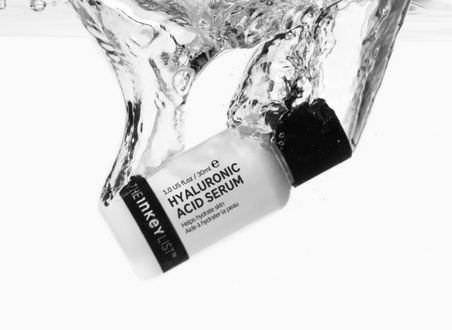
Discover the best face serums of 2025 for hydration, brightening, and anti-ageing. Find expert-recommended formulas with powerful ingredients to achieve your best skin yet.
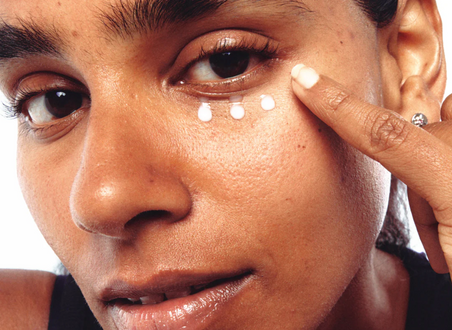
Discover the best eye creams of 2025 for dark circles, fine lines, and puffiness. Find the perfect formula for brighter, firmer under-eyes with Inkey's top-rated picks.
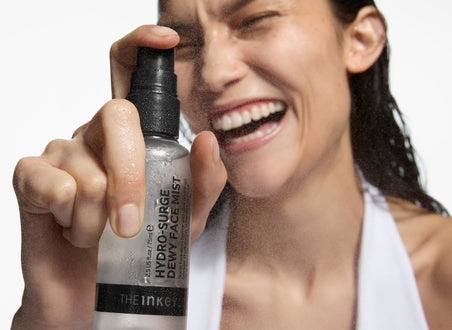
Meet your new hydration go to. Hydro Surge Dewy Face Mist gives you instant glow and lasting moisture in one refreshing spritz. Lightweight, makeup friendly and perfect for on the go, it keeps skin looking fresh and feeling hydrated all day. Mist up anytime before makeup, post gym, mid flight for skin that looks dewy not dull.
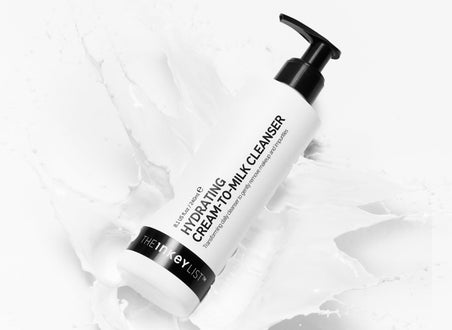
Meet Hydrating Cream-to-Milk Cleanser — your new go-to for soft, balanced, and hydrated skin. Powered by 5% Rice Milk and Hyaluronic Acid, this gentle cream transforms into a silky milk to melt away makeup and grime without leaving skin dry or tight. Think deep cleanse, zero drama. Just calm, hydrated skin that feels good all day.

Let’s get into it: are you familiar with Exosomes in skincare? Know what they do––and most importantly, the power they have when it comes to skin? Whether you are or not quite, the at-home skincare game is about to change.

Struggling with tight, dull, or sensitive skin? Your skincare routine might be missing essential hydration! This guide breaks down an easy, effective routine to restore moisture, strengthen your skin’s barrier, and bring back that healthy glow. Ready to give your skin the hydration it craves? Keep reading!

Healthy, radiant skin starts with proper hydration—but do you know the difference between hydration and moisturization? While hydration replenishes water in the skin, moisturization locks it in to prevent dryness. If your skin feels tight, dull, or flaky, it may be craving a hydration boost! Discover how hydrating ingredients like Hyaluronic Acid can plump and refresh your skin, leaving it soft, bouncy, and glowing.

Want skin that looks fresh, plump, and radiant? Hydration is the key! When your skin lacks water, it feels tight, looks dull, and fine lines become more visible. But with the right hydration routine, your skin stays smooth, bouncy, and ready to glow. From morning to night, discover how to keep your skin hydrated and protected for a complexion that always looks its best. Ready to give your skin the moisture it craves

Think of the epidermis as your skin's suit of armour—its first line of defence. The condition of your skin’s barrier is closely tied to the overall health and appearance of your skin. When strong and healthy, your skin looks hydrated, plump, and glowing. When compromised or damaged, it may appear dull, uneven, or sagging, with visible fine lines and wrinkles.

There are a lot of myths and misconceptions around skin dryness which is not quite as simple as just a lack of water. Skin dryness is classified more as skin type as opposed to dehydration which is more of a skin state resulting from external factors and requires a different approach of care. Find out more and what INKEY products target dry and damaged skin.

Here at The INKEY List we’ve always understood the power of hydration because we know that healthy skin starts with hydrated skin.

Think hydrating is only a daytime thing? We’ll let you in on a secret, it’s even more powerful in the evening.

Experiencing blemish-prone skin? You’re not alone. Did you know that breakouts will affect 90% of the global population at some stage in their lives? Whether it's blemishes or breakouts, pre, during or post, we’re here to help you at every stage and get you on the right path to clearer-looking skin.
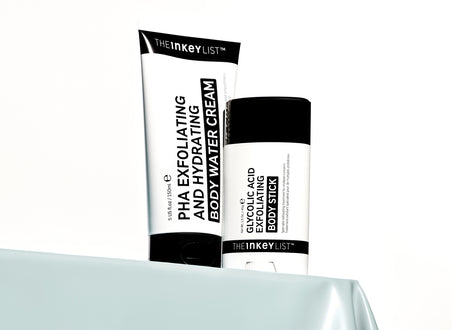
With the launch of INKEY Body, we’re here to show you there’s a better way to exfoliate, and it’s so easy to do you can make it part of your daily routine with no extra effort. Get ready because your best body skin is just a glide away… INKEY SAYS EXFOLIATE.

With the launch of INKEY Body we’re here to show you that there’s a better way to exfoliate, one that targets and improves multiple body skin concerns and is so easy-to-use, you can add it to your daily body care routine with no extra effort. INKEY SAYS EXFOLIATE!
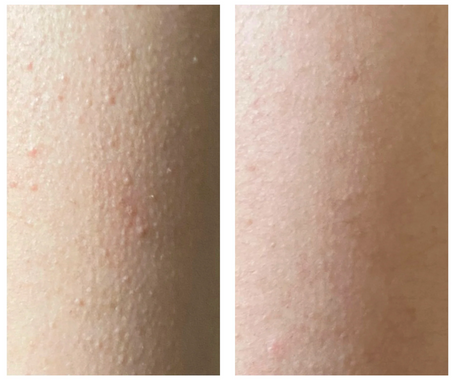
Keratosis pilaris, ingrown hairs, body breakouts and rough texture are common—and often misunderstood. This guide explains why these concerns happen, why traditional scrubs and aggressive exfoliation usually fall short, and what actually works instead.
You’ll learn the science behind glycolic acid and how clinically proven chemical exfoliation can improve skin texture in as little as 7 days. We’ll also show you exactly how to use Glycolic Acid Exfoliating Body Stick, with clear, practical guidance for treating different body areas and concerns, plus UK-specific advice to help you get consistent, visible results.

Salicylic acid (BHA) is one of the most reliable, science-backed ingredients for tackling acne, blackheads, and excess oil—because it’s oil-soluble, it can work inside pores (not just on the surface). In this guide, we break down exactly what salicylic acid is, how it works, and how to use it safely for clearer, smoother skin, including tips on layering and what to expect during the adjustment phase. You’ll also find product guidance for every stage of blemishes, from our bestselling 2% Salicylic Acid Cleanser and advanced 360 Skin Clearing Serum to fast-acting Hydrocolloid Invisible Pimple Patches proven to reduce breakouts in as little as 4 hours.
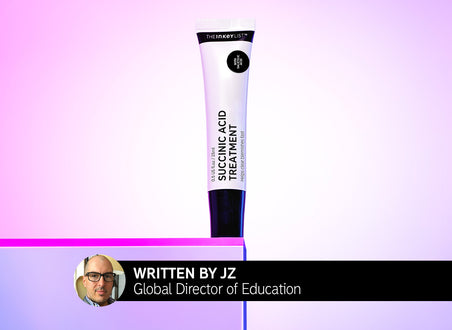
Without question, if you are a parent of a tween or young teen, you might have seen their newfound fascination with teenager skincare. What is concerning for us at The INKEY List, is that many skincare products are not created with this age in mind. This article will share our point of view and the type of products we recommend for teenage skincare routines.

Anti-aging isn’t about fixing wrinkles once they appear—it’s about starting smart, early, and with the right ingredients. From the moment collagen levels begin to decline in your twenties, your skincare choices matter. This in-depth guide explains when skin aging really starts, how prevention differs from correction, and exactly which ingredients to introduce at every stage of life for healthier, younger-looking skin long term.
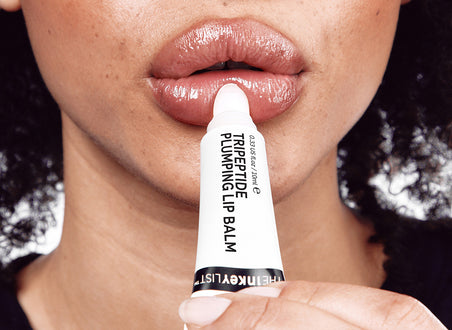
Plump lips are back on trend but, if you’re searching for the ultimate fuller, healthy-looking lips without compromising your lip skin barrier or opting for filler then read on.

Welcome to the art of mixing makeup with skincare, a new approach that gives you the best of both worlds - think maximizing your results with minimal effort.
NEW
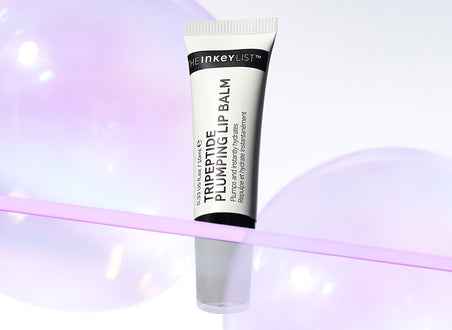
In this article, we'll explore the science behind this innovative lip balm, discovering why it's essential for achieving hydrated, smooth, and naturally plumper-looking lips. No filler, no filter, just fuller!
NEW

There’s no question too big or too small for our in-house team of experts! We’re taking a look at your most asked questions so we can help share our INKEY knowledge even further.
NEW
Let’s face it, dealing with acne can be frustrating, but with the right skincare products, you CAN effectively combat breakouts and achieve clearer, healthier skin. In this blog post, we will discuss several recommended product types.
NEW
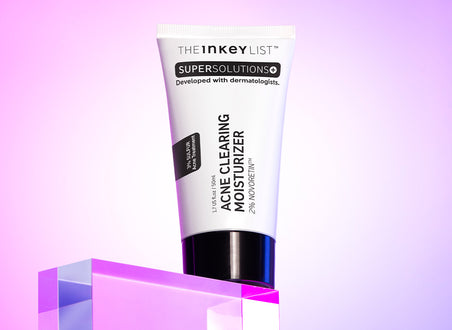
Introducing new Acne Clearing Moisturizer 2% NovoRetinᵀᴹ. A breakthrough moisturizer that’s clinically proven to help fight and reduce acne blemishes overnight while providing the essential moisturisation that is needed for acne-prone skin.
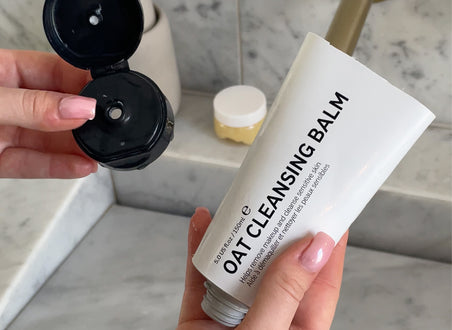
Finished another bottle or tube of your favourite INKEY product? Well, you’ll need to know how to recycle it correctly then.
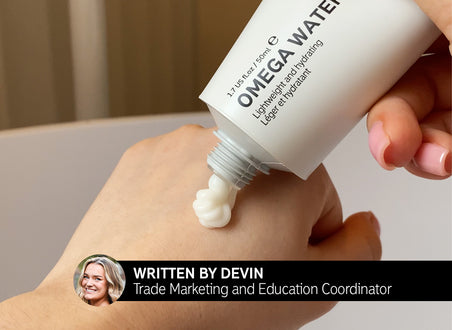
With so many options out there, it can be hard to know what products to use or what ingredients to look for. Let’s Make (sensitive) Skincare Simple, and start at the very beginning.

Starting retinol doesn’t have to be intimidating. With so much conflicting advice, it’s easy to feel unsure about when to start, how to use it, and what to expect. This beginner-friendly guide breaks it all down into the 5 essential things you need to know – from how retinol actually works and when you’re ready to start, to managing the adjustment period, choosing the right strength, and following the non-negotiable safety rules.
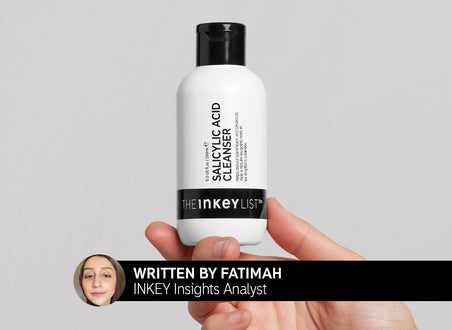
Did you know you could use some of INKEY’s most loved skincare products on your body too? We’re all about simplifying skincare so what better way than using multi-purpose products! Below are the top INKEY products to use on your body and hacks to incorporate in future self-care routines.

We’re incredibly lucky at The INKEY List that we’re co-founded by an empowering female leader and successful business woman, Colette Laxton, so we thought who better to share her own experience of being a woman in business and her recipe for success…
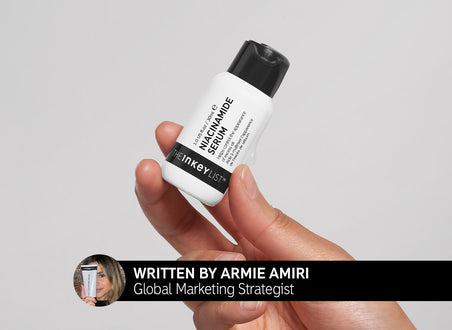
Unlike glass, buttery, or dolphin skin, which aims to make your complexion so luminous it could have been modeled from glass by the skin gods, cloud skin uses a strategic mix of skincare and makeup to achieve a dreamy and ethereal glow-from-within look.
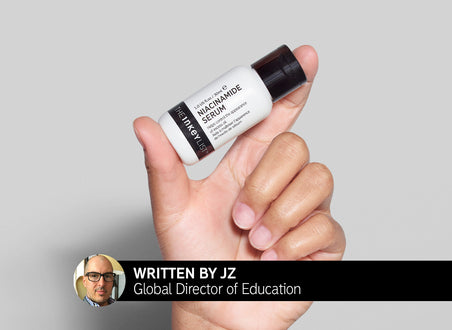
The idea behind it is simple: active ingredients can penetrate the skin more effectively when it's hydrated. This simple technique involves applying back-to-back skin care products without letting them dry to achieve maximum absorption.
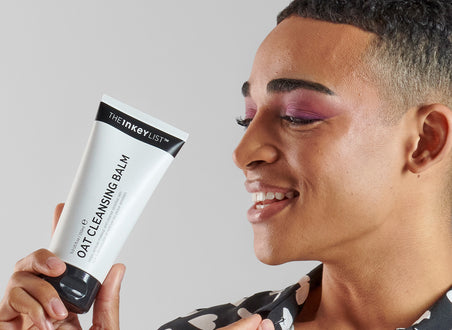
Our award-winning Oat Cleansing Balm is a rich cleansing formula designed to melt away makeup and impurities without drying the skin. The key to making the most out of this product is knowing how to best apply it in your routine.
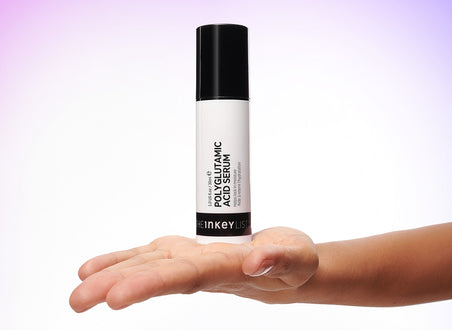
Our Polyglutamic Acid Serum is a powerful hydrator for the skin's surface, locking in moisture and helping the skin appear instantly smoother. In fact, it can hold 4x more moisture than Hyaluronic Acid—so it’s a must for dry skin, especially in the winter.
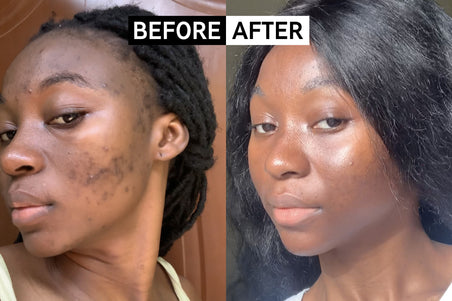
Meet, Real Results with INKEY. This is our dedicated series where we pass off the mic to our very own customers, who will share their reviews and recommendations on some of our products.
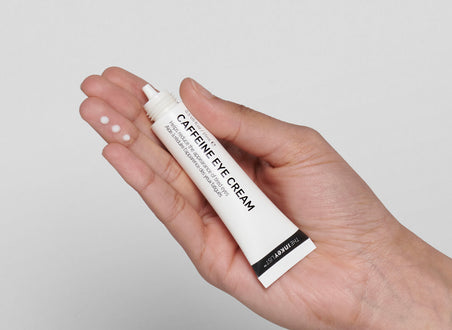
Whether you’re feeling burnout from holiday spending, trying to combat the rise of inflation, or looking for ways to be cost-efficient in the new year–we’re sharing our top 5 ways to save money without compromising your skincare routine.

If your skin feels rough, looks dull, or gets stuck in a cycle of congestion, glycolic acid could be the game-changing ingredient you’ve been missing. From refining texture and boosting radiance on the face (hello, Glycolic Acid Toner) to smoothing stubborn body concerns like rough elbows, bumpy arms, and keratosis pilaris (meet the Glycolic Acid Exfoliating Body Stick), this powerhouse AHA works by gently dissolving the bonds that hold dead skin cells in place—revealing fresher, brighter skin underneath. In this guide, we’ll break down exactly how glycolic acid works, the proven benefits you can expect, and how to use it safely and effectively so you can get real results without the guesswork.

If your skin feels persistently dehydrated despite using moisturizer, it may be lacking water rather than oil. Hyaluronic acid is a naturally occurring molecule in the skin that plays a key role in hydration, barrier support, and skin elasticity—but levels decline steadily with age and environmental stress. This article explains how to recognise the signs your skin may benefit from hyaluronic acid, why dehydration can affect all skin types (including oily and sensitive), and how incorporating a hyaluronic acid serum can help improve skin comfort, radiance, and overall resilience.
What exactly IS skin cycling? Who is it best suited for and why are people switching their skincare routine to this pattern?

If you’re using hydrating products and not seeing results for dry skin, there are numerous reasons why this could be happening. Let’s take a look at the 5 best ingredients for dry skin.
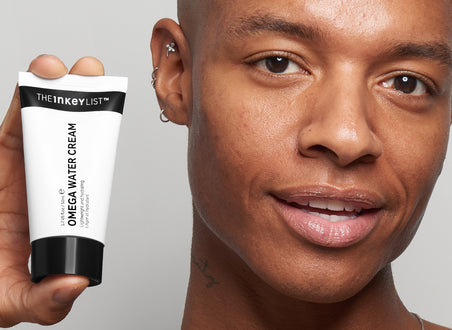
Not sure where to start with moisturizers? We don’t blame you. This lightweight, oil-free moisturizer is the answer to everyone’s moisturizer questions.
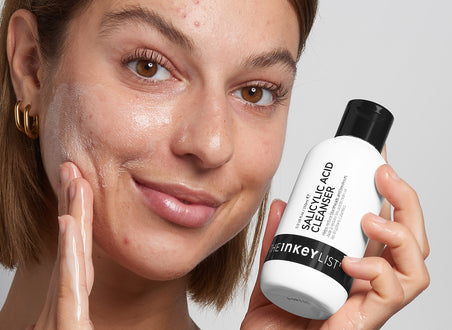
If you struggle with breakouts, you’ve probably heard of these ingredients before: Salicylic Acid and Benzoyl Peroxide. Both are key for keeping skin clear and smooth, but they do so in totally different ways.
Read on to learn more about the three skincare resolutions we’re setting out for ourselves this year and join us on the path to healthy, glowing skin.

At The INKEY List, our top priority is providing our community with high-quality skincare and scalp care at an accessible price. We also promise to always be transparent and honest with you, which is why we are sharing that starting 1st January 2023, you will notice some of our prices increasing. Here’s why.
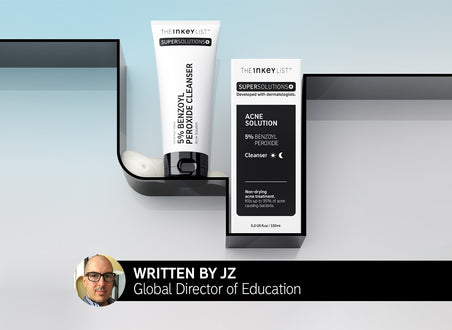
Benzoyl Peroxide is the gold standard FDA approved skincare ingredient in treating acne. If you answer yes to any of these signs, then using Acne Solution with 5% Benzoyl Peroxide Cleanser might be one for you to consider adding to your skincare routine.
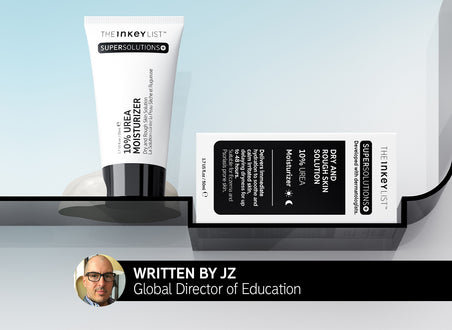
If you are looking for an ingredient that has dual benefits of effectively moisturizing and exfoliating dead skin buildup simultaneously, look no further than Urea. At The INKEY List, we believe it is the next trend ingredient! For those with dry or rough skin texture or those that are prone to eczema or psoriasis, we have your Solution.

This science-backed guide explains exactly how retinol improves acne scars, dark spots, and red marks — and how to use it safely for real, visible results. Learn the difference between PIH, PIE, and true acne scars, how retinol works at a cellular level, and how to choose the right INKEY retinol strength for your skin. With step-by-step routines, realistic timelines, and clinically proven solutions, this guide gives you everything you need to transform post-acne skin with confidence.
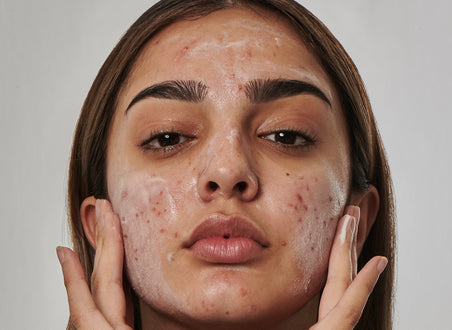
If curing acne has been your main skincare goal, chances are, you have heard or have been recommended to try benzoyl peroxide. We breaking down what exactly Benzoyl Peroxide is it is, what benefits this ingredient has to offer and what your best options are for your own skincare journey.

So many things can cause facial redness—genetics, skin type, the environment, stress, breakouts, etc. With the right skin care formulas, you can not only soothe dry, itchy skin but you can prevent redness from happening in the first place.
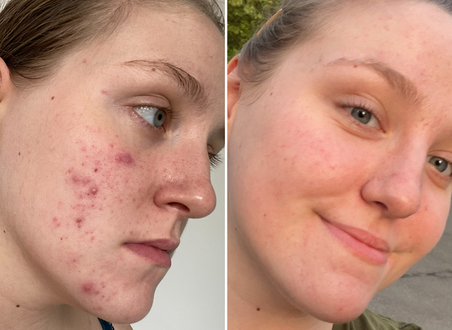
Meet, Real Results with INKEY. This is our dedicated series where our customers will share their reviews and INKEY products recommendations. This week we look at before and after transformations of acne on the chin and cheek areas.

If you’ve been battling oily skin with harsh cleansers, strong toners, or skipping moisturiser altogether, there’s a good chance you’re accidentally triggering even more oil. The truth: sebum is protective — the goal is balanced production, not total elimination. This comprehensive guide explains the science behind oily skin and highlights four proven ingredients that help control oil without over-drying: niacinamide, salicylic acid, dioic acid, and omega fatty acids. You’ll also get a complete morning and evening routine with INKEY List product recommendations, plus the smartest way to build it gradually to avoid irritation and rebound shine.
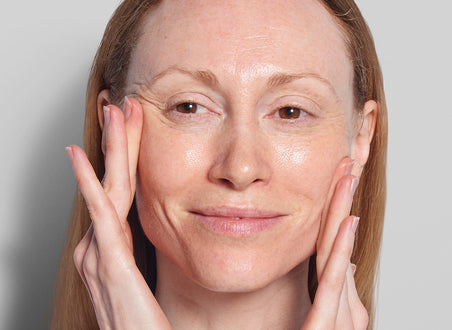
Our top five tips for getting the most out of your skincare routine. Make your skincare products work more effectively, get better results, and save some money in the process.
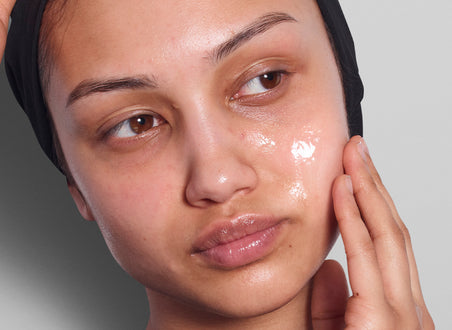
Have you ever been so excited to commit to a skincare routine and then left wondering when you will see results? We've been there and we'll explain what to look out for and what to expect when perfecting your skincare routine.
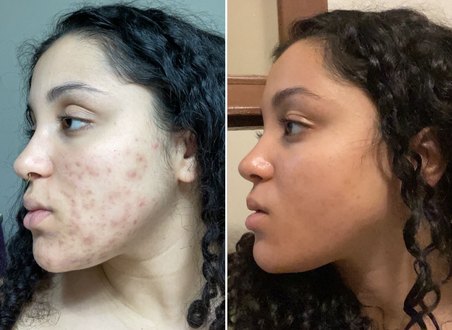
Consider us your token skincare friend. Meet, Real Results with INKEY. This is our dedicated series where we pass off the mic to our very own customers, who will share their reviews and recommendations on some of our products.

Not as well-known as Hyaluronic Acid, Polyglutamic Acid ("PGA"), is believed to have 4x greater moisture retaining benefits than HA. If you have dull, dry, or dehydrated skin, you should consider incorporating Polyglutamic Acid into your skincare recipe.
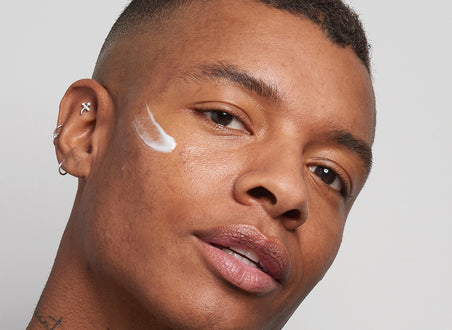
Why does it seem like products become less effective over time? There are a few reasons why this might be the case. We’ll break down the most common reasons we get this question below.

Clogged pores occur when oil and dead skin cells build up inside of pore linings and they expand to accommodate it. Here are our derm-recommended tips for dramatically smaller-looking pores.
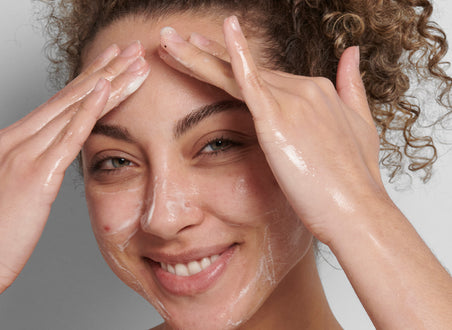
Want to streamline your skincare routine, but still see results? Follow these five steps when investing in your daily regimen.

Phytic Acid is an antioxidant Alpha-Hydroxy Acid (AHA) derived from micro-algae. It’s extracted from the natural environment first, then scaled up synthetically in bioreactors, which makes it a sustainable resource in the skincare industry.
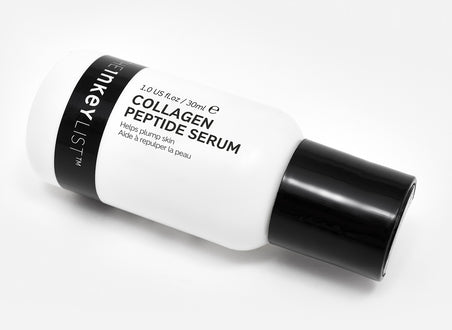
Collagen within skincare has been a talking point within the beauty industry as a whole. But what does collagen actually do, and how can you include it in your regimen?
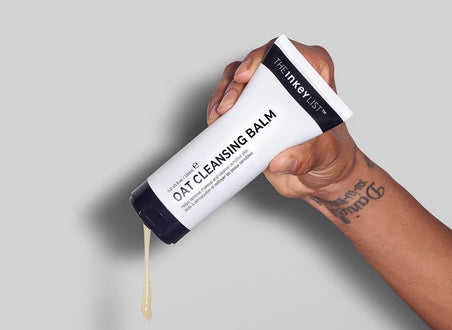
We don’t know who needs to hear this, but effective skin care doesn’t have to be expensive. If you’re paying more than $15 for these five ingredients—you’re paying way too much.
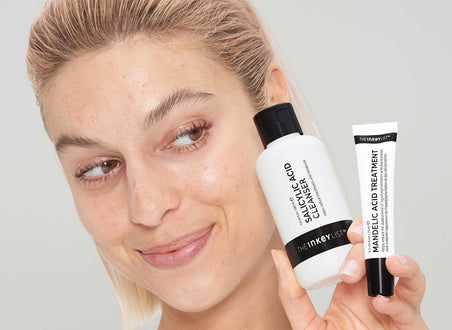
Acne is one of the most common (not to mention frustrating) skin concerns, but many people feel confused about what causes it and (most importantly) what you can do about it. With a consistent routine and effective ingredients, you can fight acne and maintain clear skin—all for under $15.
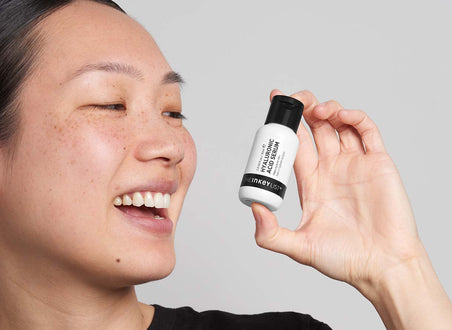
What if one product could totally transform your skin? Even better, what if it could do it in 30 days? Meet the $8.99 best-selling Hyaluronic Acid Serum.
Keeping your skin pH balanced and at a consistent level will help support healthy skin. The products you use in your skincare routine can have an impact on your pH levels, along with other factors, so it’s useful to understand what you can do to maintain a healthy balance.

Plant-powered, gentle, and clinically proven — bakuchiol is redefining anti-aging. This complete guide explores how the plant-derived retinol alternative delivers smoother, firmer, more radiant skin without irritation. Discover the science behind bakuchiol, its benefits for sensitive skin and pregnancy, how it compares to retinol, and how to choose the right anti-aging approach for your skin’s needs — all while respecting your skin’s natural balance.
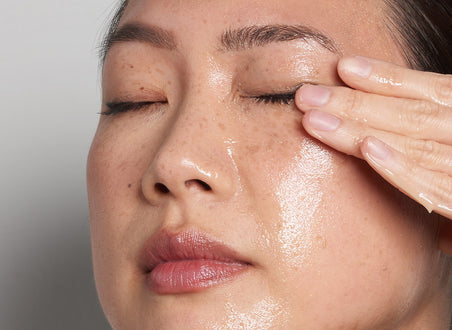
They may feel like a quick and efficient way to cleanse the skin but could face wipes actually be doing more harm than good?
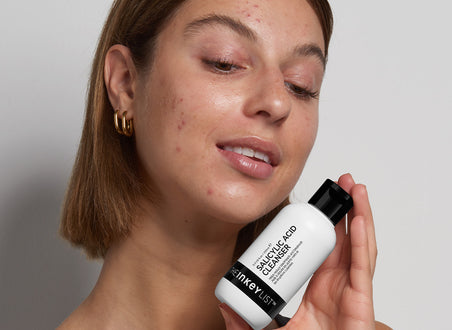
It’s fair to say that acne is usually associated with oily skin, or those with normal to combination skin who also experience excess oil. It is less common, but dry skin types can absolutely experience acne, and it can be a hard situation to address – particularly when deciding which skincare to use.
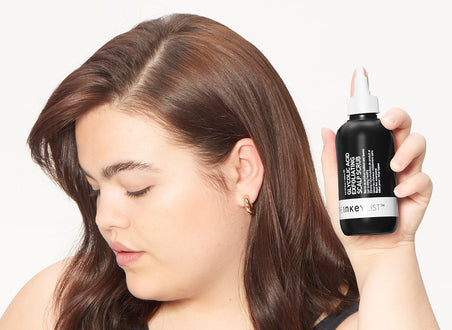
The scalp is perhaps one of the most easily forgotten areas of the body – especially when it comes to self care and T.L.C. That said, many of us are beginning to come around to the fact that the scalp is just as important as the skin on the rest of the body, as well as the hair itself.

Not all dark spots are the same. The mark left behind after a breakout, the symmetrical patches that appeared during pregnancy, the spot on your hand from years of sun exposure, and the freckles that darken every summer are all forms of hyperpigmentation - but each has a different cause, appearance, and treatment approach. In this guide, we break down the four main types of hyperpigmentation—post-inflammatory hyperpigmentation (PIH), melasma, sunspots, and freckles—to help you identify exactly what you're dealing with. Learn the key visual clues, common triggers, and skin tone considerations for each type so you can make more informed decisions about your skincare routine and choose products that target your specific concern.
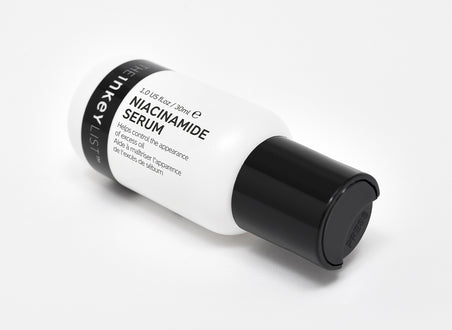
When we adjust and update our skincare routine regularly, it can mean some products get pushed to the back of the shelf. Whilst most products can last a number of years unopened, skincare products do also have a recommended use by date.
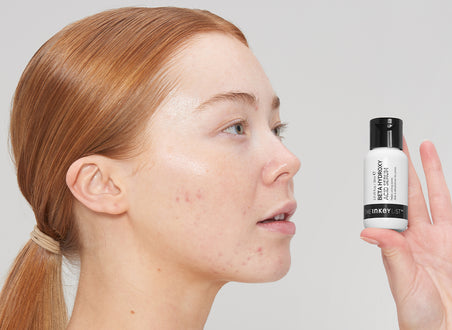
If you’ve been exfoliating more than usual or using several actives in one go (think acids, retinols etc), you may experience certain symptoms that will point to over-exfoliation. The most obvious symptoms include redness and irritation at the skin’s surface, which may also manifest through burning and inflammation. Learn how to prevent over-exfoliation and how to take care of skin that has been over-exfoliated


